
Film
Fiend Without a Face
A 1958 sci-fi horror film about invisible creatures born from nuclear radiation and telekinetic experiments near a Canadian airbase. It's a taut, paranoid mystery that builds to genuinely unsettling creature sequences—practical puppet work that still holds up. For fans of Cold War anxiety wrapped in creature-feature thrills.
Should you watch it?
Watch it if you enjoy tight, earnest science-fiction from the atomic-age 1950s, where suspicion between a base and its town drives the dread more than spectacle.
Skip it if you want modern effects or brisk pacing; the dialogue-heavy scenes and stagey acting can feel creaky, and the scientific talk drags for viewers hungry for action.
What it asks of you: Seventy-four minutes of mostly conversation and investigation, with a slow tightening of suspicion rather than constant jolts; it rewards attention to who knows what.
Not sure? Find tonight's pick in a minute.
If you liked this
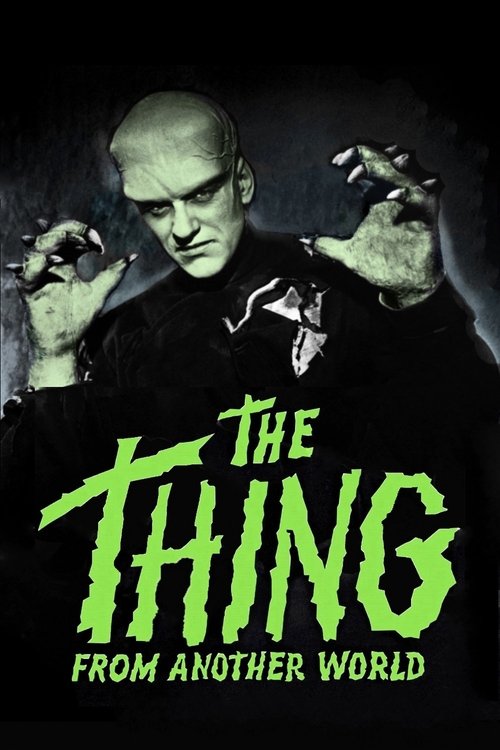
The Thing from Another World1951
Isolated setting, unseen threat, military protocol versus survival instinct. A masterclass in maintaining tension through suggestion rather than showing your cards too early.
But The pacing drags in places, and some of the science talk feels quaint now. Also very much a product of its paranoid 1950s moment.
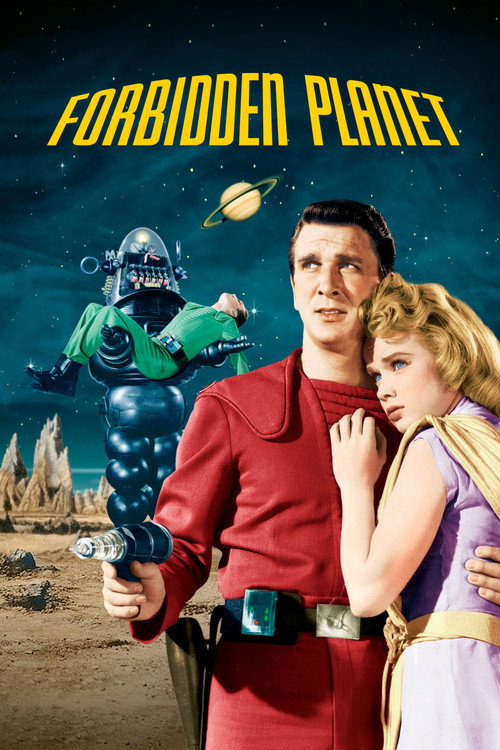
Forbidden Planet1956
Mind-bending sci-fi with real psychological horror underneath—a creature born from the subconscious. Stunning production design, intellectual stakes alongside the spectacle.
But The first hour is exposition-heavy, and the romance subplot feels obligatory. Some will find the colour saturation dated rather than charming.
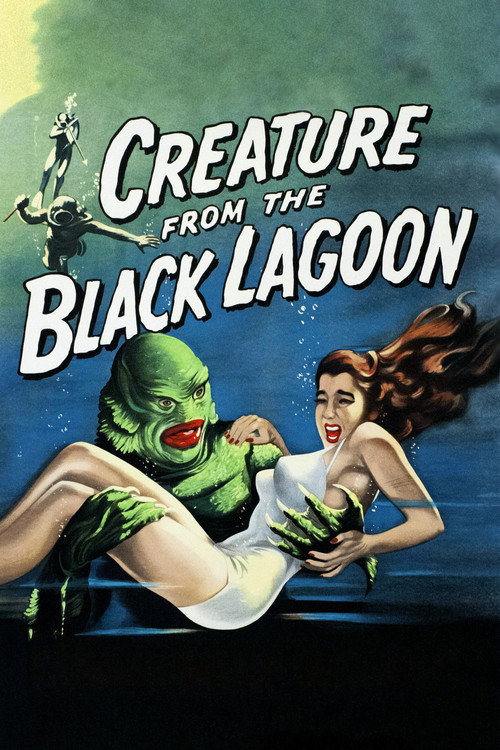
Creature from the Black Lagoon1954
Monster-movie perfection: mysterious, beautifully shot in 3D, with genuine suspense and a creature design that influenced decades of films. Economical filmmaking at its best.
But Predictable structure, and the female lead exists mainly to be rescued. Very much a B-movie, which is either a feature or a bug.
Not sure tonight? Get a pick in a minute, starting from Fiend Without a Face
The wildcard
Something you would not have found on your own.
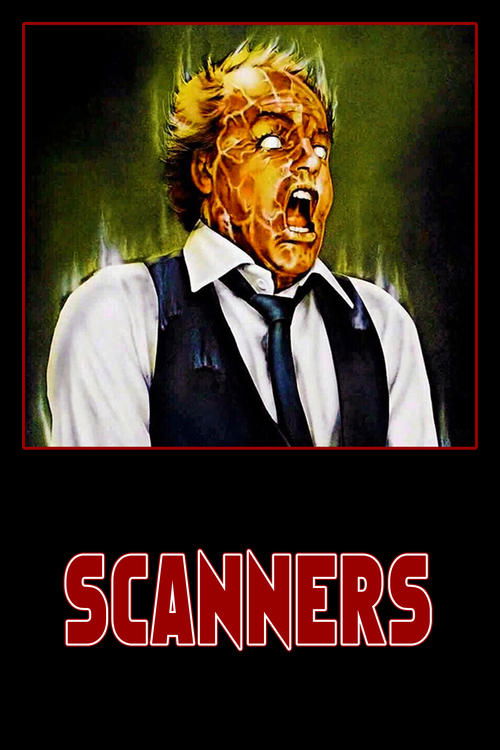
Scanners1981
Both center on telekinetic abilities as weapons born from science gone wrong, but Scanners pushes the body-horror and visceral consequences to extremes Fiend only hints at.
Cronenberg takes the telekinetic-power premise and makes it grotesque, visceral, and philosophically ambitious. A late-period psychic-horror film that understands the body-horror potential of mind-powers.
But Extremely violent and transgressive; some gore is gratuitous. Also deliberately artificial and cold—not warm or reassuring in any way.
More like this (7)
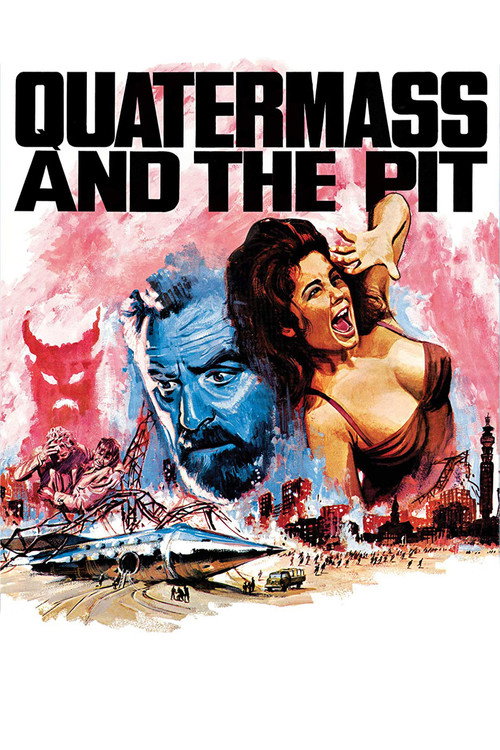
Quatermass and the Pit1967
British sci-fi that takes itself seriously—archaeology, nuclear terror, and alien horror braided together. Roger Delgado's professor is magnificent, and the ideas matter.
But Runs long and philosophical; some viewers find the middle section talky. The final revelation divides people on whether it lands or overreaches.
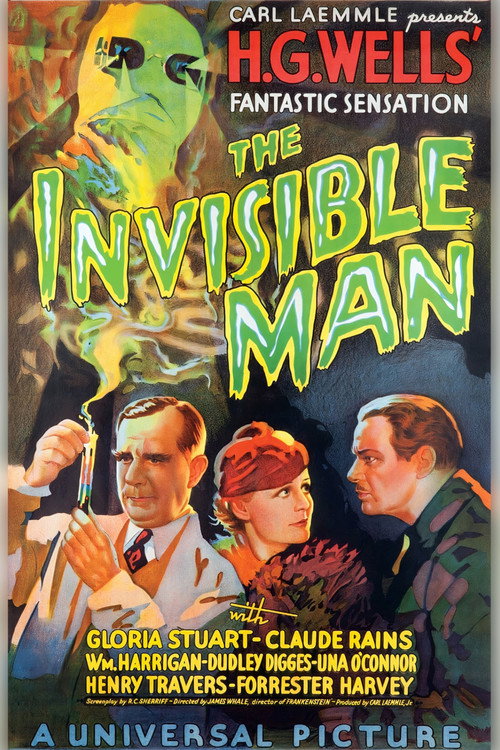
The Invisible Man1933
Invisible threat, paranoia, and a scientist's downfall. James Whale's masterpiece uses the absence of visibility to generate dread, and it's still the template for this idea.
But Black-and-white and early sound; the pacing and some performances feel theatrical. Some see it as a curio rather than a living thriller.
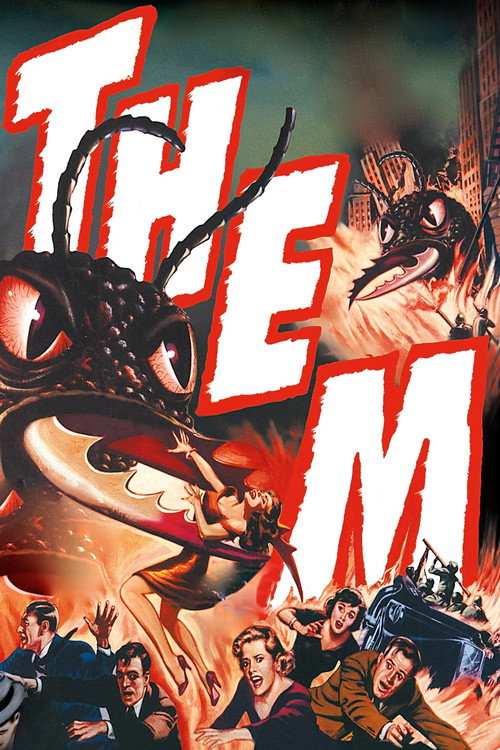
Them!1954
Giant ants as Cold War metaphor. A straightforward, well-made creature feature that doesn't waste time, with practical effects that feel tangible and real stakes.
But Conventional in structure and messaging. The science is nonsense even by 1950s standards, and it wears its propagandistic undertones openly.
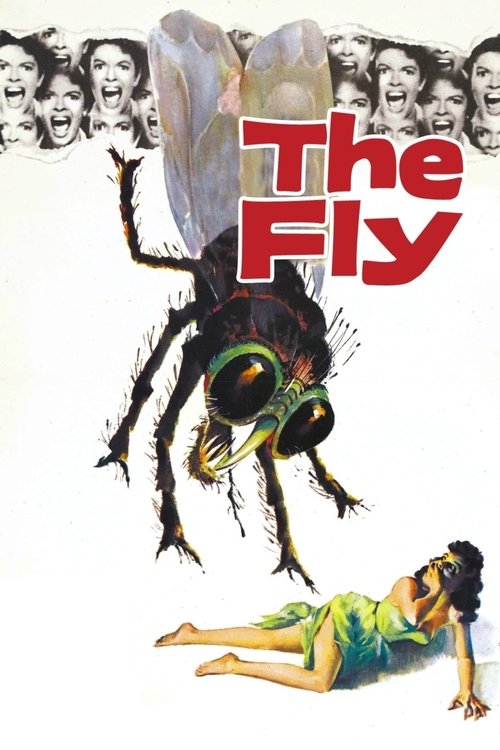
The Fly1958
Released the same year as Fiend Without a Face, it's a masterpiece of body-horror transformation. Tense, tragic, and Kurt Neumann's direction builds dread methodically.
But The final moment is grotesque in ways some find exploitative. And the setup—a scientist's carelessness—can feel frustratingly preventable.
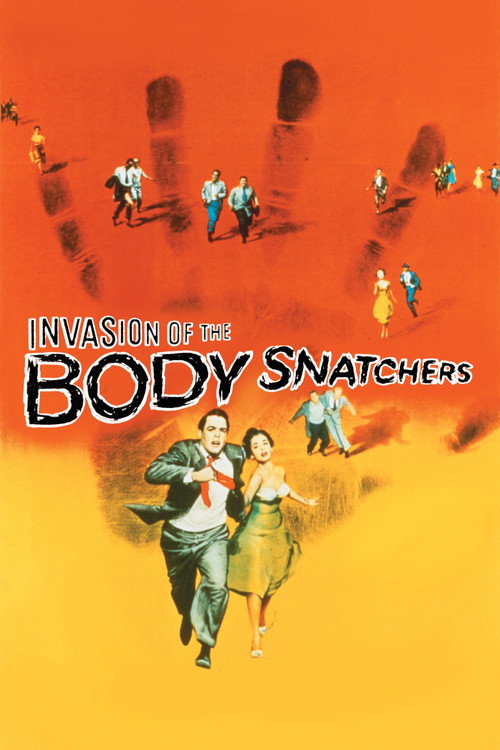
Invasion of the Body Snatchers1956
Paranoia distilled to its essence. No monsters, just wrongness spreading quietly. McCarthy-era anxiety made tangible, and it's restless, claustrophobic, unforgettable.
But Bleak as anything. The ending—if you see the original cut—offers no comfort. Not a film for a mood boost.
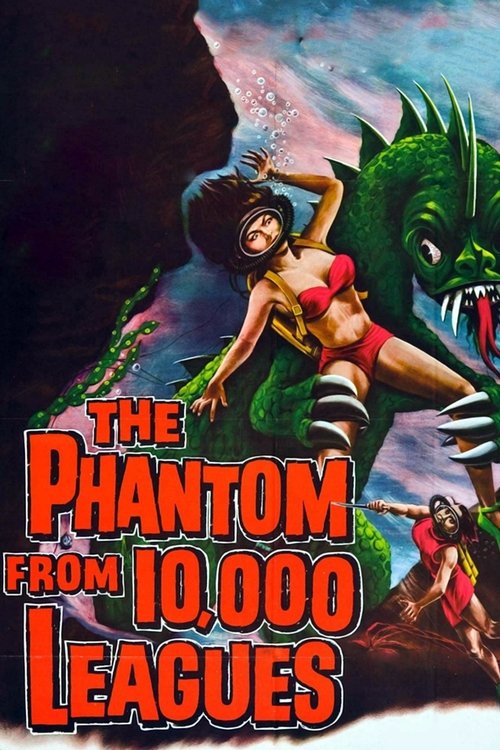
The Phantom from 10,000 Leagues1955
Low-budget radioactive-creature feature with genuine weirdness. A good-natured, earnest B-movie that doesn't presume to be more than it is, but entertains honestly.
But Bargain-basement effects and acting. The pacing meanders, and there's not much here if you're looking for real scares or innovation.
Memories of Murder2003
Both are mysteries where the threat is invisible or unknown for much of the film, and both use the setting (isolated airbase, provincial police station) to amplify paranoia and suspicion among authority figures.
A 1980s Korean serial-killer investigation that captures paranoia, institutional breakdown, and the terror of not knowing who the enemy is. Bong Joon-ho's masterpiece: formally brilliant and emotionally punishing.
But Long, deliberately paced, and bleak. The violence is sudden and devastating. Requires patience and can feel oppressive by design.

People
Cast
 Marshall ThompsonMajor Jeff Cummings
 Kynaston ReevesProf. R. E. Walgate
 Kim ParkerBarbara Griselle
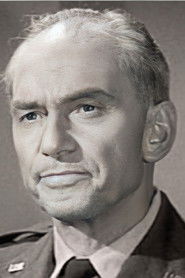 Stanley MaxtedCol. Butler
 Terry KilburnCapt. Al Chester
- James DyrenforthMayor Hawkins
- Robert MacKenzieConst. Howard Gibbons
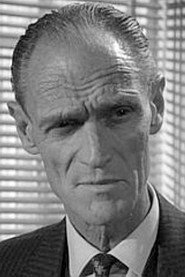 Peter MaddenDr. Bradley
- Gil WinfieldDr. Warren
 Michael BalfourSgt. Kasper
- Launce MaraschalMelville
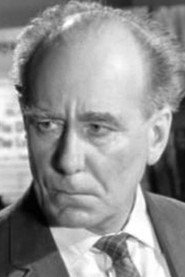 Meadows WhiteBen Adams
Directing
- Douglas HickoxAssistant Director
- Hazel SwiftContinuity
- Arthur CrabtreeDirector
Writing
- Amelia Reynolds LongOriginal Story
- Herbert J. LederScreenplay
Production
- Ronald KinnochCo-Producer
- Charles F. VetterExecutive Producer
- Richard GordonExecutive Producer
- John CroydonProducer
- Ronald KinnochProduction Manager
Recommended by
The Space Children, X: The Unknown, Quatermass 2, The Beast of Yucca Flats, Island of Terror