
Film
The Year of the Sex Olympics
- Dystopian sci-fi
- Very dark
A 1968 TV play that saw reality TV coming decades early. In a future where an elite broadcasts bread-and-circus entertainment to pacify the masses, a new show pitches ordinary people abandoned on an island to fend for themselves. Prescient, bleak, and fizzing with sixties anxiety about media power and overpopulation. For anyone who finds today's screens as dystopian as the story itself.
If you liked this
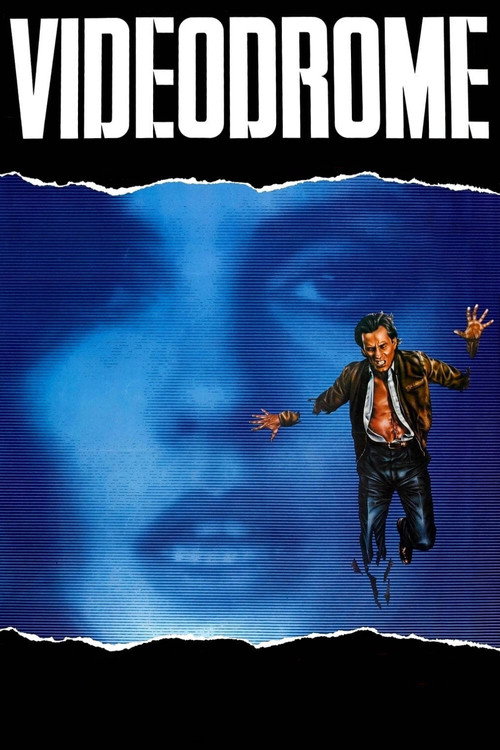
Videodrome1983
Cronenberg's hallucinatory nightmare about media consumption and bodily corruption. Like *Sex Olympics*, it's obsessed with how television warps reality and desire, but filtered through body horror and genuine psychological dread.
But Deeply unpleasant to watch. The imagery is grotesque, the pacing is intentionally suffocating, and there's no comfort in the ending.
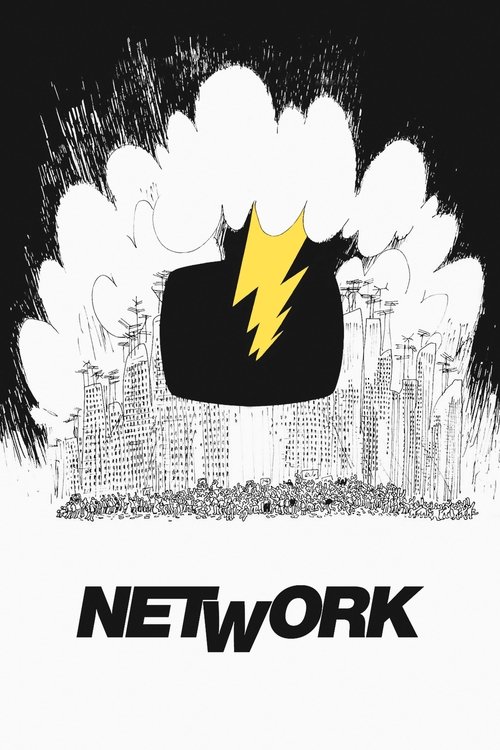
Network1976
Paddy Chayefsky's savage satire of news as entertainment. It shares the same fury at media manipulating the masses, the same belief that television executives are sociopaths, but wraps it in furious, quotable dialogue.
But The broad caricature can feel dated now. Some satirists mistake shouting for insight, and this occasionally teeters that way.
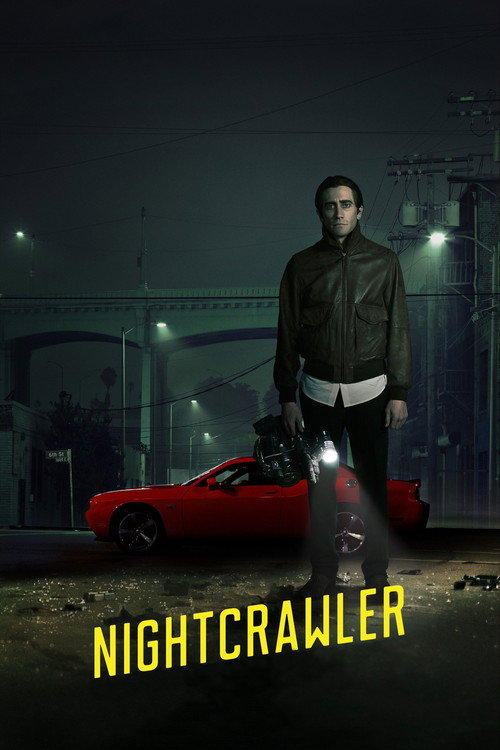
Nightcrawler2014
Jake Gyllenhaal as a sociopath who exploits violence for news ratings. It's the spiritual descendant of *Sex Olympics*—showing how media hunger corrupts everything and everyone, and how the powerful profit from our worst impulses.
But Relentlessly bleak and uncomfortable. There's no redemption, no wit to cushion the bleakness, and the protagonist is someone you'd cross the street to avoid.
Not sure tonight? Get a pick in a minute, starting from The Year of the Sex Olympics
The wildcard
Something you would not have found on your own.
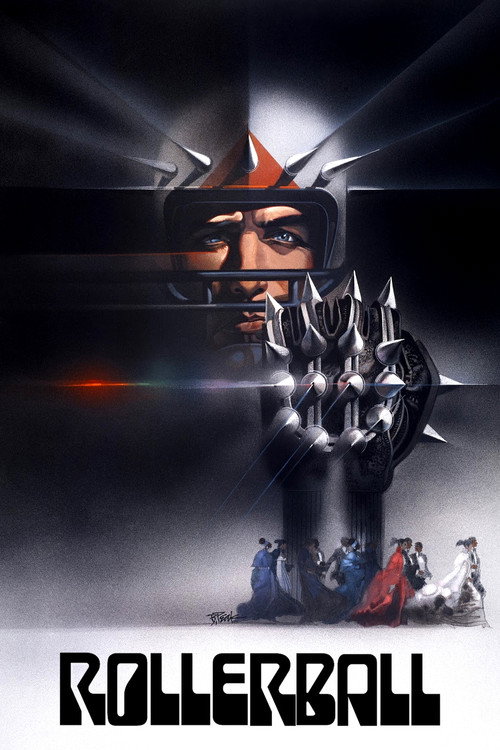
Rollerball1975
Both use entertainment as a tool of social control; *Sex Olympics* shows the architects deciding what to broadcast, *Rollerball* shows the architects designing the event itself. Same dystopian engine, different application.
Norman Jewison's vision of a future where a brutal sport keeps the population docile and content. It's the inverse of *Sex Olympics*: not passive consumption, but orchestrated participation—the masses given violent spectacle instead of scandal to keep them compliant.
But The action sequences that were meant to be thrilling now feel slow and repetitive. It takes itself very seriously in ways modern audiences might find unintentionally funny.
More like this (8)
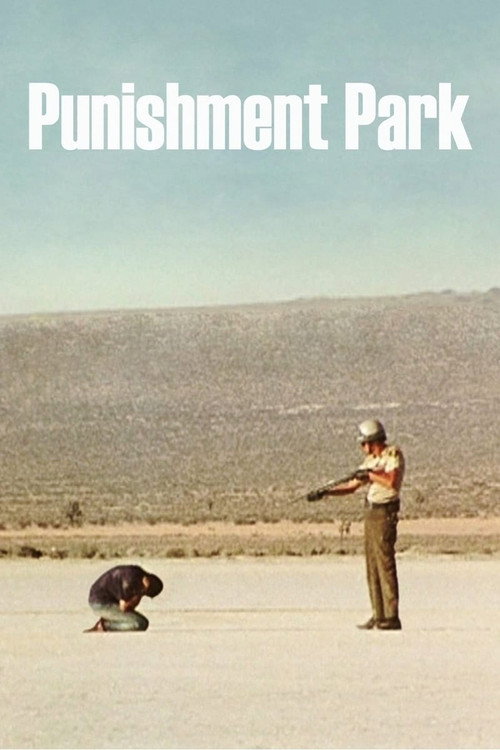
Punishment Park1971
Peter Watkins' almost unbearably raw documentary-style film about a near-future America where dissidents are herded into camps. Like *Sex Olympics*, it's sixties anxiety made flesh—paranoid, urgent, and genuinely disturbing.
But The found-footage style, though pioneering, can feel amateurish. The political message is delivered with a sledgehammer, not a scalpel.
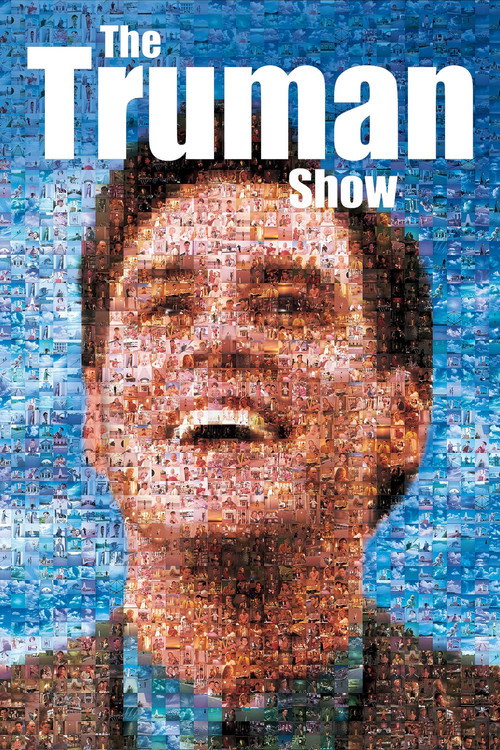
The Truman Show1998
Inverts the premise: one man unknowingly living in a constructed reality broadcast to billions. It has the same DNA as *Sex Olympics*—the horror of life as entertainment, the question of who controls the narrative.
But Plays it far too light. It's ultimately comforting and whimsical, which rather misses the point about how dystopian this scenario actually is.
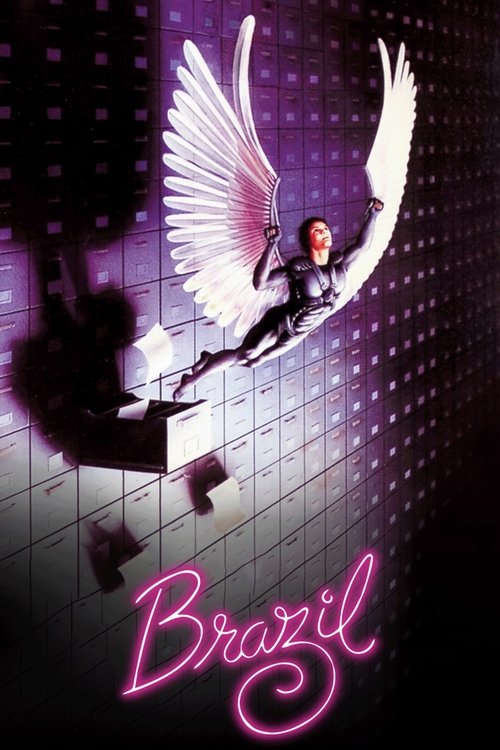
Brazil1985
Gilliam's maze of a film about bureaucratic control and media saturation in a hellish future state. It shares *Sex Olympics*' paranoia about systems grinding individuals to nothing, though filtered through surrealism rather than realism.
But Bewilderingly complex and sometimes incoherent. You may need to watch it twice, and even then not fully understand it. Some find that exciting; others find it exhausting.
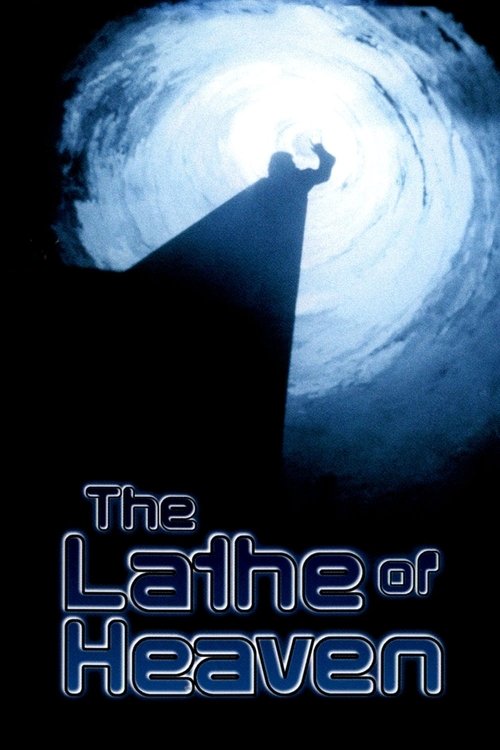
The Lathe of Heaven1980
Ursula K. Le Guin adaptation about a man whose dreams reshape reality, and the scientist who exploits him. It shares *Sex Olympics*' quiet terror of power being wielded invisibly, and how the powerful rationalize cruelty.
But Made for television in 1980, it looks like television made in 1980. The special effects are functional, not impressive, and the pacing is deliberate to the point of slowed.
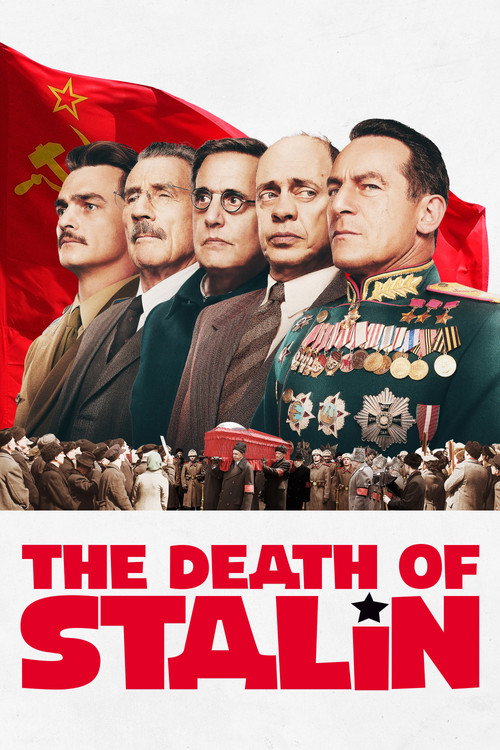
The Death of Stalin2017
Armando Iannucci's pitch-black comedy about the power vacuum after Stalin's death. Like *Sex Olympics*, it shows elites controlling narrative and information to stay in charge, with the masses as pawns in games they'll never understand.
But Entirely in black and white, which some find alienating. The satire is vicious and sometimes hard to laugh at when the subject is actual human suffering.
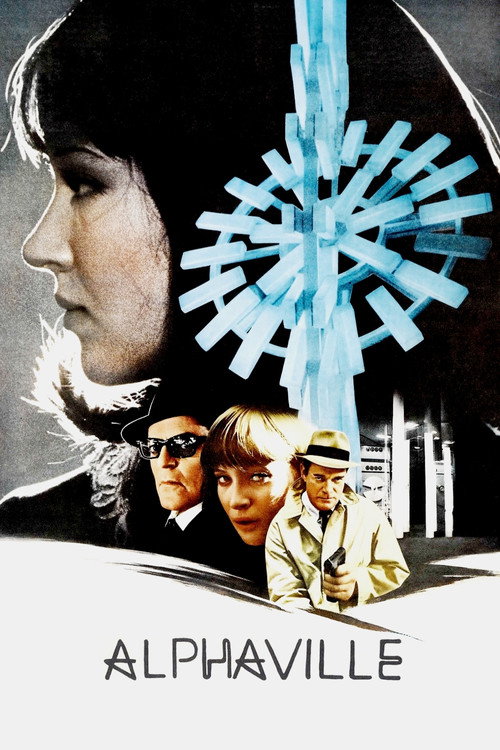
Alphaville1965
Godard's science-fiction poem about a dystopia built on logic and control, where art and emotion are outlawed. It's formally radical in ways *Sex Olympics* isn't, but shares the paranoia about systems crushing the human spirit.
But Deliberately difficult and abstract. If you need plot and character clarity, this will feel like watching someone else's experimental art project.
Come and See1985
Both are apocalyptic visions of how power systems destroy individuals. *Sex Olympics* imagines a bloodless dystopia where distraction is the weapon; *Come and See* shows what happens when distraction fails and raw violence is applied instead. Same despair, different era.
Elem Klimov's unbearable masterpiece about a teenage boy conscripted into a Soviet unit during WWII. Not science fiction—real historical horror. But it shares *Sex Olympics*' belief that those in power will destroy the innocent for abstract ideals, and document nothing honestly.
But One of the most harrowing films ever made. If you watch it, you will carry it. It is not entertainment. It is an ordeal designed to break your spirit and succeed.

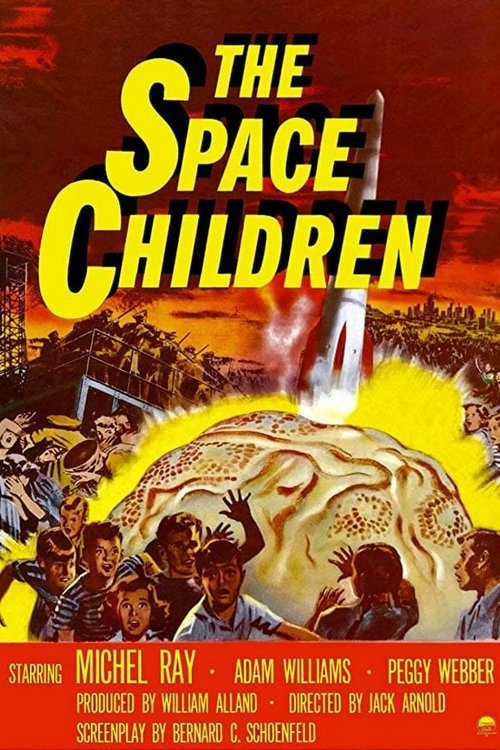
The Space Children1958
Both explore how the population can be unconsciously manipulated and controlled by forces they can't see or fully comprehend. *Sex Olympics* shows elites deliberately engineering consent through media; *The Space Children* imagines it happening psychically and inexplicably. Same paranoia, different mechanism.
A B-movie where alien children arrive at an American military base and begin psychically influencing the humans there. Absurd on the surface, but genuinely unsettling as a paranoia fantasy about invisible control and conformity—very much the anxiety underneath *Sex Olympics*, just dressed in 1950s sci-fi drag.
But It's a low-budget quickie from 1958. The effects are threadbare, the acting ranges from earnest to wooden, and you may spend half the runtime wondering if you're watching it ironically or sincerely.
People
Cast
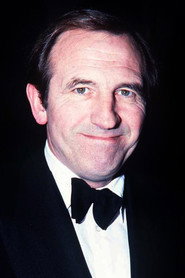 Leonard RossiterCo-ordinator Ugo Priest
 Brian CoxLasar Opie
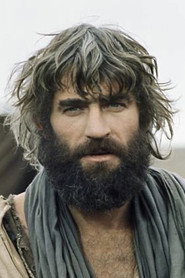 Tony VogelNat Mender
 Suzanne NeveDeanie Webb
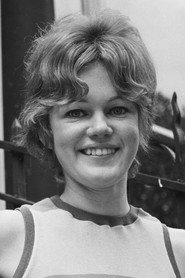 Vickery TurnerMisch
 George MurcellGrels
 Martin PotterKin Hodder
- Lesley RoachKeten Webb
- Hira TalfreyBetty
 Patricia MaynardNurse
 Trevor PeacockCustard Pie Expert
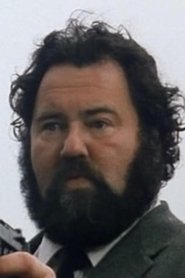 Brian CoburnCustard Pie Expert