
Film
Rollerball
Rollerball is a moody, method-paced 1975 sci-fi in which a corporate future channels humanity's aggression into a brutal team sport, and a champion who refuses to retire becomes a problem for the system that built him. It's slower and colder than its premise suggests, more character study than spectacle, made for viewers who want their dystopias thoughtful rather than thrilling.
If you liked this
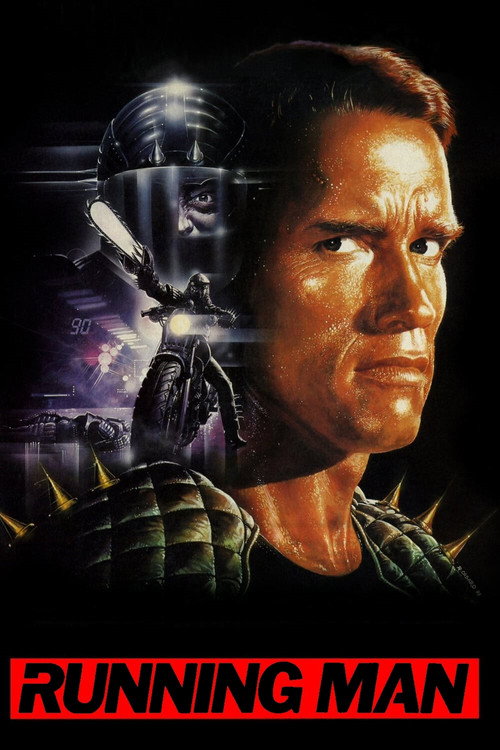
The Running Man1987
Same bones - a coerced athlete-gladiator, a TV show designed to keep the masses docile, a hero who refuses to play along - but with Schwarzenegger's wit and eighties gloss instead of Caan's stoicism.
But It's broader, funnier, and far less interested in subtlety than Rollerball ever was.
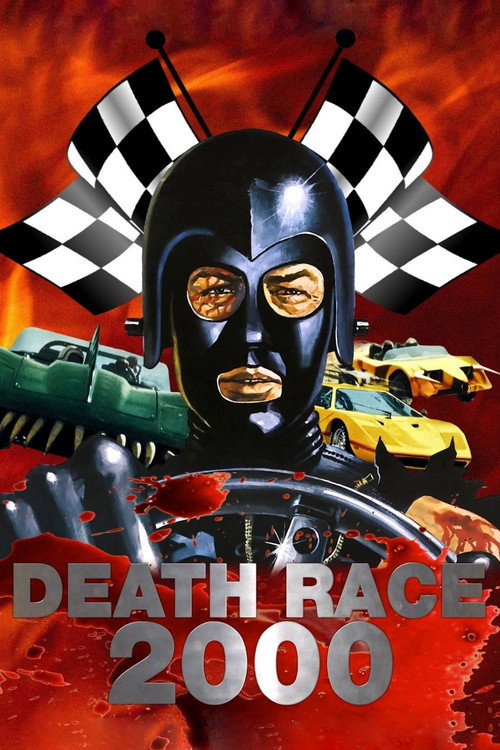
Death Race 20001975
Made the same year, from the Corman school rather than the studio system - a gleeful, blood-soaked cross-country race that turns Rollerball's dread into pure exploitation-cinema glee.
But Cheap, campy, and proud of it - if you wanted Rollerball's gravity, this will feel like a parody of it.
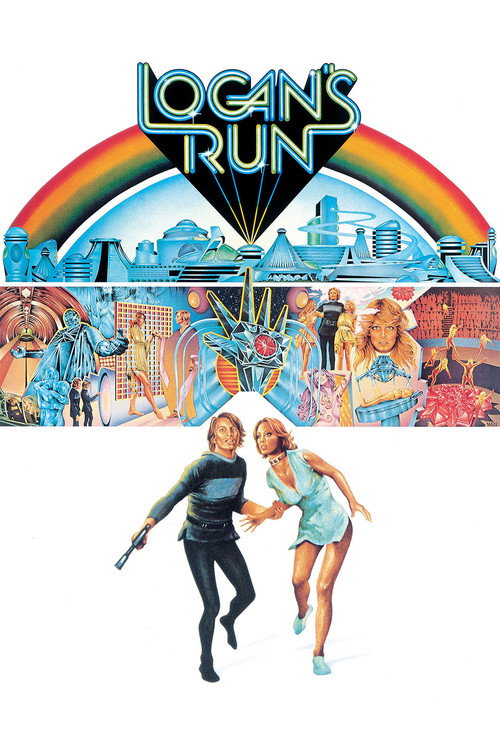
Logan's Run1976
Another mid-seventies vision of a pampered, controlled population kept docile by spectacle and denied its own history, with a hero who starts to see the cracks in the system.
But The effects and pacing show their age more than Rollerball's do; it's cosier sci-fi despite the premise.
The wildcard
Something you would not have found on your own.
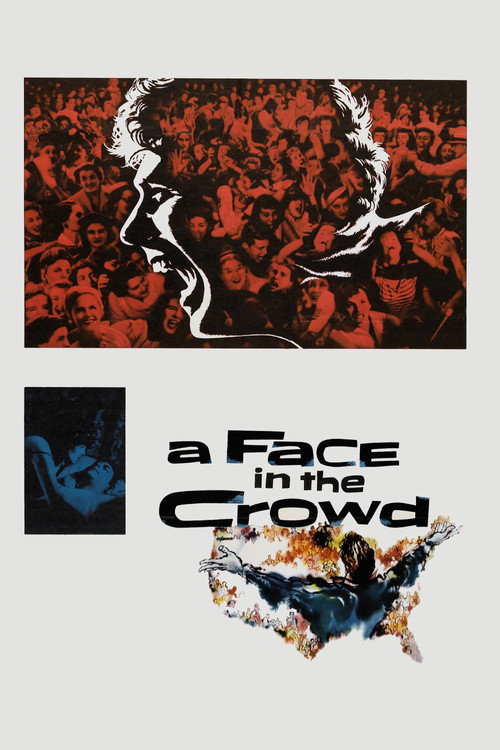
A Face in the Crowd1957
Both are about a system - corporate or political - discovering it can manufacture a public figure to manage mass emotion, then panicking when that figure develops a will of his own.
Two decades before Rollerball imagined a corporate-controlled future, Kazan showed the mechanism already working in plain American media - a folksy TV star built by handlers who chafes at his own leash.
But No sci-fi trappings at all, and Andy Griffith's performance is so unsettling some viewers find it hard to sit with.
More like this (8)
The Hunger Games2012
The clearest modern descendant - state-controlled televised violence, a reluctant champion, and a population fed spectacle to keep it from asking questions - just aimed at a younger audience.
But Slicker and more plot-driven, with none of Rollerball's patience or ambiguity.

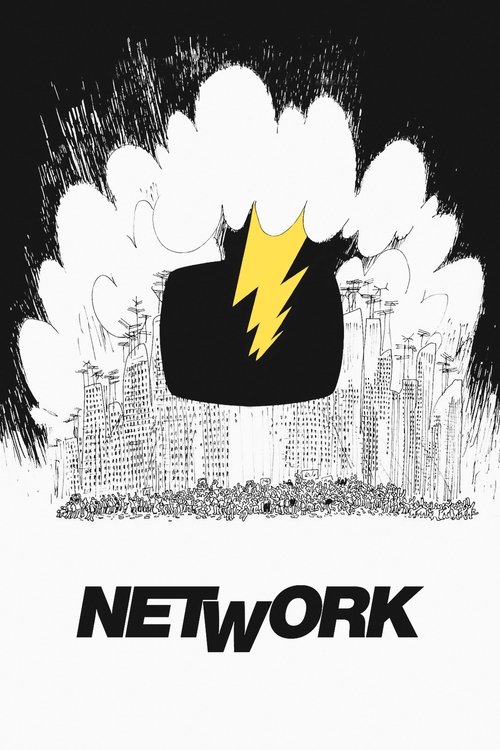
Network1976
Swaps the arena for the newsroom but asks the same question Rollerball does - what happens when a corporation discovers an audience will watch anything, including a man's unravelling, live.
But No sport, no violence set-pieces - this is satire and dialogue, not spectacle.
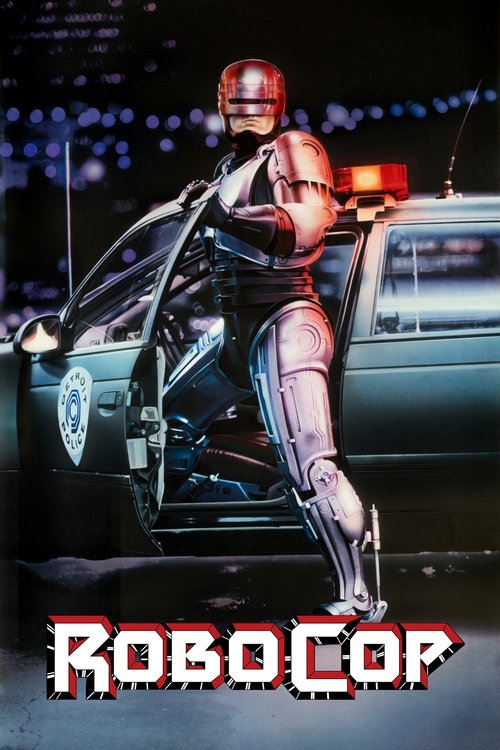
RoboCop1987
Corporate ownership of a human body, media that turns brutality into entertainment, a system that would rather replace its hero than let him think - Verhoeven just adds jokes and gore.
But Broader satire, splashier violence; it wants to make you laugh as much as it wants to make you uneasy.
Gladiator2000
Strip away the future and you get the same shape - an arena, a crowd fed on violence, and a champion whose fame becomes the very thing that threatens the people in charge.
But It's warmer and more heroic than Rollerball allows itself to be; the politics are simpler too.

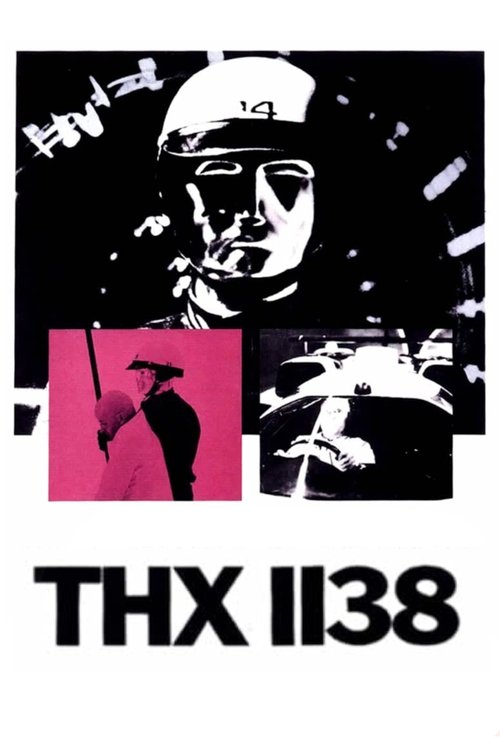
THX 11381971
Lucas's cold, controlled debut imagines the same kind of sedated, corporate-managed society Rollerball hints at, minus the sport - just surveillance, conformity, and one man's dawning refusal to comply.
But Austere and deliberately alienating; it's more art film than thriller, with even less conventional pleasure than Rollerball.
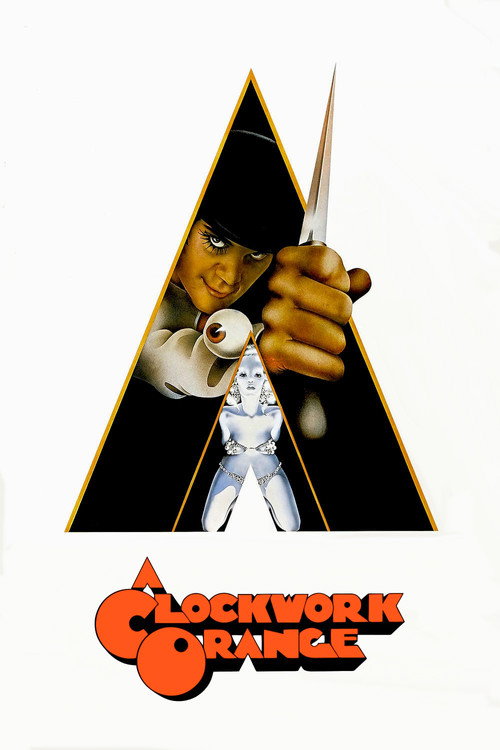
A Clockwork Orange1971
A different kind of institutional control story - the state trying to engineer a violent man into compliance - told with a stylistic swagger that makes Rollerball look positively restrained.
But Far more explicit and disturbing, and its satire is nastier and more ambiguous than anything in Rollerball.
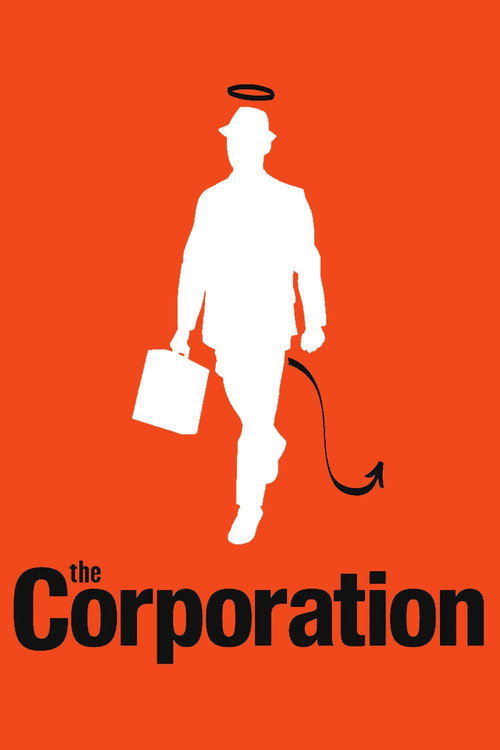
The Corporation2003
Rollerball imagines corporations as the literal government of the future; this documentary argues, with real case studies, that treating corporations as legal 'persons' already produces something close to that world.
A sharp, occasionally funny documentary dissection of what happens when profit-seeking entities get treated as people with rights - the real-world argument underneath Rollerball's fiction, laid out in plain language.
But It's a talking-heads essay film, not a drama - there's no Jonathan E., just economists, executives and whistleblowers.
Gamer2009no page yet
Same premise, dialled up to eleven and stripped of restraint - a corporation runs a deadly televised game using human bodies as pieces, and one player starts fighting the system that owns him.
If Rollerball's slow-burn seriousness ever made you wish it would just go for broke, this is that wish granted - garish, gleefully trashy, and unashamed of the exploitation-cinema DNA Rollerball tried to elevate.
But It has none of Rollerball's restraint or ambiguity - this is loud, dumb, and knows it.
People
Cast
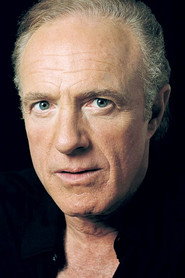 James CaanJonathan E.
 John HousemanBartholomew
 Maud AdamsElla
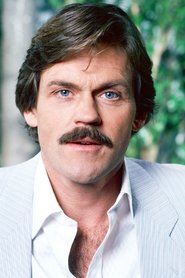 John BeckMoonpie
 Moses GunnCletus
 Pamela HensleyMackie
 Barbara TrenthamDaphne
 Shane RimmerRusty, Team Executive
 John NormingtonExecutive
 Burt KwoukJapanese Doctor
 Nancy BleierGirl in Library
 Richard LeParmentierBartholomew's Aide
Directing
- Norman JewisonDirector
- Kip GowansFirst Assistant Director
Writing
- William HarrisonScreenplay
- William HarrisonShort Story
Production
- Patrick J. PalmerAssociate Producer
- Lynn StalmasterCasting Director
- Norman JewisonProducer
Recommended by
Soylent Green, Habilidad física 100: México, Logan's Run, The 10th Victim, The Running Man, Death Race 2000, American Gladiators