Television series
Habilidad física 100: México
Mexico's turn in the global Physical 100 franchise drops taqueros, cops, gym rats and CrossFit royalty into a stripped-down arena where brute strength, grip endurance and raw nerve decide who survives. No talking strategy, no alliances — just bodies against apparatus and each other. It's blunt, sweaty, oddly hypnotic television for anyone who likes watching capable people suffer beautifully for money.
If you liked this
Physical: 1002023
The original Korean version that started this whole format — leaner, meaner, and with a genuinely brutal final act. If you've only seen a spinoff, this is the source code.
But Subtitled, and the elimination structure can feel familiar once you've seen any version of this franchise.

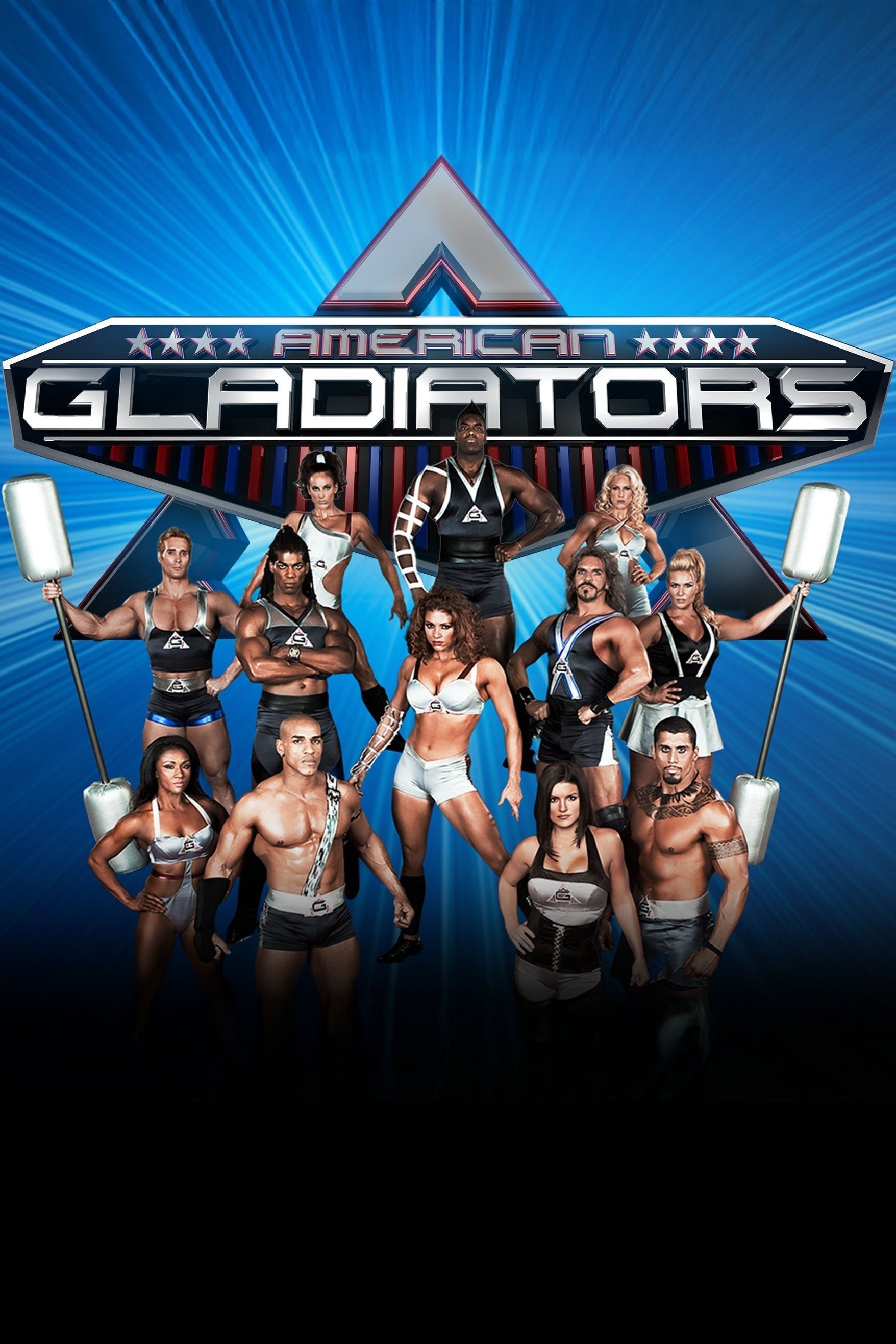
American Gladiators2008
Neon spandex, absurd event names, and civilians getting flattened by professional athletes — pure dumb spectacle that invented half the vocabulary this genre still uses.
But Deliberately cheesy in a way that reads as dated camp rather than the sincere intensity of newer competition shows.
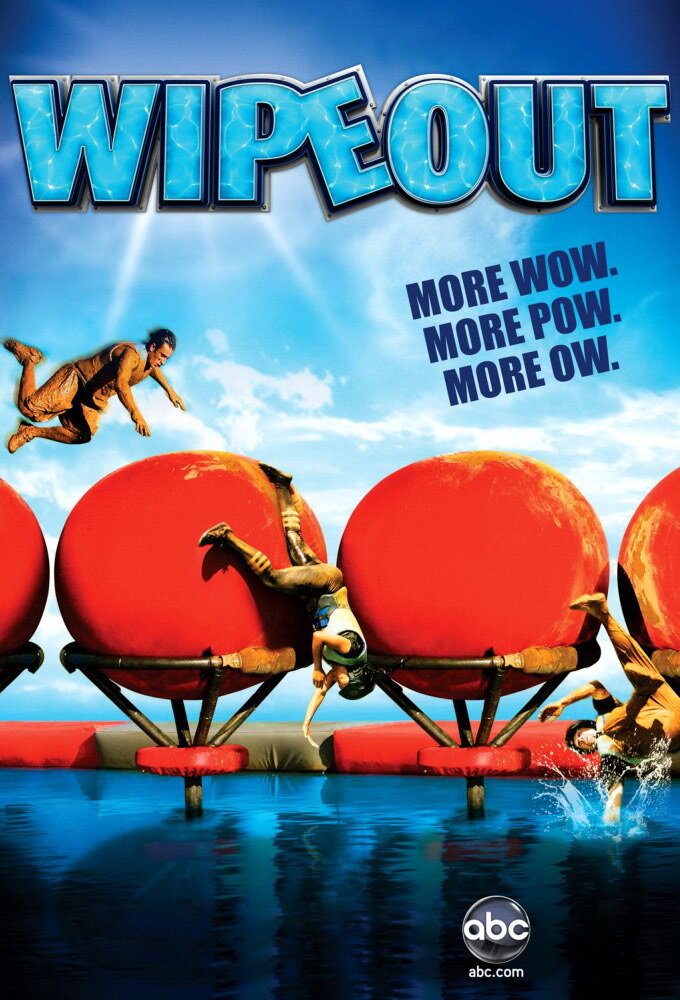
Wipeout2008
Same DNA — ordinary bodies against ridiculous obstacles — but tuned entirely for laughs instead of drama. Great palate cleanser after something this intense.
But Comedy over competition; there's no real strategy or stakes, just glorious wipeouts.
The wildcard
Something you would not have found on your own.
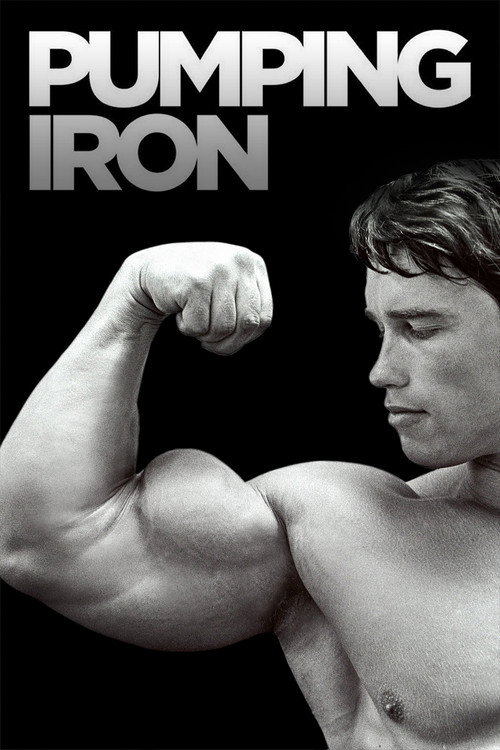
Pumping Iron1977
Same obsession — bodies as instruments of competition and self-worth — but filmed as raw, unedited documentary before the genre learned to manufacture drama.
A young Schwarzenegger and Lou Ferrigno turn bodybuilding into psychological warfare, decades before reality TV thought to film people staring at their own muscles.
But Slow, unpolished 1970s documentary pacing, and its gender politics are firmly of their era.
More like this (7)
American Ninja Warrior2009
The gold standard for obstacle-course television — technical, respectful of the athletes, and full of genuine awe at what trained bodies can do.
But It's solo time-trial format, so you lose the interpersonal tension of teams turning on each other.

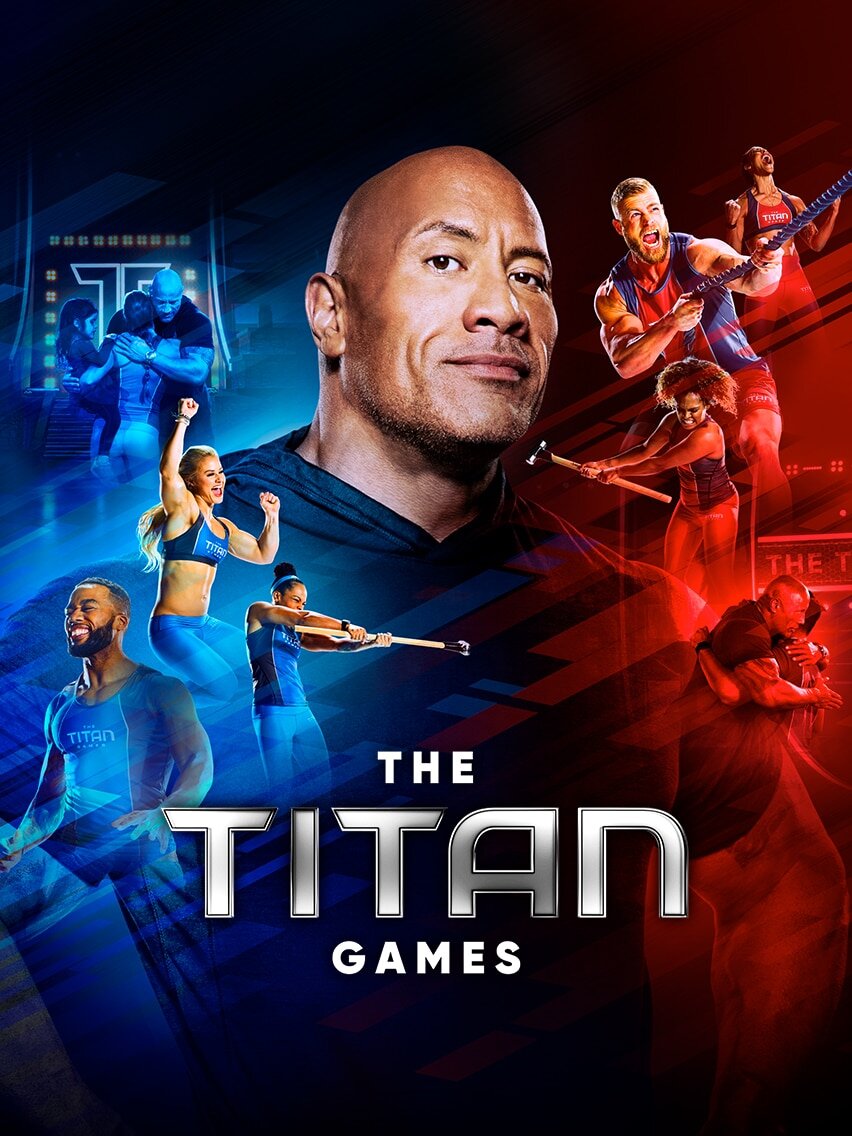
The Titan Games2019
Dwayne Johnson-produced strength competition with the same appetite for enormous apparatus and ordinary people doing extraordinary lifts under pressure.
But Leans heavier on inspirational backstory packaging than the stripped-down, almost cold competition format of Physical 100.
SAS: Who Dares Wins2015no page yet
Swaps the arena for actual wilderness and swaps prize money for psychological collapse — brutal, unglamorous, and much more about mental breakdown than muscle.
But Far grimmer and slower-paced; there's no slick production gloss, just exhaustion and shouting instructors.
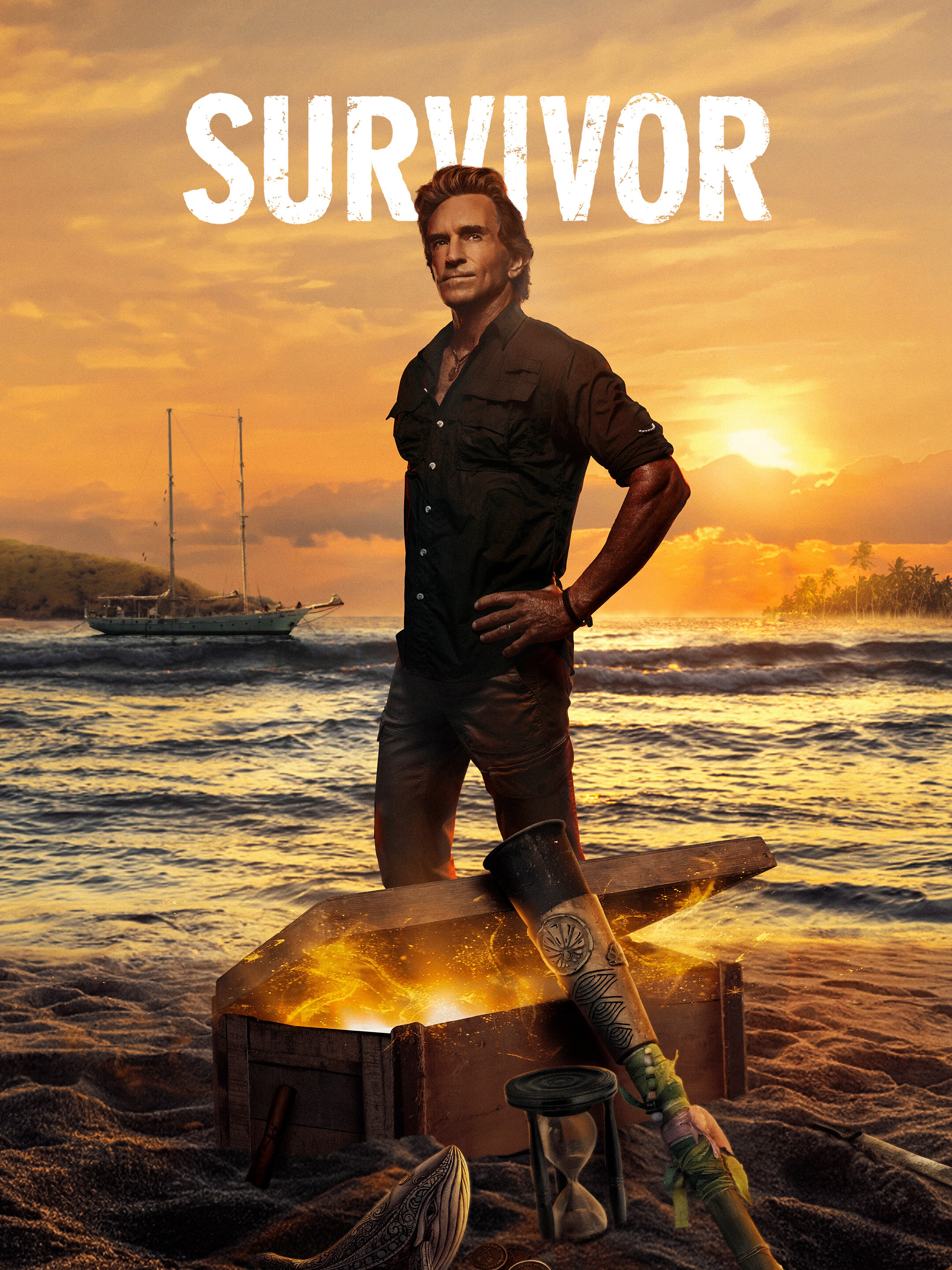
Survivor2000
The granddaddy of physical-social competition television — if you like watching alliances form and break under duress, this is where that instinct got weaponised.
But Social gameplay and voting dominate over pure physical spectacle, which might feel like a bait-and-switch if you want more athletics.
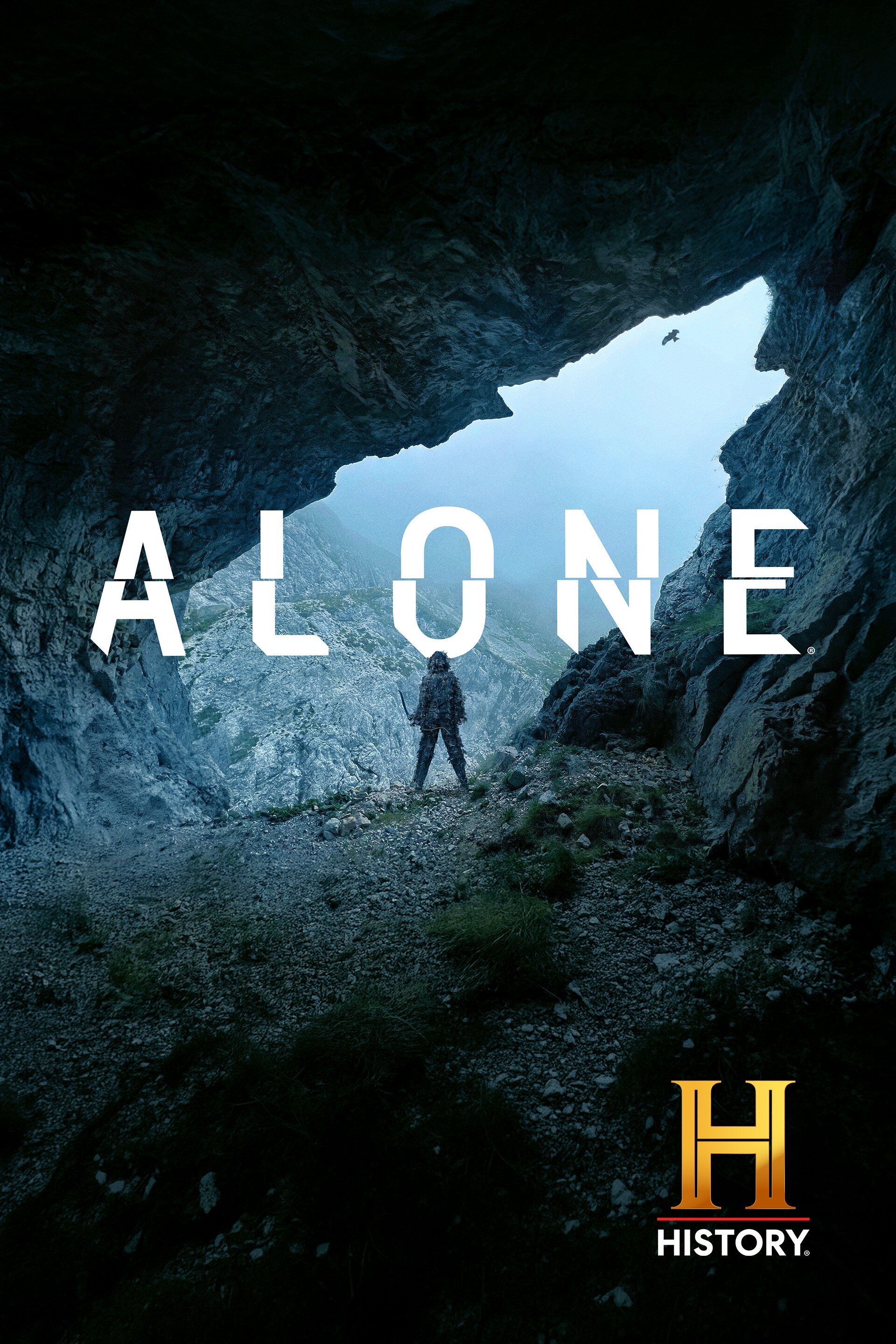
Alone2015
Strips away the arena entirely and drops solo survivalists into wilderness with no crew, no competitors, just their own body against nature and time.
But Glacially slow by comparison — this is about endurance and isolation, not adrenaline and head-to-head combat.
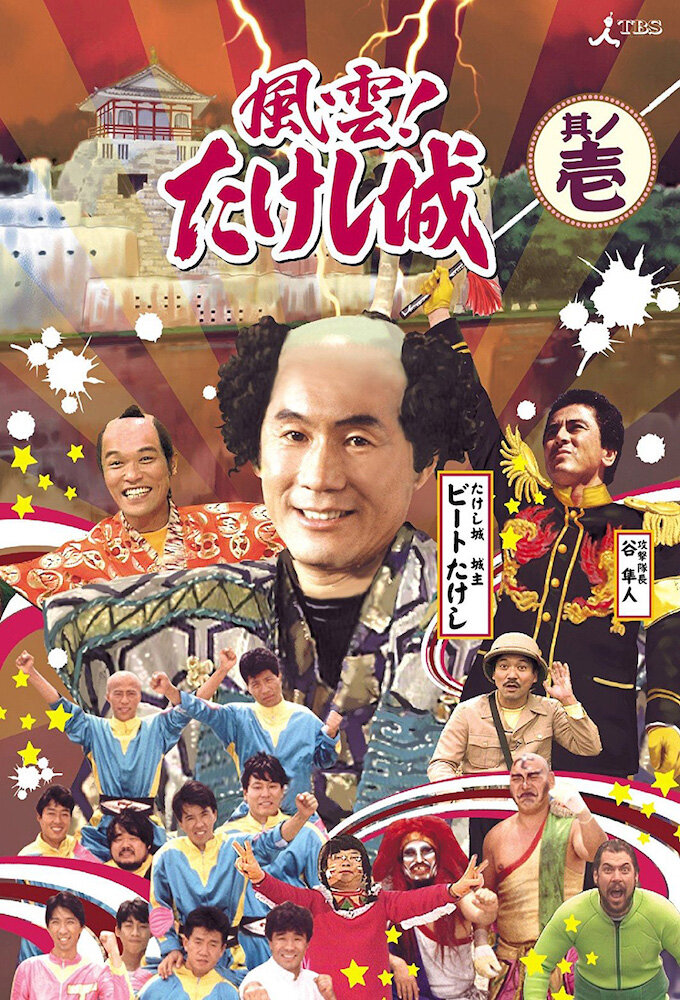
Takeshi's Castle1986
Same format bones — civilians, obstacles, elimination — but played entirely for slapstick instead of the grim intensity Physical 100 trades in.
Japanese game show absurdity at its purest — hundreds of contestants hurling themselves at ridiculous obstacles for a laughably tiny prize, gleefully mocking the whole concept of physical competition.
But Deliberately silly and low-stakes; if you want tension and real consequence, this will feel like a cartoon by comparison.
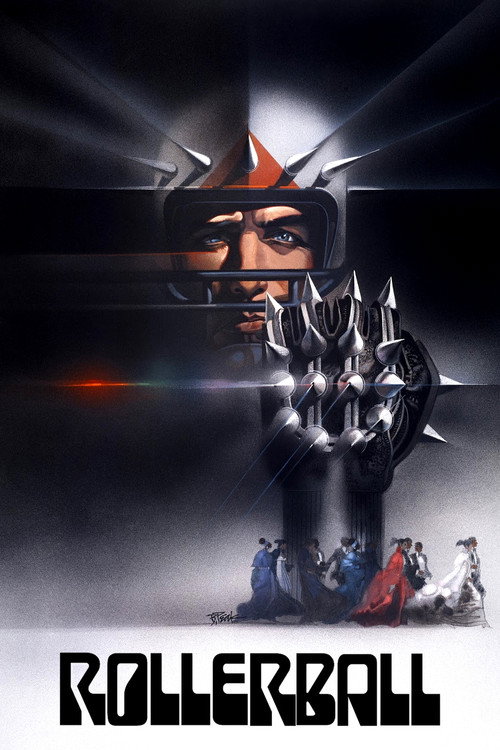
Rollerball1975
Both stage bodies destroying each other for an audience's entertainment; Rollerball just has the nerve to ask what that says about the audience.
A dystopian sport designed to channel violence and control the masses — fiction, but it asks the exact question this show politely avoids: what are we actually enjoying when we watch this?
But It's a slow-burn 1970s sci-fi drama, not a competition show — thin on spectacle, heavy on unease.