
Film
It Came from Outer Space
A 1953 sci-fi B-movie about an alien spacecraft crash-landing in Arizona and its peaceful occupants' attempts to repair their ship. Shot in 3D, it's tense and intelligent where others might've been silly—less about invasion than first contact, with a premise that lets the desert landscape do storytelling work. For anyone who loves atmospheric old sci-fi or wants to see where modern alien anxiety began.
Should you watch it?
Watch it if you enjoy 1950s science fiction that treats an alien arrival as a town's suspicion and stubbornness rather than a spectacle, with the menace creeping in through rumour and locked doors.
Skip it if you want a brisk modern effects picture, since the 1953 visuals are stagey and the pacing lingers on people talking things over in small rooms.
What it asks of you: Roughly eighty minutes, unhurried at the start and then tightening, asking you to sit with a black-and-white town being slowly unsettled rather than to expect constant action.
Not sure? Find tonight's pick in a minute.
If you liked this
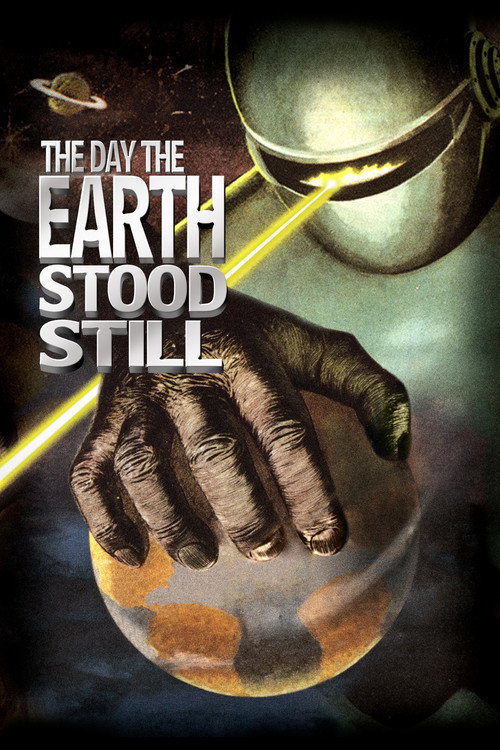
The Day the Earth Stood Still1951
An earlier, grander take on peaceful alien contact. Klaatu arrives with a moral warning delivered with glacial composure and real weight—it's what happens when Hollywood takes its sci-fi seriously.
But Deliberately paced and very earnest. If you want action or camp, this moves like a film that trusts you to sit with ideas.
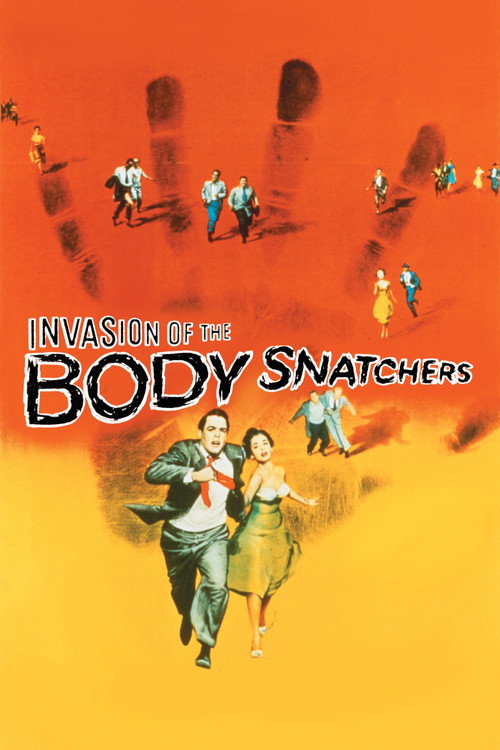
Invasion of the Body Snatchers1956
Paranoia sci-fi made with the same low budget but twice the dread. Small-town America turned slowly wrong, shot in black-and-white that makes every shadow count. Genuinely unsettling.
But It's a bleak film. The ending doesn't offer comfort, and the mood never lifts once it settles in.
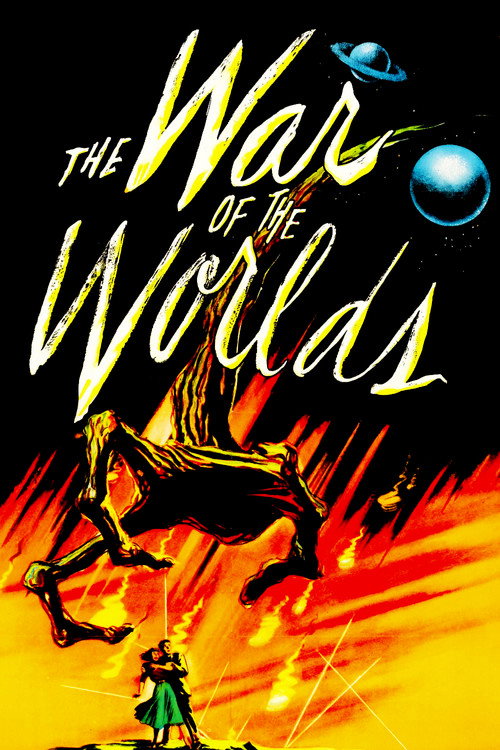
The War of the Worlds1953
Made the same year, by Paramount and without the 3D gimmick. It escalates from mystery to spectacle while keeping that 1950s sense of the world being fragile and unknowable.
But The special effects, while impressive for the time, are visible. Some sequences move slowly by modern standards.
Not sure tonight? Get a pick in a minute, starting from It Came from Outer Space
The wildcard
Something you would not have found on your own.
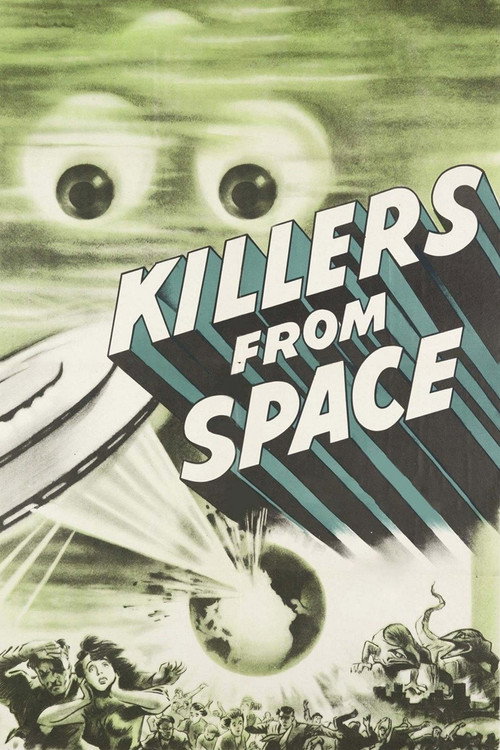
Killers from Space1954
Both are about being the one person who knows the truth and cannot make others believe. Here, the truth is real but the aliens look silly; there, the aliens are benevolent but terrifying. Flip the equation and you're watching a different story with the same skeleton.
A UFO abductee escapes from aliens and must convince Earth that the threat is real—but the spacecraft and aliens are patently absurd, which makes the protagonist's earnest terror all the more affecting. It's *It Came from Outer Space* reflected in a funhouse mirror.
But The effects are visibly cheap and the aliens look ridiculous. It's campy, though not intentionally.
More like this (8)
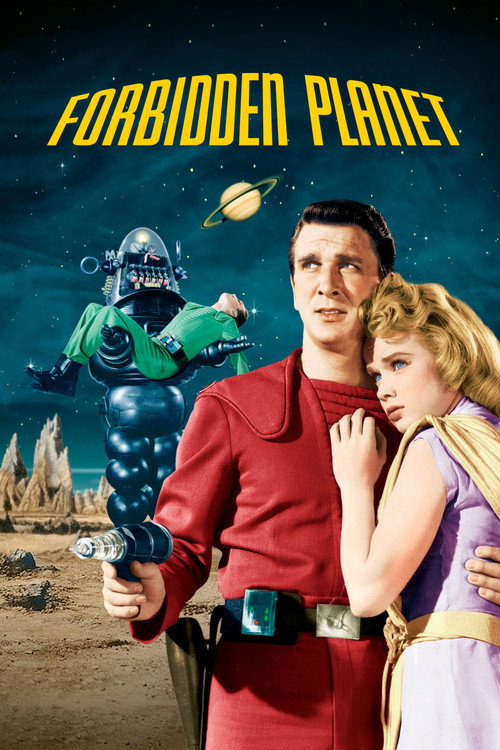
Forbidden Planet1956
A Shakespearean alien-world story in full Technicolor, with real production design and a synth score that still sounds like the future. It shows what sci-fi could be when budgets went up.
But It's much glossier and less eerie than the film you're exploring. If you love the grain and creep, this might feel too polished.
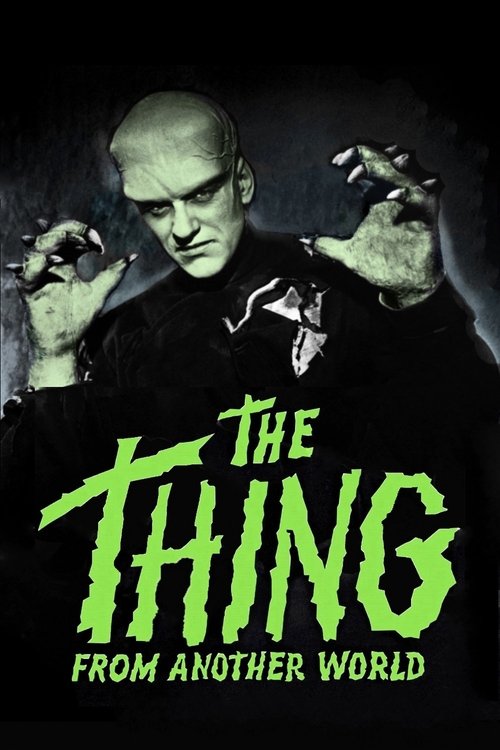
The Thing from Another World1951
Alien horror in an isolated outpost, shot in black-and-white with mounting tension and ensemble paranoia. A creature is loose; the cold is as much the enemy as the thing itself.
But It trades the thoughtfulness of *It Came from Outer Space* for pure survival horror. Pacing is slower by modern standards.
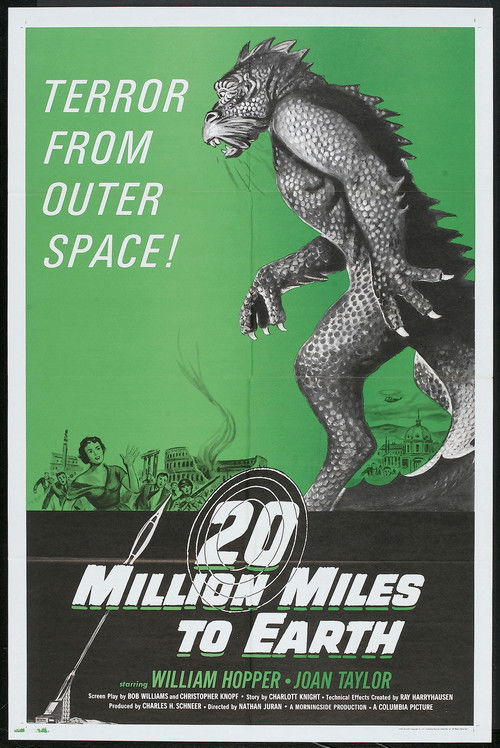
20 Million Miles to Earth1957
Another 1950s space-creature film, this one about a Venusian organism brought back to Earth. Ray Harryhausen's stop-motion effects are hypnotic, and the moral complexity sits alongside the monster-movie fun.
But It's very much a B-movie, and the science doesn't hold up. If you need coherent logic, it won't deliver.
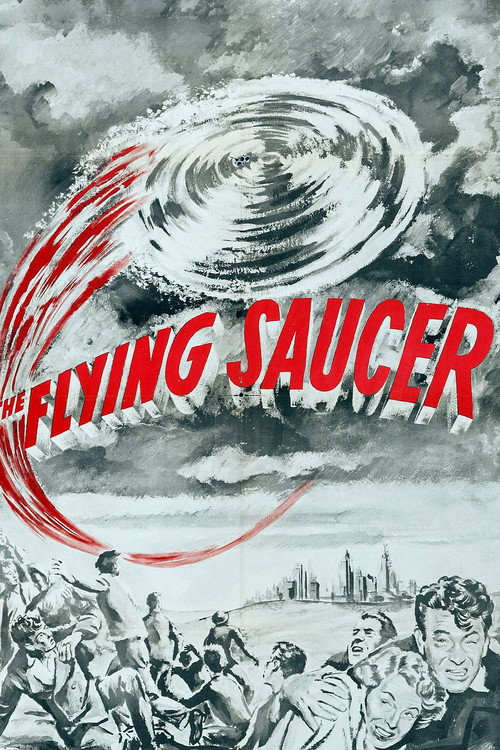
The Flying Saucer1950
An earlier UFO thriller about a flying saucer discovered over Alaska, caught between Cold War paranoia and genuine mystery. It captures the period when nobody quite knew what UFOs meant.
But It's shot cheaply and the pacing drifts. The plot doesn't always know where it's going.
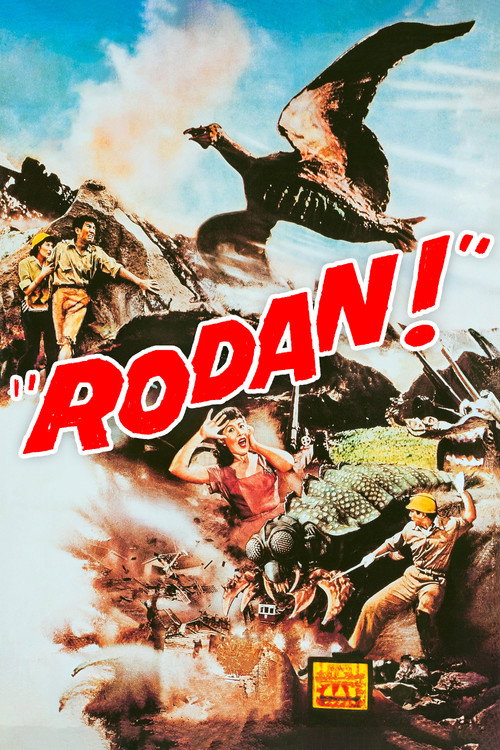
Rodan1956
A Japanese sci-fi film about creatures awakened by nuclear testing—thoughtful monster cinema made with real sets and miniatures. It shares the sense of humans confronting an incomprehensible force.
But Subtitled, and the monster-movie framework might feel less cerebral than what you've just watched.
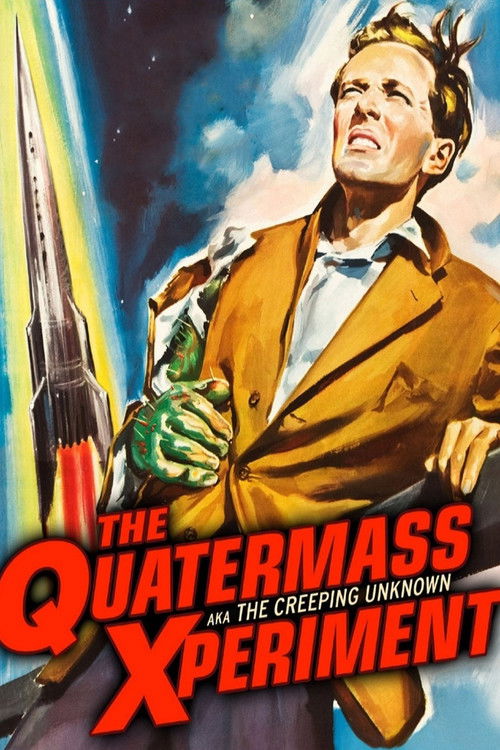
The Quatermass Xperiment1955
British sci-fi horror about a returning spacecraft and what comes back inside it. Pulpy but intelligent, with a sense that the universe is genuinely hostile and unknowable.
But The body-horror elements are grotesque for 1955 and may feel dated. It's grimmer than you'd expect.
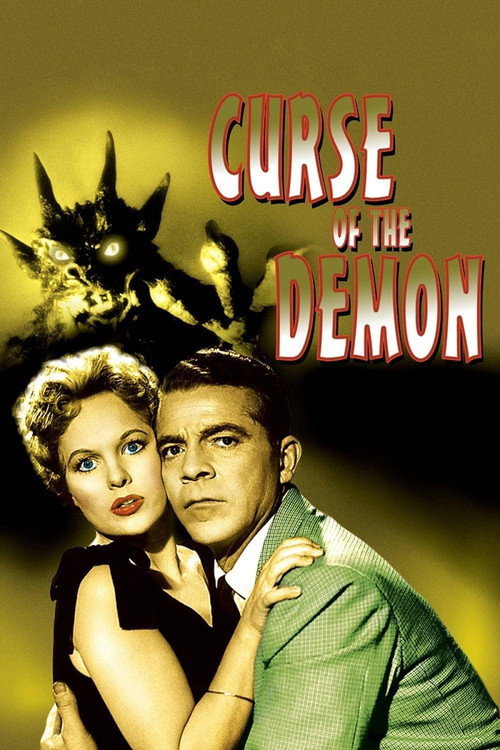
Night of the Demon1957
Both centre on a protagonist who sees something nobody else will believe, in a small community where disbelief is a form of self-protection. The genre label is different, but the moral isolation is identical.
A skeptic investigating a cult runs into genuine supernatural horror shot in crisp black-and-white. It has the same DNA as *It Came from Outer Space*—a rational person confronting proof of the irrational—but swaps aliens for occultism.
But It's quite frightening and sustained in that fright. If you want wonder rather than dread, this swings the other way.
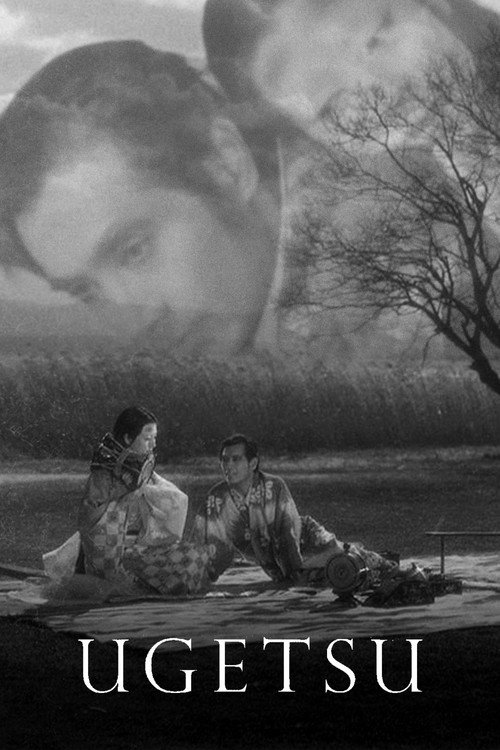
Ugetsu1953
Both films refuse easy genre labels and use a mysterious 'other' to ask questions about who we are and what we want. Where *It Came from Outer Space* asks whether the alien can be understood, *Ugetsu* asks whether desire blinds us to truth. Both are patient, both are visual, both are made by filmmakers more interested in mood than plot.
A Japanese film released the same year, about desire and the uncanny in wartime—two men encounter supernatural women in a landscape half-dream, half-history. It's dreamy, gorgeously shot, and operates on mood rather than plot. Utterly strange and utterly worth it.
But There's no plot in the sense you're used to. It's slow, elliptical, and emotional rather than narrative-driven. Subtitled, black-and-white, and demands patience.
People
Cast
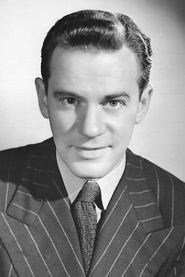 Richard CarlsonJohn Putnam
 Barbara RushEllen Fields
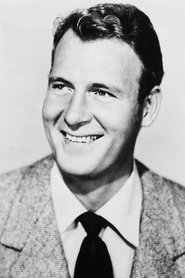 Charles DrakeSheriff Matt Warren
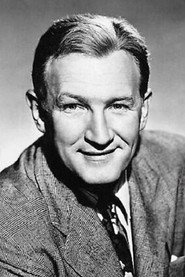 Joe SawyerFrank Daylon
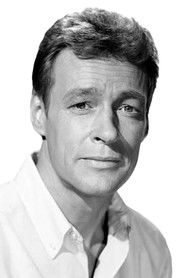 Russell JohnsonGeorge
 Kathleen HughesJane Dean
 Dave WillockPete Davis (uncredited)
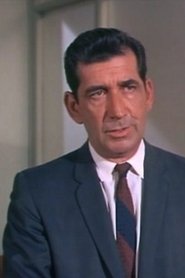 Alan DexterDave Loring (uncredited)
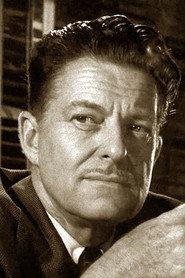 George EldredgeDr. Snell (uncredited)
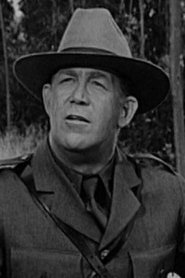 Edgar DearingSam, a hobo (uncredited)
- George SelkTom, a hobo (uncredited)
- Bradford JacksonBob, Snell's assistant (uncredited)
Directing
- Joseph E. KenneyAssistant Director
- Jack ArnoldDirector
Writing
- Harry EssexScreenplay
- Ray BradburyStory
Production
- William AllandProducer
Recommended by
Invaders from Mars, The Thing from Another World, High Anxiety, The Space Children, Earth vs. the Flying Saucers, Phantom from Space, The Thing That Couldn't Die, Donovan's Brain, Attack of the 50 Foot Woman, Flight to Mars, The Monolith Monsters, Killers from Space, The Beast with a Million Eyes, Abbott and Costello Go to Mars, Kiss Me Goodbye, Teenagers from Outer Space, The Killer Shrews