
Film
Flight to Mars
A 1951 space opera where scientists and a reporter crash-land on Mars to discover a seemingly welcoming alien civilization. It's earnest, brightly colored, and lovingly devoted to mid-century visions of the future—all sliding guitars and optimistic dialogue. For anyone charmed by old sci-fi's sense of wonder before cynicism arrived.
If you liked this
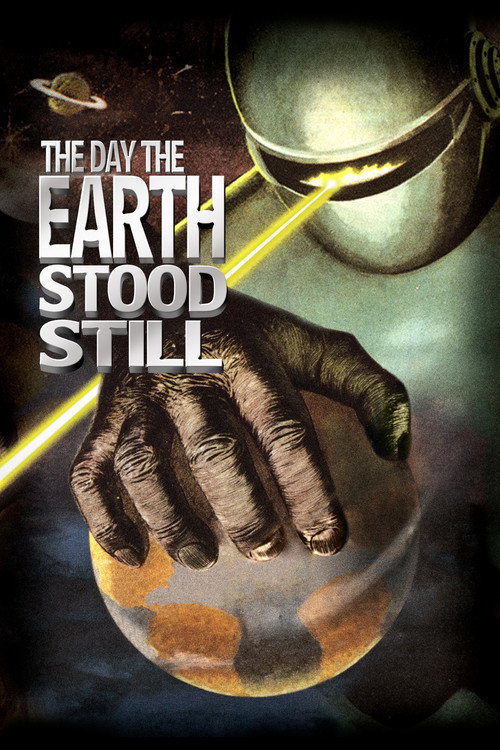
The Day the Earth Stood Still1951
Released the same year, this is what serious 1950s sci-fi looked like: thoughtful, tense, and genuinely worried about humanity's future. A UFO lands and threatens everything, but the film trusts its audience to think.
But It moves slowly by modern standards and the moralizing can feel heavy-handed. Some find the ending preachy rather than stirring.
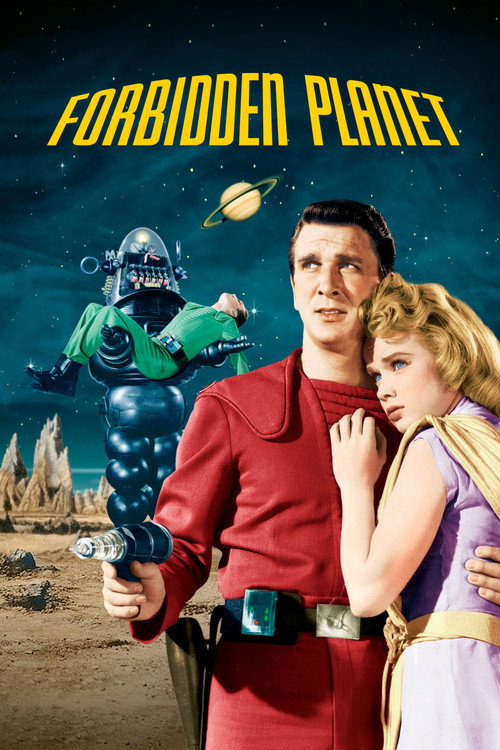
Forbidden Planet1956
The gold standard of 1950s space opera—lush sets, a robot companion (Robby), Shakespeare via the stars. It has the same earnest adventure DNA but with triple the budget and genuine mystery at its heart.
But The gender politics are very much of the era, and the final act veers into melodrama. The pacing drags in the middle.
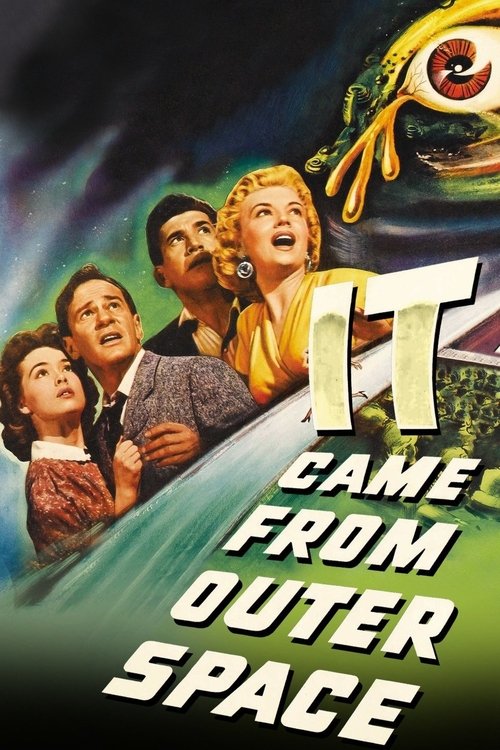
It Came from Outer Space1953
Friendly aliens and small-town paranoia in 3D: a more paranoid take on first contact that still has that golden-age sci-fi charm. It's genuinely unsettling while remaining fundamentally humanistic.
But The resolution is overly neat and the budget shows. It's short enough to feel slight, and some plot threads just vanish.
Not sure tonight? Get a pick in a minute, starting from Flight to Mars
The wildcard
Something you would not have found on your own.
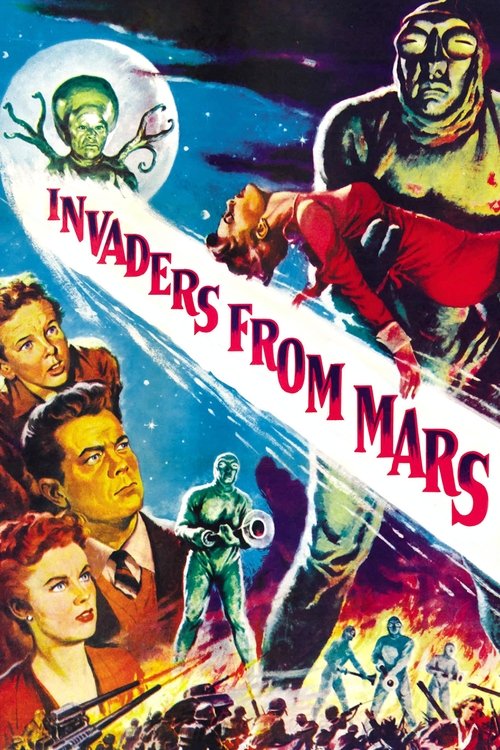
Invaders from Mars1953
Both posit benevolent first contact, but Invaders from Mars knows it's a lie from frame one. Where Flight to Mars trusts the Martians, this film makes paranoia the only rational response to the unknown.
A boy watches Martians burrow under his town and take over the adults. It's a sci-fi film shot like a fever dream—lurching perspective, neon colors, genuine wrongness. The alienness feels *alien*, not just humanoid with antennae.
But It's deliberately disorienting and the budget constraints show badly in some scenes. Some find it incoherent rather than dreamlike, and the child protagonist can grate.
More like this (8)
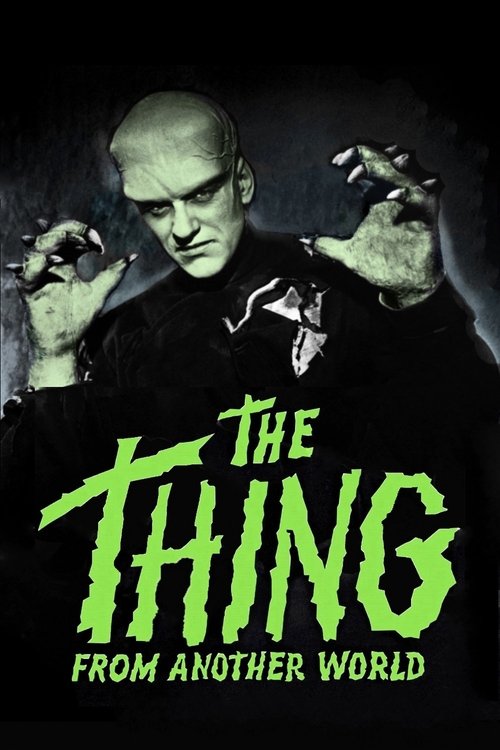
The Thing from Another World1951
Another 1951 release, but this one is a tense creature feature set in the Arctic. It captures that era's mixture of scientific curiosity and primal fear, with snappy dialogue and real stakes.
But The pacing is uneven and the creature itself disappoints when you finally see it. The science is nonsense even by period standards.
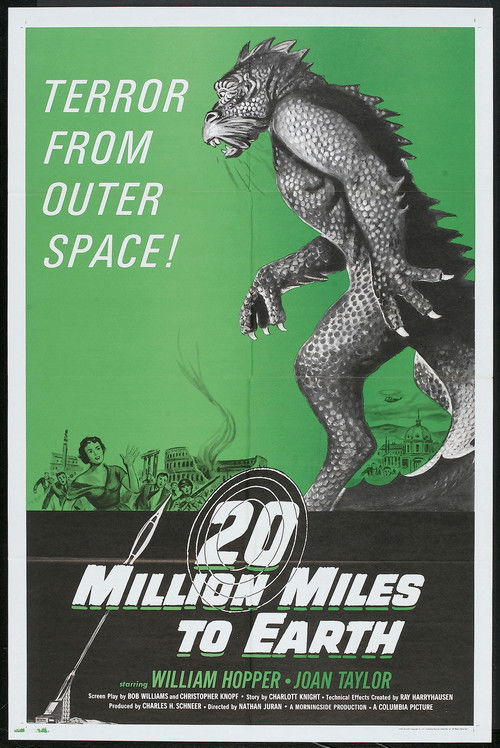
20 Million Miles to Earth1957
Ray Harryhausen stop-motion magic meets Venus exploration. It's playful, visually inventive, and moves briskly. The creature design is iconic and the adventure feels genuine.
But The plot is thin, the acting is functional at best, and the monster rampage ending feels rushed. It's a showcase for effects rather than story.
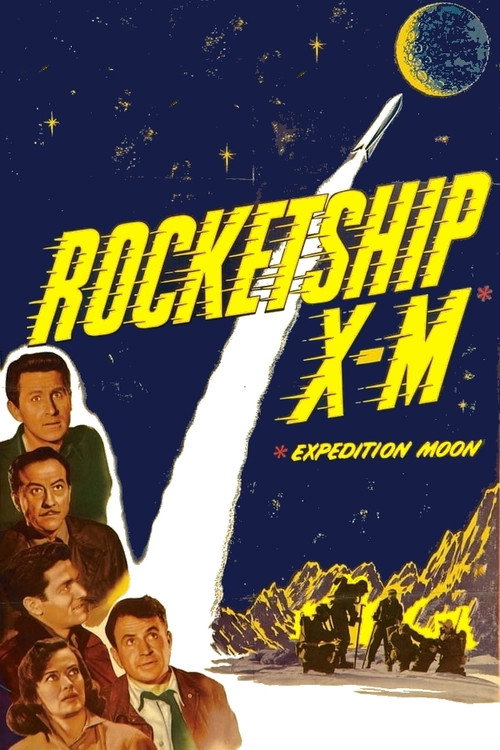
Rocketship X-M1950
Humanity's first Mars expedition goes catastrophically wrong. It predates Flight to Mars and shares its space-opera DNA, but with more genuine peril and a willingness to end darker.
But The special effects are notably cheap even for 1950, and the script creaks audibly. Long stretches feel like filler between the set pieces.
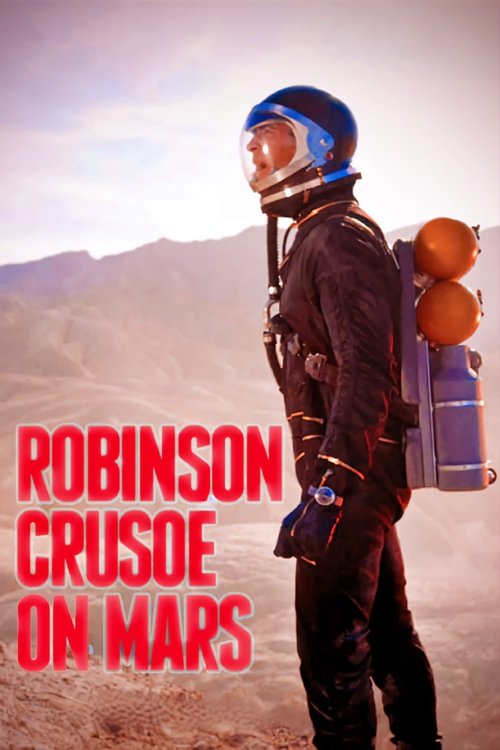
Robinson Crusoe on Mars1964
A stranded astronaut survives alone on Mars using ingenuity and persistence. It's surprisingly philosophical about isolation and adaptation, with real tension and color cinematography that still holds up.
But It's very slow and meditative—not an action film. Some find the alien subplot tacked on and unconvincing, and the runtime feels padded.
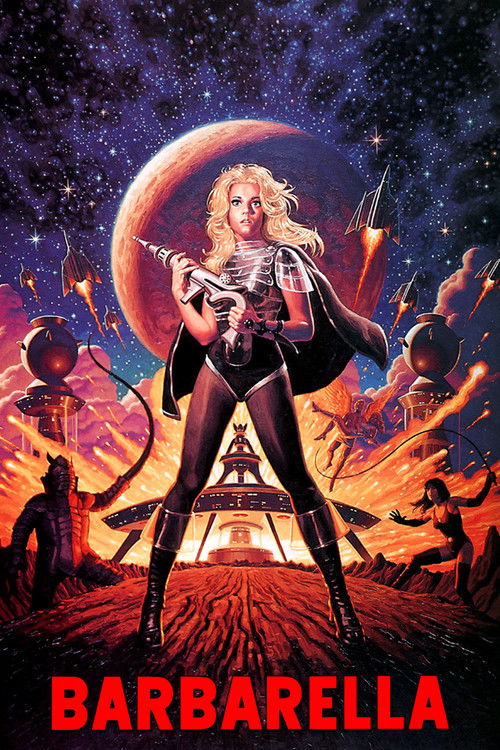
Barbarella1968
If you love the campy, colorful energy of 1950s space visions but want it cranked to eleven, this is peak retro-futurism. Jane Fonda in a plastic universe, having adventures, falling into traps, looking fabulous.
But It's deliberately silly in a way that requires buying in completely. The plot barely exists and the pacing is indulgent. If you take it seriously, you'll hate it.
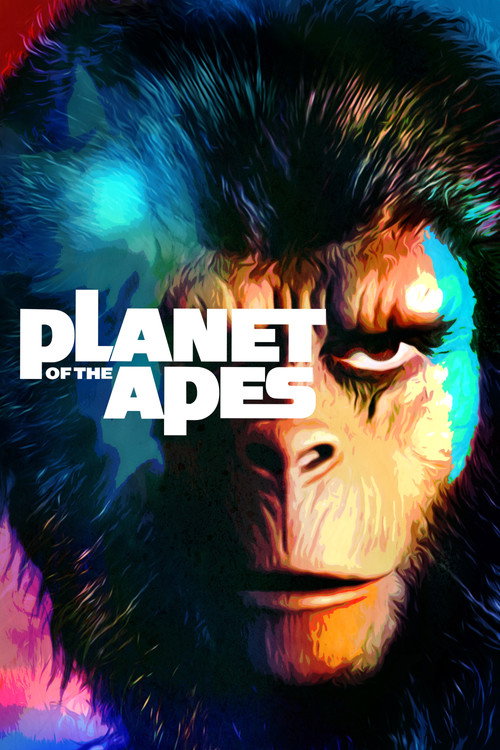
Planet of the Apes1968
A astronaut crash-lands on an alien world and discovers he's been home all along. It's the thinking person's space-travel film: sharp social commentary dressed as sci-fi adventure, with a knockout ending.
But The makeup looks dated and some scenes feel stagey. The sequels poisoned it for some, and the twist is famous enough now that surprise is gone.
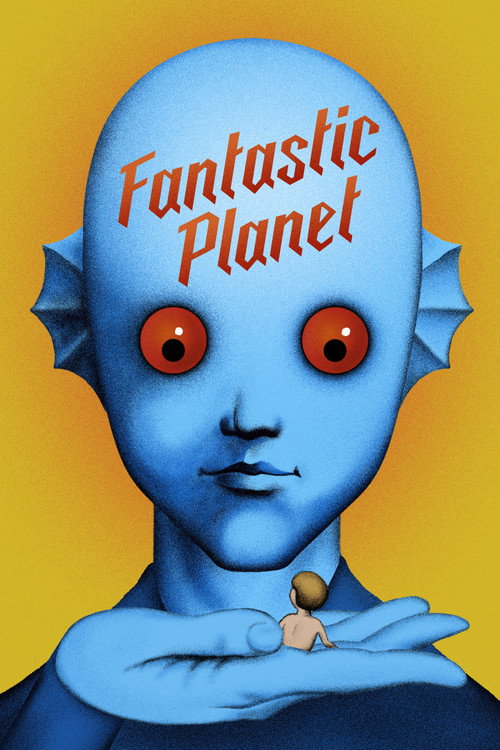
Fantastic Planet1973
Both films ask what happens when humans meet an advanced civilization on another world, but Fantastic Planet strips away comfort and politics to show the meeting as sheer *strangeness*. It's the pessimistic, artistic inverse of Flight's optimism.
A visually stunning French-Czech animated film: humans enslaved by giant blue aliens on a surreal planet. Stop-motion and abstract art collide. It's hypnotic, strange, and genuinely haunting. No dialogue for long stretches.
But It's slow and oblique—interpretation is required rather than given. The animation is deliberately artificial and some find it tedious. Subtitles required and the ideology is didactic.
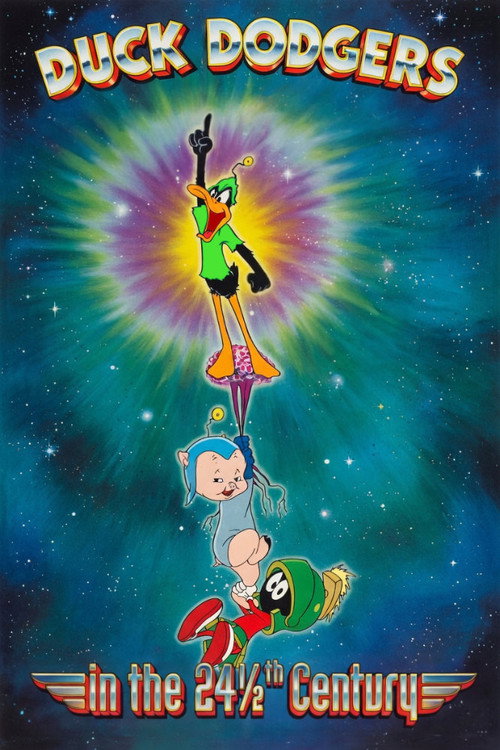
Duck Dodgers in the 24½th Century1953
This is what Flight to Mars looked like to smart people in 1953—earnest men in shiny suits greeting aliens in primary colors. Looney Tunes recognized the absurdity and made something better from it. Both are time capsules; one knows it is.
Daffy Duck and Porky Pig spaceman adventures in seven minutes of pure comedic invention. Every frame is stuffed with jokes, the animation is brilliant, and it's a direct parody of everything Flight to Mars represents.
But It's a cartoon, which some dismiss automatically. The humor is sometimes too fast or too obscure. If you don't find Daffy's chaos charming, it'll just annoy you.
People
Cast
 Arthur FranzDr. Jim Barker
 Virginia HustonCarol Stafford
 Cameron MitchellSteve Abbott
 John LitelDr. Lane
 Richard GainesProf. Jackson
 Morris AnkrumIkron
 Marguerite ChapmanAlita
- Lucille BarkleyTerris
 Robert BarratTillamar
 Edward EarleJustin (uncredited)
 William ForrestGeneral (uncredited)
 David BondRamay (uncredited)