
Film
The Flying Saucer
A 1950 Cold War spy thriller that treats UFOs as a MacGuffin for CIA-versus-KGB intrigue. Mike Trent and Vee Langley investigate saucer sightings in Alaska while dodging Soviet operatives. It's pulpy, briskly paced, and played entirely straight—earnest B-movie fun with the paranoia and espionage furniture of its moment.
Should you watch it?
Watch it if you love cheap, earnest 1950s science fiction where the charm lies in its stiff dialogue, pulpy spy games and sincere belief in its own cold-war paranoia.
Skip it if you need modern pacing or polished effects, since the saucer is a dated prop and the middle stretches out with talky scenes between the leads and the bumbling rival agents.
What it asks of you: It runs a brisk sixty-nine minutes and asks for patience with old-fashioned acting and slow stretches, while rewarding a viewer who enjoys goofy, earnest B-movie sincerity.
Not sure? Find tonight's pick in a minute.
If you liked this
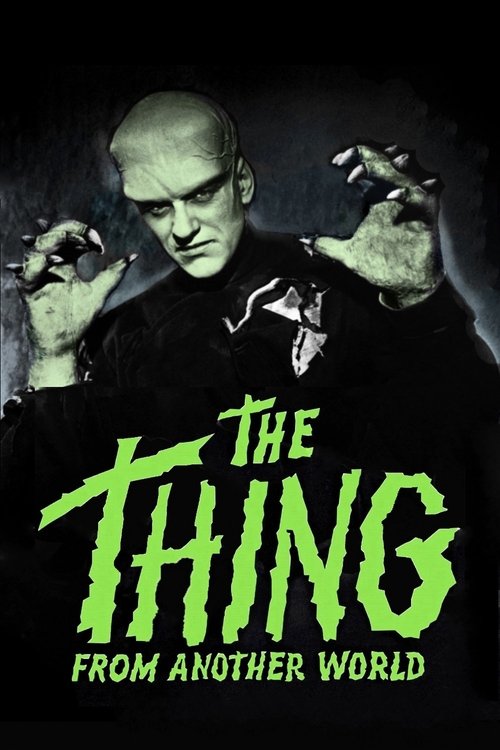
The Thing from Another World1951
A taut, paranoid sci-fi thriller with the same Cold War-meets-alien premise but tighter plotting and genuine tension. The isolated setting and enemy-within atmosphere nail what The Flying Saucer only gestures at.
But The pacing is slower and more methodical. You'll want plot propulsion; this one prefers dread.
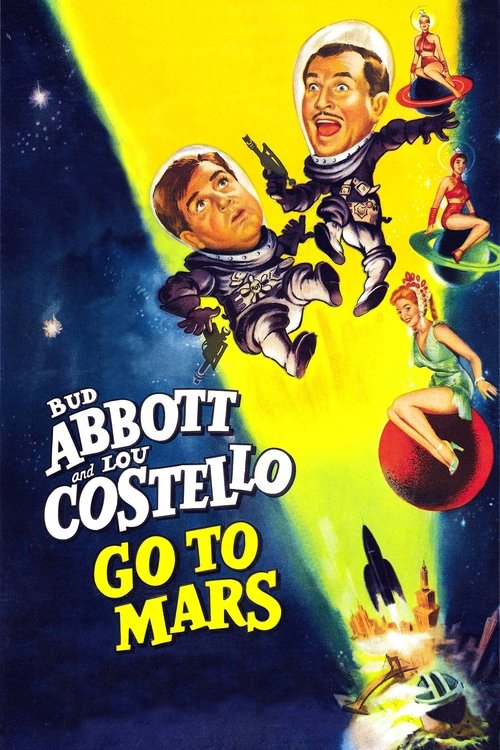
Abbott and Costello Go to Mars1953
Comic relief spacemen in a flying saucer comedy that shares the same era and tone—UFO hysteria played for laughs instead of stakes. The slapstick and that particular 1950s oddball energy are irresistible.
But It's a comedy. If you came for serious spy drama, the constant gags will derail you.
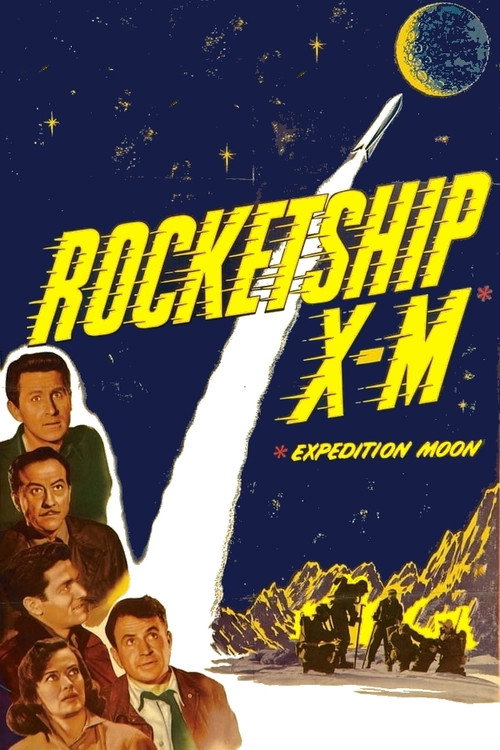
Rocketship X-M1950
Released the same year, another pulp sci-fi film about space exploration that captures that exact flavor of postwar optimism mixed with nuclear-age dread. The craftsmanship is honest and unpretentious.
But The effects haven't aged as well as some. Long stretches are static and talk-heavy.
Not sure tonight? Get a pick in a minute, starting from The Flying Saucer
The wildcard
Something you would not have found on your own.
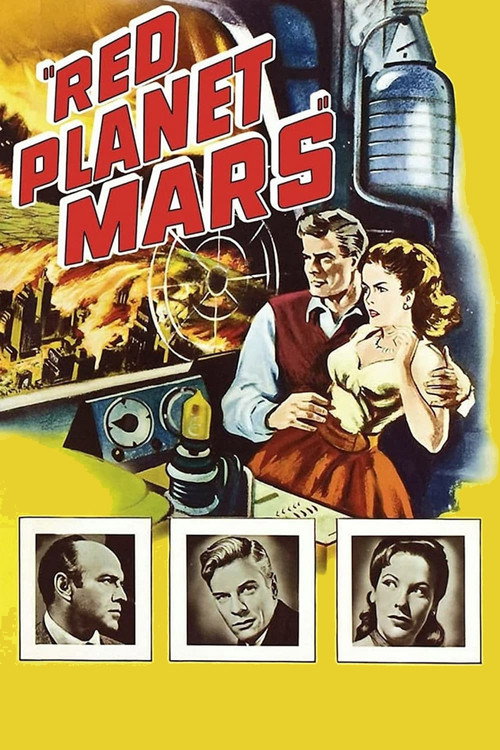
Red Planet Mars1952
Both use sci-fi concepts as scaffolding for Cold War ideology—aliens and UFOs are really about communism versus capitalism. Red Planet Mars just makes that subtext wildly explicit and adds God.
A genuine oddity: space exploration as theological Cold War fever dream. Martian radio signals, nuclear paranoia, and God are somehow all the same movie. It's sincere and strange in ways mainstream sci-fi rarely dares.
But The religious messaging is heavy-handed and earnest. If faith-based sci-fi makes you wince, this will test you.
More like this (8)
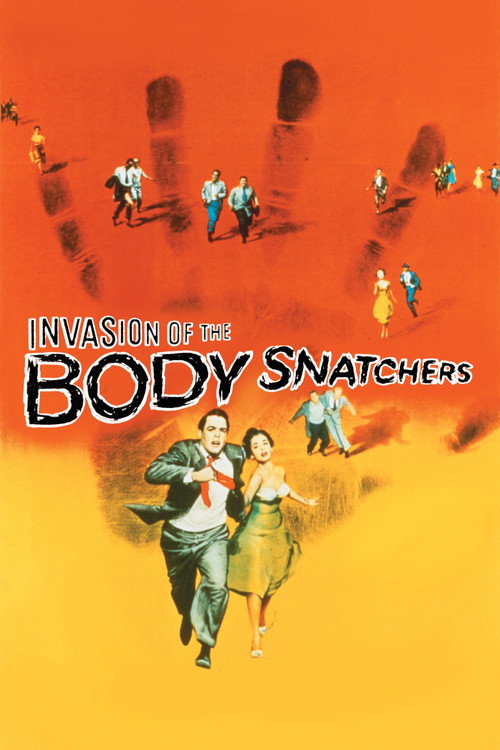
Invasion of the Body Snatchers1956
The gold standard of 1950s paranoia sci-fi—Soviet infiltration anxiety channeled into something genuinely unsettling. It takes the spy-versus-spy premise seriously and makes it matter.
But It's bleak in ways The Flying Saucer never attempts. The tone is dread, not adventure.
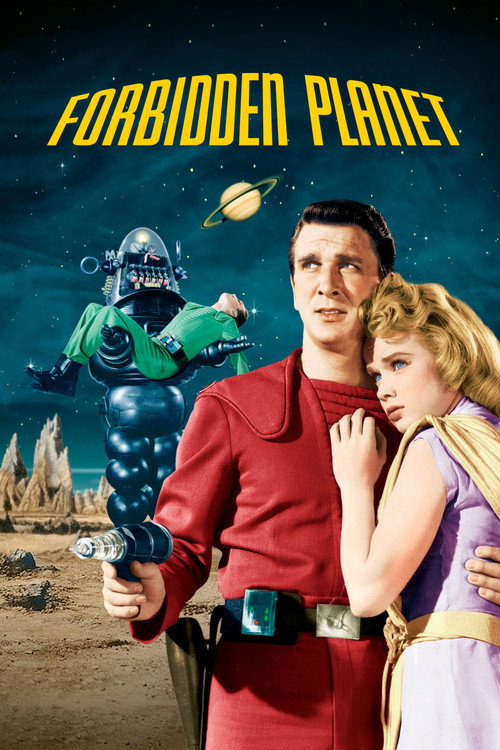
Forbidden Planet1956
A prestige sci-fi production that shows what the genre could do with budget and ambition. Still playful, but with stronger science fiction concepts and more sophisticated storytelling.
But It's slower paced and more talky about its ideas. Not everyone wants a philosophy seminar with their flying saucers.
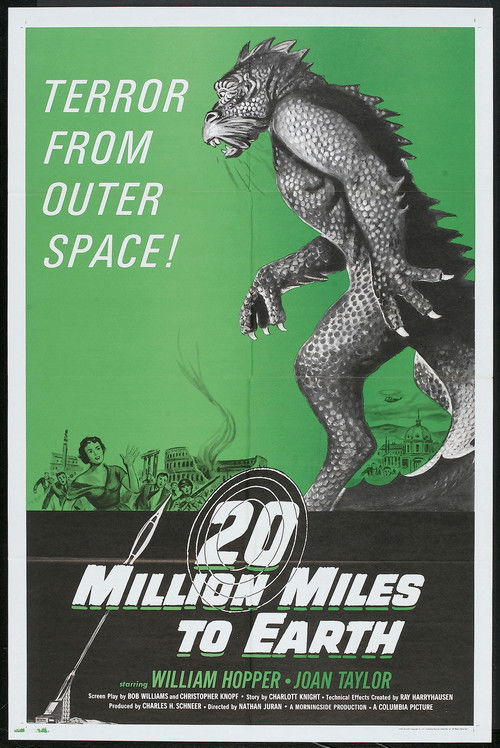
20 Million Miles to Earth1957
A creature-feature with genuine style—a space mission gone wrong, practical effects by Ray Harryhausen, and that same postwar optimism shadowed by threat. Compact and entertaining.
But The script is functional rather than clever. You're here for the creature and spectacle, not sparkling dialogue.
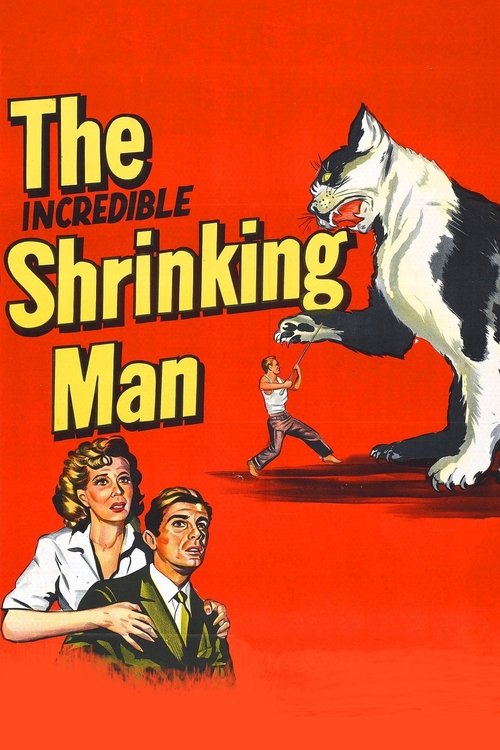
The Incredible Shrinking Man1957
A philosophical B-movie that takes an absurd premise seriously. The production values are lean, but the ideas are substantive—a genuine meditation on identity wrapped in a genre package.
But It gets existential and sad. The adventure-serial energy you might want is overwhelmed by existential crisis.
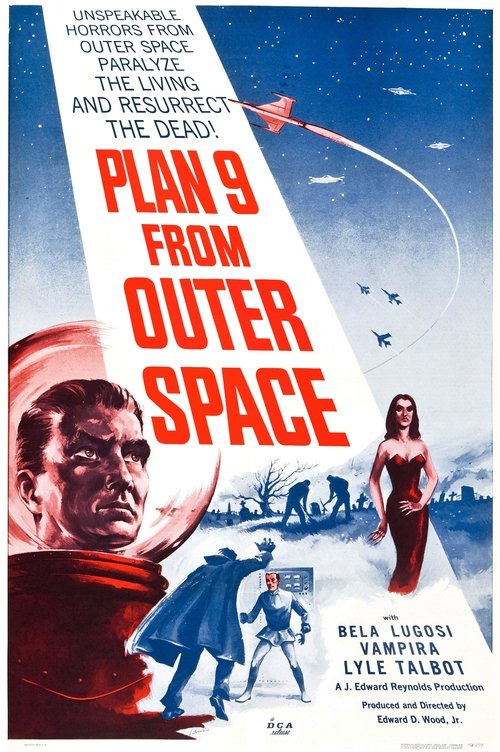
Plan 9 from Outer Space1957
Ed Wood's incompetent masterpiece—aliens, zombies, flying saucers, and absolute sincerity in service of incoherent plot. It's fascinating exactly because nothing works; the chaos is the charm.
But It's a genuinely bad film. If you need competent filmmaking, this will frustrate you badly.
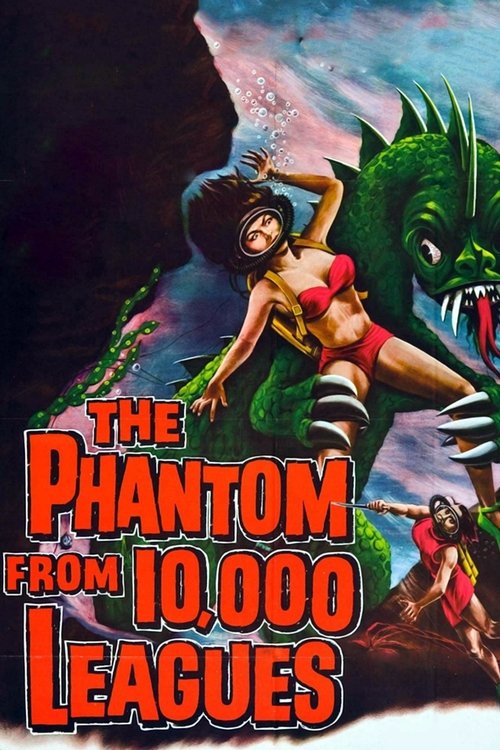
The Phantom from 10,000 Leagues1955
Another B-picture sci-fi outing about military and scientific investigators dealing with unknown threats. The same era, the same earnest low-budget approach, similar plot DNA.
But It's slow and creaky. The menace is rarely onscreen; mostly you watch people discuss it in offices.
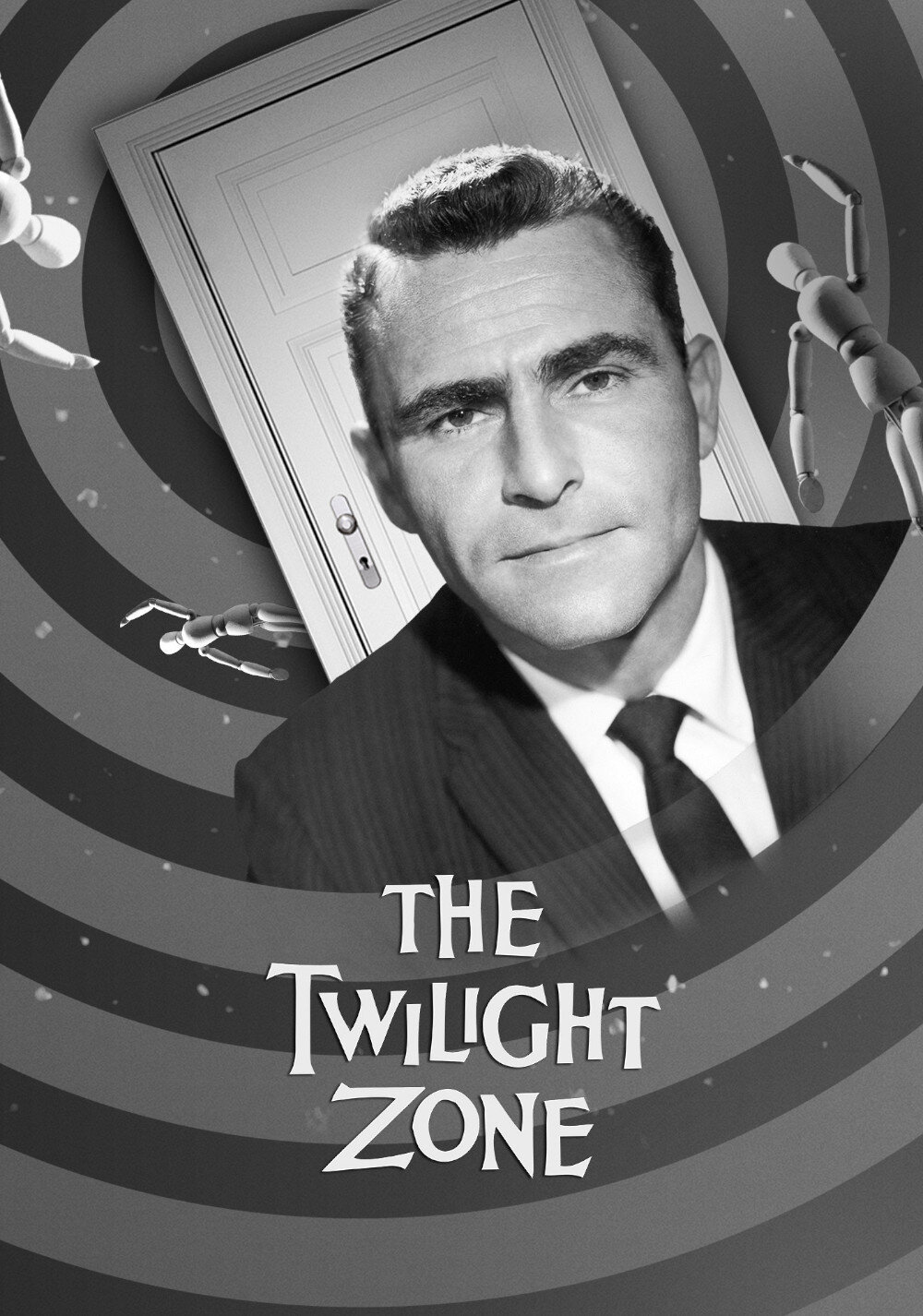
The Twilight Zone1959
Both are products of the atomic age—the specific moment when UFOs, communism, and the unknown felt like imminent threats. But The Twilight Zone weaponizes that anxiety into art; The Flying Saucer just plays in it.
Serling's anthology series captures the same paranoid 1950s sci-fi mood but with intellectual precision and genuine bite. Each episode is a locked puzzle-box. The writing is sharp and the ideas actual ideas.
But It's episodic. There's no continuity or character arc; you need to like short stories more than novels.
Stalker1979
Both take the UFO/unknown as a prop for exploring what humanity actually wants. But where The Flying Saucer asks 'Who gets to find it first?', Stalker asks 'Do we deserve what we're seeking?' It's the same genre engine running on opposite fuel.
A Soviet science-fiction film about desire, mystery, and the unknown. Three men journey into an impossible zone for a wish. It's philosophical and hypnotic, but also deeply alien—another country's relationship with sci-fi concepts entirely.
But It's very slow, very long, in Russian, and meditative rather than plot-driven. It will test your patience, but that's the point.

People
Cast
 Mikel ConradMike Trent
- Pat GarrisonVee Langley
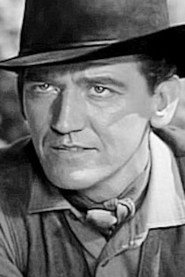 Earle LyonAlex Muller
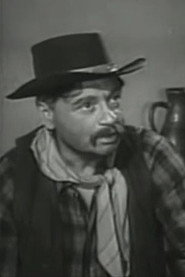 Lester SharpeCol. Marikoff
 Russell HicksHank Thorn
 Frank DarienMatt Mitchell
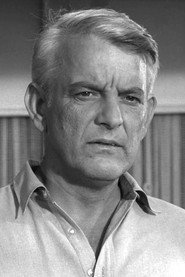 Denver PyleTurner
- Roy EngelDr. Carl Lewton
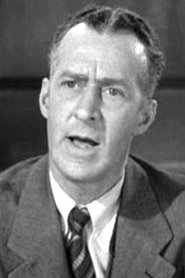 Garry OwenBartender at Ernie's
 Virginia HewittNanette
 George BaxterFred Burnside
Directing
- Geraldine WrightContinuity
- Mikel ConradDirector
Writing
- Mikel ConradOriginal Story
- Howard Irving YoungScreenplay
Production
- Morris M. WeinAssociate Producer
- Mikel ConradProducer
- Lincoln A. WidderProduction Manager