
Film
High Anxiety
Mel Brooks's love letter to Hitchcock, filtered through psychiatric bedlam. A neurotic shrink with a crippling fear of heights stumbles into a sanatorium where the doctors are the real patients—scheming murderers hiding behind clipboards and Freudian jargon. It's broad comedy built on meticulous homage, slapstick colliding with genuine thriller mechanics. For anyone who loves jokes that land like slapstick pie-in-the-face and actually knows who Hitchcock is.
If you liked this
Singin' in the Rain1952
The DNA of all great movie comedy: perfect ensemble timing, ridiculous scenarios played straight, and a willingness to let the joke breathe. Gene Kelly, Donald O'Connor, and the film itself seem genuinely delighted to be there.
But It's a musical, and if that word makes you reach for the remote, this won't change your mind. The plot is gossamer-thin by design.

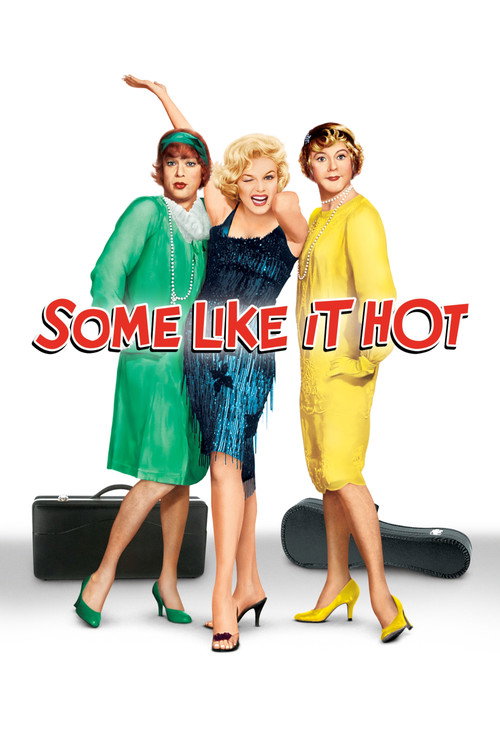
Some Like It Hot1959
Wilder's masterpiece of comedy architecture—every joke lands because it's built on character and situation, not just gags. Billy Wilder knew that the funniest thing is a smart person in an impossible position, trying not to crack.
But It moves at a breakneck pace that can exhaust you if you're tired. Also, some of the gender comedy feels dated in ways that matter.
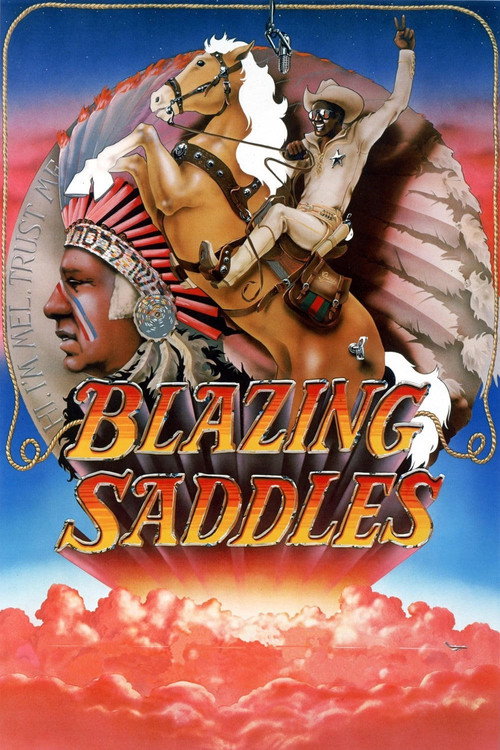
Blazing Saddles1974
Brooks at his anarchic peak, swinging for the fences with every scene. Fearless in a way modern comedy rarely is, and endlessly inventive—it doesn't just make fun of Westerns, it deconstructs film grammar itself while you're laughing.
But It's aggressively offensive by design, and the offensiveness doesn't always serve a point. Some jokes feel dated; some feel timeless; it's genuinely hard to separate the two.
Not sure tonight? Get a pick in a minute, starting from High Anxiety
The wildcard
Something you would not have found on your own.
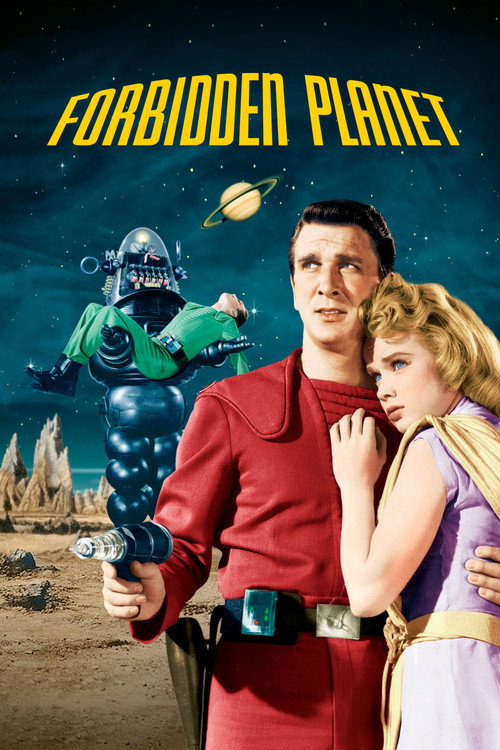
Forbidden Planet1956
Both are comedies about authority figures (doctors, starship captains) undone by their own neuroses and the institutions they oversee. Both love the thing they're parodying.
Brooks worshipped mid-century sci-fi sincerity, and this is where high-anxiety absurdity lives in genuine form: a space opera with Freudian monsters, a Shakespeare adaptation masquerading as pulp adventure, and Walter Pidgeon playing a man driven mad by his own id. It's High Anxiety's spiritual ancestor.
But The special effects and gender politics are both period pieces. The pacing is stately, the drama earnest to a fault—it doesn't undercut itself.
More like this (8)
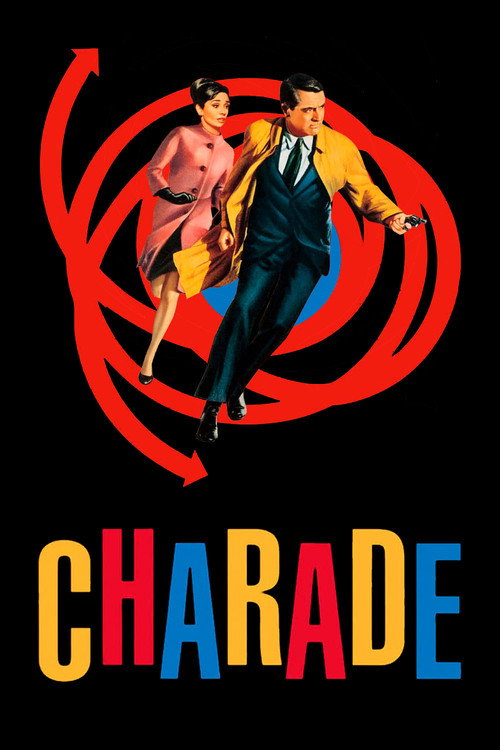
Charade1963
Donen's thriller-comedy hybrid where the mystery genuinely matters and the laughs come from character chemistry, not schmaltz. Audrey Hepburn and Cary Grant demonstrate what happens when movie stars are also good actors.
But If you're expecting either pure comedy or pure thriller, you'll feel jerked around. The tonal shifts are the whole point, which is risky.
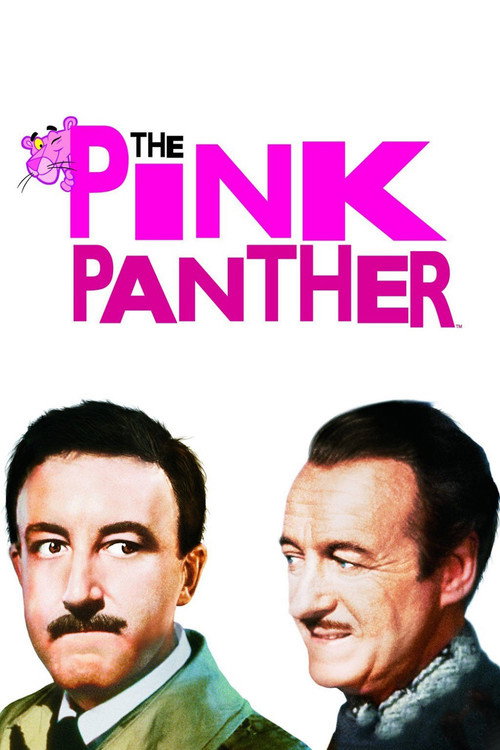
The Pink Panther1963
Peter Sellers' Clouseau is a masterclass in physical comedy—a man of absolute conviction bumbling through scenarios that would humiliate anyone else. The mystery subplot is real; the comedy is real. They coexist.
But The sequels were dreadful, which can sour the original. Some of the comedy plays as slapstick rather than clever, which won't land for everyone.
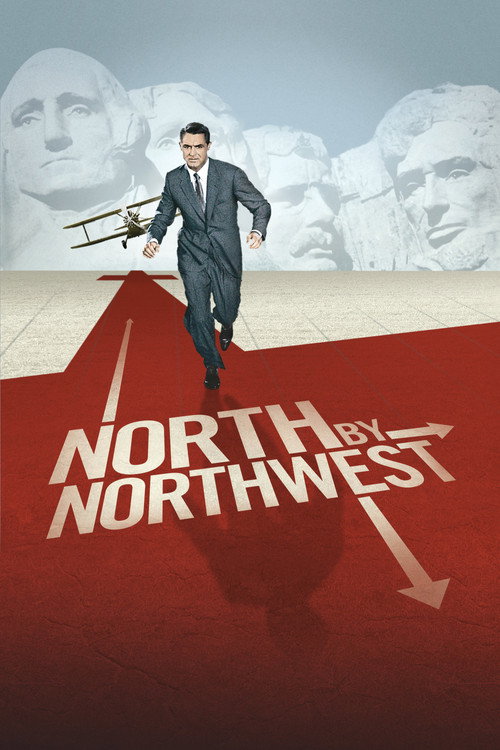
North by Northwest1959
Hitchcock proving that a thriller can be wildly entertaining without sacrificing suspense. Cary Grant's everyman wrongly accused, a crop-duster sequence that rewrites what action can do, and genuine laughs between the murders.
But If you see it after knowing every Hitchcock reference made in 50 years of media, some of the power dissipates. The first viewing is the one that matters.
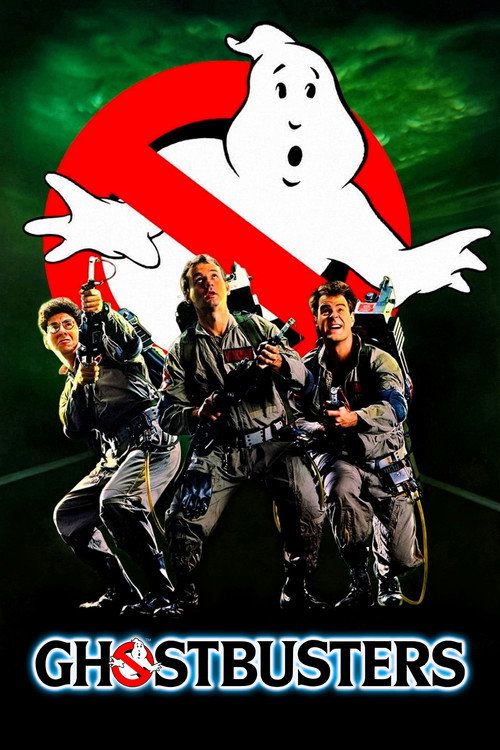
Ghostbusters1984
Ivan Reitman's perfect balance of character comedy, genuine scares, and the kind of high-concept execution that makes sequels look embarrassing. Bill Murray, Dan Aykroyd, and Harold Ramis firing on all cylinders.
But It's been quoted to death, which means the jokes land slightly softer now. You've heard them before, even if you've never seen it.
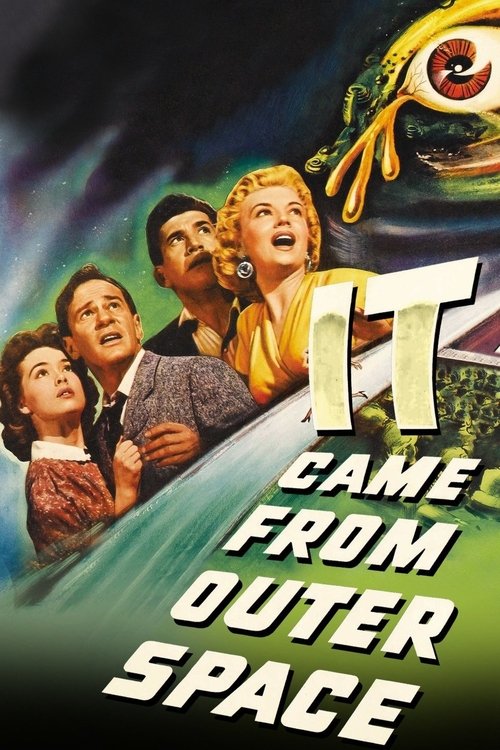
It Came from Outer Space1953
Aliens in Arizona, shot in 3D, with real paranoia and genuine weirdness underneath. Ray Bradbury's script keeps the danger credible even when the premise is bonkers. Early sci-fi comedy that doesn't wink at the audience.
But The special effects are primitive and the pacing feels deliberate in a way modern audiences find slow. You have to let it breathe.
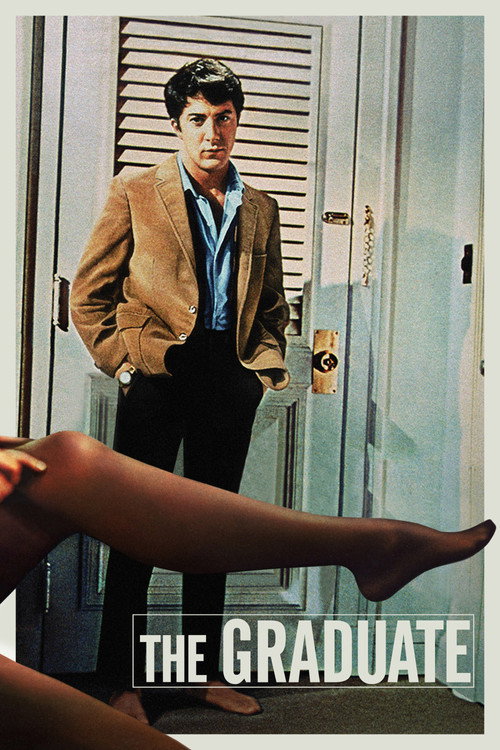
The Graduate1967
Nichols' satire of suburban American life, with Dustin Hoffman as a blank slate perfect for projecting every anxiety about adulthood. The comedy is subversive—laughing at the characters, not with them. Real sympathy underneath.
But The second half is less sharp than the first. By the ending, you're in melodrama territory, and the film seems aware of it but committed anyway.
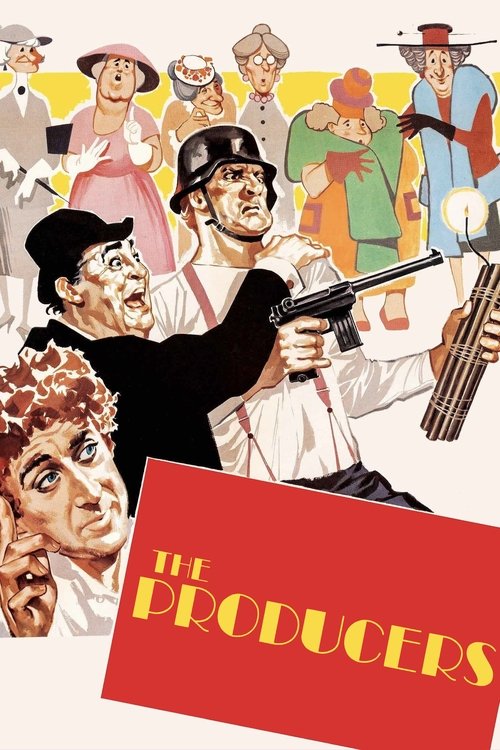
The Producers1968
Same director, same era, same understanding that the funniest thing is watching smart people scheme. High Anxiety is Brooks with a throttle; The Producers is Brooks with no brakes.
Mel Brooks's first film, pure and unfiltered. Zero restraint about taste, anarchic energy that feels genuinely dangerous, and a weird affection for the people it's destroying. Zero Mostel and Gene Wilder are magnificent. It's Brooks before Brooks knew he was marketable.
But It's uglier and weirder than High Anxiety—the humiliation is real, the cruelty is real. For some viewers, it crosses from comedy into something meaner than they want.
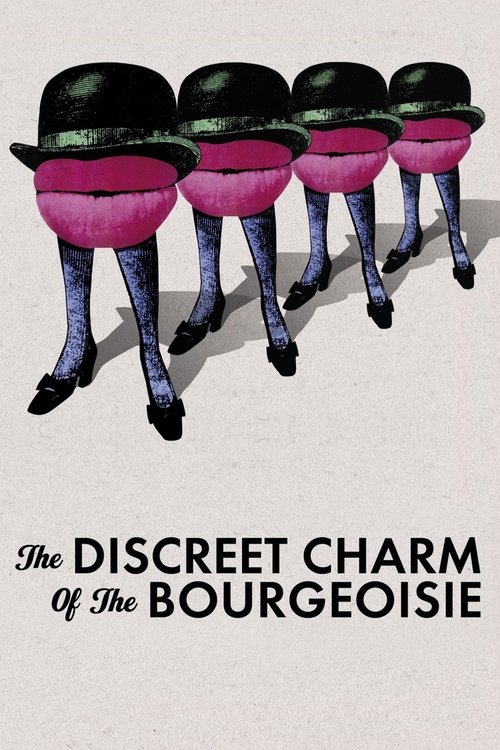
The Discreet Charm of the Bourgeoisie1972
Both attack institutional hypocrisy (psychiatry, bourgeois society) through characters who embody what they're supposedly treating or representing. Both understand that the institutions are the joke, not the individuals.
Buñuel's surrealist satire of respectability and pretense, structured as a series of interrupted dinner parties. It's comedy built on repetition and psychological unease—the characters keep failing at the same basic social ritual, which gets funnier and stranger with each attempt. Nightmarish and hilarious by turns.
But It's not a comedy in the Brooks sense—it's Buñuel, so it's anarchic and unresolved. The humor requires patience and the willingness to sit with discomfort. Some viewers will find it pretentious.
People
Cast
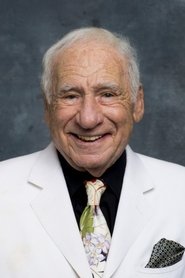 Mel BrooksDr. Richard H. Thorndyke
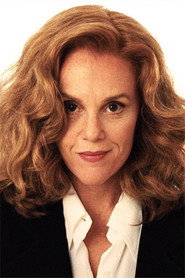 Madeline KahnVictoria Brisbane
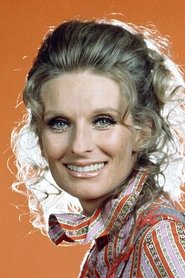 Cloris LeachmanNurse Charlotte Diesel
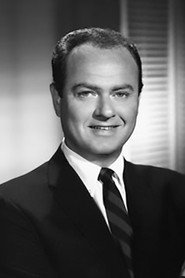 Harvey KormanDr. Charles Montague
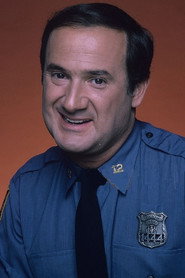 Ron CareyBrophy
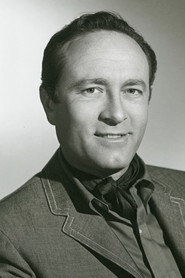 Howard MorrisProfessor Lilloman
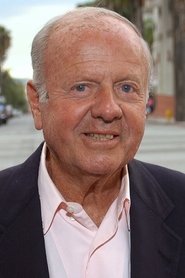 Dick Van PattenDr. Philip Wentworth
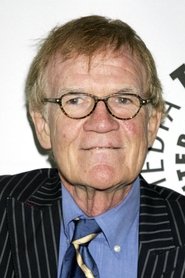 Jack RileyThe Desk Clerk
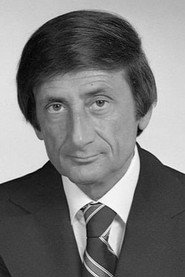 Charlie CallasCocker Spaniel
- Ron ClarkZachary Cartwright III
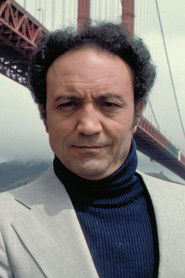 Rudy De Luca'Braces' - Killer
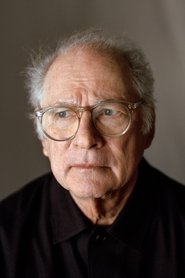 Barry LevinsonDennis - Bellboy
Directing
- Jonathan SangerAssistant Director
- Mel BrooksDirector
- Marie KenneyScript Supervisor
- David SosnaSecond Assistant Director
- Mark JohnsonSecond Assistant Director
Writing
- Barry LevinsonWriter
- Mel BrooksWriter
- Ron ClarkWriter
- Rudy De LucaWriter
Production
- Mel BrooksProducer
- Abe GlazerProduction Accountant
- Ernest B. WehmeyerProduction Manager