
Film
Little Lord Fauntleroy
Other titles called Little Lord Fauntleroy: the 1921 film.
- Drama
- Light-hearted
A Depression-era fairy tale about a poor American boy who discovers he's heir to a British earldom. Freddie Bartholomew's charm and moral clarity soften a curmudgeonly grandfather while the film watches wealth and class dissolve before genuine kindness. It's a genteel fantasy with real emotional stakes, made for anyone who believes goodness matters.
Should you watch it?
Watch it if you love old-fashioned sentimental family pictures built around a sunny child and a crusty old aristocrat, and don't mind the tears being fetched on purpose.
Skip it if you are allergic to angelic children and syrupy sentiment, since the sweetness stays thick and unapologetic for all 102 minutes.
What it asks of you: Roughly an hour and forty minutes of gentle, unhurried scenes that linger on manners and kindly gestures rather than plot turns, so patience pays more than attention.
Not sure? Find tonight's pick in a minute.
If you liked this
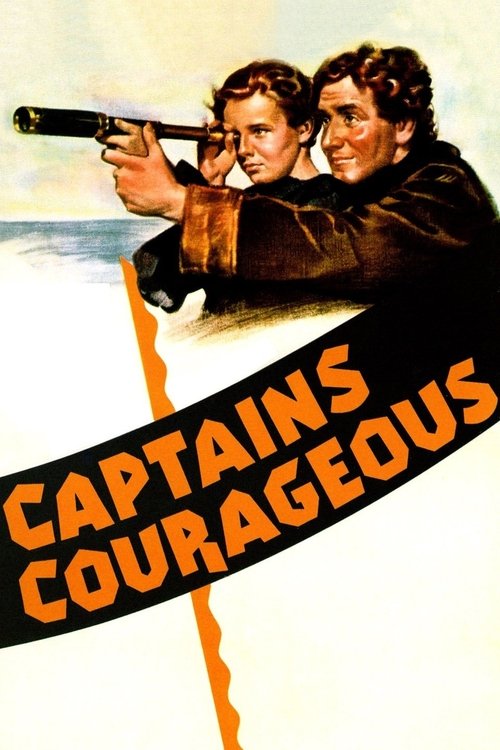
Captains Courageous1937
Freddie Bartholomew again, this time shipwrecked with Spencer Tracy. A spoiled boy learns humility through hardship and genuine human connection, with the same faith in character redemption that makes Fauntleroy work.
But The maritime setting and early MGM pacing won't grab you if you need constant plot movement. It's slower and more introspective than typical adventure films.
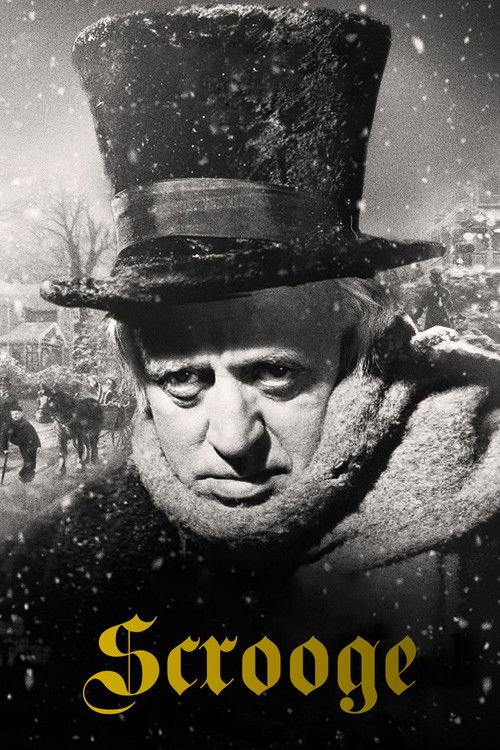
Scrooge1951
Alastair Sim's Scrooge and C. Aubrey Smith's earl are spiritual cousins—both wealthy men whose isolation hardens them until love and duty crack their shells. The emotional architecture is nearly identical, just with ghosts.
But If you find Christmas sentimentality cloying, this won't help. It's earnest about redemption in ways modern cynicism finds quaint.
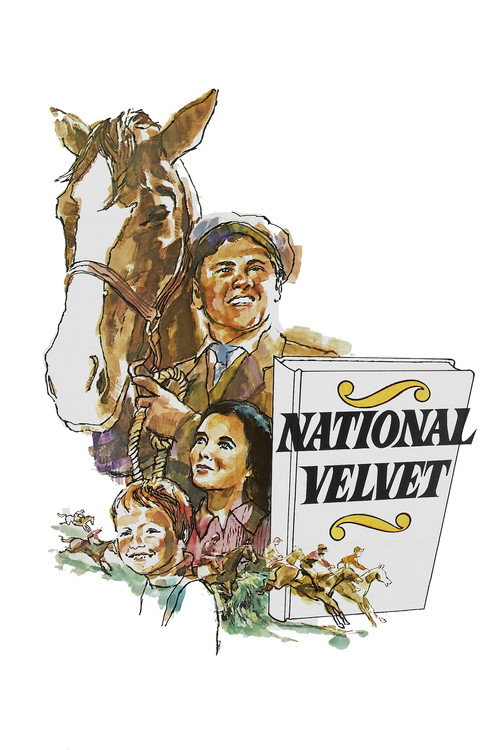
National Velvet1945
Elizabeth Taylor as a determined girl who won't be told what she can't do, much like young Cedric refusing to be molded by aristocratic expectations. Both films trust their young leads completely and let them carry the emotional weight.
But It's a horse-racing film with mid-century family drama sensibilities. If period sports narratives bore you, the middle section drags.
Not sure tonight? Get a pick in a minute, starting from Little Lord Fauntleroy
The wildcard
Something you would not have found on your own.
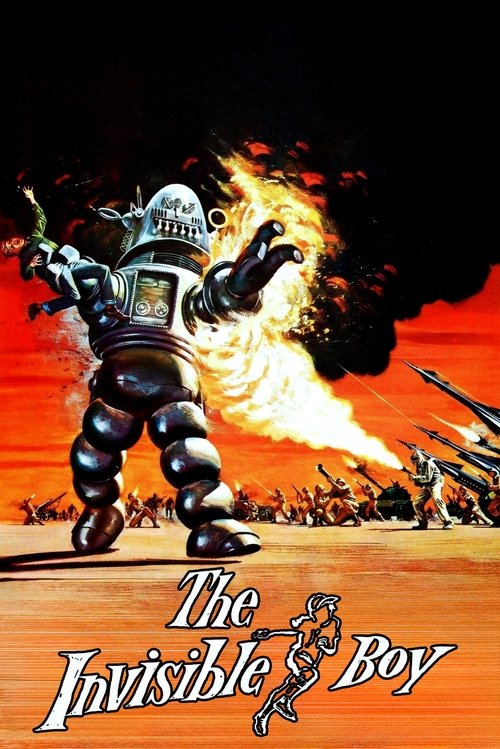
The Invisible Boy1957
Both films locate moral authority in the child protagonist and structure their narratives around a boy teaching an isolated adult (or system) to see differently. Goodness isn't naive—it's revolutionary.
A 12-year-old boy befriends a robot and must protect it from a militaristic world that sees him as a threat. It's SF-flavored Fauntleroy—a child's moral clarity and compassion as the story's beating heart, gentleness as strength in a corrupt adult system.
But It's a forgotten 1950s B-movie with dated effects and leaden pacing. The sci-fi elements feel more quaint than imaginative by today's standards.
More like this (8)
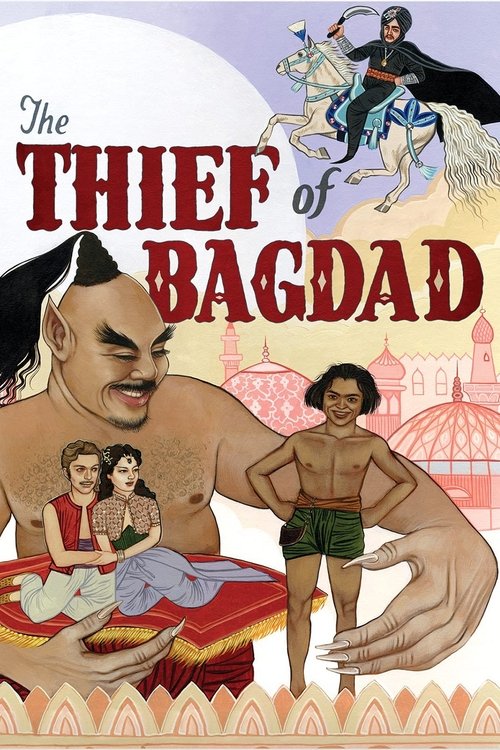
The Thief of Bagdad1940
A fantasy about a street boy who discovers his true worth and power. Like Fauntleroy, it's visually lush escapism about character mattering more than circumstance, with magical production design elevating a simple moral.
But The Orientalism is dated and uncomfortable. It's spectacle over substance, and the plot is thin even by fairy-tale standards.
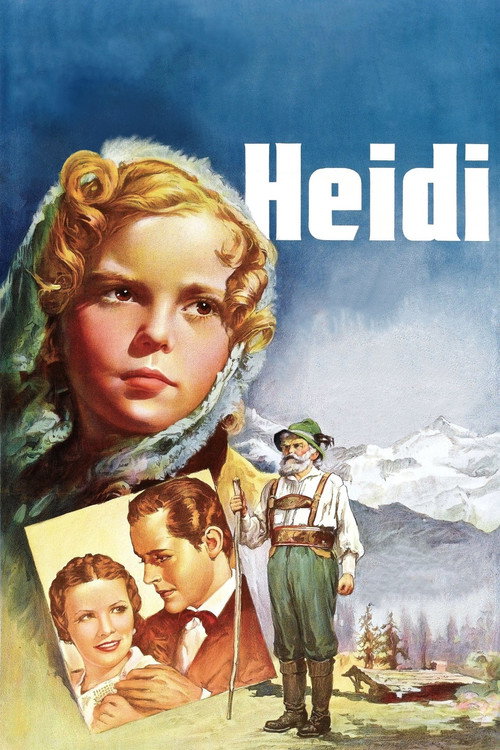
Heidi1937
Shirley Temple as an orphan girl sent to live with a gruff Swiss mountain man who thaws through her persistence. The same DNA as Fauntleroy—innocence softening hardness, and a child's moral clarity as the story's engine.
But Temple's precocious charm works for some viewers and actively irritates others. If you find child stars cloying, this won't change your mind.
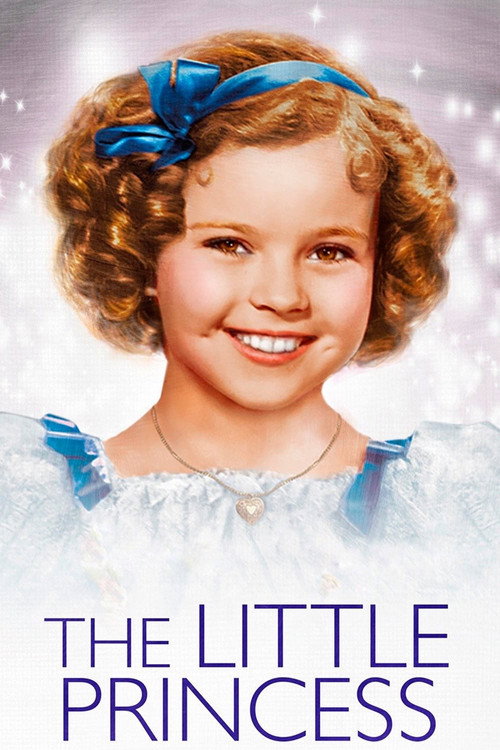
The Little Princess1939
Another Shirley Temple vehicle about a girl navigating wealth and loss with imagination and grace. It shares Fauntleroy's belief that inner worth transcends social station, and its emotional climax is genuinely moving.
But It's aggressively wholesome and deeply committed to the fantasy that goodness is always rewarded. Hard to sit with if you're in a cynical mood.
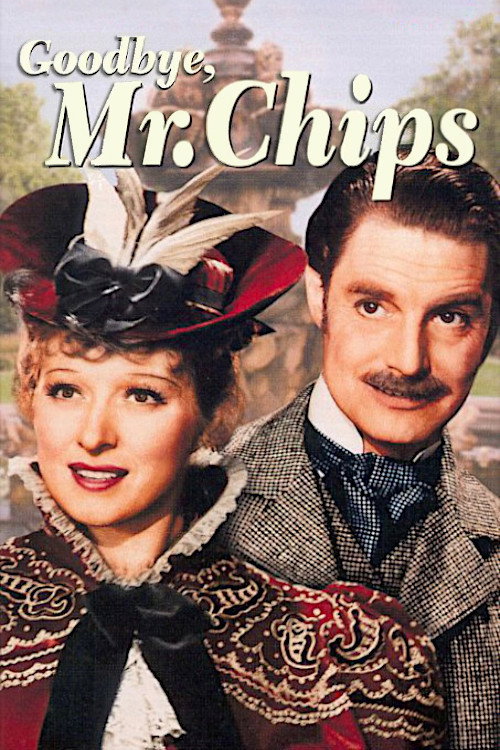
Goodbye, Mr. Chips1939
Robert Donat as a schoolmaster whose life is changed by connection and affection. Like Fauntleroy, it's structured around a gruff older man learning to love, with the same gentle faith in the transformative power of genuine relationship.
But It's a British schoolboy story with all the period prejudices intact. The pacing is glacial by modern standards and the sentiment can feel suffocating.
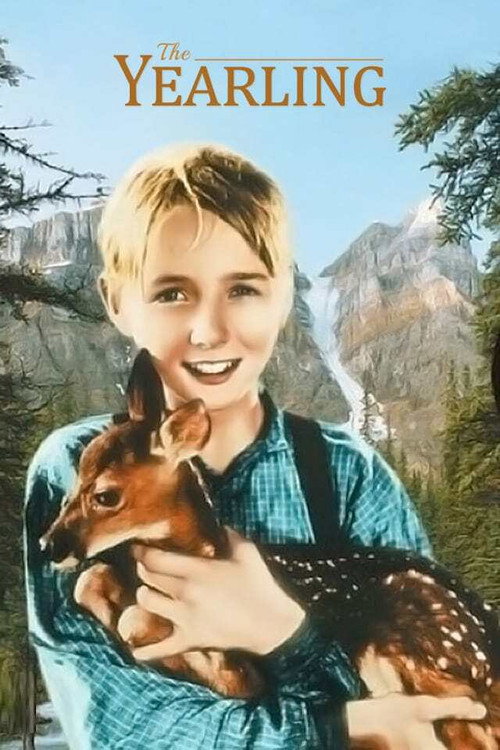
The Yearling1946
A boy and his adopted deer in the Florida backwoods—simpler in setting than Fauntleroy but identical in emotional purpose. It's about innocence, belonging, and learning that love sometimes means letting go.
But The ending is genuinely sad in ways the film doesn't soften. If you're watching for comfort, you'll feel betrayed.
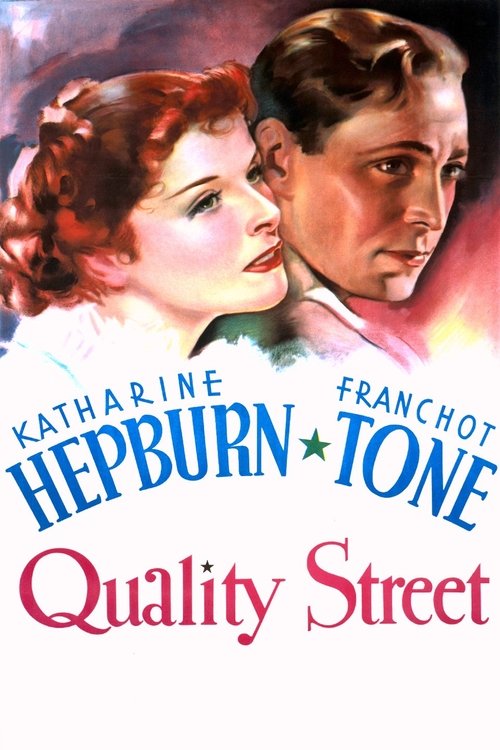
Quality Street1937
Katharine Hepburn in a period romance about second chances and the gap between who we are and who we might become. It's lighter than Fauntleroy but built on the same belief that character can be revealed, not just inherited.
But It's a drawing-room comedy that depends entirely on chemistry and witty dialogue. If the leads don't charm you, there's nothing underneath to sustain interest.
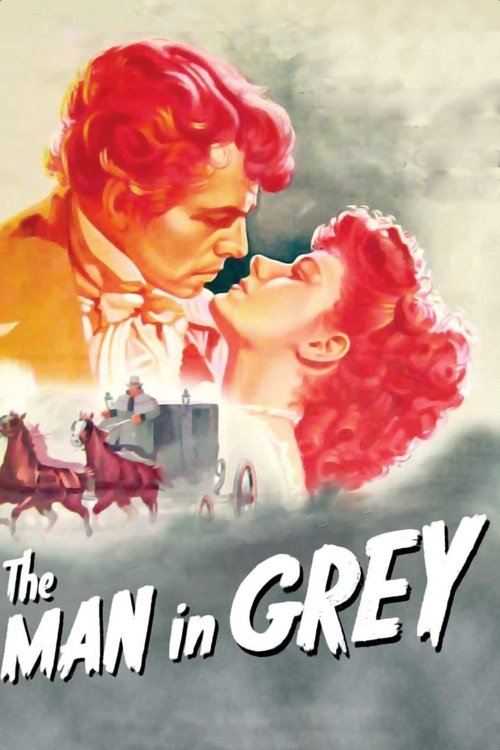
The Man in Grey1943
Both are films about inheritance and belonging, but where Fauntleroy trusts that love transcends class, this film shows how ruthlessly class swallows love. They're asking the same question and reaching opposite conclusions.
A Gothic melodrama about a foundling girl raised by aristocrats, caught between two men and two worlds. It inverts Fauntleroy's structure—instead of a boy civilizing wealth, a woman is corrupted by it, trapping her in class and circumstance she can't escape.
But It's genuinely bleak and refuses the consolation fairy tales offer. The ending won't satisfy anyone hoping for redemption or justice, and the misogyny of its era shows badly.
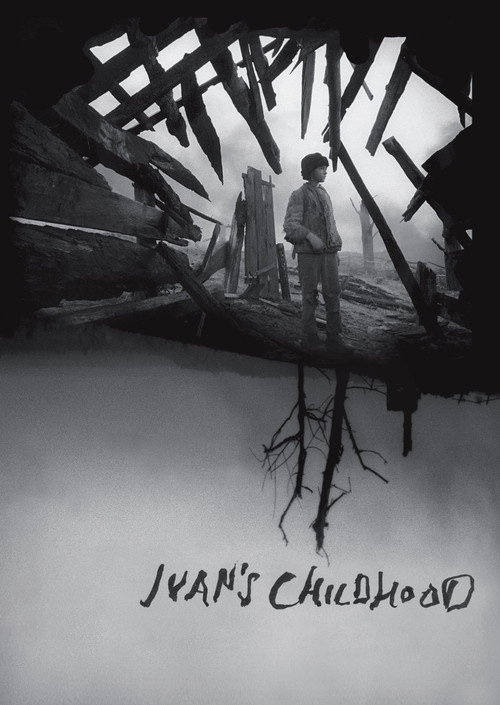
Ivan's Childhood1962
Both centre on young boys as moral witnesses to a damaged world, but Tarkovsky strips away Fauntleroy's reassurance entirely. Where one says goodness transforms systems, the other says children are destroyed by them. They're asking whether innocence can survive.
Andrei Tarkovsky's haunting black-and-white film about a boy in Soviet Russia during war. A child protagonist who carries moral weight, poetic rather than sentimental, about displacement and lost innocence. It has Fauntleroy's faith that children see truly, but renders it tragic.
But It's a meditative arthouse film that moves at its own pace, heavy with dream logic and visual symbolism. If you want plot clarity and emotional release, this will feel punishingly austere.
People
Cast
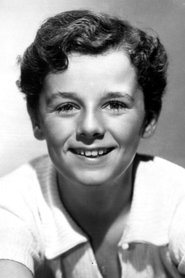 Freddie BartholomewCedric 'Ceddie' Erroll aka Lord Fauntleroy
 Dolores Costello'Dearest' Erroll
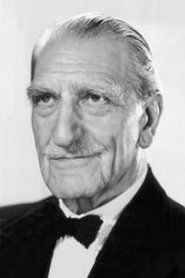 C. Aubrey SmithEarl of Dorincourt
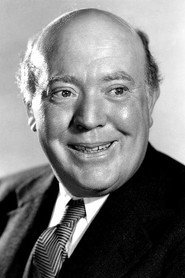 Guy KibbeeSilas Hobbs
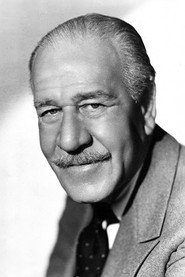 Henry StephensonHavisham
 Mickey RooneyDick Tipton
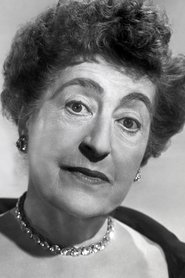 Constance CollierLady Constantia Lorridaile
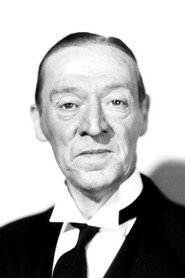 E. E. CliveSir Harry Lorridaile
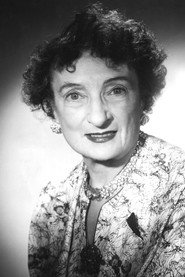 Una O'ConnorMary
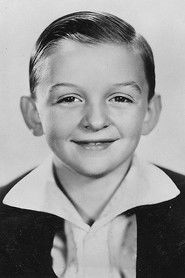 Jackie SearlTom Tipton
 Jessie RalphApplewoman
 Ivan F. SimpsonReverend Mordaunt
Directing
- Eric StaceyAssistant Director
- John CromwellDirector
Writing
- Frances Hodgson BurnettNovel
- Hugh WalpoleScreenplay
- Hugh WalpoleWriter
Production
- David O. SelznickProducer