
Film
Little Lord Fauntleroy
Other titles called Little Lord Fauntleroy: the 1936 film.
A 1921 silent film about a poor American boy who discovers he's heir to a British earldom, then melts his grandfather's heart through sheer goodness. Mary Pickford's star power and genuine charm make this surprisingly moving—it's less saccharine than the premise sounds. A showcase for old Hollywood's faith in sentiment and close-ups.
If you liked this
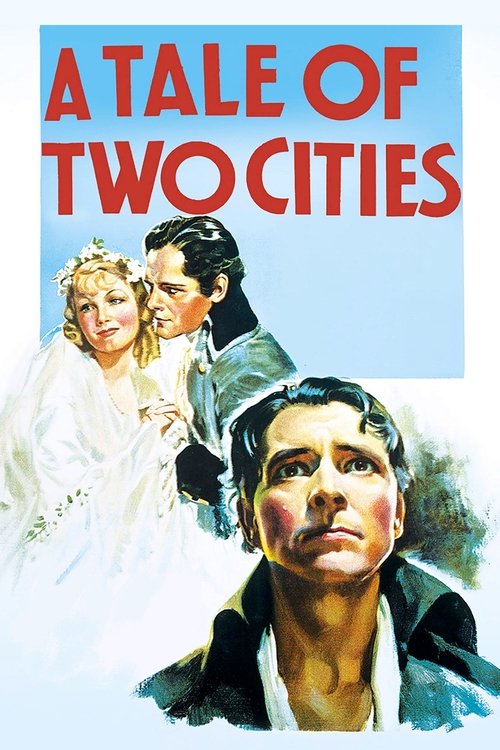
A Tale of Two Cities1935
Handsome production with Ronald Colman delivering a self-sacrifice story of real weight. Dickens adapted with Hollywood's full resources behind it, and the emotional climax lands hard.
But The pacing feels stately by modern standards. Long stretches of dialogue and setup before the dramatic payoff.
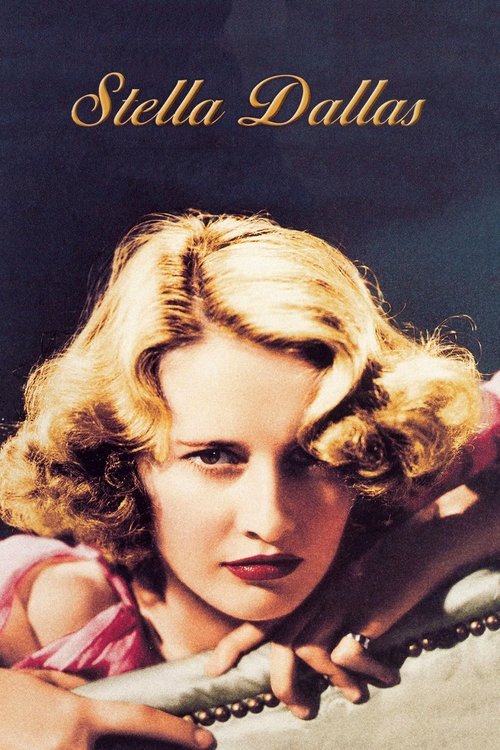
Stella Dallas1937
Another maternal sacrifice story with Barbara Stanwyck—a woman made coarse by circumstance quietly gives up her daughter's future for her sake. Remarkably unsentimental about sentiment itself.
But The class anxieties that drive the plot feel dated and faintly offensive. Wealth as moral worth is the baseline assumption.
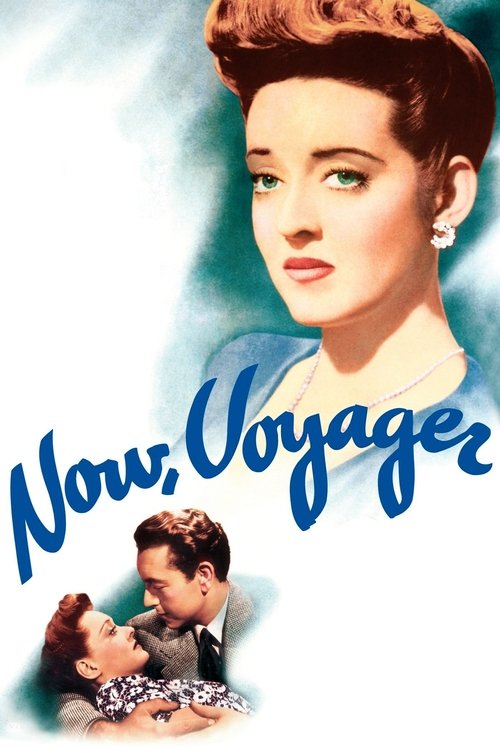
Now, Voyager1942
Bette Davis transforms from dowdy spinster to confident woman through love and travel. A character arc with genuine scope, shot beautifully, with real chemistry and restraint.
But The romance is bittersweet by design—you don't get the conventional happy ending. Some find that frustrating rather than touching.
Not sure tonight? Get a pick in a minute, starting from Little Lord Fauntleroy
The wildcard
Something you would not have found on your own.
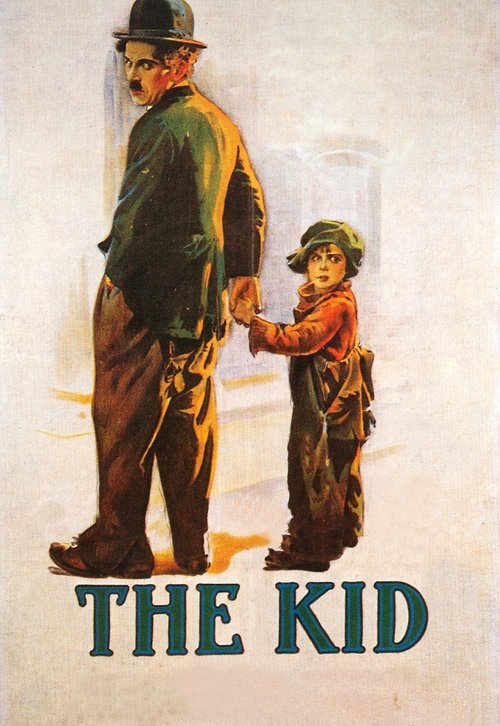
The Kid1921
Both 1921 films about intergenerational healing through a child's uncomplicated goodness, but where Pickford uses intertitles and close-ups, Chaplin uses silence and physical comedy to tell an identical emotional truth.
Released the same year as Fauntleroy, Chaplin's film is also about a grubby boy and a cold older man learning to love through proximity. But it's silent poetry without dialogue, achingly human, funny and devastating.
But Chaplin's tramp character can read as maudlin now. The sentimentality is naked and unapologetic—some viewers find it manipulative rather than moving.
More like this (8)
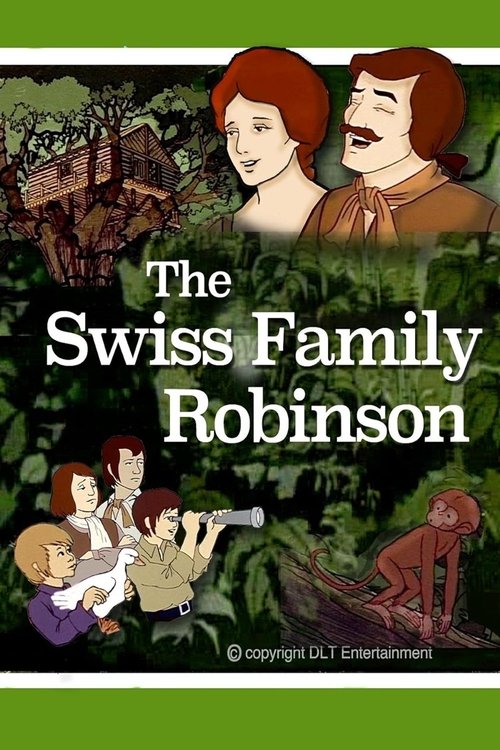
The Swiss Family Robinson1973
Disney's lavish adventure about a family shipwrecked on an island, building a new life from nothing. Pure invention and engineering as play, a father's ingenuity as love language.
But It's fundamentally a children's film. The plot is thin and the colonial undertones don't age well. Adults watch it for nostalgic reasons, not story.
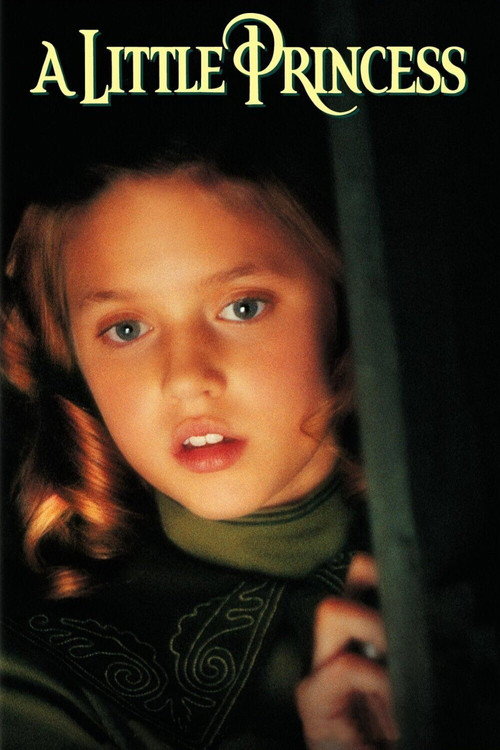
A Little Princess1995
Another Frances Hodgson Burnett adaptation with Sophie Okonkwo's fierce imagination making poverty bearable. Visually sumptuous, genuinely funny, and unashamed about the power of pretend.
But The fantastical sequences might feel saccharine. It wears its heart on its sleeve and some find that embarrassing rather than moving.
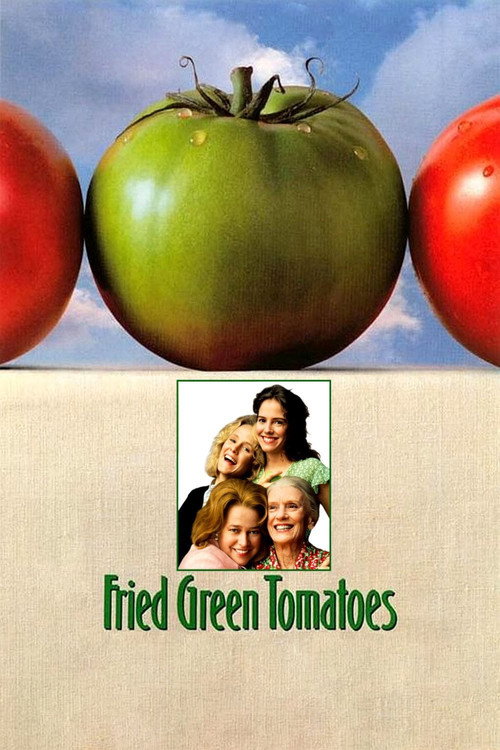
Fried Green Tomatoes1991
Kathy Bates and Jessica Tandy in a story about women's friendship that quietly rewrites the rules about who gets to be the protagonist of their own life. Southern Gothic with warmth.
But The framing device is clunky and the tonal shifts between timelines can feel jarring. It's trying to do too much narratively.
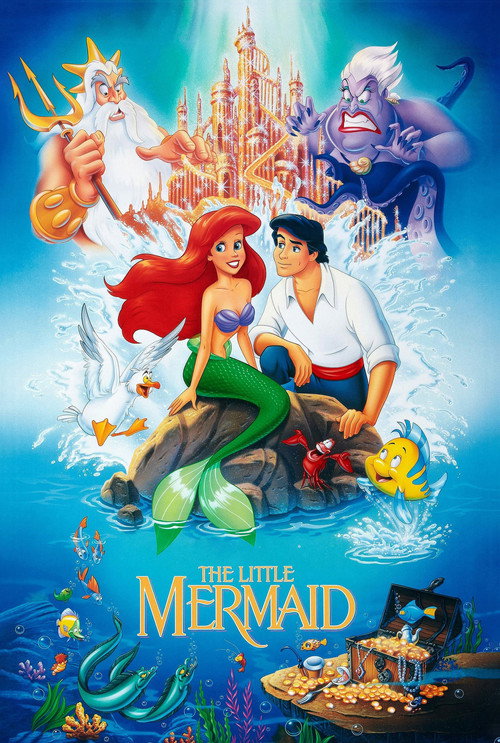
The Little Mermaid1989
Disney animation at its peak: gorgeous to watch, genuinely funny, with a character who wants something specific and fights for it. A child determining her own future despite parental disapproval.
But Ariel gives up her voice for a man and it works out. The gender politics have aged poorly. Some of the humor feels dated.
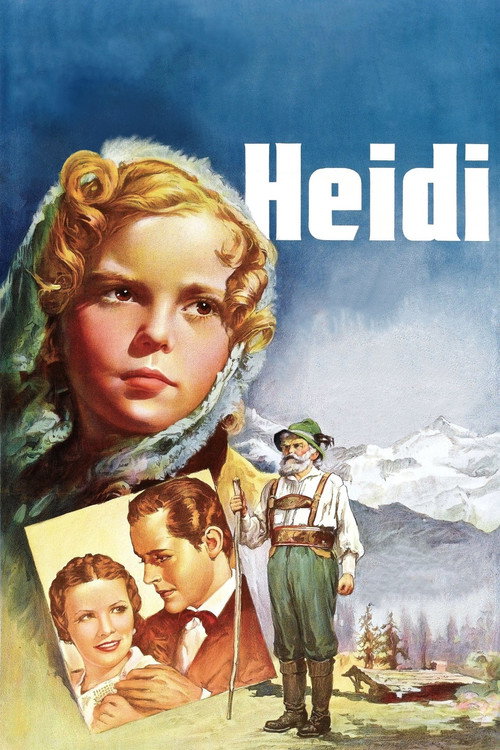
Heidi1937
Shirley Temple as an orphan who charms a bitter old man into love, set in the Swiss Alps. If you love the premise, this is the most direct historical companion—same DNA, same era.
But Temple's precocity is almost aggressively cute. The plot is paper-thin and the sentiment is laid on thick without restraint.
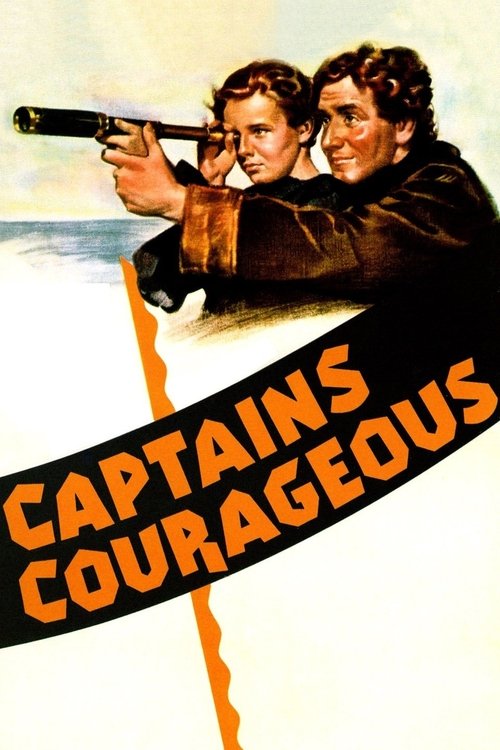
Captains Courageous1937
Spencer Tracy and young Freddie Bartholomew: a spoiled boy learns manhood and humility through work and hardship at sea. MGm craft applied to a bildungsroman with genuine danger and growth.
But The class lessons are retrograde—working-class people exist to teach rich children morality. The boy's transformation is neat and tidy.
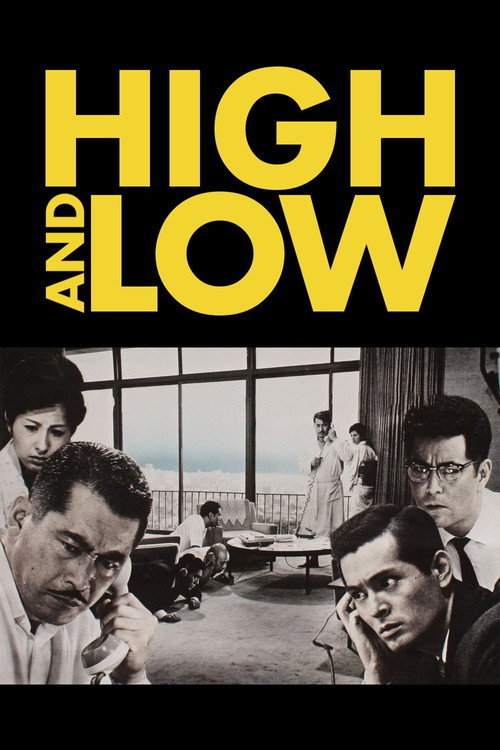
High and Low1963
Where Fauntleroy shows wealth redeemed through a child's innate grace, Kurosawa shows wealth unable to redeem itself—the mirror image, asking what happens when goodness isn't enough to change the system.
Kurosawa's masterpiece about a wealthy executive's moral reckoning after his chauffeur's son is kidnapped. Questions who deserves rescue and why, class obligation, and whether money buys decency.
But It's a Japanese crime thriller, not a feel-good story. The second half is police procedural and it's long. The moral conclusion is bleak by design.
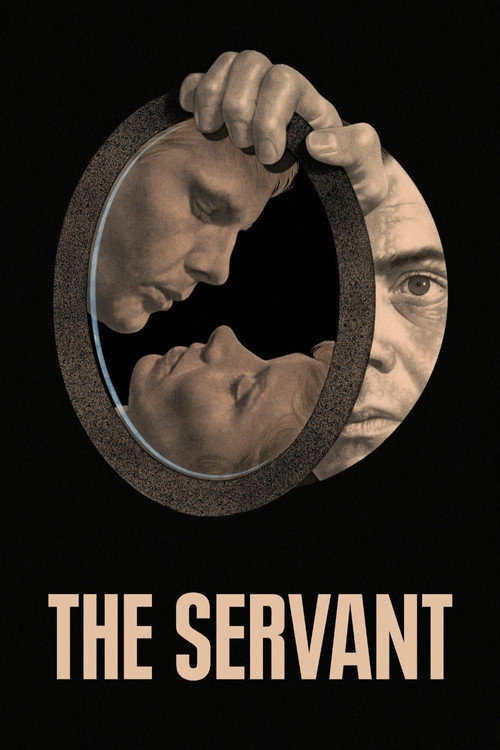
The Servant1963
The inverse of Fauntleroy's servant-and-master story: instead of the poor boy teaching virtue through example, the servant teaches vice through manipulation. Same hierarchical relationship, opposite moral direction.
Joseph Losey's film about a servant who seduces and corrupts his employer into moral collapse. Based on a play, claustrophobic, shot in black-and-white, it's a power inversion that haunts you.
But It's sexually explicit for 1963, uncomfortable throughout, and the ending offers no redemption. It's about corruption and control, not warmth or growth.
People
Cast
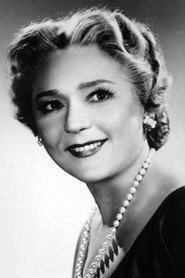 Mary PickfordCedric Errol / Widow Errol
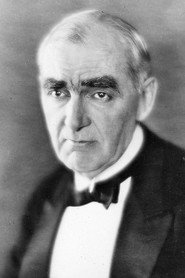 Claude GillingwaterEarl of Dorincourt
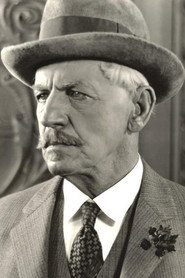 Joseph J. DowlingWilliam Havisham
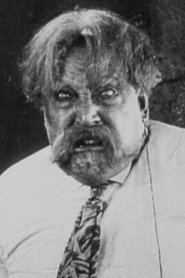 James A. MarcusHobbs
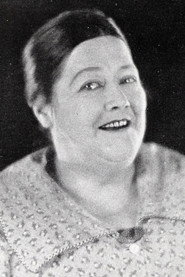 Kate PriceMrs. McGinty
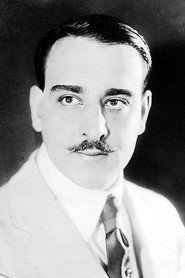 Fred MalatestaDick
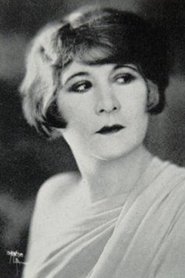 Rose DioneMinna
- Arthur ThalassoThe Stranger
- Francis MarionMinna's Son
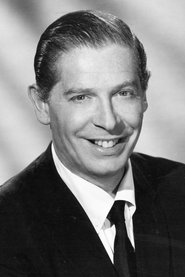 Milton BerleBoy (uncredited)
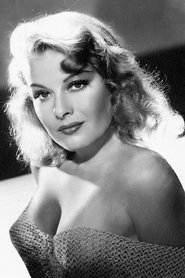 Joan Marsh(uncredited)
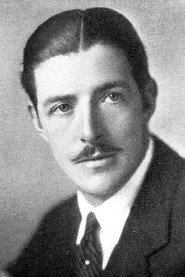 Colin KennyBevis
Directing
- Alfred E. GreenDirector
- Jack PickfordDirector
Writing
- Frances Hodgson BurnettNovel
- Bernard McConvilleScreenplay
Production
- Mary PickfordProducer