Television series
Science Fiction Theatre
- Science fiction
- Dip in and out
A 1950s anthology series that treated science fiction not as fantasy but as plausible extrapolation from cutting-edge science. Each half-hour episode dramatises a speculative problem—faster-than-light travel, synthetic life, surveillance tech—with Truman Bradley as your guide. It's earnest, curious, occasionally clunky, but genuinely asks what tomorrow might bring. For anyone who loves period sci-fi that swings for ideas rather than spectacle.
If you liked this
The Twilight Zone1959
Perfected the anthology formula with tighter scripts, darker themes, and Serling's philosophical bite. If you loved SFT's speculative premise, this deepens it—same structure, dramatically higher craft.
But Fifty episodes across five seasons is a commitment, and about a third are weaker than the best. The tone can feel heavy-handed to modern ears.

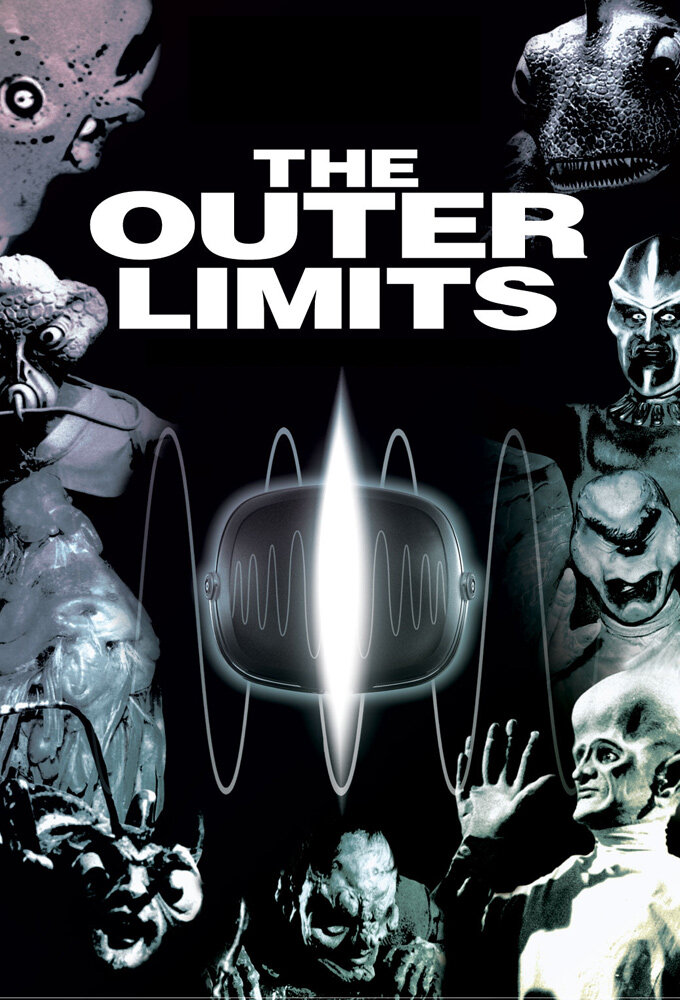
The Outer Limits1963
Another 1960s anthology with a similar mission: science speculation as drama. Each hour-long episode has more room to breathe and explores genuine scientific concepts with genuine dread. Visually superior to SFT.
But The monster-of-the-week structure wears thin by mid-season. Some episodes are genuinely bad in a way that pulls you out.
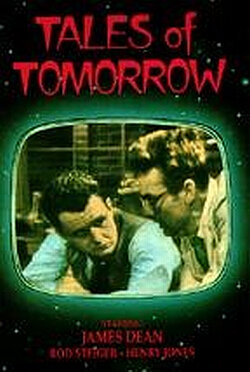
Tales of Tomorrow1951
The direct ancestor: a 1950s sci-fi anthology that aired earlier and shares SFT's earnest, ideas-first philosophy. If you want to see where this exact impulse began, this is it.
But Very few episodes survive complete. What exists is often poorly preserved and occasionally incoherent. It feels more like archaeological reconstruction than finished show.
Not sure tonight? Get a pick in a minute, starting from Science Fiction Theatre
The wildcard
Something you would not have found on your own.
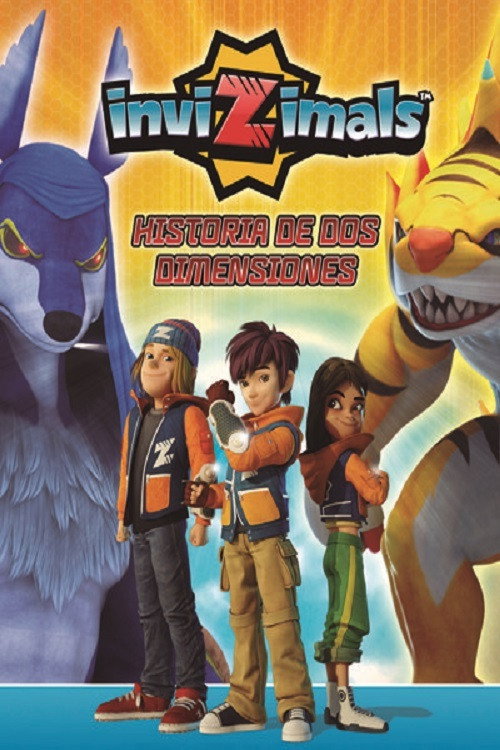
Invizimals: A Tale of Two Dimensions2013
Literally restores and contextualizes the world SFT inhabited. A mirror held up to the series and the era that made it.
A documentary that locates and restores lost episodes of 1950s sci-fi television, treating these forgotten half-hours as cultural artifacts worth saving. Interviews scientists, historians, and fans. A love letter to exactly the impulse SFT embodied.
But It's a documentary about trying to find lost television, not the television itself. If you want the show more than the story of saving it, this disappoints.
More like this (8)
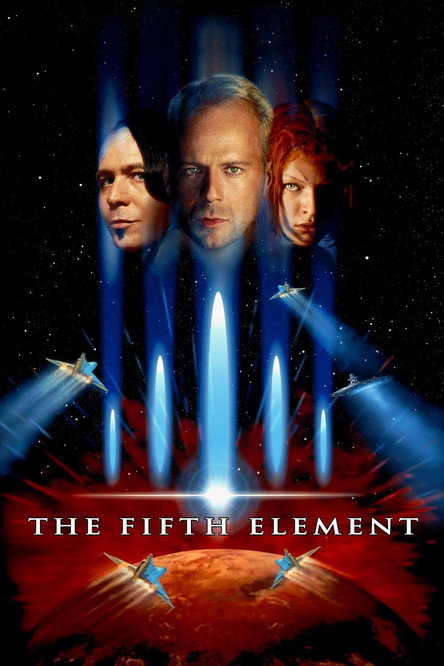
The Fifth Element1997
Luc Besson's candy-coloured space opera treats sci-fi concepts—ancient aliens, multiverse, the nature of life—as launch pads for action and wonder. Same DNA as SFT but with blockbuster production values and genuine style.
But Wildly uneven. Veers between inspired and ridiculous without always knowing which it's being. Bruce Willis sleepwalks through the centre.
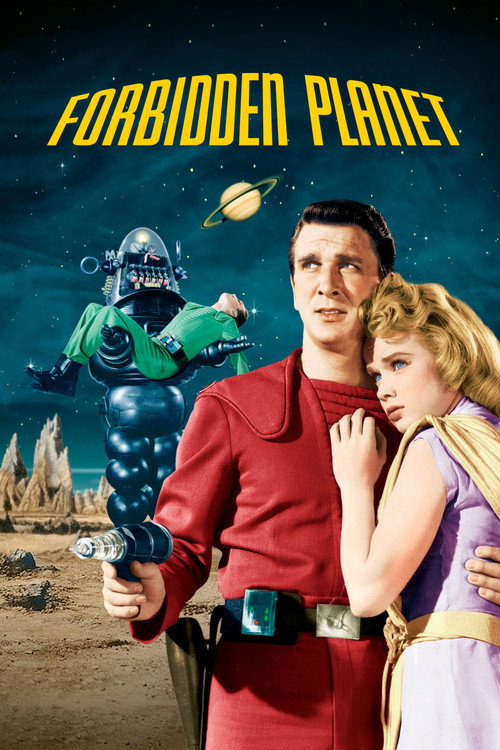
Forbidden Planet1956
A contemporary film that does what SFT does in half-hours but with Hollywood resources: adapts Shakespeare through a sci-fi lens, conjures real ideas about power and technology, commits to the speculation.
But The pacing is deliberate, almost stately. Long stretches of crew business and exposition. Robby the Robot is charming but the effects haven't aged as well as the ideas.
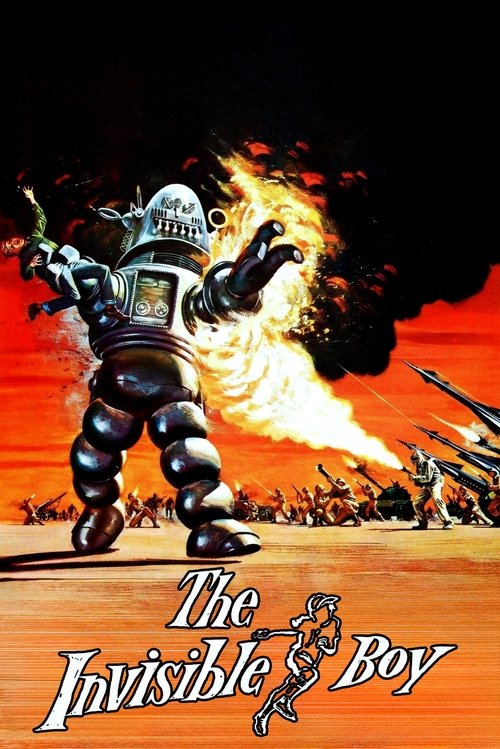
The Invisible Boy1957
A forgotten gem from the same era: a boy builds an invisibility cloak with help from a supercomputer. Plays the premise with absolute seriousness while remaining fundamentally fantastical. Genuine mid-50s optimism about technology.
But It's a B-picture with a B-picture's budget. The execution is sincere but sometimes lumpy. Child actor performances are... period-appropriate.
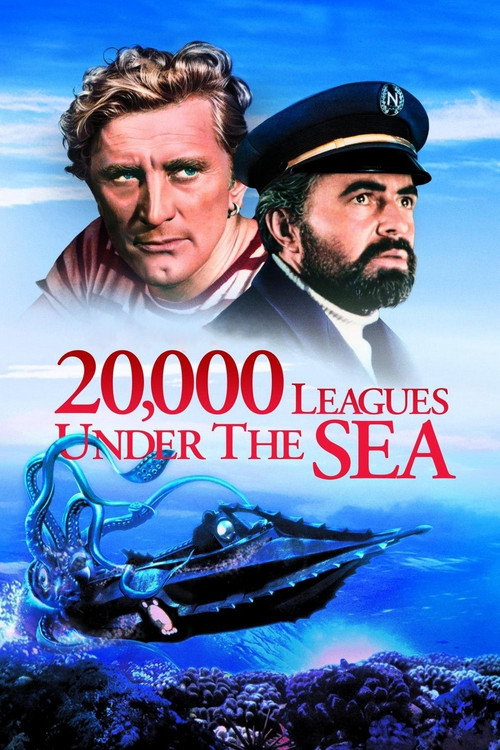
20,000 Leagues Under the Sea1954
Disney's adaptation brings Victorian speculation forward to the atomic age: submarine, mad captain, secret technology as both marvel and threat. Same speculative impulse as SFT, same era, better production.
But The whimsy undercuts the premise. A sea monster attack is interrupted by Kirk Douglas singing. It wants to be more fun than tense.
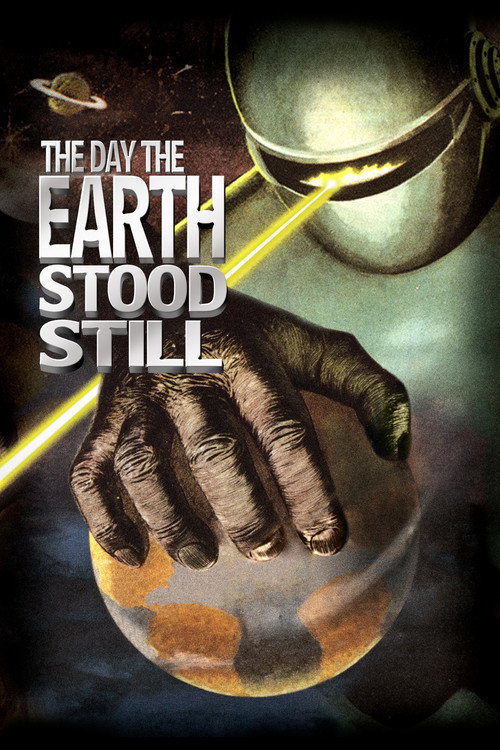
The Day the Earth Stood Still1951
Serene, philosophical, treating first contact with absolute gravity. An alien arrives with a message about nuclear weapons. It thinks seriously about what technology means and how humans might respond to the impossible.
But Nothing happens in the way a modern action film understands action. Long stretches of conversation and walking. Some will find it profound; others will find it dull.
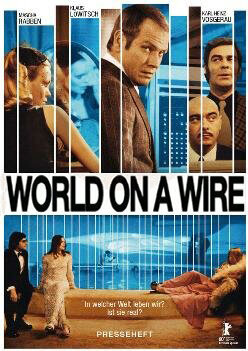
Welt am Draht1973
A two-part German TV movie that plays with virtual reality before the internet existed. Same speculative energy as SFT but operating in a fever dream. Rainer Werner Fassbinder made something that feels like it came from another planet.
But It's deliberately artificial and disorienting. The sets are clearly fake, the editing is strange, the narrative folds in on itself. Some people will call that genius; others will turn it off.
Stalker1979
Both treat science fiction as a framework for asking what we really want from tomorrow, not what lasers we can build.
Andrei Tarkovsky's patient, hypnotic film about guides leading people into a mysterious zone. It shares SFT's core impulse—science fiction as philosophy—but stretches a single premise into three hours of profound meditation on desire, faith, and the unknown.
But It moves at a glacial pace. Almost nothing happens in the conventional sense. If you need plot momentum, this will feel like watching paint dry for several hours.

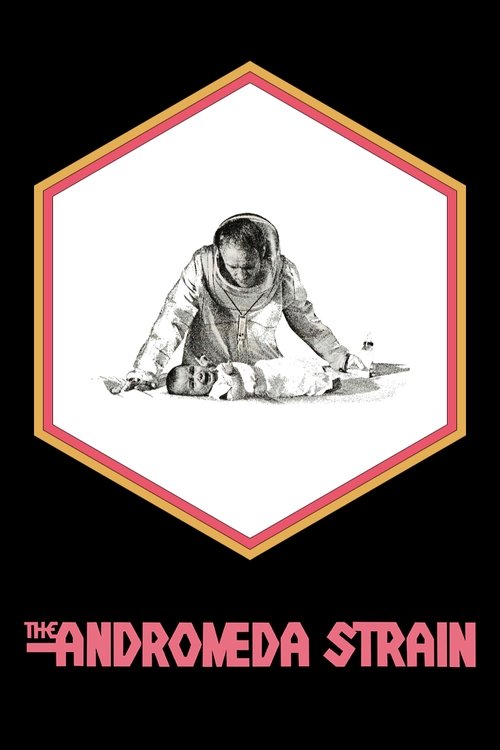
The Andromeda Strain1971
Same era's approach to sci-fi as speculation grounded in actual science. But traded SFT's wonder for bureaucratic dread.
Michael Crichton adapting his own novel about scientists racing to contain an alien microorganism. Procedural, tense, grounded in hard science. It's SFT's speculative premise scaled up to cinematic tension and technical detail.
But The middle sags terribly. Technical sequences outstay their welcome. You will watch scientists look at monitors for longer than your patience allows.