
Television series
Ark II
Ark II is a 1976 Saturday-morning adventure series about three young scientists piloting a high-tech mobile lab across a post-apocalyptic future ravaged by pollution. Each episode sends them into the damaged landscape to solve environmental crises and help survivors. It's earnest, hopeful sci-fi for kids—more interested in using technology to repair the world than destroy it.
Should you watch it?
Watch it if you have a soft spot for earnest 1970s children's adventure, with a gleaming talking-computer van, a post-apocalyptic America you can wander through on a lazy Saturday, and a clear moral streak.
Skip it if you need modern pacing or sharp continuity, since each half-hour is a self-contained stop-and-help episode with dated effects and a sunny, fairly simple view of a damaged world.
What it asks of you: Thirty minutes an episode, one at a time, with little serialized plot to hold onto; you settle into its gentle, episodic rhythm rather than chase a story, and its grim backdrop stays mostly light.
Not sure? Find tonight's pick in a minute.
If you liked this
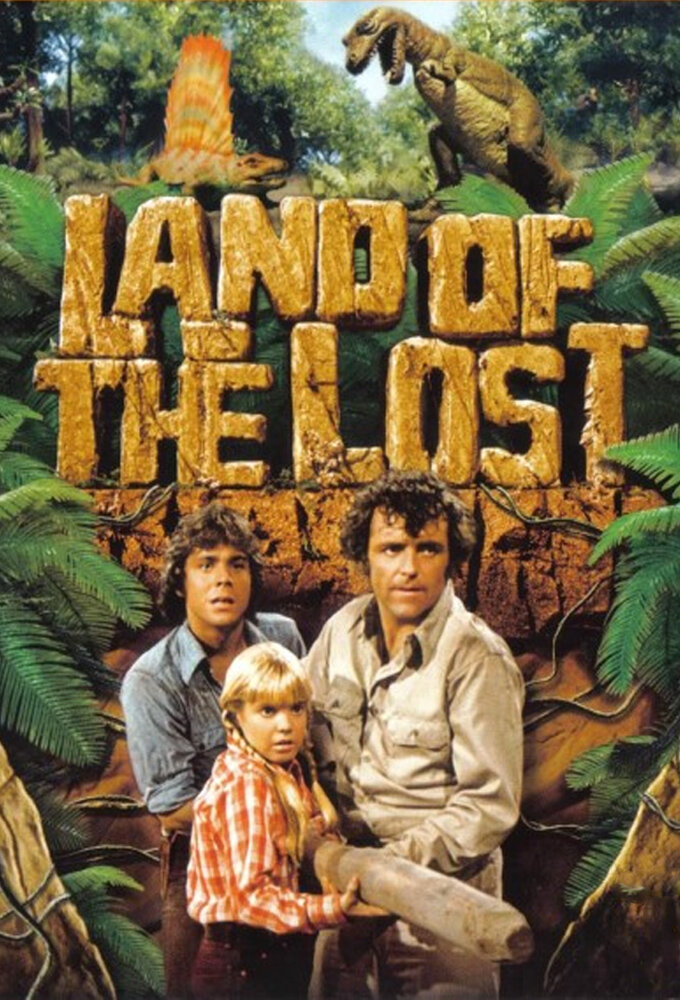
Land of the Lost1974
Another Saturday-morning gem that respects its audience's intelligence. Three siblings explore a mysterious parallel world filled with dinosaurs and lizard men, with real problem-solving and genuine jeopardy woven through the adventure.
But The special effects are deliberately low-budget and the tone wobbles between silly and sincere. Some episodes lean too far into camp.
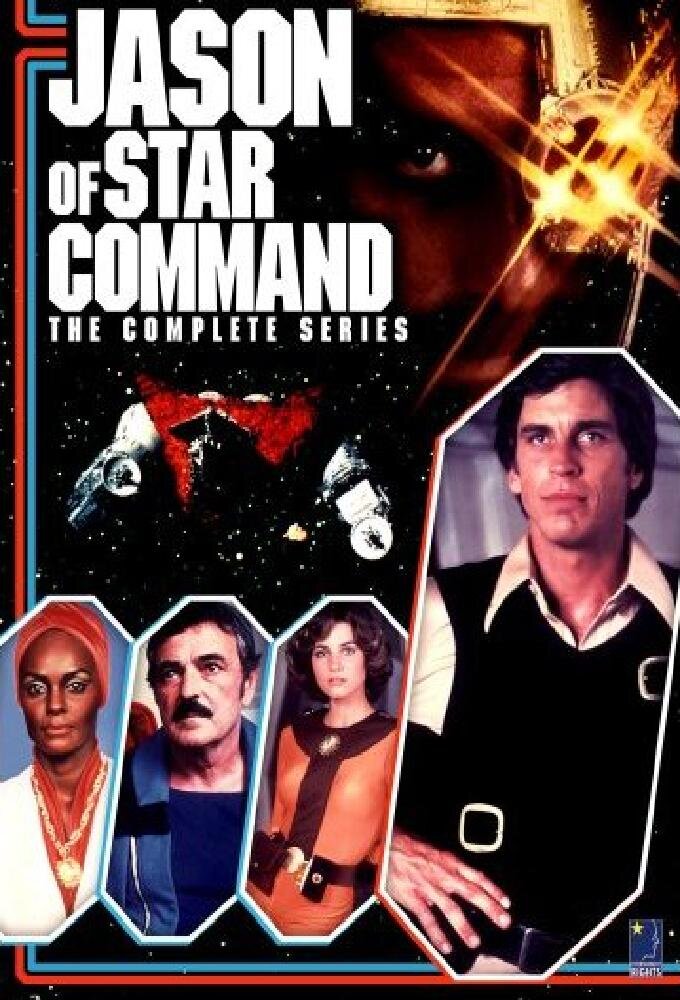
Jason of Star Command1978
A live-action kids' series about cadets training in a space academy, full of practical ingenuity and moral lessons without sermons. The optimism about science and teamwork is infectious, and it actually delivers on its promises.
But It's firmly a product of its era—the dialogue can feel stiff and the romance subplots are cringey by today's standards.
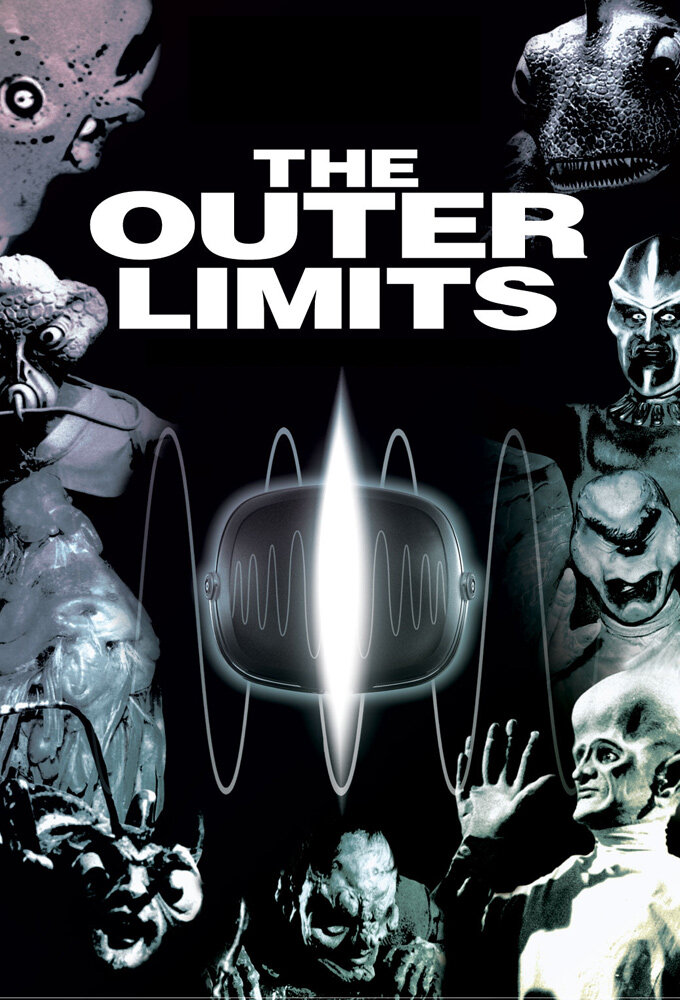
The Outer Limits1963
Cold War-era sci-fi anthology where science usually offers solutions rather than apocalypse. The practical effects and clever writing often transcend the budget. An ancestor to everything that came after.
But Uneven—some episodes are brilliant, others are tedious. You're committing to finding the gems rather than enjoying consistent quality.
Not sure tonight? Get a pick in a minute, starting from Ark II
The wildcard
Something you would not have found on your own.
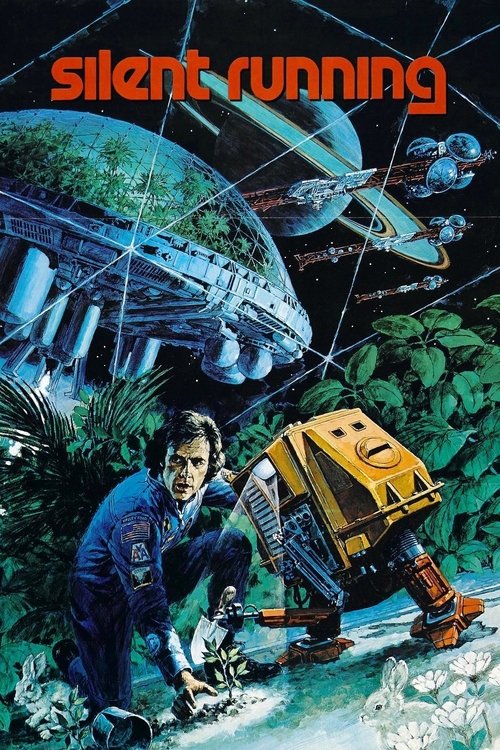
Silent Running1972
Both are about people using technology to answer environmental catastrophe, but where Ark II says 'we can fix this together,' Silent Running whispers 'what if we're too late and it falls to one person?'
A sci-fi film about a lone botanist protecting the last plant life from a polluted Earth—the exact inverse of Ark II's premise. Instead of traveling to fix problems, he's alone with the responsibility of preserving what matters. Quiet, haunting, and deeply moving.
But It's slow and melancholic, with long stretches of silence and a crew of robot companions instead of dialogue. If you're expecting action or companionship, you'll feel the isolation keenly.
More like this (5)
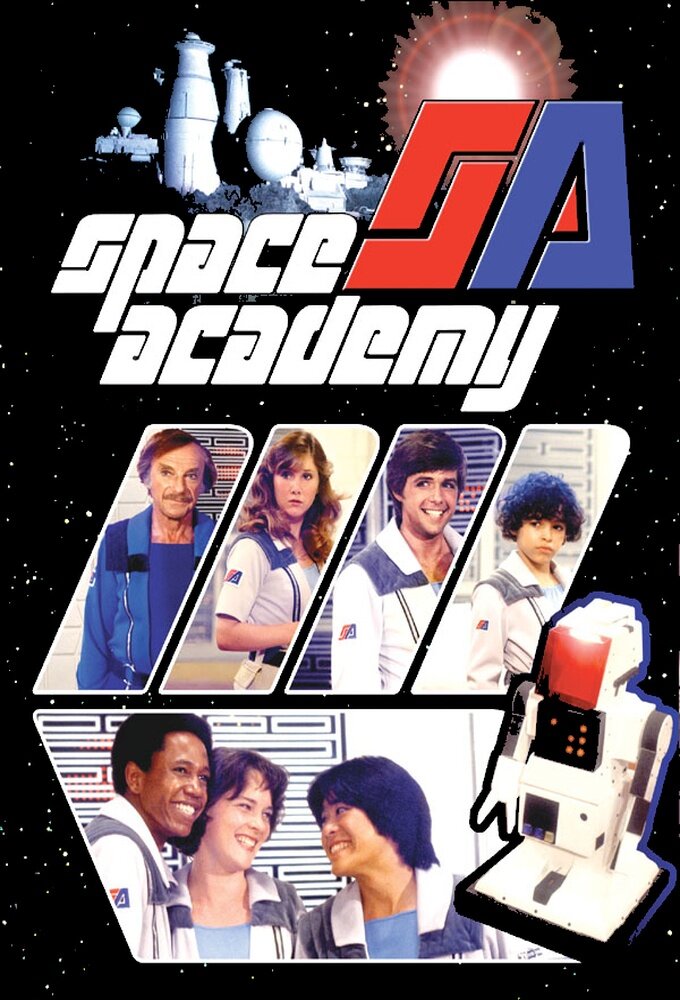
Space Academy1977
Saturday-morning TV that somehow takes its own premise seriously. Young cadets solve real problems through science and cooperation, with just enough action to keep it moving. The optimism is genuine, not condescending.
But The special effects budget was tiny and it shows constantly. If you need visual spectacle, you'll be disappointed.
The Poseidon Adventure1972
A disaster film where a ragtag group has to navigate a hostile environment and save themselves through cleverness and determination. The model for ensemble survival stories, with real stakes and no easy answers.
But It's a 1970s disaster film—the pacing is leisurely and some performances veer into camp. Over two hours for what's fundamentally a premise.
Irwin Allen's Voyage to the Bottom of the Sea1964
A specialized team in an advanced submarine exploring and solving mysteries. Each week brings a new crisis requiring ingenuity. The optimism about human capability and technology is baked into every frame.
But The plots are predictable and the science is nonsense. If you need realism or originality, you'll be frustrated quickly.
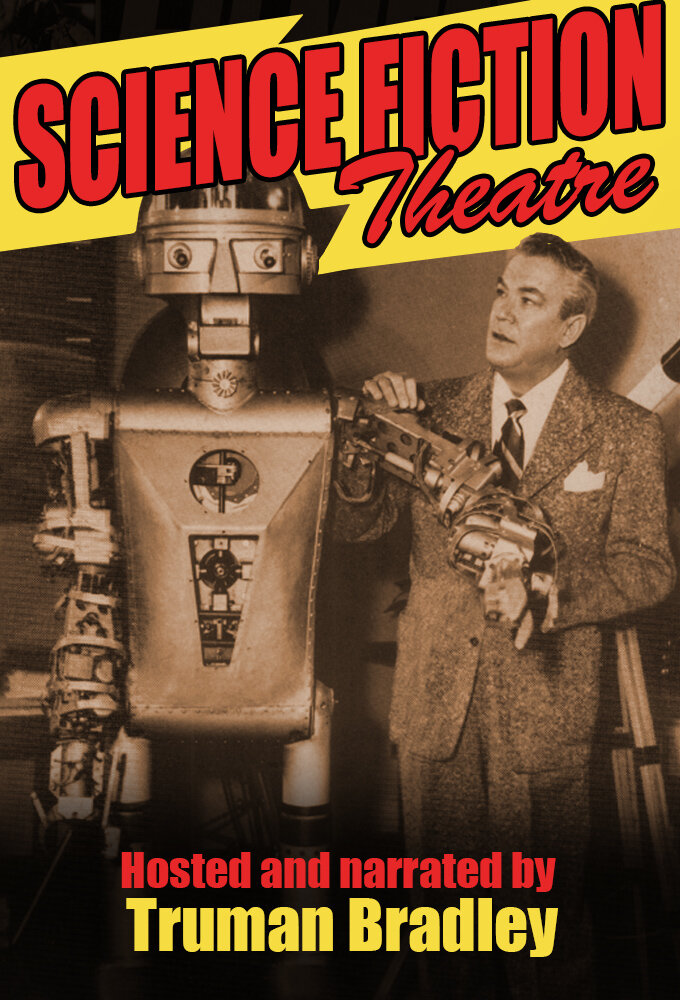
Science Fiction Theatre1955
An anthology series where science is the hero, not the threat. Stories about ingenuity, human cooperation, and problem-solving using technology. A direct ancestor to the optimistic sci-fi of the 1970s.
But The production values are threadbare even by 1950s standards. Some episodes feel like they were filmed in a garage, because they were.
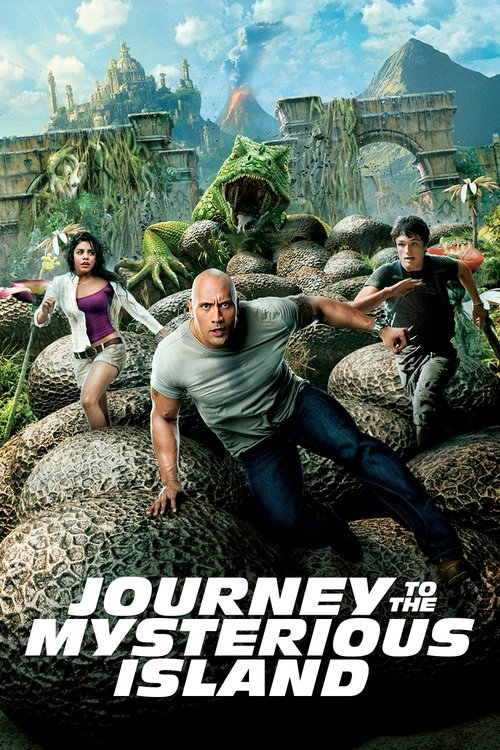
Journey 2: The Mysterious Island2012
Same spirit of scientific curiosity meeting adventure—a team solving problems by understanding the world rather than dominating it. But this one's historical, rooted in 19th-century optimism about exploration rather than the anxious environmentalism of 1976.
Jules Verne's adventure adapted as a live-action film where resourceful characters use ingenuity and teamwork to solve problems in an exotic landscape. The practical effects and genuine location work create a world you believe they're surviving in.
But It's a 1961 film, which means it's slow and the dialogue is theatrical. The special effects (the creatures especially) are more quaint than thrilling by modern standards.
People
Cast


Writing
- Martin RothCreator