
Television series
Space Academy
- Space opera
- Light-hearted
Space Academy is a Saturday-morning gem from 1977 where young cadets explore a futuristic universe aboard a traveling planetoid under the mentorship of an ageless commander. It's earnest, optimistic sci-fi with real stakes and genuine warmth—closer in spirit to TNG's humanity than to campy retro-futurism. Perfect for anyone who loves '70s optimism about space or wants to see how kids' TV once took scientific wonder seriously.
Should you watch it?
Watch it if you want an earnest, easygoing space adventure for younger viewers, the kind where a classroom of students learns by roaming the galaxy and the lessons come with wonder attached.
Skip it if you need fast pacing, sharp characters or grown-up stakes, since this is gentle, episode-by-episode learning played at an unhurried pace with dated 1970s effects.
What it asks of you: Half an hour per episode and fifteen in total, so it wants a light, undemanding sitting rather than your full attention.
Not sure? Find tonight's pick in a minute.
If you liked this
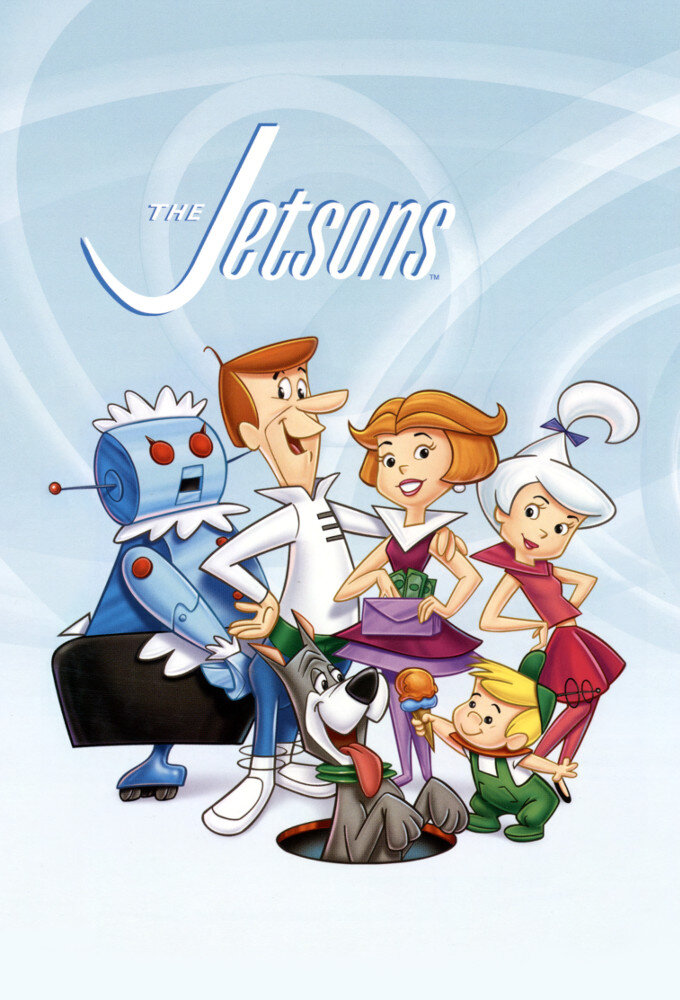
The Jetsons1962
Animated optimism about a family navigating a spacefaring future. Shares Space Academy's unironic faith that tomorrow will be cleaner, brighter, and full of purpose. Pure comfort viewing.
But Dated animation and gender politics read broad by today's standards. Episodes are slight—setup, gag, resolution, done.
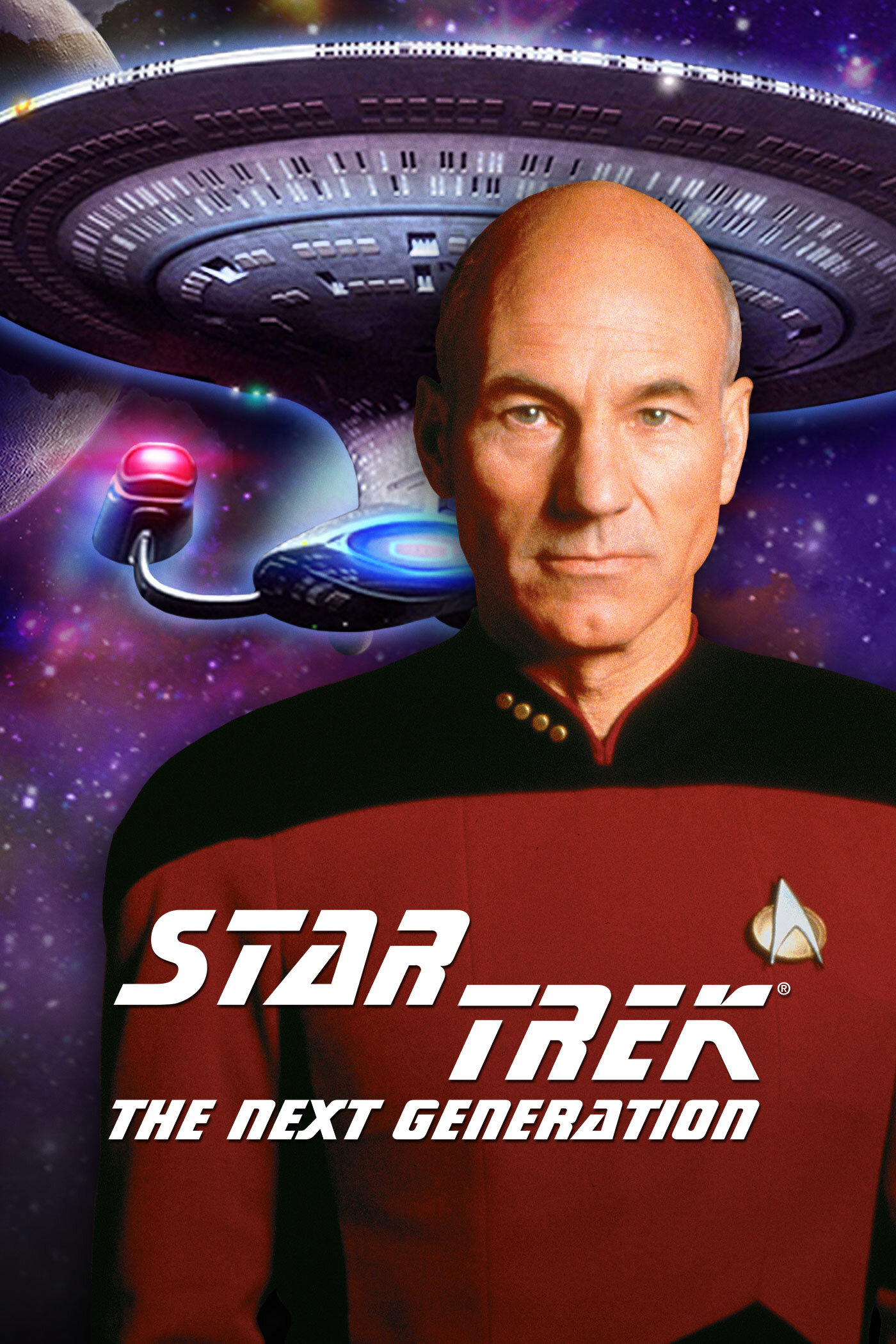
Star Trek: The Next Generation1987
Same DNA: an ensemble crew exploring the universe with curiosity rather than conquest, led by a wise authority figure. High-minded sci-fi that trusts its young audience to care about ideas.
But Wildly uneven in quality, especially early seasons. Some episodes are genuinely tedious despite good intentions.
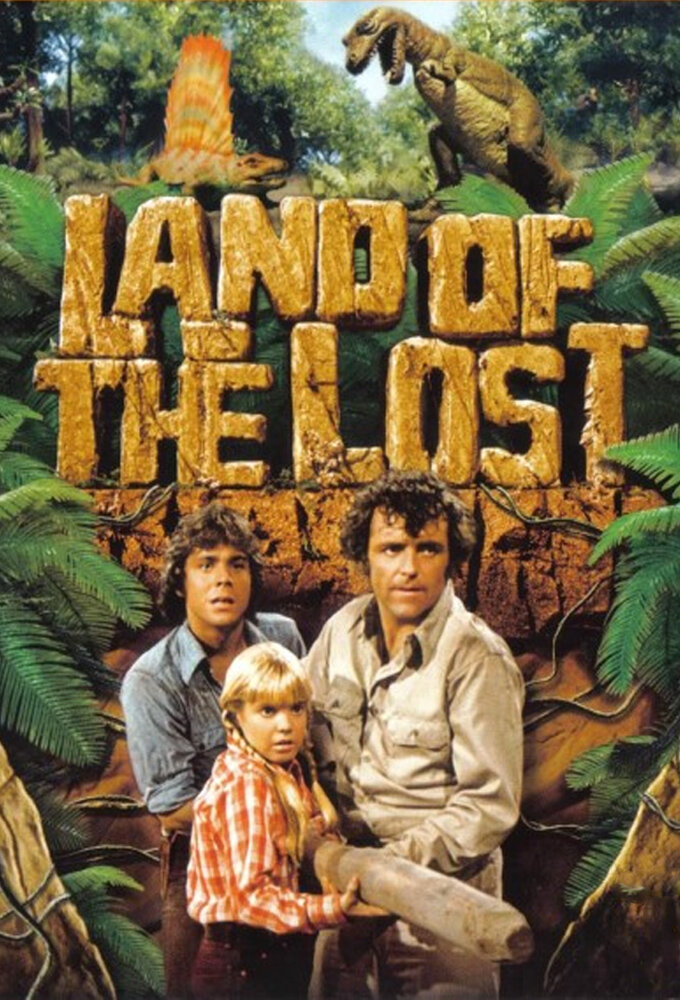
Land of the Lost1974
Saturday-morning adventure with real peril and surprising depth. A family stranded in an alien dimension, learning survival and science together. That same earnest, exploratory spirit.
But The special effects are primitive even for 1974. Some episodes lean too hard into pure slapstick.
Not sure tonight? Get a pick in a minute, starting from Space Academy
The wildcard
Something you would not have found on your own.
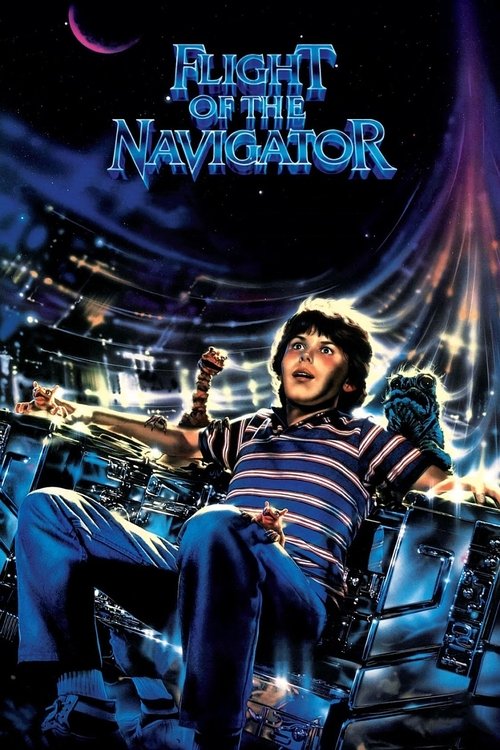
Flight of the Navigator1986
Both treat young people as fully capable of understanding and navigating complex technical and emotional challenges. Both believe kids' eyes are the right ones through which to see the cosmos.
A boy from 1978 wakes up in 1986 and discovers a sentient alien spacecraft. It's The Right Stuff reimagined as a kid's adventure—gorgeous practical effects, genuine sense of cosmic scale, and a tone that respects both wonder and fear. Absolutely transporting.
But Some narrative threads unravel under scrutiny. The pacing sags around the middle, and certain '80s elements feel very much of their moment.
More like this (8)
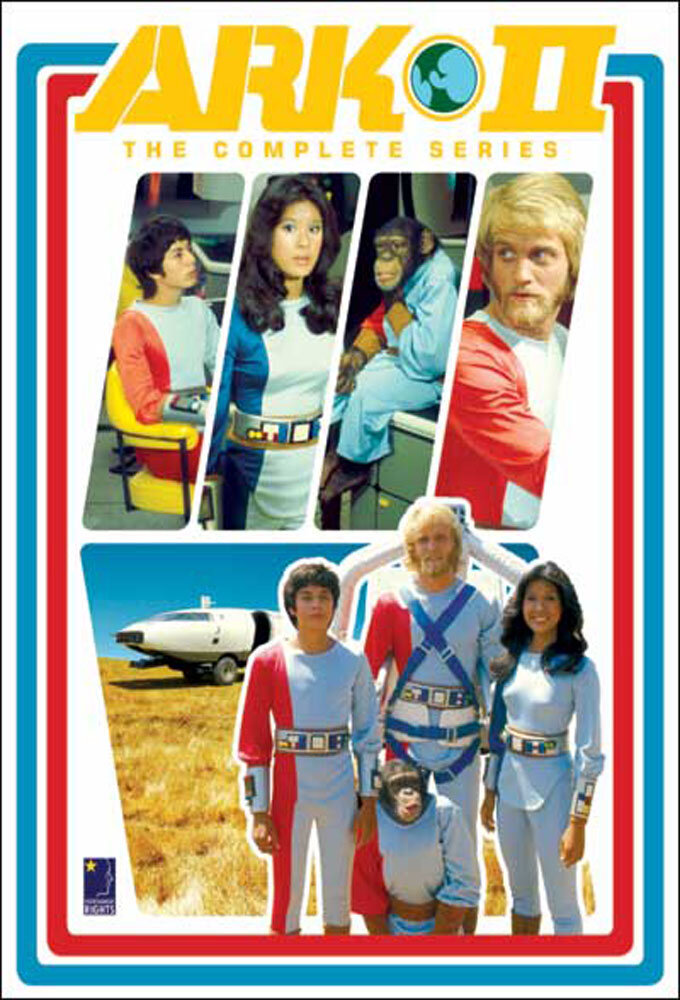
Ark II1976
Post-apocalyptic kids' show about a mobile ark preserving knowledge and helping survivors. Identical mission: young people traveling, learning, solving real problems with science and compassion.
But Very much of its moment—pacing feels slow, dialogue occasionally clunky. Only sixteen episodes were ever made.
Irwin Allen's Voyage to the Bottom of the Sea1964
Adventure-of-the-week with submarine crew solving strange problems through ingenuity and teamwork. That same pulpy optimism about exploration and science solving mysteries.
But Tone wobbles wildly between serious drama and camp. Later seasons abandon plausibility entirely.
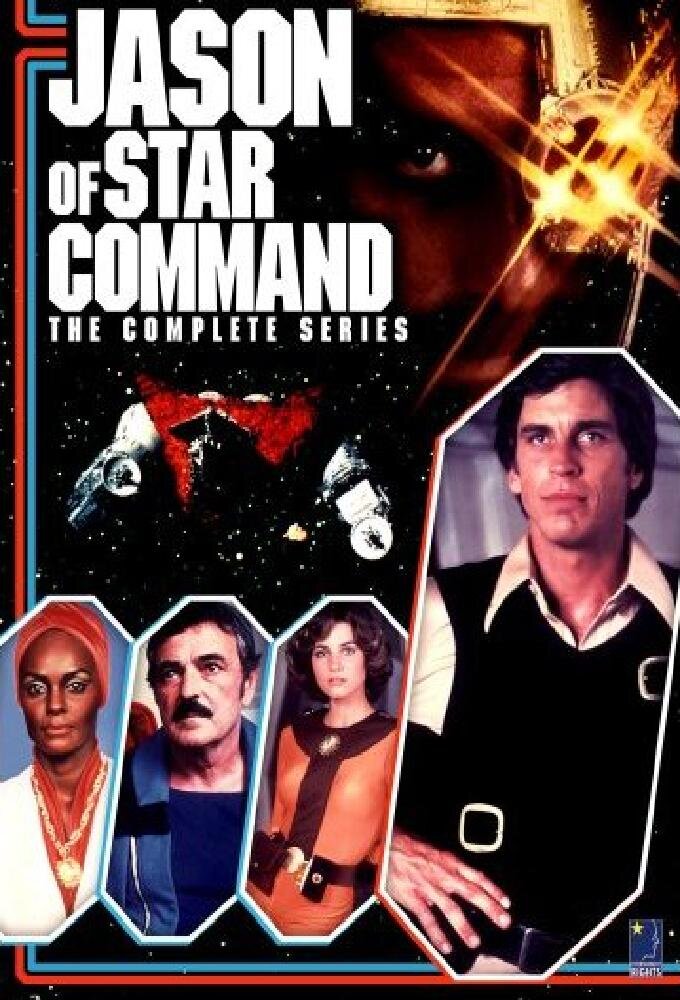
Jason of Star Command1978
Space Academy's spiritual descendant: cadets in a distant future learning to pilot and problem-solve. Same breezy ensemble dynamic, updated animation, equally sincere about wonder.
But Extremely of the early-2000s in its design and humor sensibility. Some jokes have aged poorly in specific ways.
Space Cases1996
Nickelodeon's answer to Space Academy: young cadets stranded in space, learning to work as a team, encountering genuine danger and moral complexity. Charming 90s sincerity.
But Only two seasons before cancellation means unresolved threads. Effects and acting are earnest but rough.
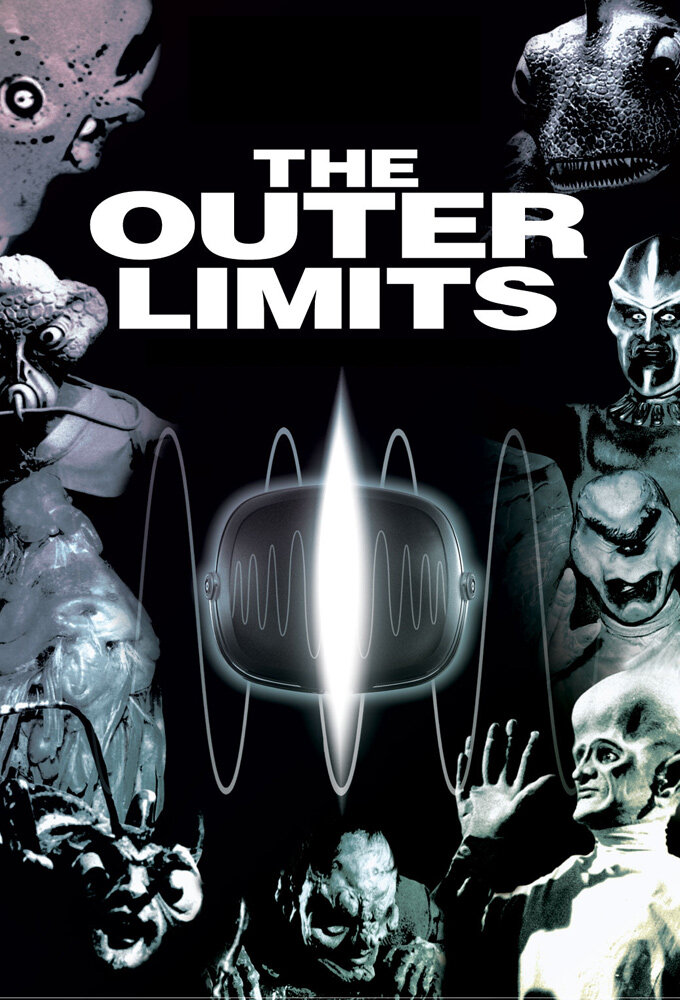
The Outer Limits1963
Anthology series that captured the same sense of cosmic wonder and scientific inquiry. Episodic structure means you can dip in anywhere; quality is consistently thoughtful.
But Being episodic, there's no ongoing narrative to anchor you. Some episodes feel more philosophical debate than drama.
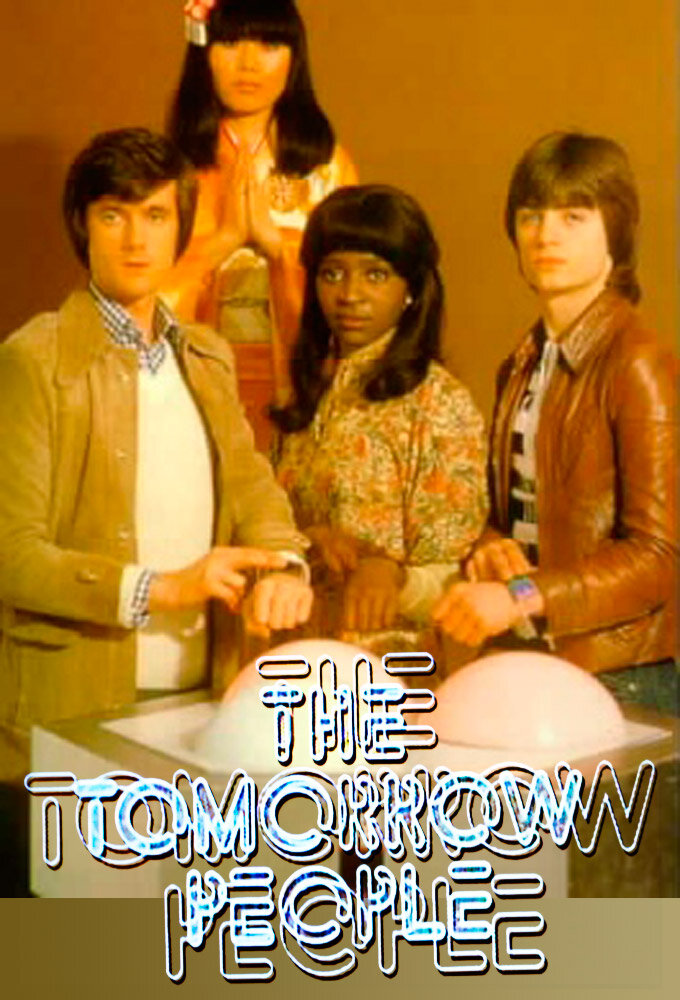
The Tomorrow People1973
British kids' sci-fi about young telepaths fighting alien threats and exploring their powers. Same mix of youth ensemble, earnest sci-fi concepts, and adventure without condescension.
But Visibly cheap production even for the era. Pacing is glacial by modern standards; episodes meander.
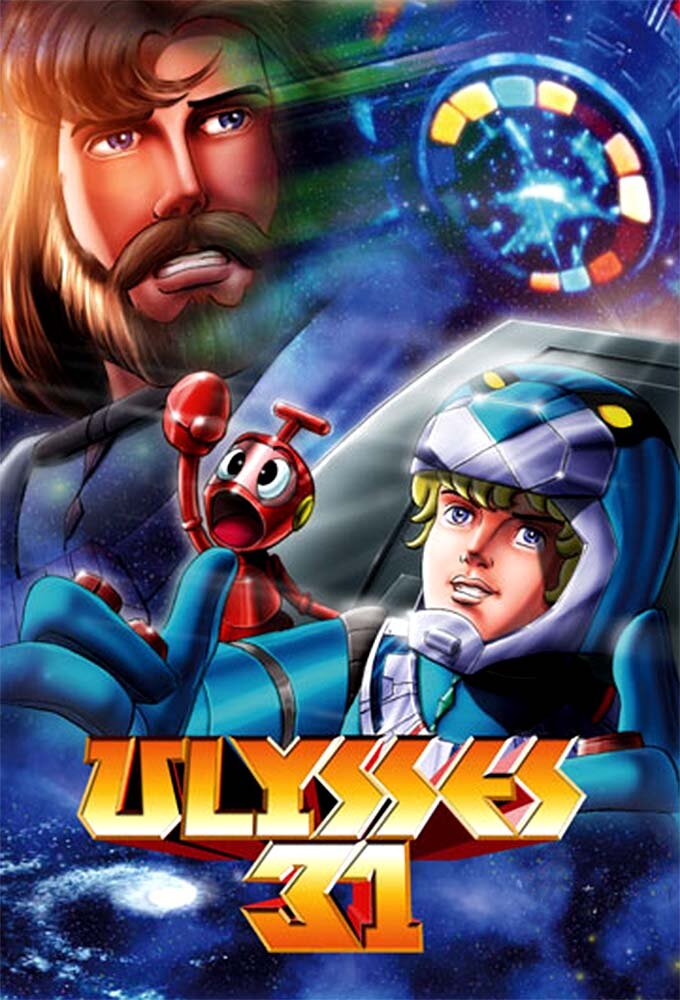
Ulysses 311981
Both are space exploration stories with ensemble crews facing impossible odds, but Ulysses 31 is the tragic, painterly answer to Space Academy's optimistic one. It shows the same universe through a very different emotional lens.
Japanese-French anime where a 31st-century starship captain and his robot search for their way home, riffing on Homer's Odyssey. Genuinely strange, gorgeously hand-drawn, melancholic in ways Space Academy wasn't allowed to be. A hidden masterpiece.
But Dubbed from French/Japanese; the English version can feel stiff. The serialized mythology takes several episodes to click. Deeply weird by kids-show standards.
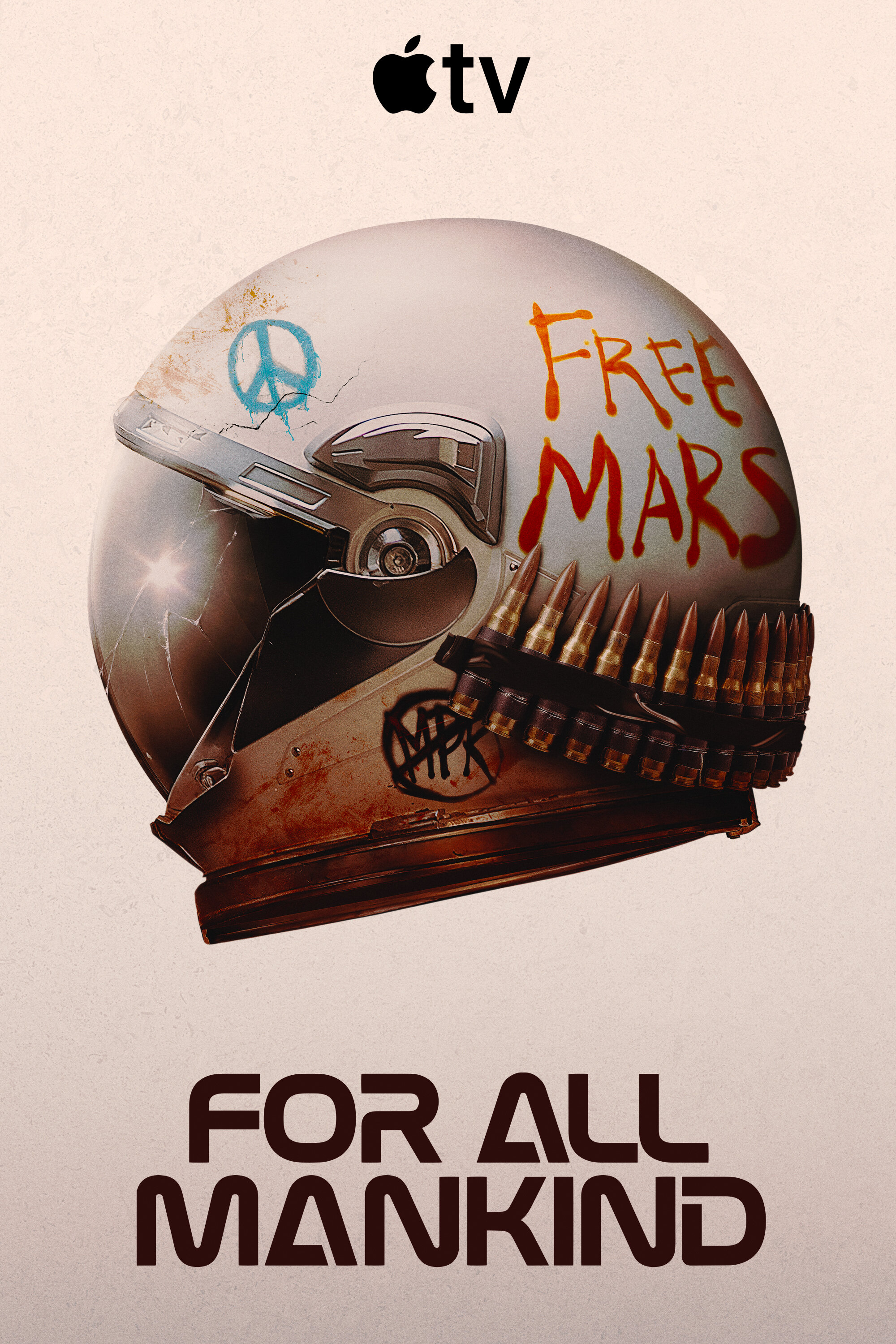
For All Mankind2019
Space Academy asked 'what if kids explored space?'. For All Mankind asks 'what if we never stopped?'. Both are love letters to the possibility of space, but one is children's wonder and the other is grown-up sacrifice and cost.
Alternate history: the Soviet Union beats us to the moon, and the space race never stops. Gorgeous production, genuine stakes, and a sprawling ensemble across decades learning to live in space. Captures that same sense of space exploration as humanity's greatest project.
But Slow-burn narrative; episodes feel long. Later seasons veer into melodrama. Requires patience and investment in a very long story.
People
Cast




Directing
- Sylvan DucovnayAssistant Director
Writing
- Allen DucovnyCreator
Production
- Lou ScheimerExecutive Producer
- Norm PrescottExecutive Producer
- Arthur H. NadelProducer
Recommended by
The Tomorrow People, Space Cases, Ark II, The Krofft Supershow