
Television series
Tales of Tomorrow
- Science fiction
- Dip in and out
A live-broadcast science fiction and horror anthology from 1951, where each half-hour episode adapted classics and original tales with the raw energy of early TV theatre. It's deliberately stagey, occasionally creaky, but electric with the thrill of live performance and real stakes. For anyone curious about how genre television began.
If you liked this
The Twilight Zone1959
The spiritual heir to Tales of Tomorrow, with tighter writing and more conceptual ambition. Each episode twists a premise into something transcendent, with Rod Serling's narration guiding you through zones both fantastical and devastatingly human.
But Anthology fatigue sets in for some viewers; not every episode lands, and a few feel dated or heavy-handed in their messaging.

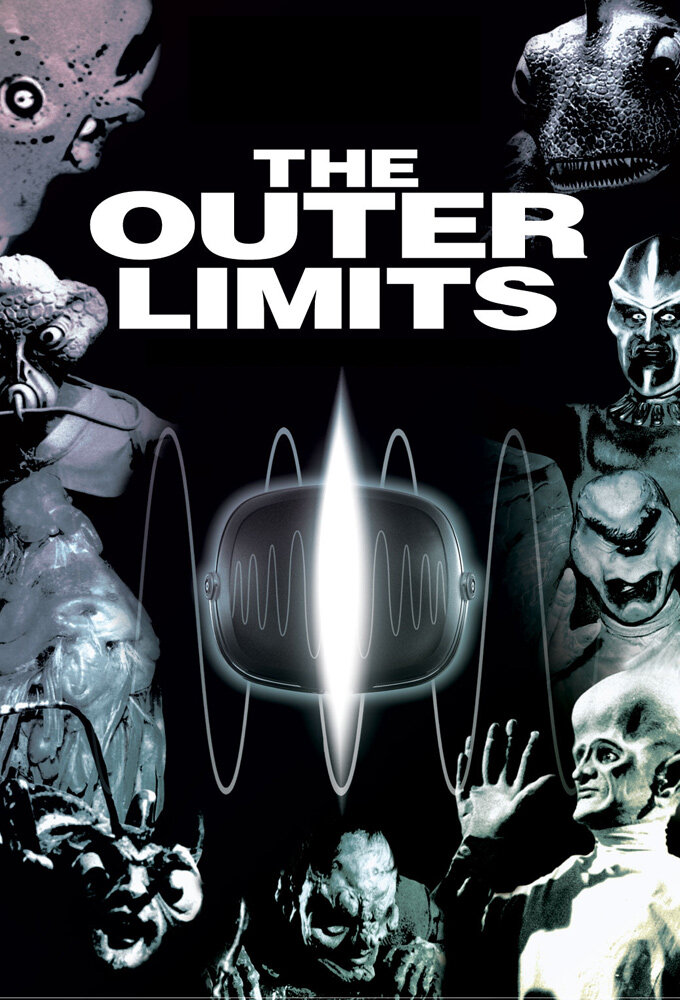
The Outer Limits1963
Where Tales of Tomorrow suggested cosmic dread, The Outer Limits delivers it in glorious, lurid colour. Creature design, philosophical questions, and a willingness to go genuinely dark make this the natural evolution of early sci-fi anthology television.
But Monster suits are often rubber and unconvincing by modern standards; some episodes drag in the middle act.
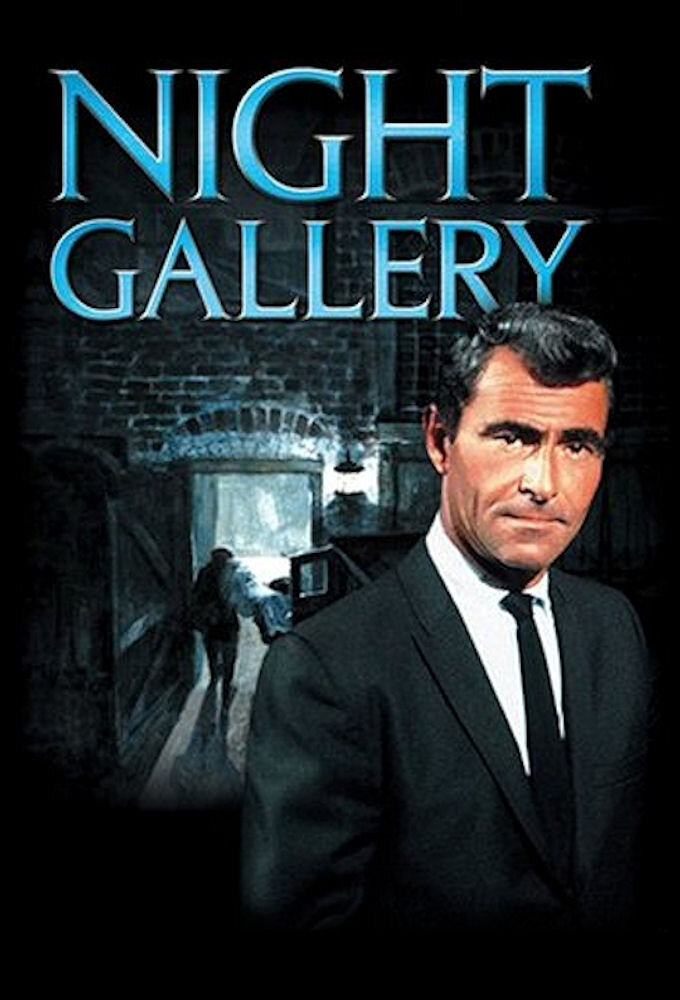
Night Gallery1969
Rod Serling's second anthology is weirder and less interested in neat morals. Horror takes the lead over sci-fi, with a painterly visual style and a taste for the grotesque. Each segment feels like stepping into a nightmare gallery.
But Unevenly paced, and Serling's introductions sometimes feel detached from the stories themselves. Some episodes slip into schmaltz.
Not sure tonight? Get a pick in a minute, starting from Tales of Tomorrow
The wildcard
Something you would not have found on your own.
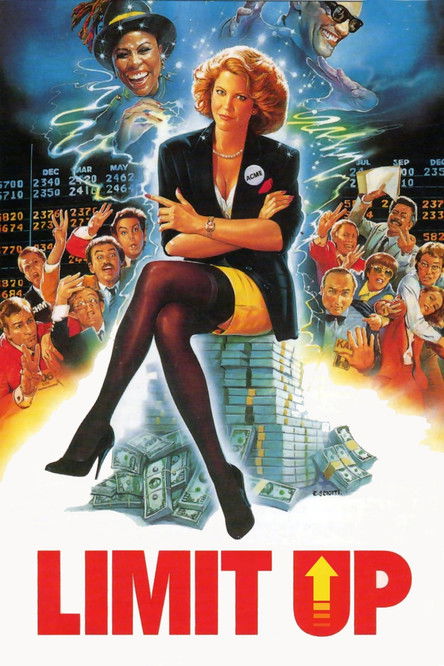
Limit Up1989
Both are live-action stories told with theatrical energy and a willingness to be frankly silly about serious concepts. Tales of Tomorrow treated sci-fi concepts as launching pads for drama; Limit Up treats them as license for absurdity. Same DNA, opposite temperament.
A comedic sci-fi about a young trader possessed by the ghost of a dead financier, helping her exploit the stock market. It's cheerful, absurd, and completely untethered from reality in the best way. Nancy Travis and Dean Stockwell are magnificent together.
But It's a deeply weird 1989 film that barely exists; you may struggle to find it, and the finance-comedy premise requires goodwill toward the material's own strangeness.
More like this (6)
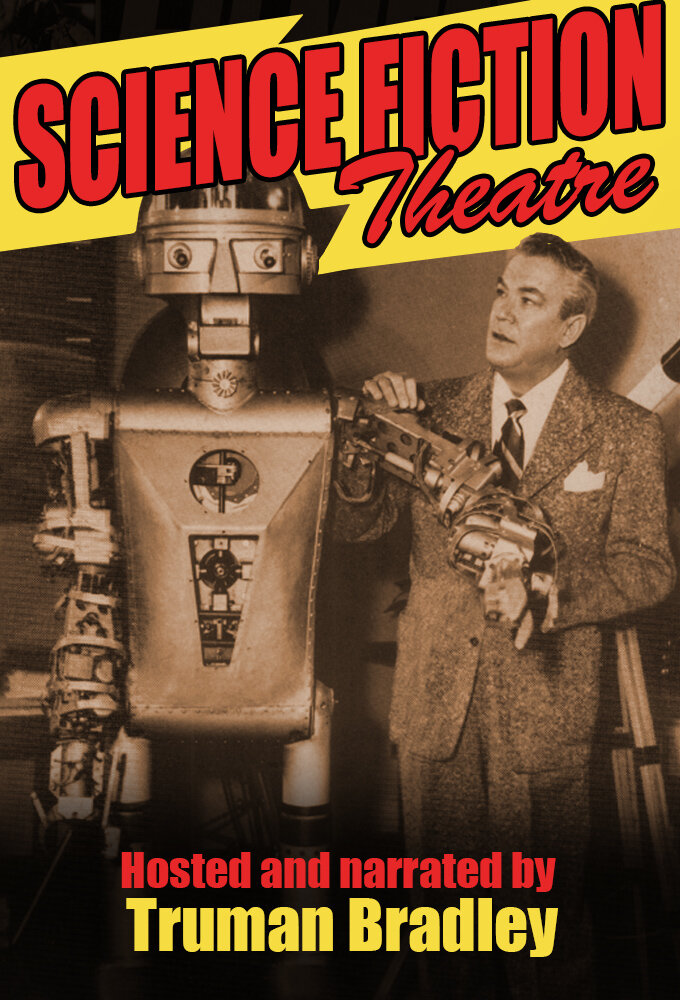
Science Fiction Theatre1955
A direct contemporary of Tales of Tomorrow that trades in harder sci-fi concepts rather than pure horror. Each episode builds a plausible (for 1955) future, and the practical effects work is thoughtfully done.
But Episodes are genuinely inconsistent in quality; some feel more like technical demonstrations than stories.
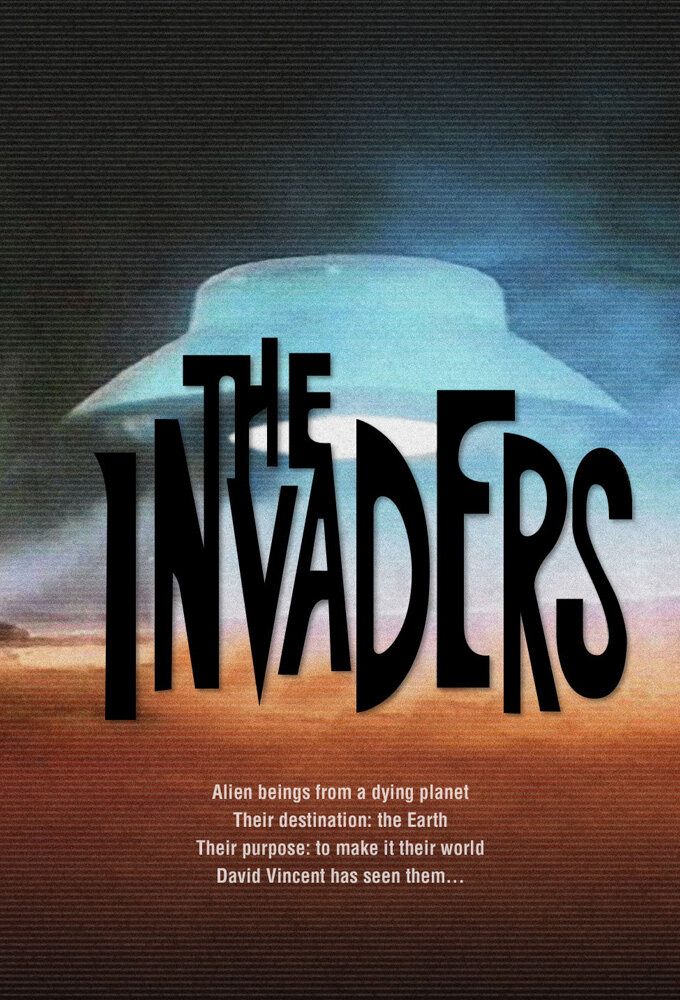
The Invaders1967
A paranoid, sustained nightmare about one man's impossible battle against aliens hiding in human form. It's tighter and meaner than most anthology shows, with genuine tension and very little comfort offered.
But Only two seasons and no resolution; the repetitive structure (he spots an alien, tries to prove it, fails) can feel limiting.
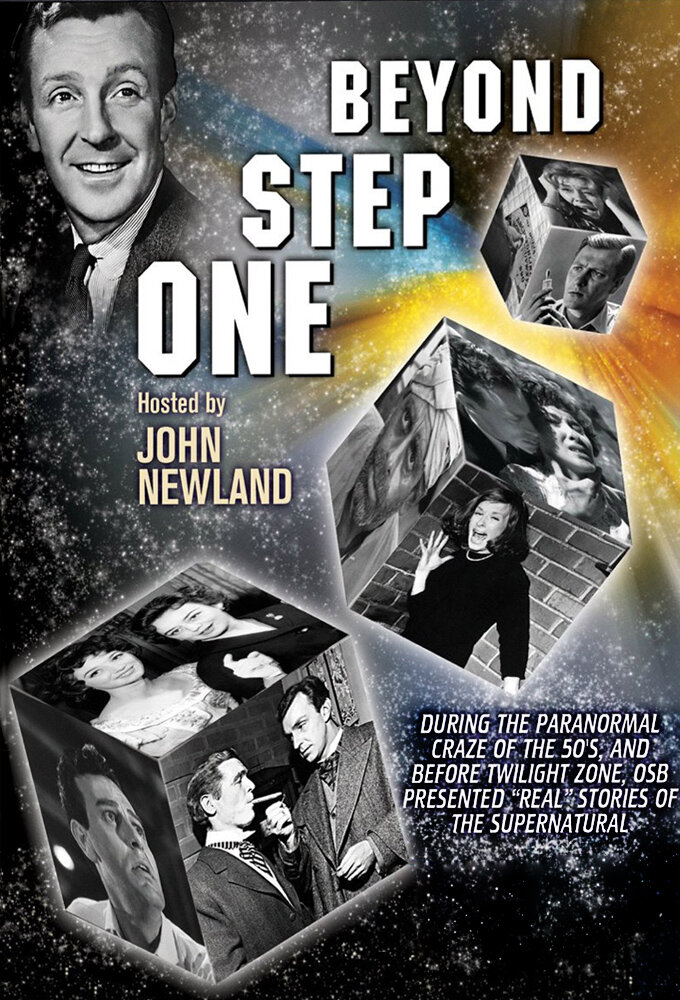
One Step Beyond1959
Less polished than Twilight Zone but often weirder and more unsettling. Based on allegedly true paranormal cases, it leans hard into occult mystery and has a genuinely eerie atmosphere that resists irony.
But The 'true story' framing is transparent fiction; acting quality is often amateur, which helps the mood but tests patience.
Suspense1949
The live-TV anthology that predates Tales of Tomorrow, built entirely from suspenseful short stories with genuine craftsmanship in the editing and pacing. It captures the same live-broadcast energy with slightly more polish.
But Limited surviving footage means you'll encounter gaps; the surviving episodes are sometimes overexposed or suffer from technical issues.
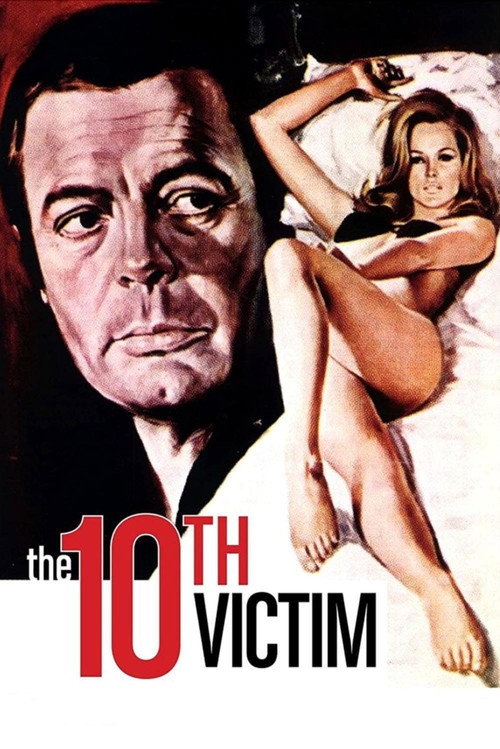
The 10th Victim1965
Both trust the audience to accept outlandish premises without endless exposition. Tales of Tomorrow would present 'immortal assassins competing for sport' straight-faced; The Tenth Victim makes it gorgeous and philosophically unmoored. Both say: start here, the world will catch up.
Marcello Mastroianni and Ursula Andress in a future where murder is legalised as entertainment. It's campy, gorgeous, deeply weird, and utterly committed to its ridiculous premise. Mod design, mod morality, mod ultraviolence treated as fashion.
But It's Italian sci-fi from 1965: wilfully strange, sometimes slow, assumes you're okay with moral chaos dressed up as chic. The logic collapses if you look too hard.
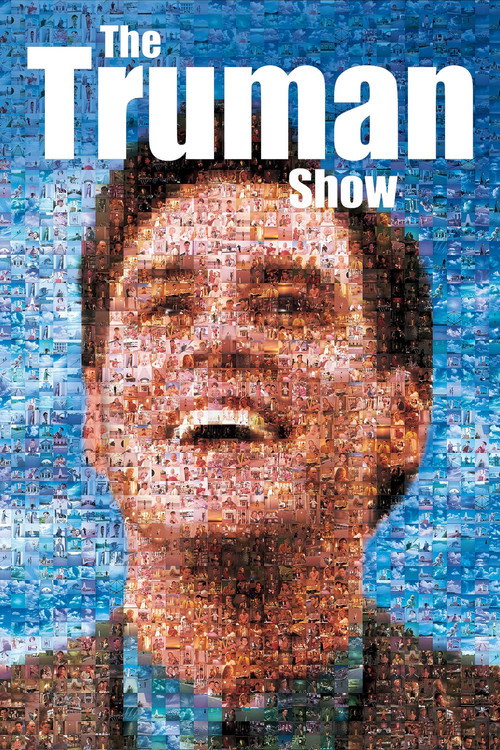
The Truman Show1998
Tales of Tomorrow was made in an era when live television was the only television—when broadcast meant anything could go wrong, nothing was truly private, and performance was inescapable. The Truman Show asks what it feels like to live inside that condition forever. Both are about the camera as destiny.
Jim Carrey as a man slowly realising his entire world is a television show. It's fundamentally about the act of watching, the artifice of performance, and what happens when the watched finally know they're observed. Funny, crushing, weirdly tender.
But The metaphor is heavy-handed; some viewers find it overbaked or manipulative. The ending divides people sharply.
Recommended by
General Electric Theater, Science Fiction Theatre, Four Star Playhouse