
Television series
Suspense
Other titles called Suspense: the 1913 film, the 1946 film, the 1962 series (BBC One).
A live-broadcast anthology of compact horror and suspense stories from radio's golden age, transplanted to early television. Each twenty-five-minute episode was performed as theatre—actors on a soundstage, no second takes, tension built through suggestion and craft rather than effects. Hypnotic viewing for anyone curious about how horror worked before gore, or how live TV created stakes.
Should you watch it?
Watch it if you love compact, self-contained tales where dread builds from ordinary rooms and a single well-turned premise, and you don't mind creaky early-television staging.
Skip it if you want modern pacing, polished effects or characters you follow across seasons, since each short, live episode is a self-contained shot with little room to breathe.
What it asks of you: Little ceremony: each sitting is brief and self-contained, so you settle in, let one sharp idea unspool, and move on without needing the last episode.
Not sure? Find tonight's pick in a minute.
If you liked this
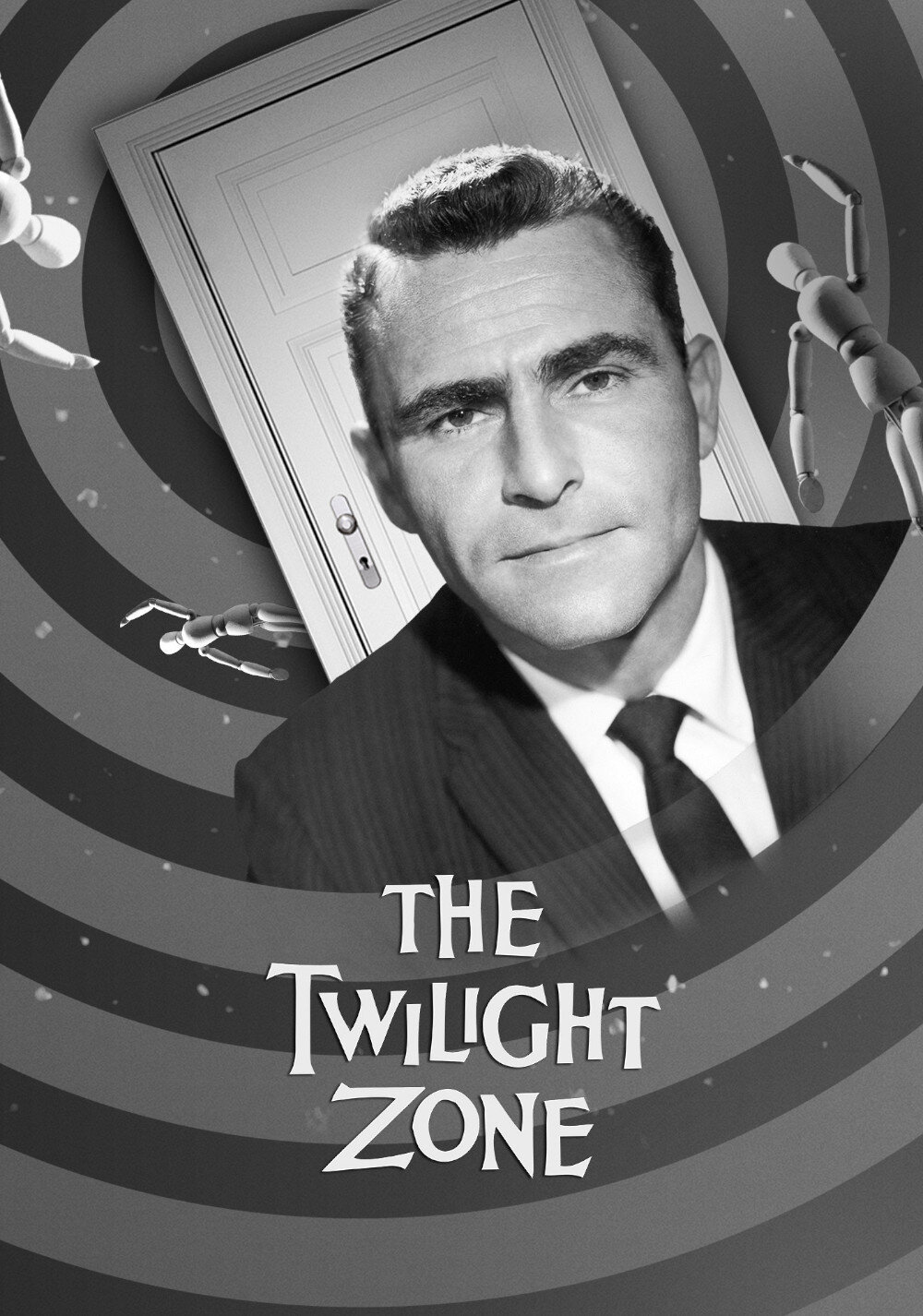
The Twilight Zone1959
The spiritual successor to Suspense's format: self-contained stories with twist endings, built on the strength of writing and performance rather than spectacle. Rod Serling's narration carries you through moral fables with genuine dread.
But Some episodes feel dated in their social commentary, and the pacing occasionally drags. A few concepts don't survive the decades well.
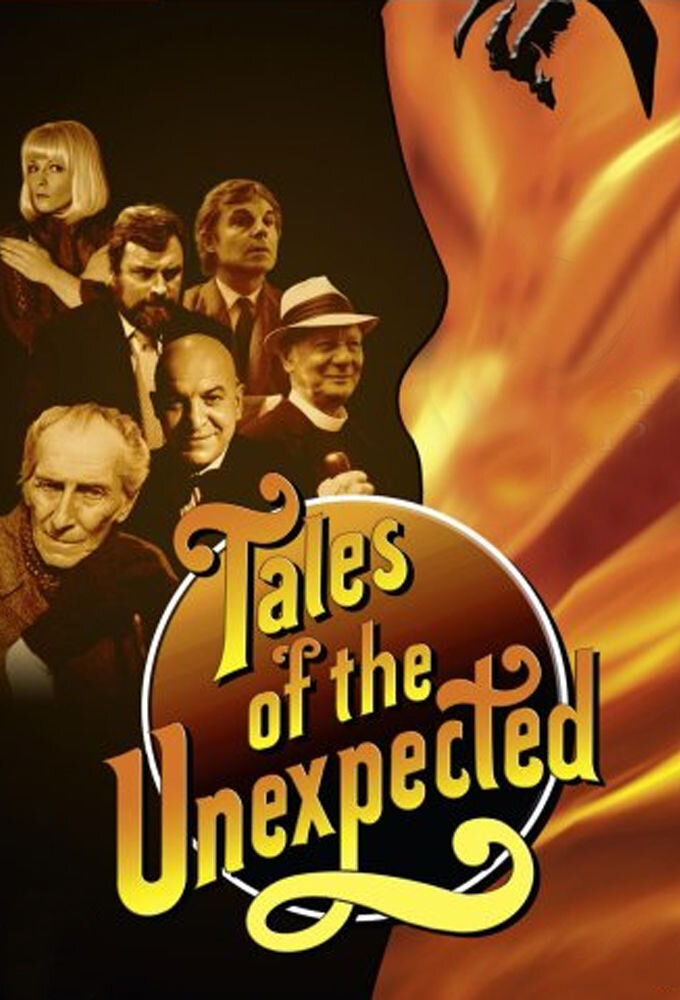
Tales of the Unexpected1977
Roald Dahl hosts and often writes these darkly comic shorts. The same economy of storytelling—no padding, maximum impact in thirty minutes—with a meaner sense of humour and a gift for comeuppance.
But The tonal whiplash between horror and comedy won't suit everyone. Some episodes prioritise shock value over character.
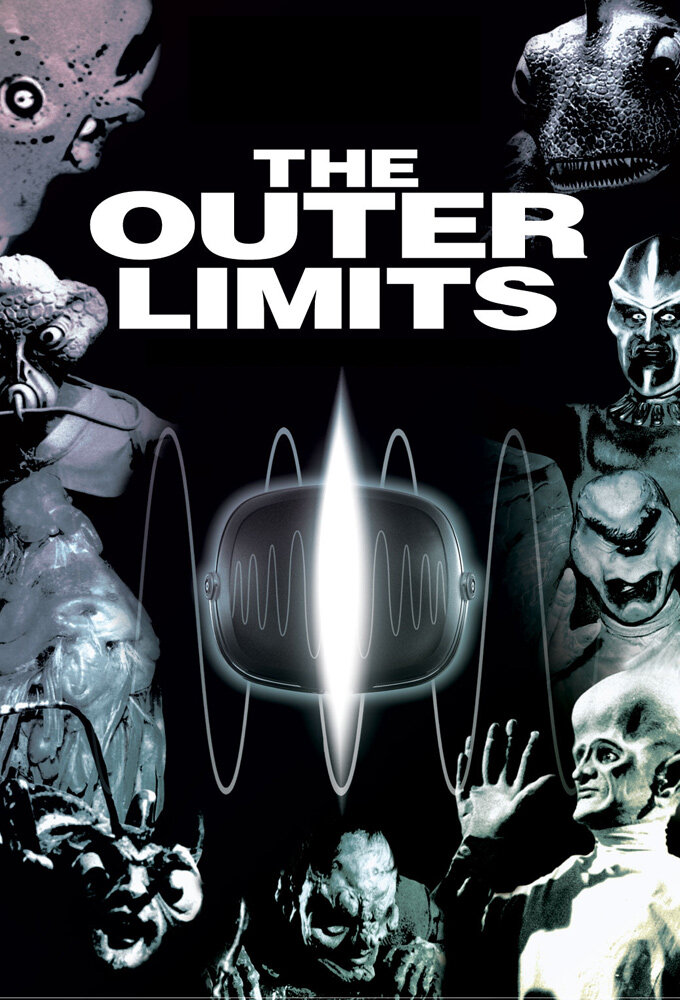
The Outer Limits1963
Another live-era descendant, balancing science fiction with genuine unease. Each episode builds its own world and rules, relying on ideas and atmosphere rather than creature effects that would look cheap anyway.
But The opening narration by the Control Voice is admirably bold but won't work for everyone. Early 1960s TV pacing feels glacial now.
Not sure tonight? Get a pick in a minute, starting from Suspense
The wildcard
Something you would not have found on your own.
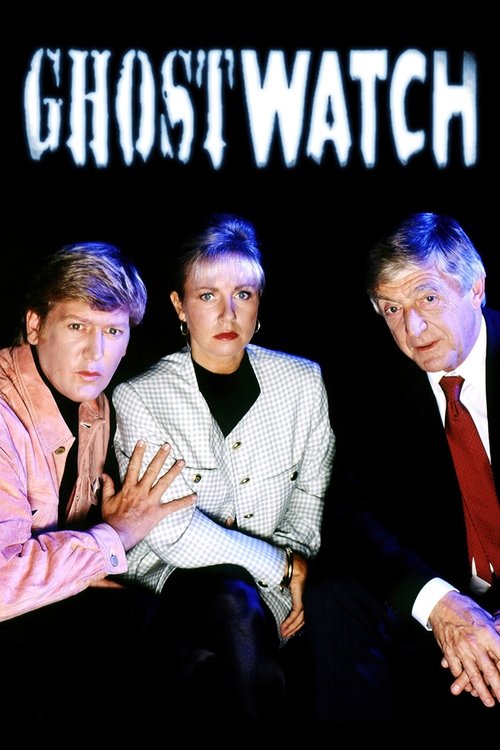
Ghostwatch1992
Both exploit the psychological power of 'liveness'—the sense that something is happening right now, uncontrolled, without a safety net. Ghostwatch transplanted that 1949 live-TV anxiety into a modern format.
A BBC broadcast masquerading as live paranormal investigation of a haunted house, shot in mockumentary style. It's the spiritual descendant of Suspense's 'live broadcast' aesthetic—same fake-liveness creating real tension—but uses 1990s technology and the intimacy of a TV investigation.
But Deliberately deceptive in its format, which upset viewers on first broadcast. Slow build with a chaotic ending. If you know it's fiction going in, some of the impact evaporates.
More like this (3)
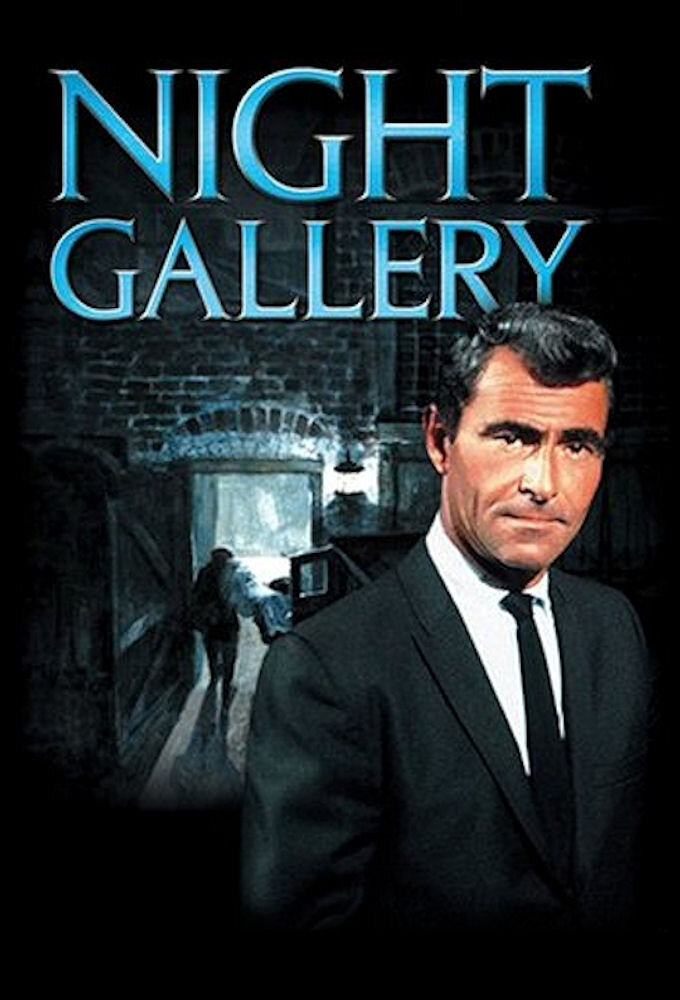
Night Gallery1969
Rod Serling again, but this time focused purely on horror and the macabre rather than social lessons. Surreal, painterly, often genuinely unsettling. Shorter episodes (half-hour slots with ads) keep tension razor-sharp.
But Uneven in quality—some stories are brilliant, others misfire badly. Serling's closing narrations can feel heavy-handed.
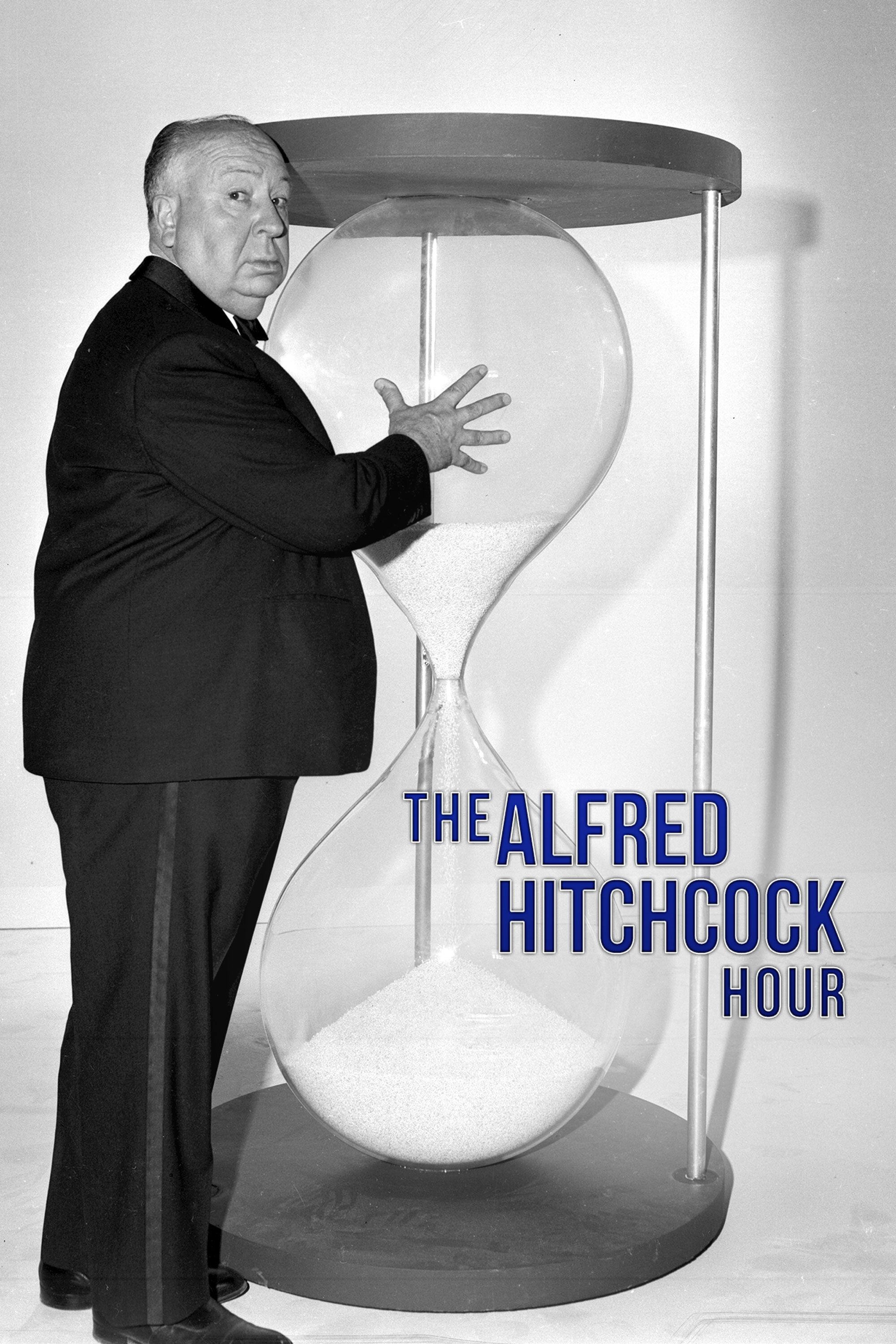
The Alfred Hitchcock Hour1962
Hour-long adaptations of short stories, all building to Hitchcock's vision of how ordinary people respond to extraordinary circumstances. Masterclasses in suspense construction, every scene doing double duty.
But Some adaptations are bloated to fill the hour. Knowing Hitchcock's sensibilities up front can soften surprises.
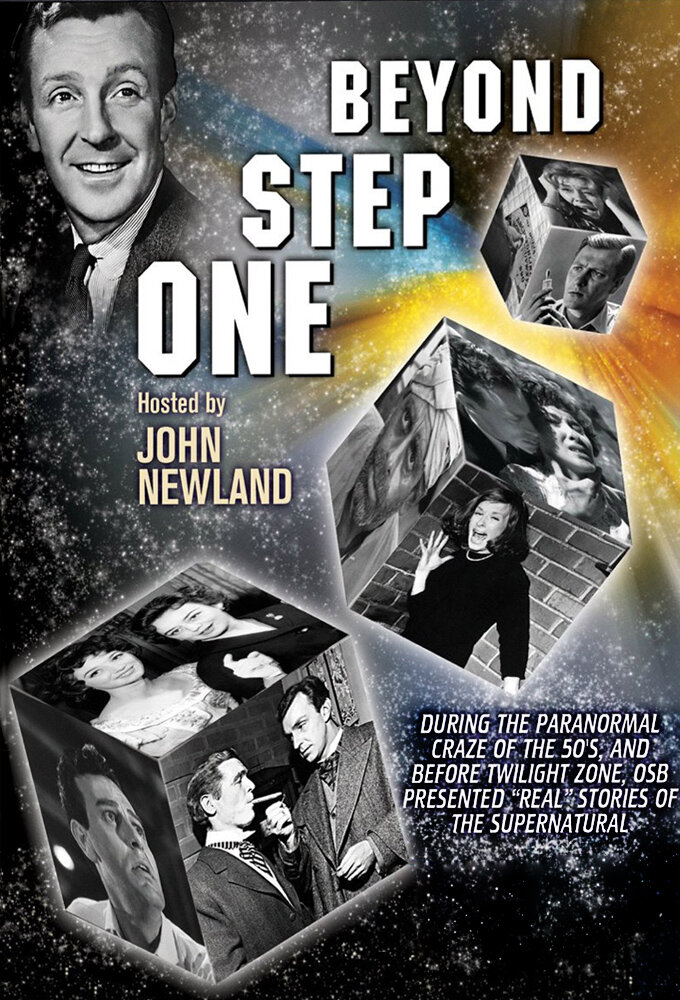
One Step Beyond1959
Narrated as 'true' supernatural cases, it blurs the line between realism and the uncanny. Deliberately understated, relying on implication and performance. Often genuinely unnerving because of what you don't see.
But The 'based on a true story' framing feels manipulative now. Some episodes are slow, and the psychic premise won't appeal to sceptics.
People
Cast
 Rex MarshallAnnouncer