
Film
Suspense
Other titles called Suspense: the 1913 film, the 1949 series (CBS), the 1962 series (BBC One).
A 1946 noir-adjacent thriller built around ice-skating spectacle. A small-time peanut vendor rises to manage a revue, but his attention to the star—the owner's wife—breeds jealousy and suspicion. It's a film caught between genres: part showbiz melodrama, part crime thriller, with genuine unease underneath the glitzy surface. For fans of mid-century paranoia and theatrical mise-en-scène.
Should you watch it?
Watch it if you enjoy slow-building jealousy stories where a small, petty grievance quietly grows into real menace, and you like backstage worlds of show business rivalry and ambition.
Skip it if you hope for glittering skating numbers and sunny showbiz fun, since this is a tense, sour drama that keeps its mood grim.
What it asks of you: Steady, unhurried attention for about an hour and forty minutes, with tension built from glances and small suspicions rather than big set pieces.
Not sure? Find tonight's pick in a minute.
If you liked this
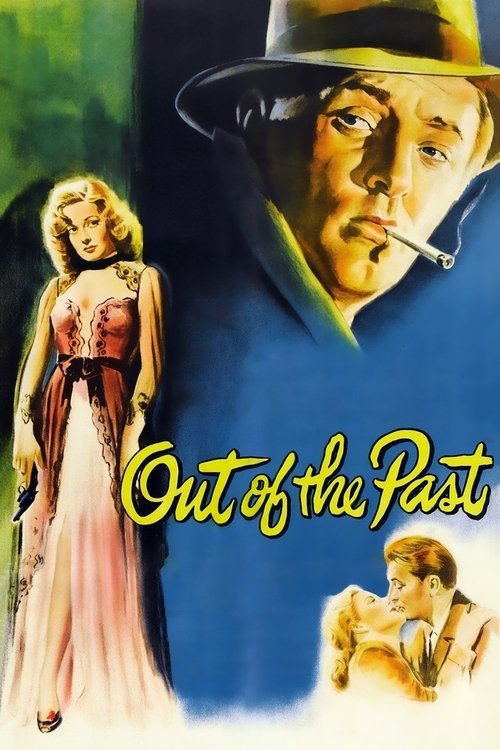
Out of the Past1947
The definitive postwar noir: a man drawn into moral compromise by a woman, murder, and the inescapability of the past. Stylish, cynical, perfectly paced. If you want to understand what 1940s cinema looked like at its best, this is it.
But Takes its time with mood over plot. If you need constant forward momentum or contemporary editing rhythms, the deliberate pacing will feel slow.
The Killing1956
Kubrick's debut: a heist film told in fragments, where jealousy and small betrayals unravel a perfect plan. Tense, inventive structure, and it understands how quickly trust dissolves among desperate men.
But The narrative jumps around deliberately, which can feel jarring on first viewing. Some find the fragmented approach more clever than emotionally engaging.

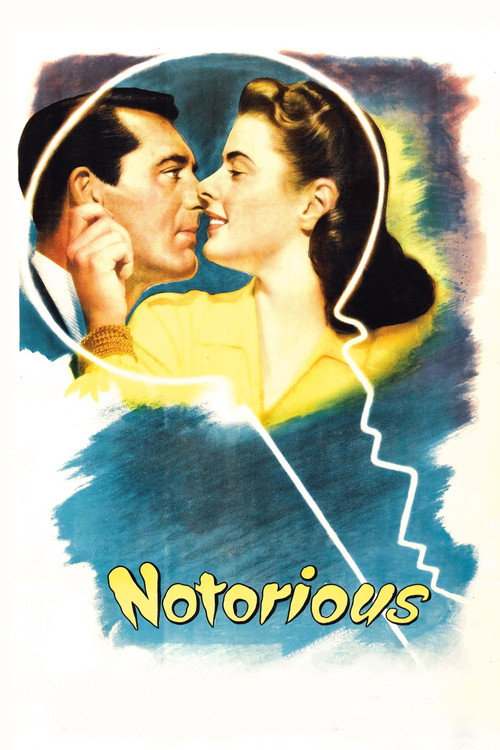
Notorious1946
Hitchcock's espionage thriller with Cary Grant and Ingrid Bergman. Erotic tension, moral complexity, and the kind of sustained dread that makes you grip your seat. A masterpiece of suspicion and desire.
But The pacing is leisurely by modern standards, and some plot machinery feels dated. The romantic resolution may feel too tidy for a film this morally murky.
Not sure tonight? Get a pick in a minute, starting from Suspense
The wildcard
Something you would not have found on your own.
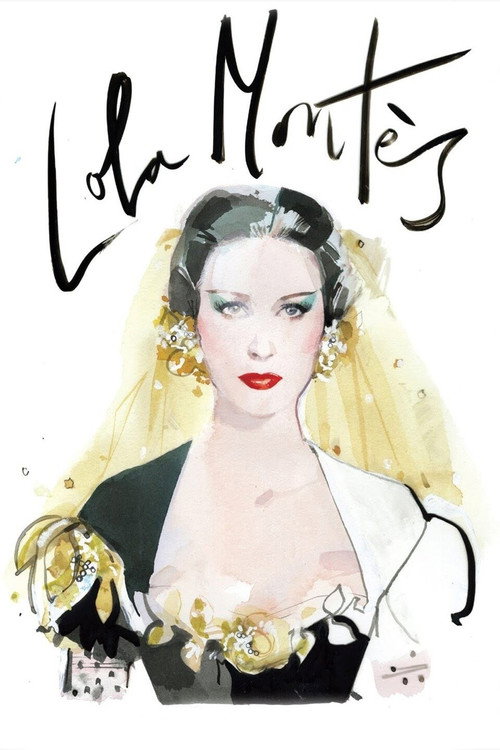
Lola Montès1955
Both films stage jealousy and desire within a theatrical milieu. Both use spectacle and performance as both seduction and weapon. Both understand how intimacy and suspicion are inseparable.
Ophüls' dazzling circus-frame story of a fallen dancer and her exploitative lovers. It's theatrical, formally audacious, and deeply concerned with how desire and performance corrupt. The visual language—cameras, mirrors, performance-within-performance—is intoxicating. A film about obsession that performs obsession.
But It's formally experimental in ways that can feel mannered. The fragmented narrative may feel self-consciously arty rather than dramatically urgent. Also: max-volume melodrama, which some find exhausting.
More like this (8)
In a Lonely Place1950
Bogart as a volatile screenwriter suspected of murder. Paranoia and jealousy corrode his relationship from within. Ray's direction is unflinching about how suspicion poisons intimacy.
But Bleak and uncompromising. There's no redemption arc, and the ending offers no comfort. Not a film that leaves you feeling good.

The Asphalt Jungle1950
Huston's prototype heist film: meticulous planning, small egos, inevitable betrayal. The whole modern crime-film vocabulary starts here. Taught, cruel, and deeply influential.
But It's a procedural first and a character study second. If you prefer emotional depth to mechanical plotting, the coldness might distance you.

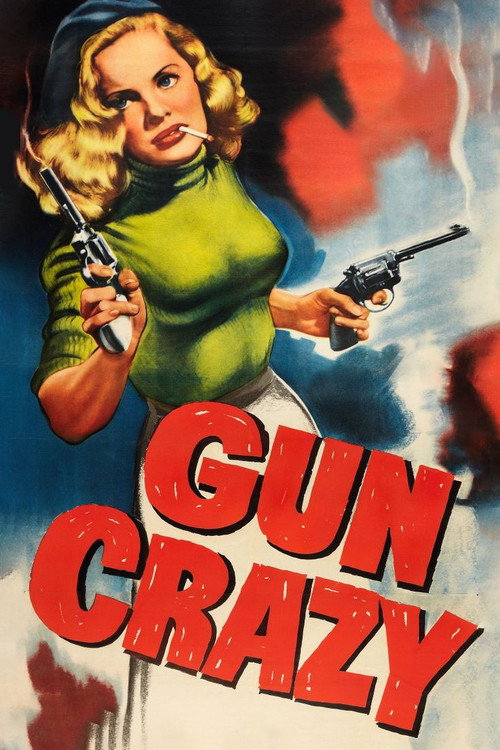
Gun Crazy1950
A lovers-on-the-run film where obsession and desire drive two people toward destruction. Shot with urgency and intimacy. The psychological portrait of how love can become a death wish.
But The violence, while brief, is shocking for 1950. The fatalism is total—there's no hope or escape, which some find exhausting rather than tragic.
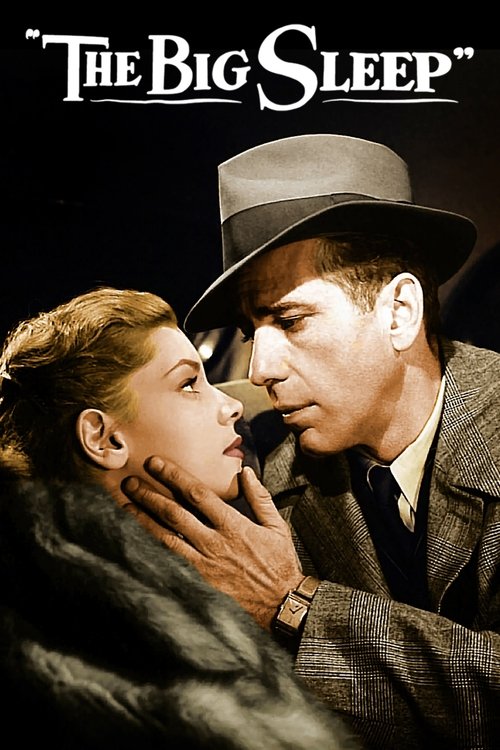
The Big Sleep1946
Bogart and Bacall's chemistry burns through Chandler's convoluted plot. It doesn't quite make sense, but that barely matters—the banter and atmosphere carry you. Pure 1940s cool.
But The plot is genuinely confusing, even to the screenwriters. If clarity matters to you, this will frustrate rather than charm.
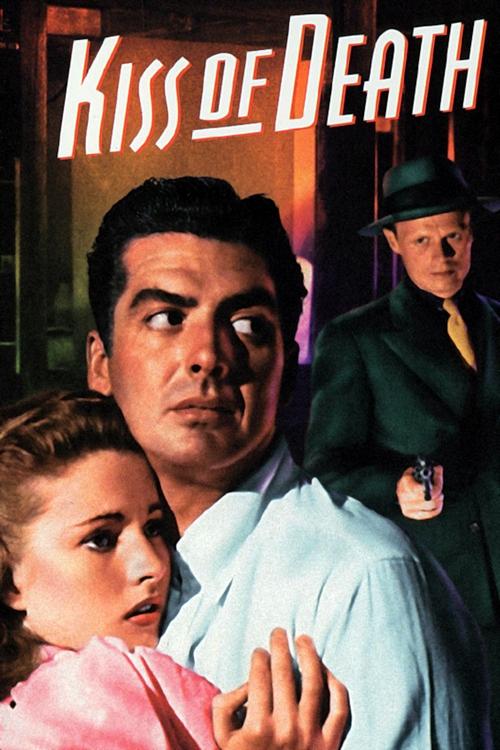
Kiss of Death1947
A noir with moral complexity: an informant betrays his underworld associates. Dassin's direction is sharp, and there's real tension between duty and loyalty. Also introduces Richard Widmark's unhinged villain.
But It's more interested in crime-procedural detail than character psychology. The pacing can feel a bit mechanical, and the informant's moral arc is muddled.
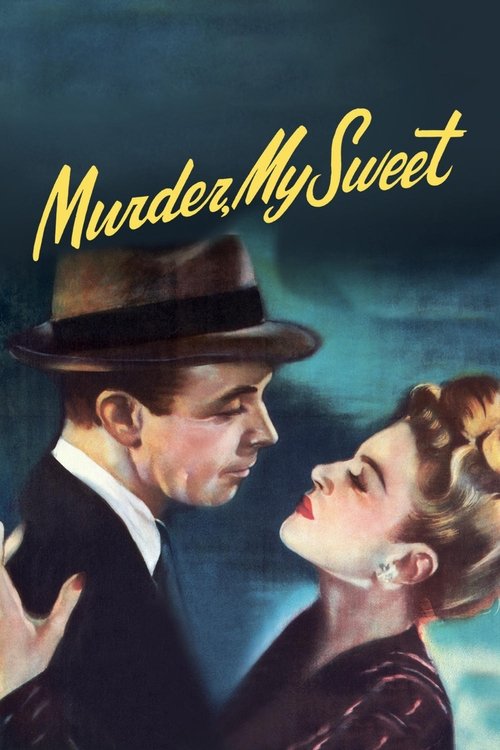
Murder, My Sweet1944
Chandler adaptation with Dick Powell in a surprisingly dark role. Betrayal, drugged haze, and psychological torture. Gritty and visually inventive, with Powell's everyman vulnerability making the sadism hit harder.
But The plot is Byzantine and genuinely hard to follow. By the third act, motivations blur, and some viewers find the narrative incoherence more annoying than atmospheric.
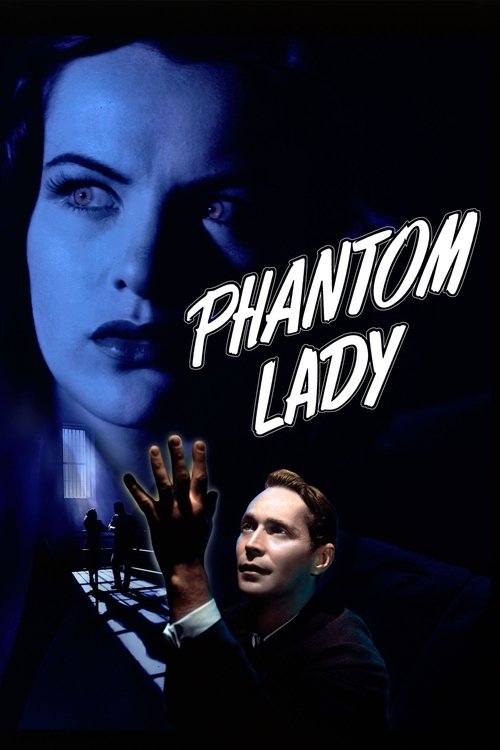
Phantom Lady1944
Both are mid-1940s American thrillers built around betrayal within intimate partnerships. Both use nightlife and performance as moral quicksand. Both ask: how well can you ever know someone?
Robert Siodmak's masterpiece: a woman hunts her lover's murderer through a nightclub world of performance and masquerade. Visually baroque, deeply paranoid, and erotically charged. The woman is the detective and the temptation.
But The psychological intensity is relentless and sometimes feels overwrought. The gender politics are dated in ways that can read as uncomfortable.
Kes1970
Both films understand suspicion and attention as forms of violence. Both trace how one person rising in status or favor breeds resentment in those around him. Both are about how fragile trust is when survival is at stake.
Loach's kitchen-sink drama about a working-class boy and his hawk. It's a world away from 1946 Hollywood, yet it shares a deep understanding of how one person's attention can wound another, how care can curdle into control, how small kindnesses can be weaponized by circumstance and cruelty.
But It's bleak, slow, and offers no catharsis. The violence is structural rather than dramatic. No genre thrills, no plot mechanics to propel you. Requires patience and emotional openness.

People
Cast
 BelitaRoberta Leonard, aka Roberta Elva
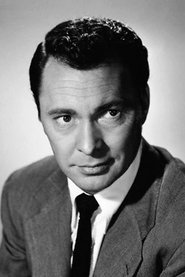 Barry SullivanJoe Morgan
 Bonita GranvilleRonnie
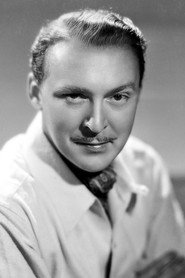 Albert DekkerFrank Leonard
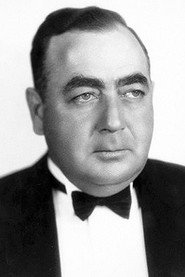 Eugene PalletteHarry Wheeler
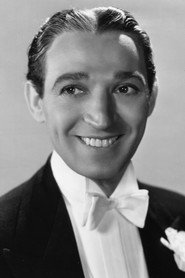
- Edit AngoldNora
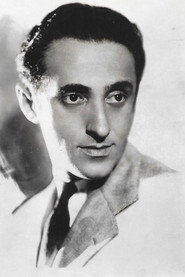 Leon BelascoPierre Yasha
- Miguelito ValdésIce Show Singer
- Bobby RamosMexican Restaurant Vocalist
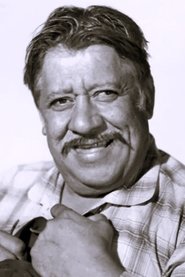 Chris-Pin MartinMexican Waiter (uncredited)
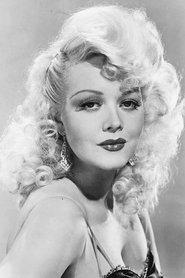 Marion MartinShooting Gallery Blond (uncredited)
Directing
- Frank TuttleDirector
Writing
- Philip YordanScreenplay
Production
- Frank KingProducer
- Maurice KingProducer