
Television series
The Alfred Hitchcock Hour
- Crime thriller
- Mystery
- Dip in and out
A showcase for tight, inventive suspense storytelling hosted by Hitchcock himself, whose sardonic introductions and outros are as much the draw as the stories. Each hour-long episode is a complete tale of crime, betrayal, or psychological terror, crafted by some of television's finest writers. Built for people who love plot.
Should you watch it?
Watch it if you enjoy self-contained anthology stories built on suspense and dry, mordant wit, where the pleasure lies in watching a neat trap close and the host's sly asides about the sponsors.
Skip it if you want a continuing story or characters you can settle into, since each hour is a fresh standalone tale and the 1960s pacing and black-and-white restraint feel slow to some modern viewers.
What it asks of you: Each episode runs about an hour and stands alone, so you can dip in anywhere, but expect patience with unhurried setups and a fondness for old-fashioned televised suspense.
Not sure? Find tonight's pick in a minute.
If you liked this
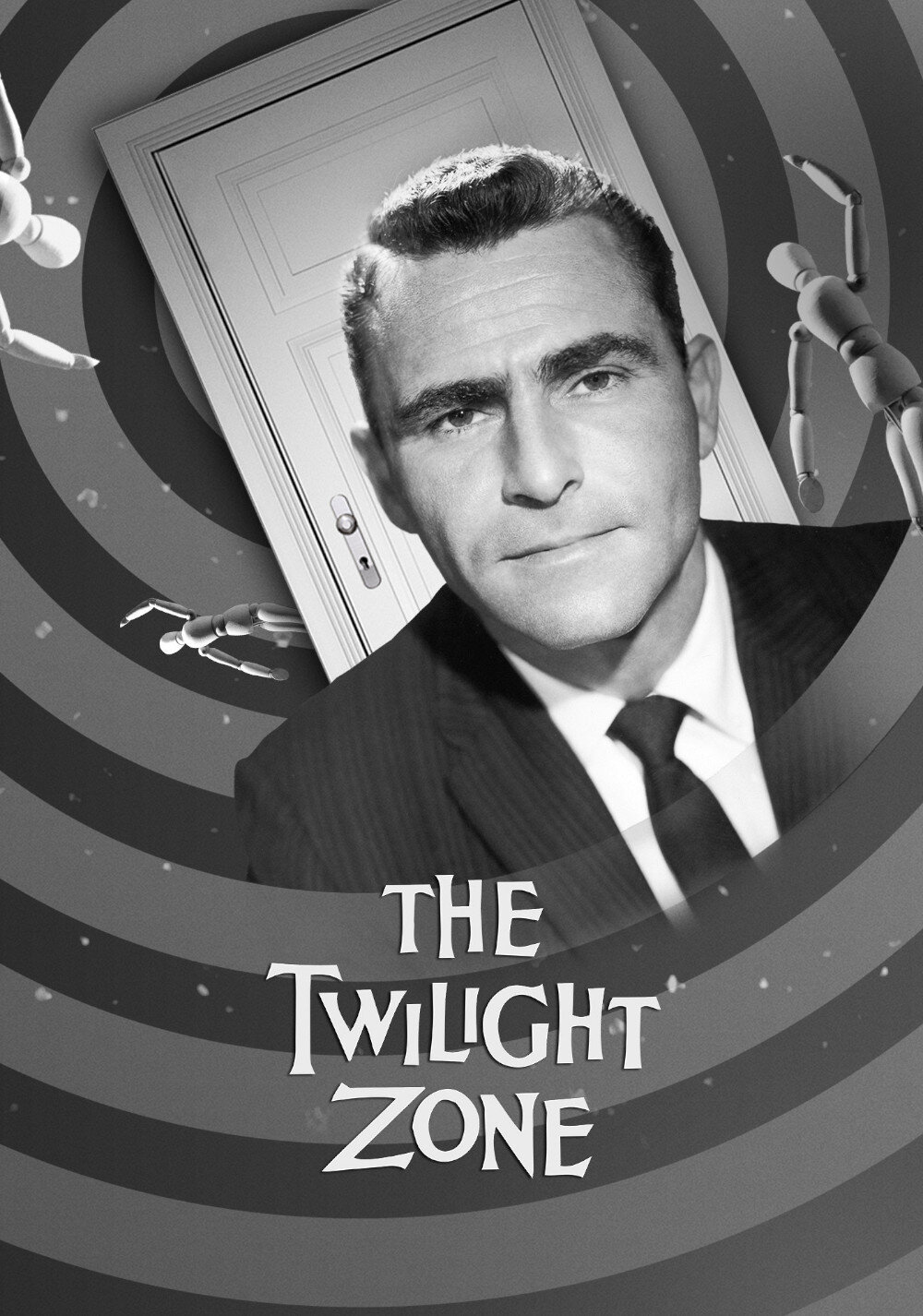
The Twilight Zone1959
Anthology series with the same intelligence and economy, but trades suspense for uncanny revelation. Episodes are perfect, and Rod Serling's introductions have their own acerbic charm. A natural next step.
But Some stories land better than others, and the 1960s production values can feel thin. A few episodes trade on twist rather than substance.
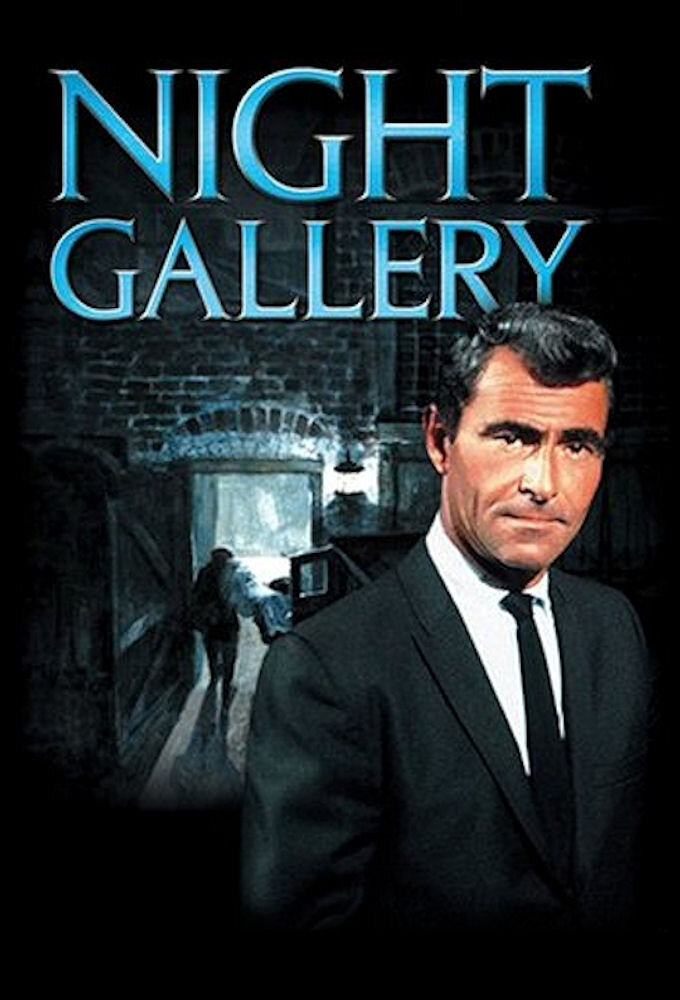
Night Gallery1969
Serling again, but darker and more visual. Shorter stories, creepier set pieces, and he leans into the grotesque rather than the philosophical. If you loved Hitchcock's willingness to be nasty, this escalates that.
But Unevenly written and sometimes precious. The framing device outstays its welcome by the third season.
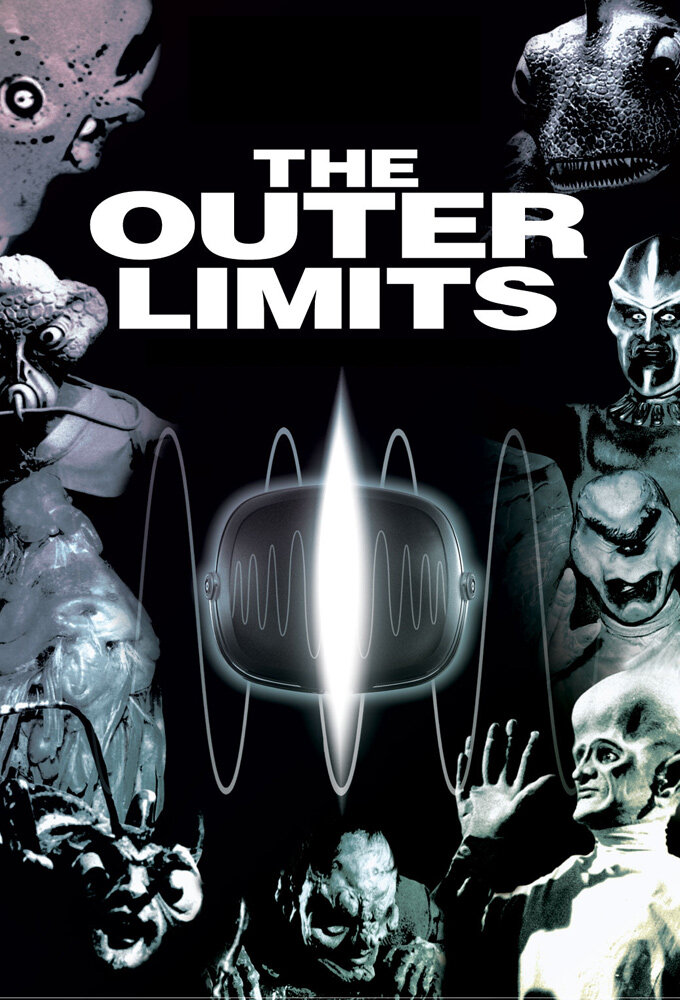
The Outer Limits1963
Hour-long sci-fi suspense with genuine craft. Less about twist and more about sustained dread. The monster-of-the-week format gives you variety while keeping the quality remarkably consistent.
But Creature effects are dated, and some plots are conceptually thin once you see past the alien makeup.
Not sure tonight? Get a pick in a minute, starting from The Alfred Hitchcock Hour
The wildcard
Something you would not have found on your own.
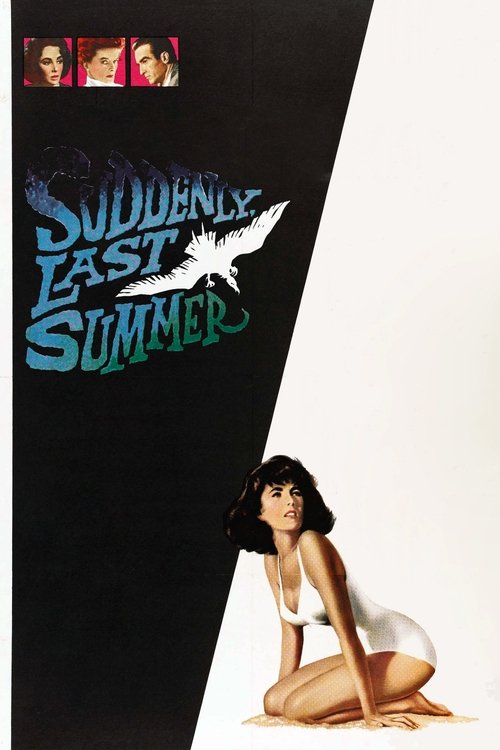
Suddenly, Last Summer1959
Both are about how what you don't know can destroy you. Suspense comes from the slow surfacing of a terrible truth, not from action. The camera watches people unravel.
Tennessee Williams and Joseph L. Mankiewicz build psychological terror through dialogue and revelation. A woman's sanity is weaponized; truth is hidden in plain sight. All suspense, no gore. Pure Hitchcock technique applied to a very different story.
But It's claustrophobic and sexualized in ways 1959 cinema barely discusses. Elizabeth Taylor's breakdown is exhausting to watch—the film doesn't let you off easy.
More like this (5)
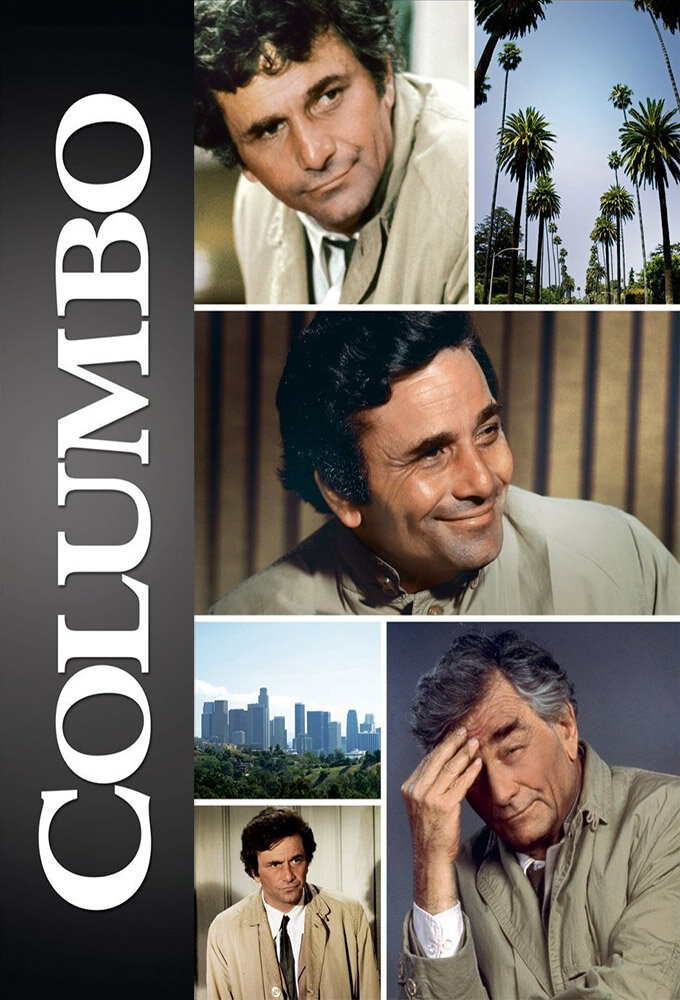
Columbo1968
Same era, same network ancestry. But here Hitchcock's structural elegance is applied to the procedural: you watch the crime first, then watch Columbo circle the killer. Brilliant plotting and Peter Falk is magnetic.
But It's warmer and more talky than Hitchcock. If you want cold, elegant precision, you might find it sentimental.
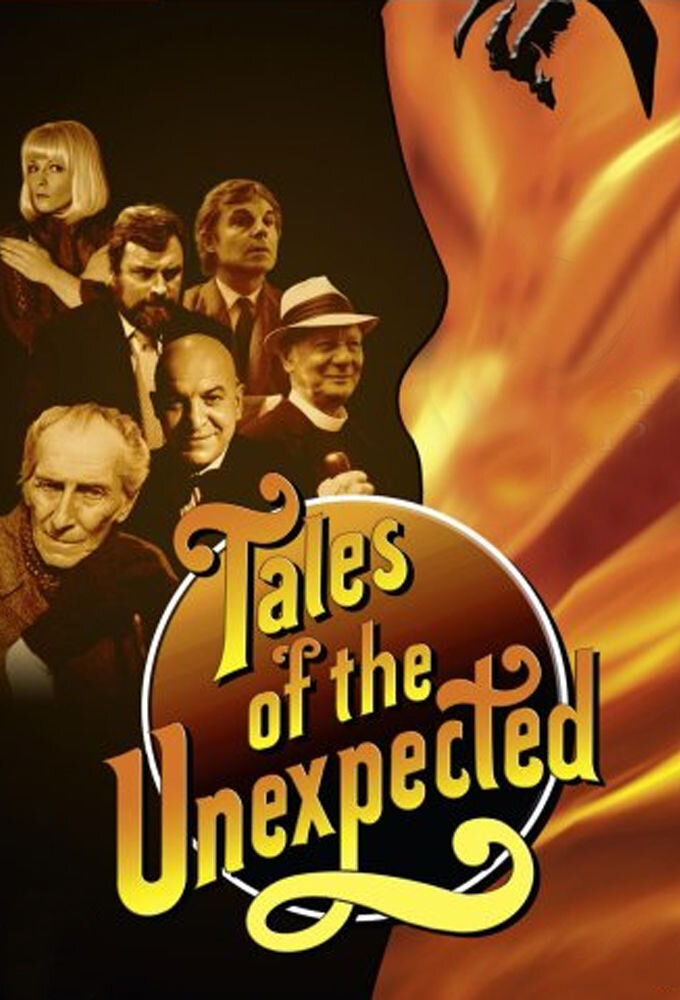
Tales of the Unexpected1977
British anthology that channels Hitchcock's sensibility without imitating him. Roald Dahl introduced the episodes, and the writing is genuinely clever. More brutal than American television was comfortable with.
But Some stories are nasty in ways that feel gratuitous rather than purposeful. A few turn on contrivance.
Alfred Hitchcock Presents1955
The revival of the original series, half-hour episodes with modern production. If you want more Hitchcock-era suspense in that tighter format, this brings some stories that didn't make the original run.
But It lacks the urgency of the original series, and Hitchcock's absence (replaced by voice-over) means you lose what made those intros work.
In Cold Blood1967
Hitchcock proved you could make suspense from structure rather than spectacle. In Cold Blood takes that lesson to nonfiction, showing that restraint and documentary clarity can be more unsettling than any dramatization.
A nonfiction narrative shot in black-and-white, telling a real crime with Hitchcockian precision. The suspense comes from following the investigation and the killers' own psychology. Richard Brooks treats murder as material for form, not exploitation.
But It's deliberately cold and unglamorous. The violence is real (it was a real murder), and some viewers find that morally troubling rather than thrilling.
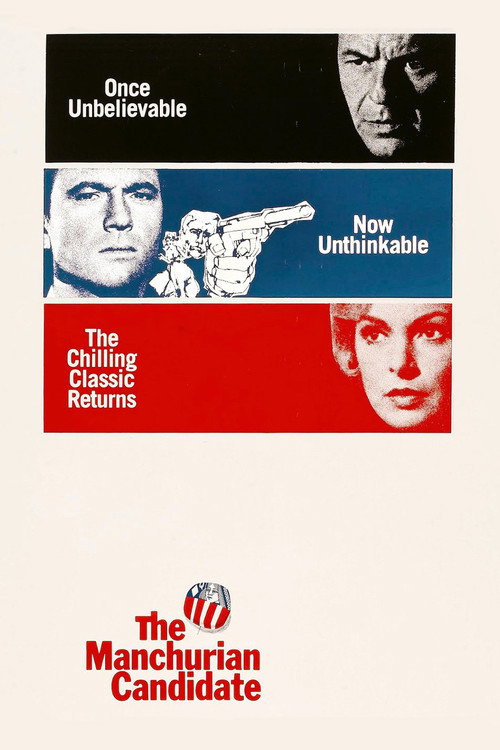
The Manchurian Candidate1962
Hitchcock's hour-long format pushed storytelling toward efficiency and surprise. Frankenheimer does the same thing to the political thriller—every scene moves the plot and shifts your understanding. Both trust the audience to keep up.
John Frankenheimer makes paranoia into visual style. A Cold War thriller about brainwashing and political assassination, shot with urgency and dark wit. Sinatra, Lanchester, and a script that trusts you to follow its logic.
But It's dense and sometimes didactic. The 1962 politics date it, and if you don't engage with the premise, the whole thing feels contrived.
People
Cast
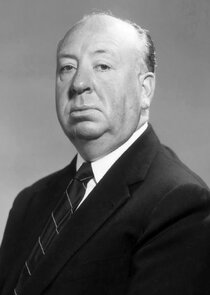 Alfred HitchcockHost
Writing
- Alfred HitchcockCreator