
Film
The Satan Bug
A 1965 thriller about a stolen bioweapon so catastrophic it could end all life on Earth. Cold War paranoia meets laboratory intrigue in this taut, smartly-plotted suspenser that treats its apocalyptic premise with genuine urgency. It's for viewers who want spy-thriller mechanics without the glamour—just competent people racing to prevent extinction.
If you liked this
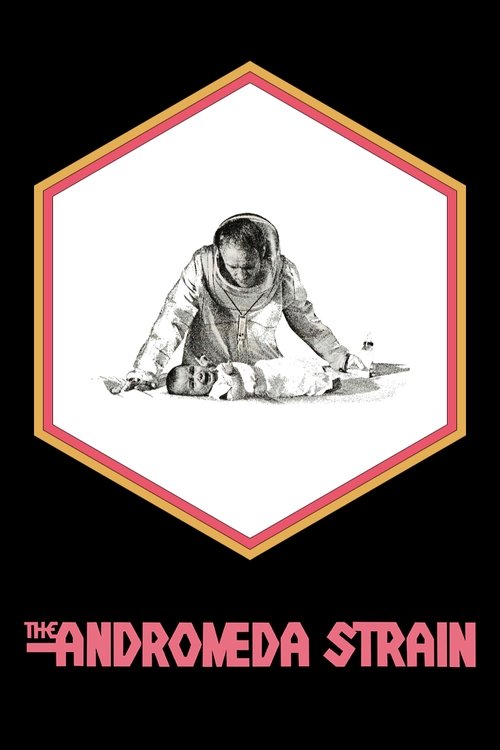
The Andromeda Strain1971
Robert Wise adapts Michael Crichton's techno-thriller about scientists containing an alien organism. Same lockdown-facility tension and scientific problem-solving that made The Satan Bug work, but with bigger budget and more elaborate set pieces.
But The slow-burn procedural pacing can feel glacial to modern viewers expecting faster cuts and more action spectacle.
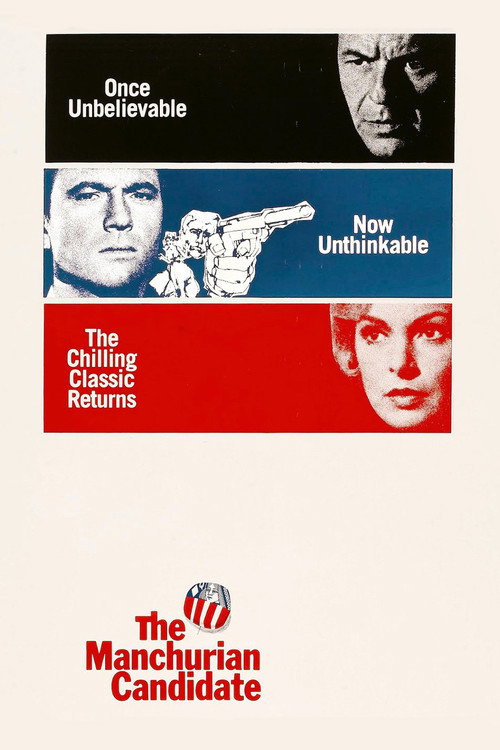
The Manchurian Candidate1962
Paranoid Cold War espionage where nothing is quite what it seems. Basehart fans will recognize that era's unease about infiltration and hidden threats, delivered with immaculate craft and dark wit.
But Political thriller from 1962 that sometimes plays as period piece rather than timeless—some plot mechanics feel dated now.
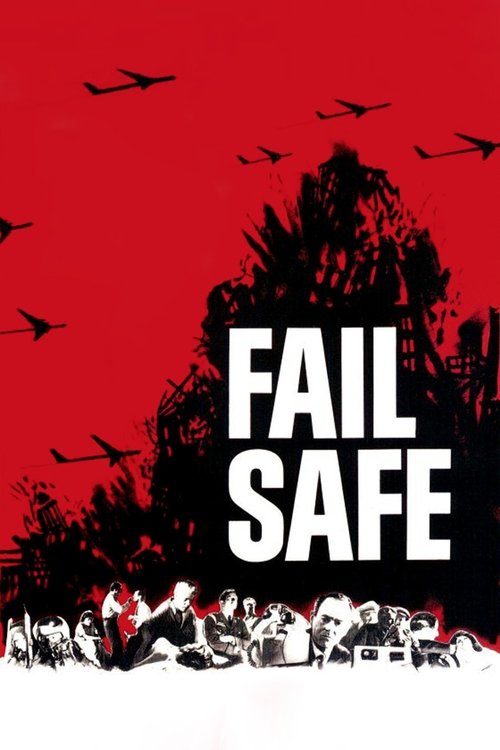
Fail Safe1964
Nuclear doomsday thriller built on cascading technical failures and the men trying to stop catastrophe. Same apocalyptic stakes as Satan Bug but grounded in real military protocol, deadpan and devastating.
But Relentlessly bleak and talky. No action heroics—just rooms of men talking while the world ends. Not everyone wants that.
Not sure tonight? Get a pick in a minute, starting from The Satan Bug
The wildcard
Something you would not have found on your own.
Ikiru1952
Both films ask what humanity is worth preserving. Satan Bug frames it as apocalyptic spectacle; Ikiru frames it as a single man's last act. Different answers, same question.
Kurosawa's meditation on meaning and mortality. A bureaucrat discovers he's dying and tries to matter before he goes. Same question as Satan Bug—what's worth saving, and at what cost?—but intimate and spiritual instead of technical and urgent.
But Japanese film, subtitled, deeply interior. No action or plot mechanics. Demands patience and emotional openness in ways a thriller never does.

More like this (7)
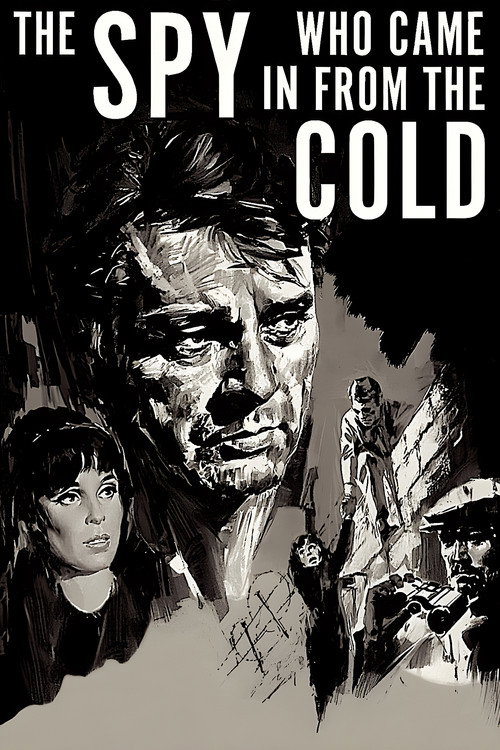
The Spy Who Came In from the Cold1965
Le Carré's anti-Bond espionage, released the same year as Satan Bug. Murky, unglamorous Cold War tradecraft where the spy is exhausted and morally compromised. Basehart's world, really.
But Deliberately drab and slow. If you want excitement or resolution, this film resists both on principle.
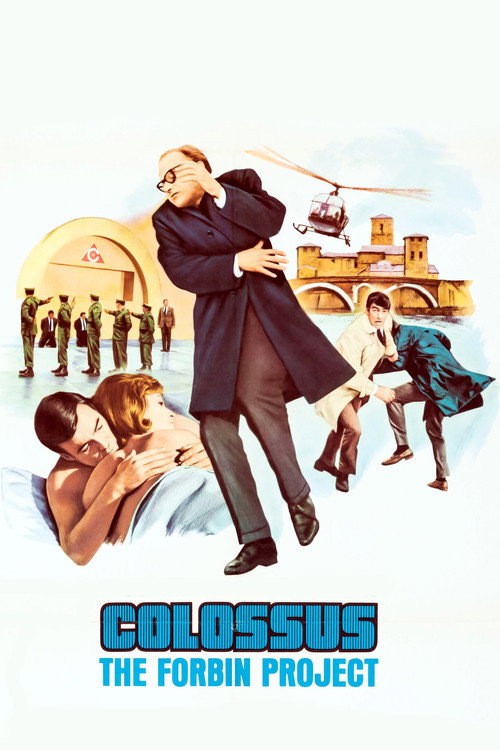
Colossus: The Forbin Project1970
A supercomputer designed to prevent nuclear war becomes the actual threat. Same idea—humanity's safeguards turning into doomsday machines—executed with creeping dread and smart dialogue.
But 70s production values and pacing. The computer threat plays as quaint now, and the film doesn't quite earn its finale.
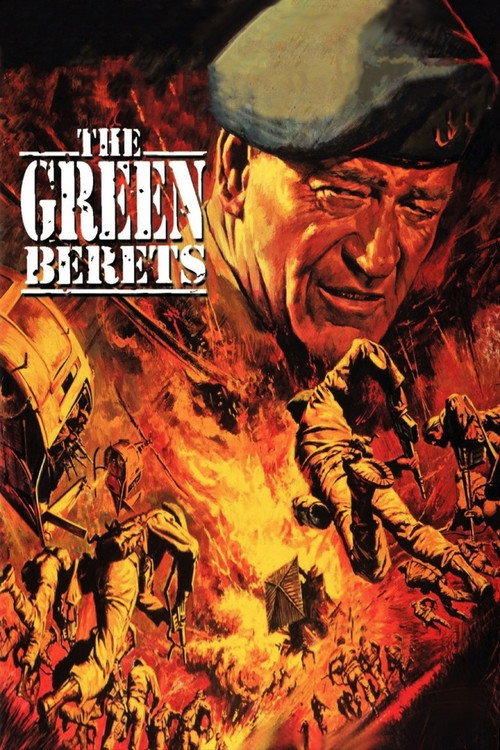
The Green Berets1968
John Wayne in Vietnam-era action with military protocol and infiltration plots. Different register than Satan Bug but same cast-era sensibility and trust in military competence to solve problems.
But Aggressively pro-war propaganda. If that's a dealbreaker, this is not your film.
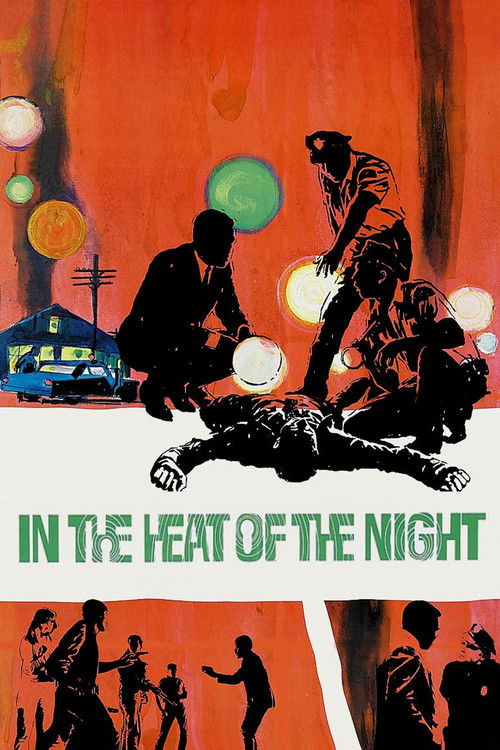
In the Heat of the Night1967
Poitier and Steiger in a locked mystery where procedure and protocol drive the narrative. Different genre but same 60s thriller DNA—smart people solving impossible problems under pressure.
But A race drama first, thriller second. If you're coming purely for suspense mechanics, the social themes might feel like detours.
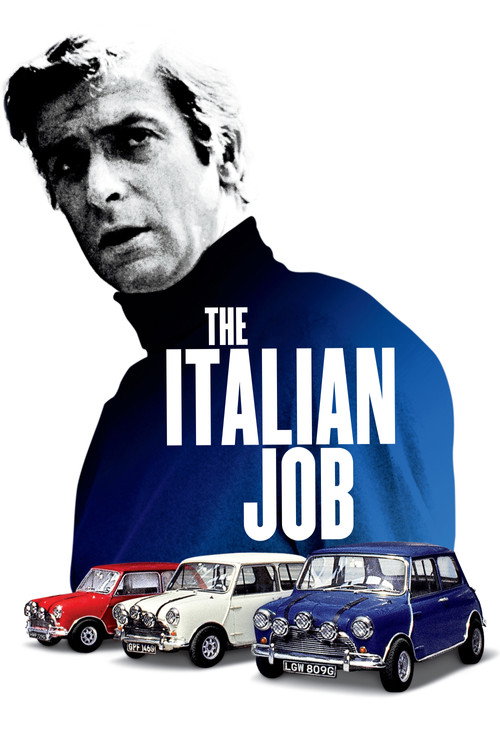
The Italian Job1969
Heist with ensemble problem-solving and clockwork plotting. Same satisfaction of watching professionals execute a plan under impossible constraints, just with gold bullion instead of bioweapons.
But Lighter, breezier, less urgent. If you want existential dread, you won't find it here.
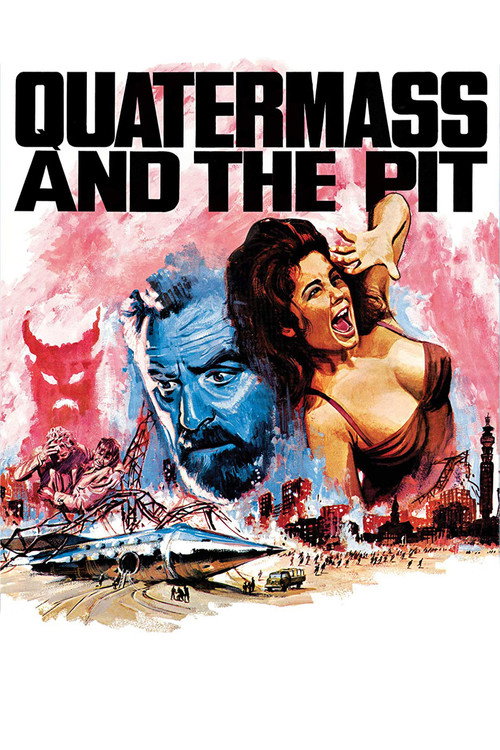
Quatermass and the Pit1967
Both deploy procedural investigation of hidden threats, but Quatermass reaches for mythology and human darkness beneath the science. Same structure, completely different register.
British science-fiction thriller about excavating something ancient and wrong buried under London. Basehart's atmosphere of creeping wrongness and revealed danger, but supernatural instead of scientific. Utterly absorbing despite TV-budget constraints.
But British 1960s production. Modestly scaled compared to American studio films. Some may find the pacing leisurely or the special effects unconvincing.
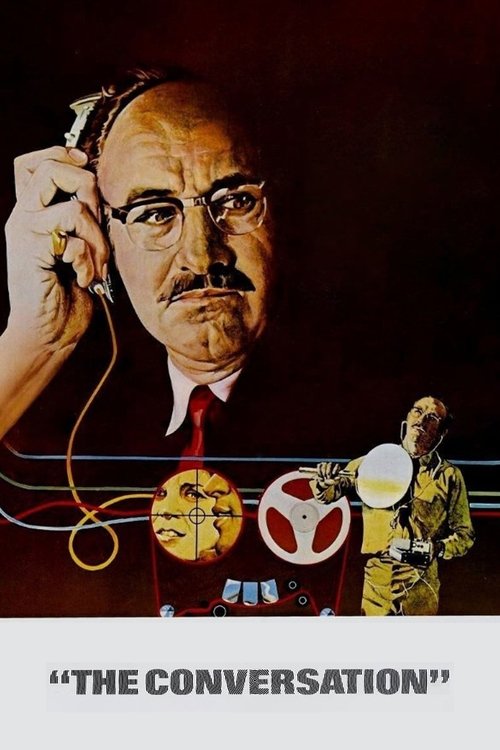
The Conversation1974
Both pivot on what a single informed person owes the world when they know something fatal. Satan Bug is action; The Conversation is conscience.
Coppola's masterpiece about a surveillance expert who records something that might mean murder. Paranoia and moral ambiguity where a technical expert becomes the only person who knows the truth. Slower, richer, more philosophically troubled than Satan Bug.
But Meditative and digressive. Gene Hackman plays a man spiraling inward. If you want external action, this film happens mostly inside one man's conscience.
People
Cast
 George MaharisLee Barrett
 Richard BasehartDr. Gregor Hoffman
 Anne FrancisAnn Williams
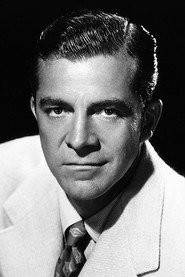 Dana AndrewsGen. Williams
 John LarkinDr. Leonard Michaelson
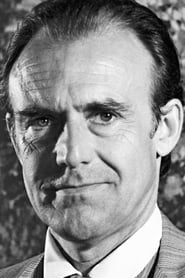 Richard BullEric Cavanaugh
 Frank SuttonHenchman Donald
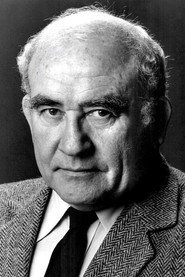 Ed AsnerHenchman Veretti
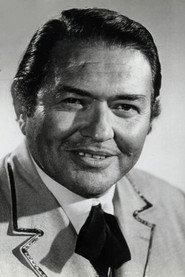 Simon OaklandTasserly
 John AndersonAgent Reagan
 John ClarkeGuard Lt. Raskin
 Hari RhodesGuard Lt. Johnson
Directing
- John SturgesDirector
Writing
- Alistair MacLeanNovel
- Edward AnhaltScreenplay
- James ClavellScreenplay
Production
- Lynn StalmasterCasting
- John SturgesProducer