
Film
Bug
Other titles called Bug: the 2007 film.
William Castle's final film is a wonky 1975 creature feature where mutant fire-breathing cockroaches emerge from an earthquake and terrorize a small town. Genuinely weird and sincerely made, it's part disaster movie, part ecological horror, shot in that particular '70s amber that makes everything feel slightly feverish. Exactly the film for someone who loves B-movies that swing for the fences.
Should you watch it?
Watch it if you like seventies creature paranoia played straight, where a cheap-looking premise gets a serious, grimy seriousness and a slow build of unease rather than winks at the audience.
Skip it if effects are plainly low-budget and the pace is deliberate, so if rubbery bugs make you laugh rather than squirm, the wait for thrills may feel long.
What it asks of you: Expect an unhurried, almost methodical 99 minutes where the tension builds through small domestic and academic details before the wider picture comes into focus; patience is the price of admission.
Not sure? Find tonight's pick in a minute.
If you liked this
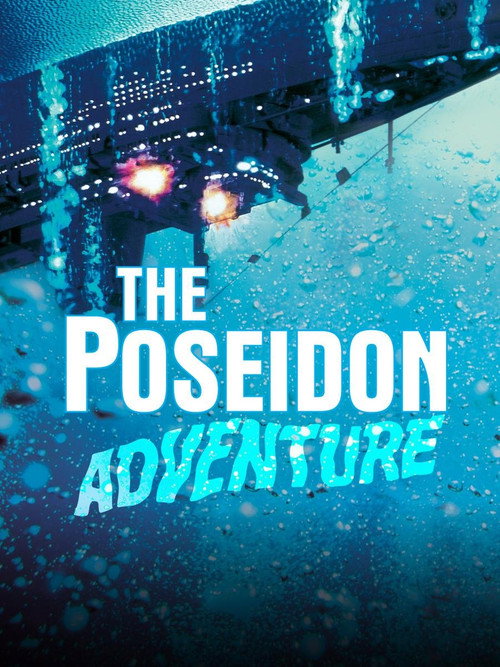
The Poseidon Adventure1972
Disaster cinema at its peak: an ensemble cast scrambles through a capsized luxury liner with real stakes, spectacular set pieces, and genuine tension. Gene Hackman is magnetic. It's the template disaster movies worship.
But Runs two and a half hours and the pacing drags in the middle section. Some of the science is hokey even by '70s standards.
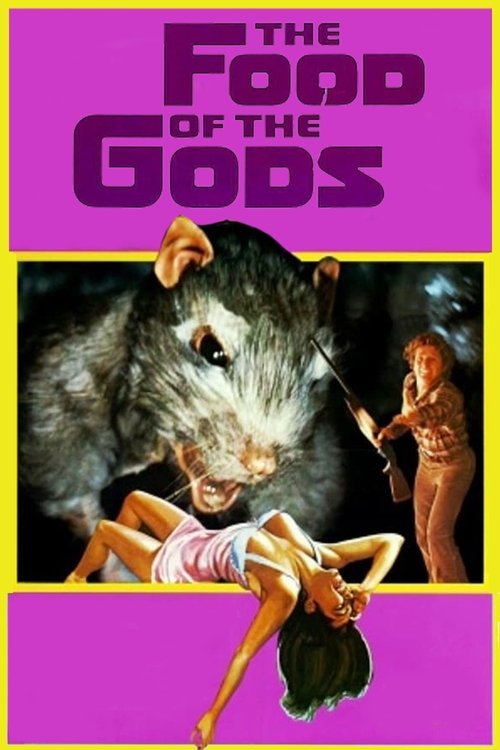
The Food of the Gods1976
Bert I. Gordon made giant-creature movies with more ambition than budget. Enormous wasps, rats the size of cars, real dread mixed with absurdity. It has the same pulpy creature-feature energy as Bug but wilder in scope.
But The effects work is visibly cheap and the acting ranges from acceptable to strained. Some scenes linger too long.
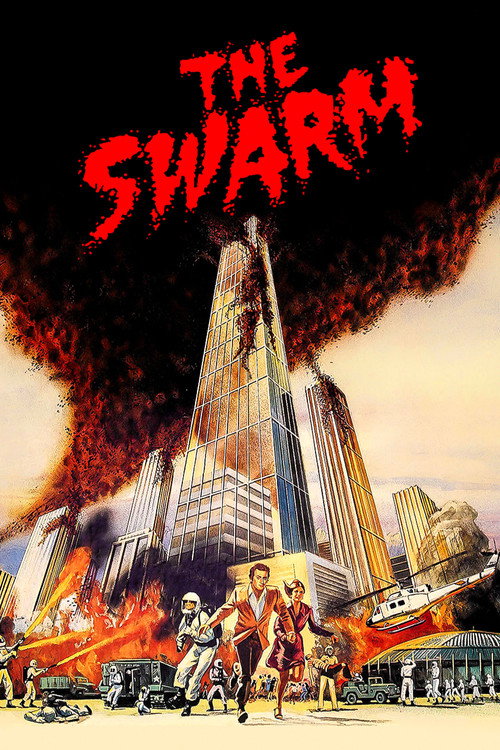
The Swarm1978
Another disaster epic where nature turns hostile: killer bees that can think and coordinate. Michael Caine, Katharine Ross, genuine catastrophe set-pieces. It takes its premise seriously even when the premise is inherently ridiculous.
But Nearly three hours long and occasionally sluggish. The dialogue can be functional rather than inspired.
Not sure tonight? Get a pick in a minute, starting from Bug
The wildcard
Something you would not have found on your own.
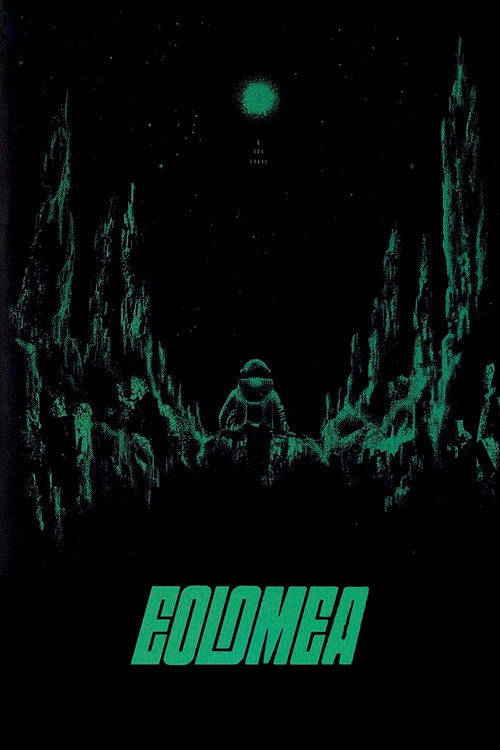
Eolomea1972
Both are '70s sci-fi films where a hidden threat emerges from an external arrival and reveals something ominous about human nature and survival instinct.
A Romanian science-fiction film where a space mission returns to Earth with passengers no one expected. Cerebral, formally inventive, unsettling in its slow-build paranoia and questions about what we bring back from the unknown. It shares Bug's apocalyptic anxiety but in a completely different register.
But Dialogue-heavy, deliberately paced, and available only in subtitled prints. It's more Tarkovsky than creature feature; patience is non-negotiable.
More like this (8)
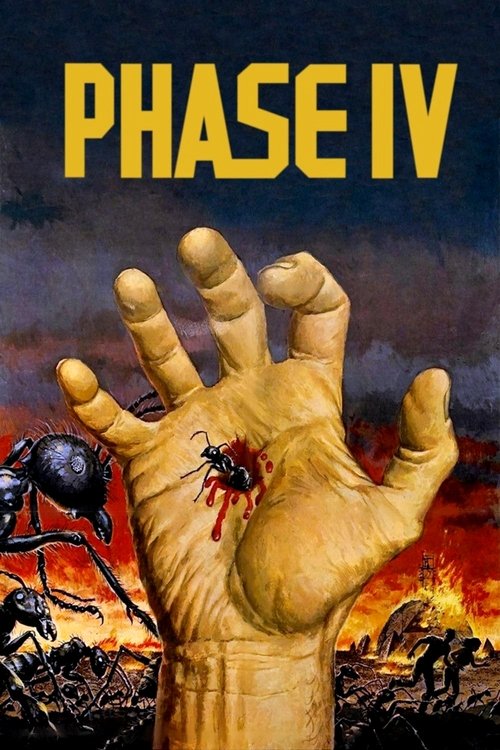
Phase IV1974
Ants wage war on humanity with unsettling intelligence and coordination. Saul Bass's only film directorial effort is visually hypnotic, genuinely eerie, and philosophically strange. A thinking-person's creature feature.
But Deliberately paced and meditative rather than action-driven. The ending is cryptic and may frustrate those wanting clear resolution.
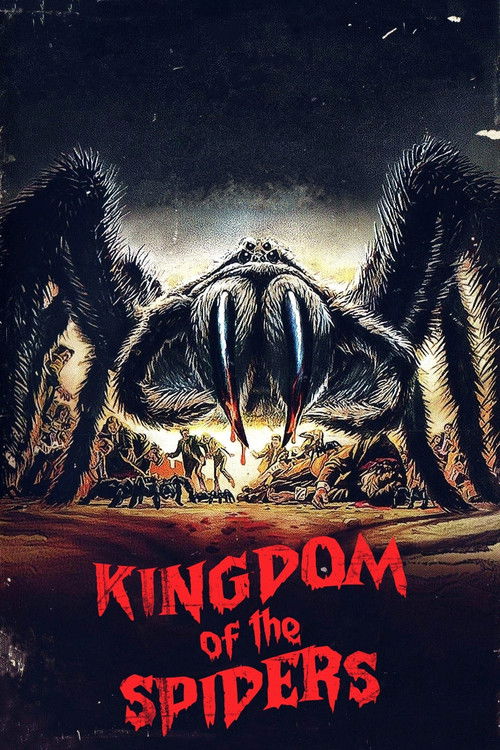
Kingdom of the Spiders1977
William Shatner fights tarantulas the size of cars in Arizona. Deadpan, practical, surprisingly effective at generating dread from genuine arachnophobia. The spider effects still hold up.
But Shatner's performance is more stoic than expressive. The second half is repetitive: more spiders, same problem, rinse and repeat.
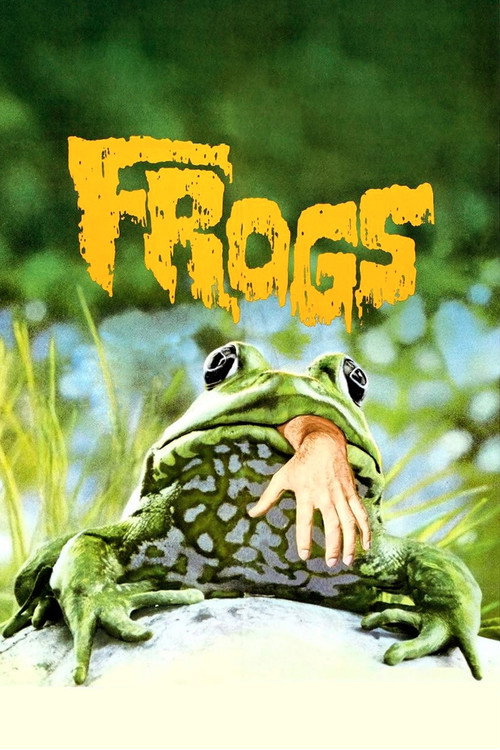
Frogs1972
Ray Milland in a mansion as amphibians orchestrate his doom. Eco-horror before it was fashionable, surprisingly visceral for a PG rating, darkly comedic about wealth and consequence.
But The creatures are real frogs and lizards, so the action is slow and the peril sometimes feels low. Tonal whiplash between horror and comedy doesn't always land.
Ants
A made-for-TV creature feature with genuine paranoia: fire ants invade a small California town and the military's response escalates. It has the urgent B-movie sincerity that Bug shares.
But Broadcast-television production values mean modest scope and action. Some scenes feel padded to fill the runtime.
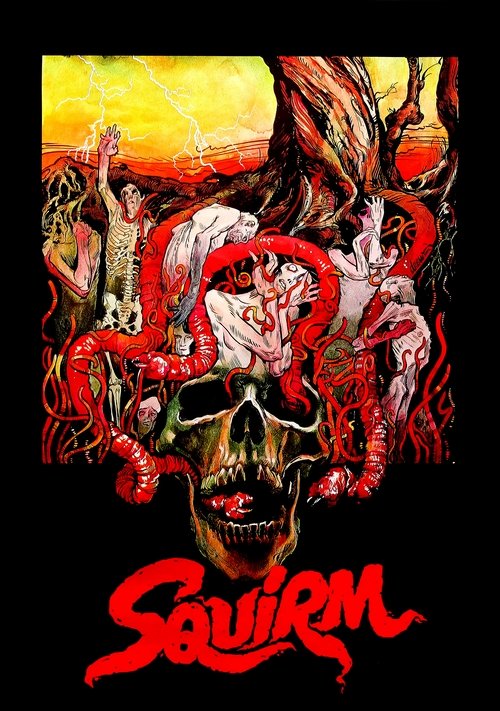
Squirm1976
Bloodworms swarm a Georgia town after a lightning strike. Genuinely gross and tactile, with real worms and convincing practical effects. It's unpretentious ecological horror that commits to its premise.
But The regional accents are laid on thick and some supporting characters feel more comedic than the film intends. The pacing sags in the middle act.
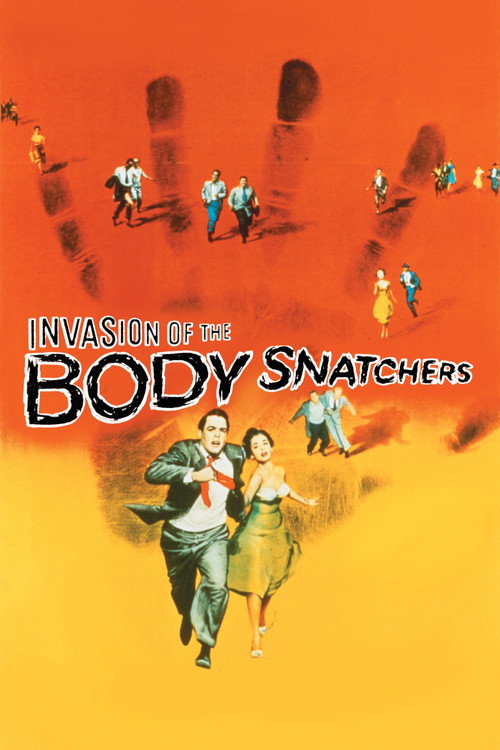
Invasion of the Body Snatchers1956
The original alien-invasion paranoia film. Lean, tense, ambiguous in its politics, endlessly rewatchable. Kevin McCarthy and Dana Wynter sell the creeping wrongness perfectly.
But Shot in black-and-white on a modest budget, so the visuals are spare. Some 1950s dialogue and attitudes will feel dated even for a period piece.
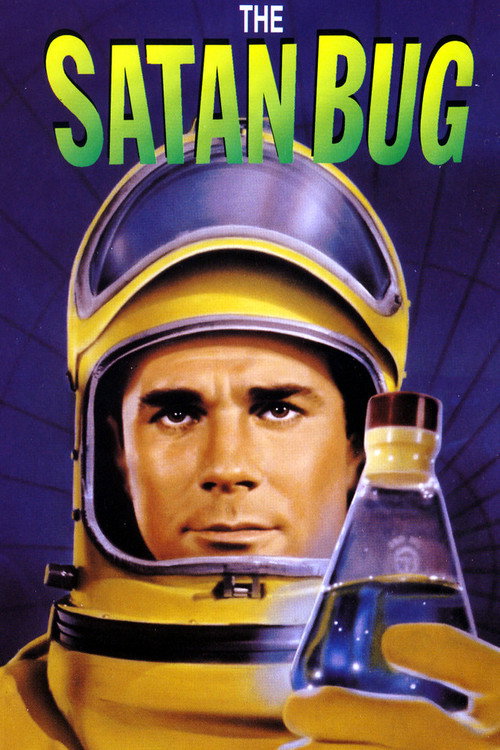
The Satan Bug1965
Both films treat biological threat as existential danger; both escalate from a localized problem to something that could reshape human civilization if not stopped.
A thriller about a weaponized bio-agent that could wipe out civilization. Tautly directed by John Sturges with George Maharis as a spy racing against time. It's Bug's DNA—ecological terror with real stakes—but as a spy thriller instead of creature feature.
But The 1960s spy-movie pacing and aesthetic won't appeal to those wanting creature spectacle. It's cerebral espionage, not visceral monster mayhem.
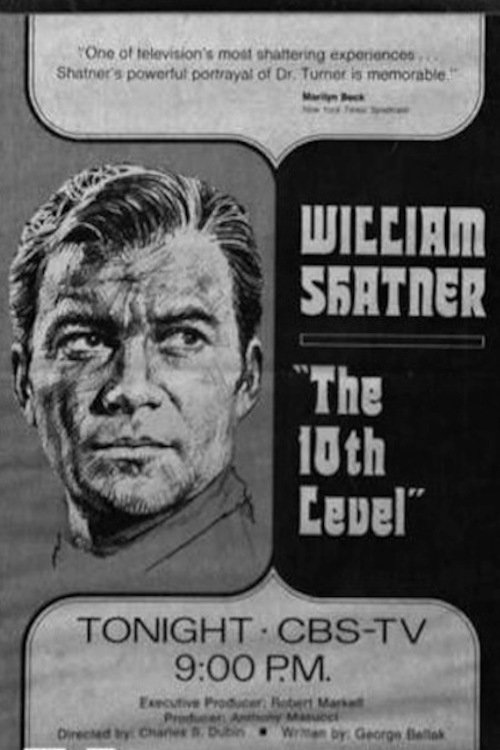
The Tenth Level1976
Both films interrogate whether the real danger lies in nature or in human nature; both suggest our response to crisis reveals something darker than the crisis itself.
A TV movie dramatizing the Stanford Prison Experiment with William Shatner as the psychologist overseeing it. Deeply uncomfortable, ethically murky, about how ordinary people become monstrous when given power. It has Bug's core horror: the threat is us, not them.
But Made-for-TV production quality and pacing. The experimental structure may feel didactic rather than dramatically engaging to some viewers.
People
Cast
 Bradford DillmanProf. James Parmiter
 Joanna MilesCarrie Parmiter
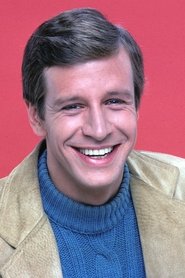 Richard GillilandGerald Metbaum
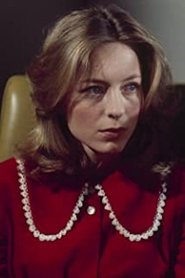 Jamie Smith-JacksonNorma Tacker
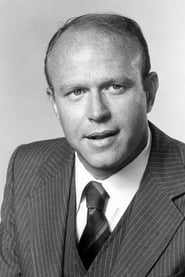 Alan FudgeProf. Mark Ross
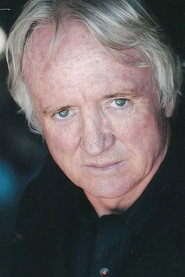 Jesse VintTom Tacker
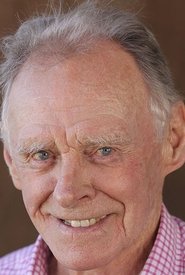 James GreeneRev. Kern
 Patty McCormackSylvia Ross
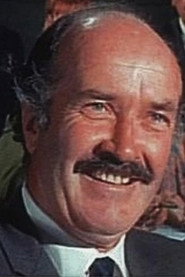 Brendan DillonCharlie
- Jim PoynerKenny Tacker
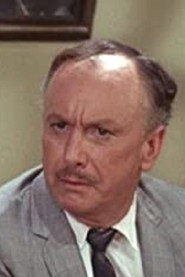 Frederic DownsHenry Tacker
- Sam JavisTaxi Driver
Directing
- Jeannot SzwarcDirector
Writing
- Thomas PageNovel
- Thomas PageScreenplay
- William CastleScreenplay
Production
- Ramsay KingCasting
- William CastleProducer