
Film
Willard
- Monster horror
- Very dark
A 1971 creature feature about a bullied, friendless man who discovers he can command an army of rats to destroy those who've wronged him. It's genuinely unsettling—part revenge fantasy, part animal horror—and works because Bruce Davison plays Willard as pitiable rather than heroic. For anyone drawn to the pulpy darkness of early-70s exploitation cinema.
If you liked this
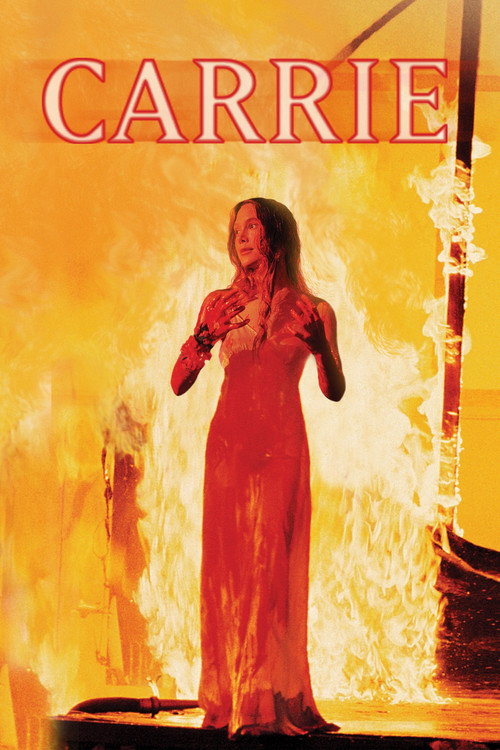
Carrie1976
Another misfit uses telekinetic power to obliterate their tormentors in a climactic, cathartic rampage. De Palma's direction is immaculate, and it has the same nervous energy about bullying turning monstrous.
But Relies heavily on jump scares and religious imagery that can feel dated. The final act abandons subtlety entirely.
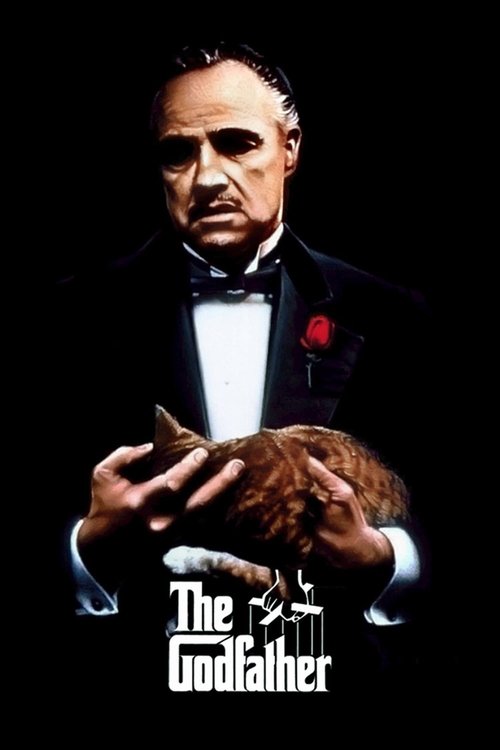
The Godfather1972
Both films use animals and nature as extensions of their protagonist's will. This one does it with horses instead of rats, but the psychological grip is identical—quiet men discovering violent power.
But Three-and-a-half hours. The pacing is deliberate and glacial, which is the point, but it demands patience you might not have tonight.
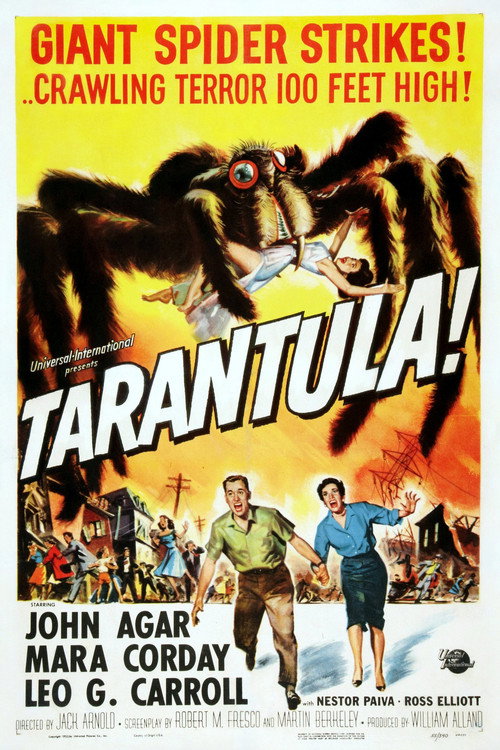
Tarantula1955
A creature born of scientific accident becomes humanity's reckoning. Same anxious 1950s-70s logic: nature weaponized, civilization fragile, the little guy powerless until something tips.
But The giant spider is obviously a puppet. If practical effects from that era bother you, you won't get past the first appearance.
Not sure tonight? Get a pick in a minute, starting from Willard
The wildcard
Something you would not have found on your own.
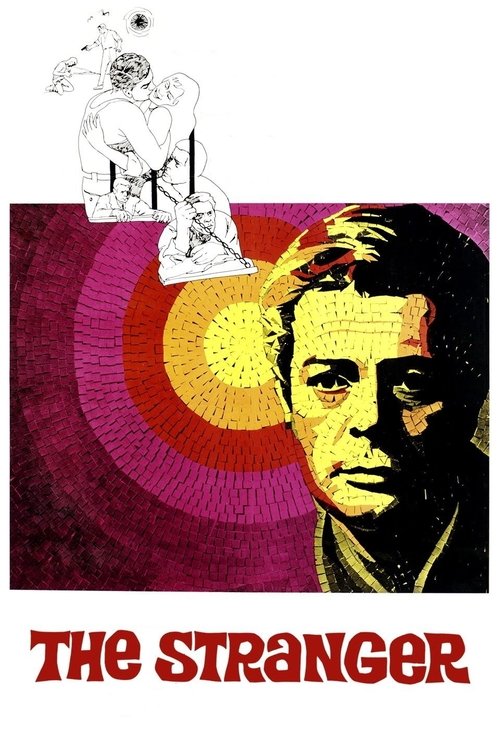
The Stranger1967
Both ask what happens when a nothing of a man is pushed past breaking. Willard finds rats to do it for him; Meursault just acts. One is pulp horror, one is existential cinema, but they're circling the same void.
Orson Welles adapts Camus. A man commits violence almost accidentally, then watches society demand he perform guilt and remorse. It's about power and powerlessness too—about how the system grinds you down whether you fight back or not.
But Deliberately anti-dramatic. Welles disowns the film. The pacing is mournful and abstract, nothing like the kinetic revenge fantasy of Willard.
More like this (7)
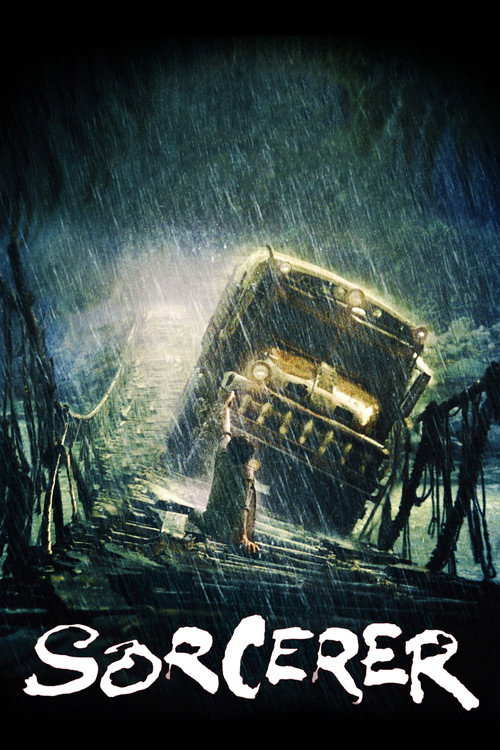
Sorcerer1977
Friedkin's masterpiece about competent men in over their heads, forced to do increasingly terrible things to survive. The same moral rot as Willard, just slower-burning and more humanistic.
But Bleak and exhausting. There's no lightness or humor, and the runtime earns every minute—it can feel punishing.
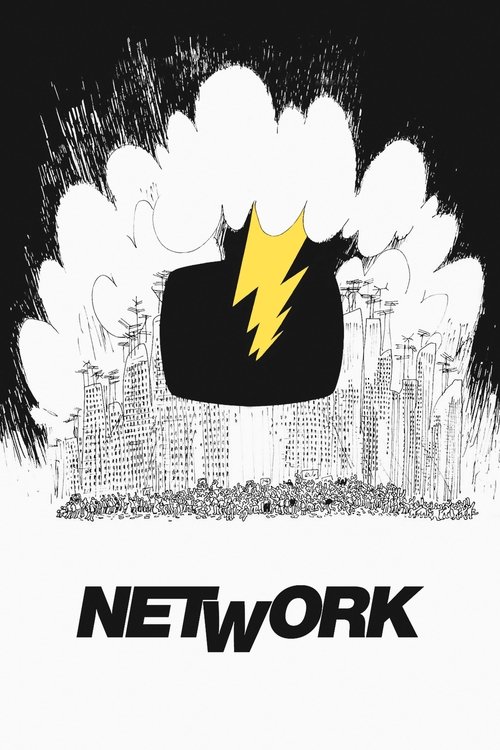
Network1976
Savage satire about a nobody discovering he has leverage over powerful people. Less literal than Willard, but the same thrill of the powerless finding sudden, weaponized influence.
But Didactic and theatrical. It's arguing a point rather than telling a story, which some find exhilarating and others find preachy.
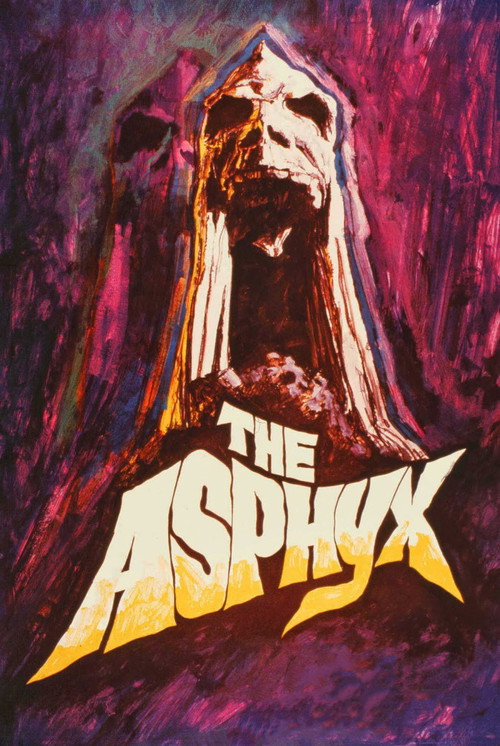
The Asphyx1972
Obscure British sci-fi about a man trying to harness death itself. Same era, same queasy logic of controlling the uncontrollable, same slow-burn dread.
But Slower than Willard and less dramatically satisfying. The finale underwhelms, and you might not find a good copy.
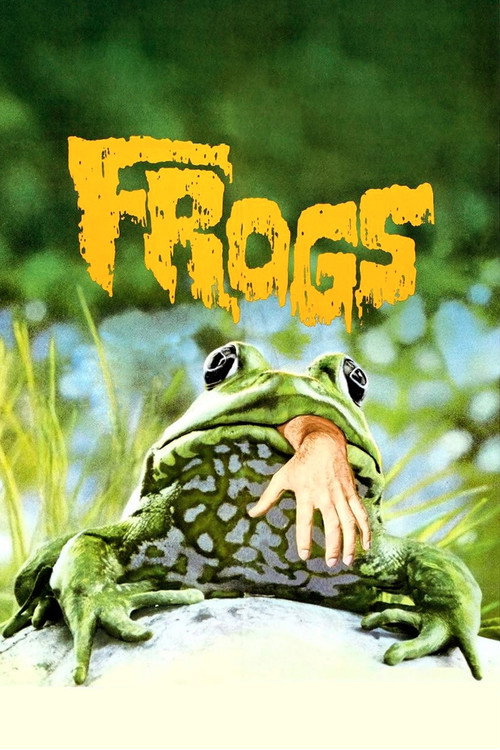
Frogs1972
Nature turns against the wealthy via amphibians. Silly but earnest, with the same primal fear of losing dominion over animals and the environment.
But The frogs are often just frogs, not convincingly aggressive. It's more campy than genuinely creepy.
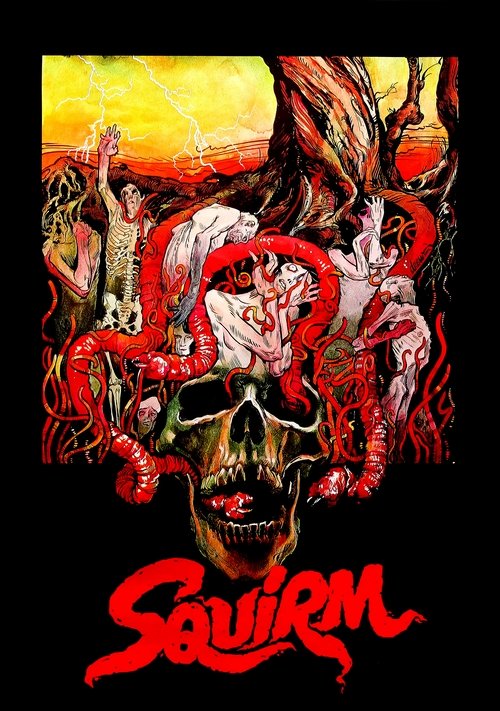
Squirm1976
Worms invade a small town after a power line falls. Same anxious 70s creature logic: nature indifferent to civilization, bodies vulnerable, infection spreading.
But The effects are gimmicky and look cheap even for the era. The romantic subplot gets in the way.
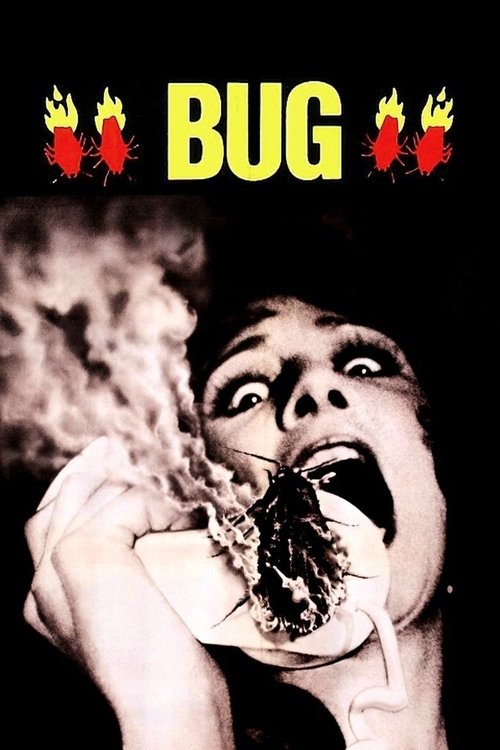
Bug1975
Giant insects emerge from an earthquake. Shares Willard's existential dread and the sense that nature is infinitely patient and we are not in control.
But More slow-burn philosophical than visceral. If you want creature action, you'll be disappointed by the meditative pacing.
Under the Skin2014
Both treat the human body as a tool and a resource. Willard's rats consume his enemies; the thing in Under the Skin consumes humans. Same metaphor—death as consumption, the body as meat—delivered through completely opposite registers: pulp versus avantgarde.
A film about an alien predator harvesting humans in Glasgow. Slow, hypnotic, terrifying in a way that has nothing to do with jump scares. It finds the same revulsion in observing bodies and hunger, the same alienation and dread.
But Arthouse sci-fi from Jonathan Glazel, which means long static shots, a stripped soundtrack, minimal dialogue. If you want narrative clarity and emotional catharsis, you will hate this.

People
Cast
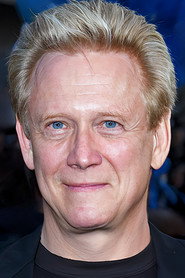 Bruce DavisonWillard Stiles
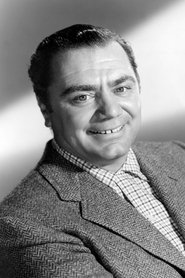 Ernest BorgnineAl Martin
 Sondra LockeJoan Simms
 Elsa LanchesterHenrietta Stiles
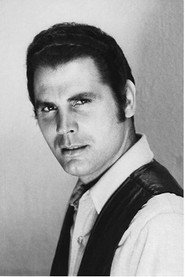 Michael DanteBrandt
 Jody GilbertCharlotte Stassen
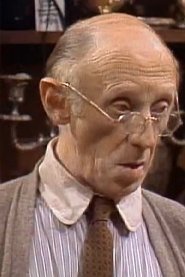 William HansenBarskin
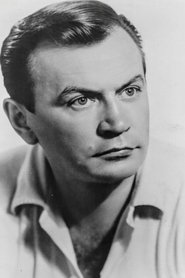 John MyhersCarlson
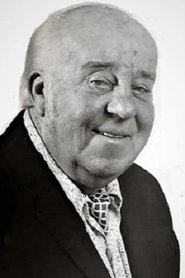 J. Pat O'MalleyJonathan Farley
 Joan ShawleeAlice Rickles
 Almira SessionsCarrie Smith
- Pauline DrakeIda Stassen
Directing
- Robert GoodsteinAssistant Director
- Daniel MannDirector
- Hazel W. HallScript Supervisor
Writing
- Stephen GilbertNovel
- Gilbert RalstonScreenplay
Production
- Irving LandeCasting
- Charles A. PrattExecutive Producer
- Mort BriskinProducer
- Robert GoodsteinUnit Production Manager