
Film
Phase IV
Phase IV is a 1974 sci-fi horror film about a swarm of intelligent ants attacking an Arizona desert laboratory. It's a genuinely unsettling creature feature that treats its premise with complete seriousness, building dread through sound design and ant-eye-view cinematography. For viewers who love practical creature effects and science fiction that respects its own logic, this is austere and hypnotic—very much not a creature-feature romp.
Should you watch it?
Watch it if you're drawn to slow, eerie science fiction where the menace is patient, geometric and strangely beautiful, and you don't mind a film that trusts images over explanation.
Skip it if you want characters you can get close to, since the human drama is thin and the dialogue often stalls, and a stiff, dated 1970s pace may test your patience.
What it asks of you: Long stretches of silent watching, lingering shots of insects and desert, and 86 minutes that spend their time on mood rather than plot mechanics, so settle in slowly.
Not sure? Find tonight's pick in a minute.
If you liked this
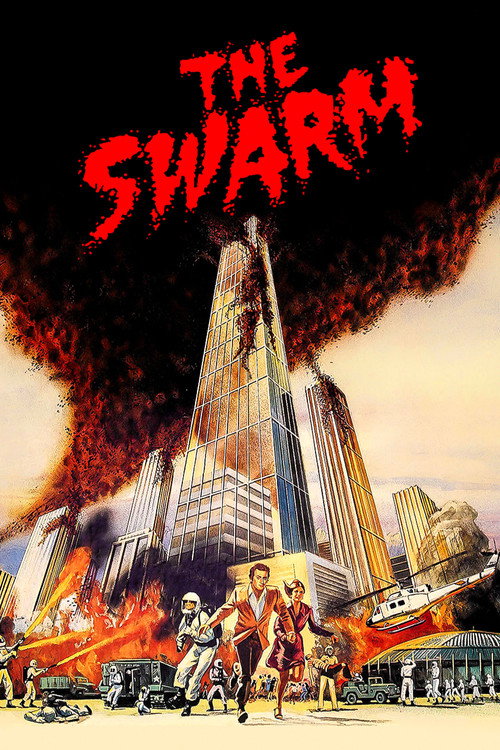
The Swarm1978
Another seventies creature feature that takes insects seriously, with a cast of Hollywood heavyweights and the same commitment to showing you exactly how the threat moves and thinks.
But It's longer and more melodramatic, with subplot fatigue that Phase IV avoids entirely through its laser focus.
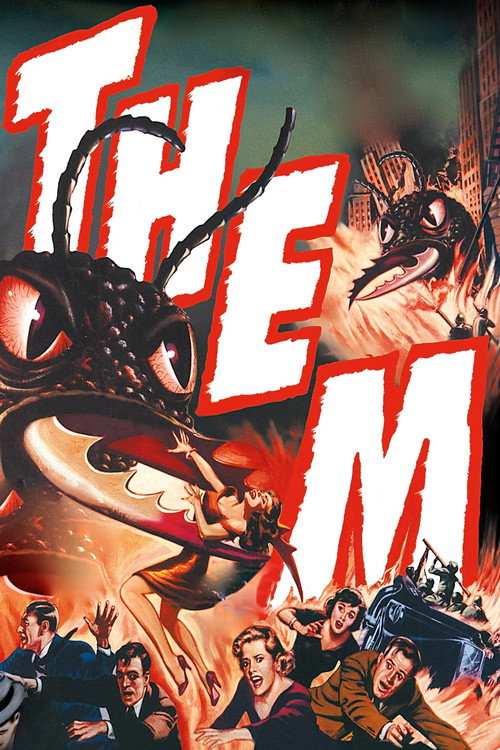
Them!1954
The original atomic-age giant-ant film that established the template. Black-and-white photography gives it an almost documentary feel—pure dread, no camp.
But It's slower than Phase IV and bound by the monster-reveal logic of its era; the ants are kept hidden until late in the film.
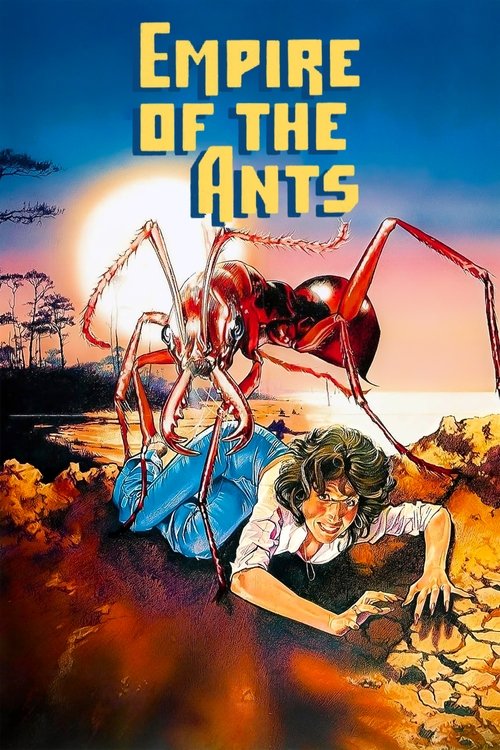
Empire of the Ants1977
H.G. Wells adaptation about giant ants in the Everglades, with practical effects and that same seventies sci-fi seriousness. Joan Collins vs. nature.
But It leans harder into action-adventure than existential dread, and the effects are visibly cheaper than Phase IV's.
Not sure tonight? Get a pick in a minute, starting from Phase IV
The wildcard
Something you would not have found on your own.
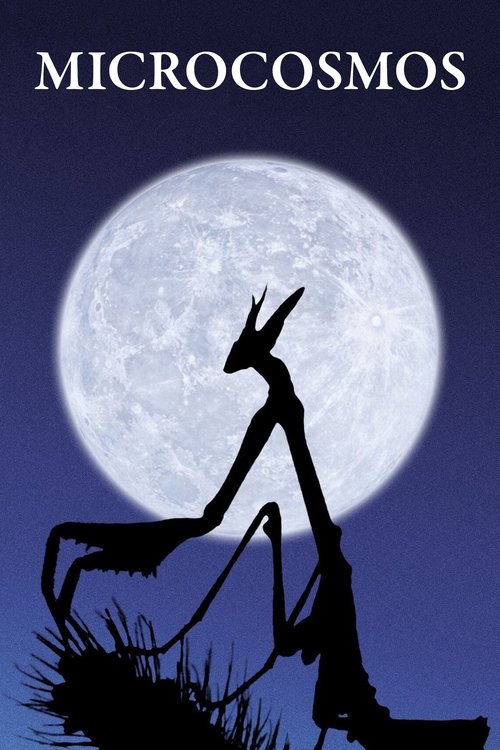
Microcosmos1996
Both use specialized cinematography to make the viewer see the world through non-human eyes. Phase IV weaponizes that perspective; Microcosmos sanctifies it.
A feature documentary shot entirely from insect eye-level using specially built macro cameras. No narration, no anthropomorphizing—just the precise, mechanical ballet of arthropods living their lives. If Phase IV showed you how ants might think, this shows you what thinking like that actually looks like.
But It's meditative to the point of static. Zero plot, zero threat. Pure observation can bore people who need narrative momentum.
More like this (6)
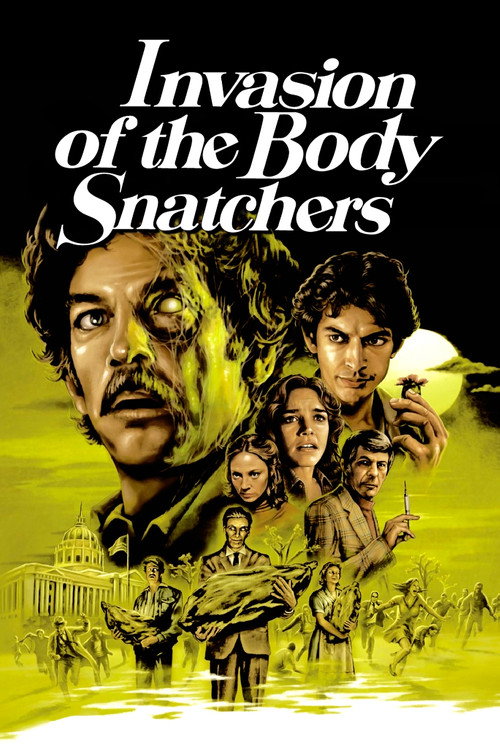
Invasion of the Body Snatchers1978
Remake that improves on the original by turning paranoia and conformity into a mounting nightmare. Relentless, smartly paced, and genuinely horrifying by the end.
But It's psychological horror rather than creature horror—a different engine entirely, though it shares Phase IV's refusal to reassure.
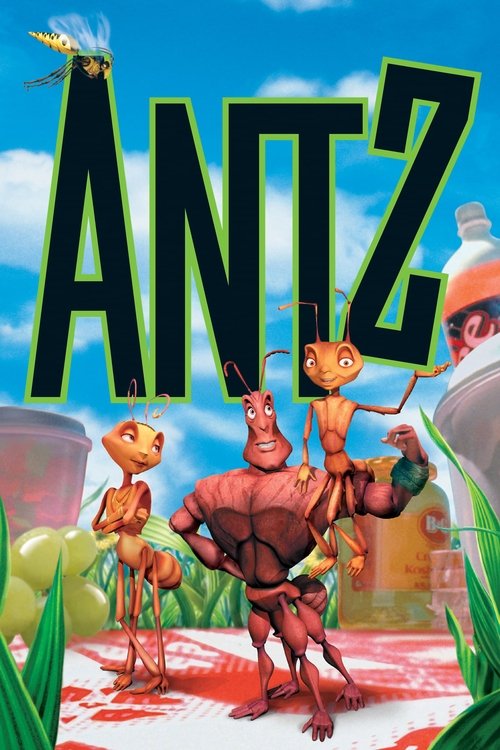
Antz1998
Computer-animated ant colony film with wit and intelligence in the script. Woody Allen as an anxious ant worker. Sounds silly, plays with real ideas about individuality and collective purpose.
But It's a comedy for family audiences. If you want dread, you'll find warmth instead.
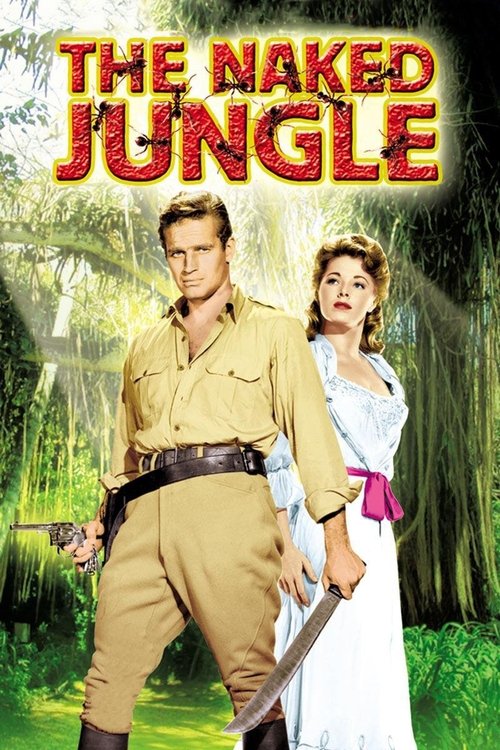
The Naked Jungle1954
Charleton Heston vs. Brazilian army ants in the jungle. High-stakes survival with Elia Kazan's documentary-inflected direction and genuine tension about the unstoppable force coming.
But It's a more conventional adventure film with less of Phase IV's abstract, hypnotic unease.
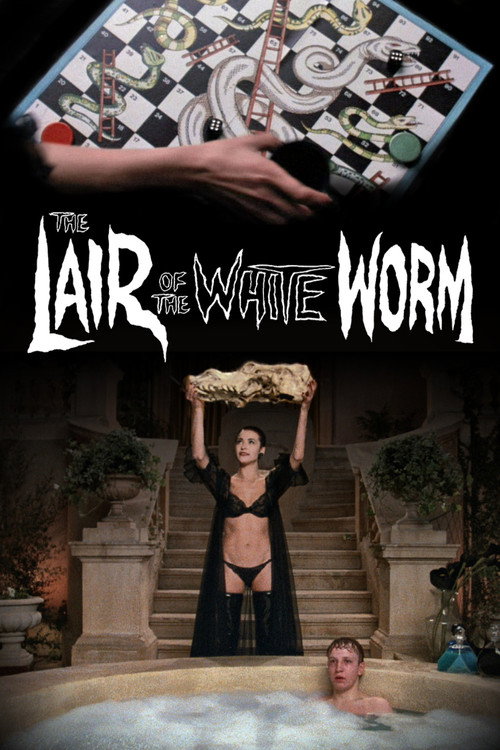
The Lair of the White Worm1988
Ken Russell's fevered adaptation of Bram Stoker, with Amanda Donohoe as something between a vampire and a serpent goddess. Pure baroque horror with no apologies.
But It's outrageously excessive and sexual in ways Phase IV's restraint deliberately avoids.
A Boy and His Dog1975
Both are seventies sci-fi that reject reassurance and end in cosmic indifference or transformation. Both treat the premise with absolute sobriety no matter how surreal it becomes.
Post-apocalyptic sci-fi about survival and hierarchy in a broken world. Harlan Ellison's novella, filtered through L.Q. Jones's deranged vision. Bleaker and weirder than any mainstream sci-fi film of the seventies.
But It's aggressively strange and ends on a note of moral revulsion that some viewers find unbearable. The tone is erratic by design.

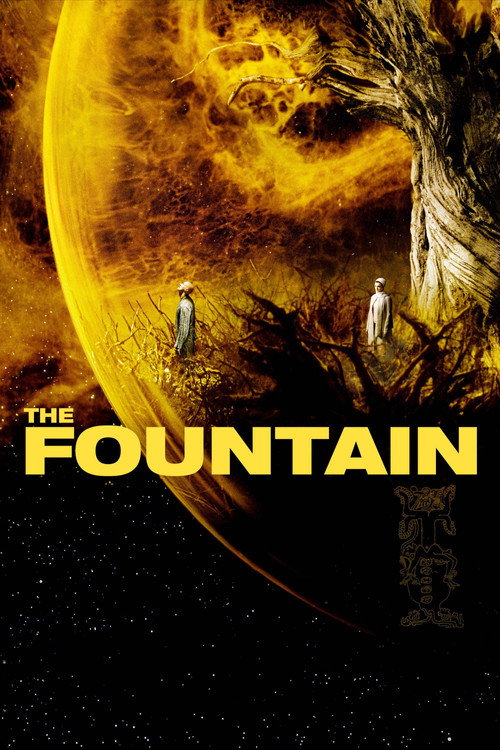
The Fountain2006
Both use non-human imagery and abstractions to explore consciousness and transformation. Both end by suggesting something beyond comprehension rather than explaining it away.
Darren Aronofsky's three-timeline meditation on death, love, and transcendence told through actual botanical imagery and practical effects. Visually overwhelming, structurally ambitious, treating big ideas with the seriousness Phase IV brings to ants.
But It's maximalist where Phase IV is minimal. The emotional register is desperate and operatic; if you want cool detachment, you won't find it here.
People
Cast
 Nigel DavenportDr. Ernest D. Hubbs
 Michael MurphyJames R. Lesko
 Lynne FrederickKendra Eldridge
 Alan GiffordMr. Eldridge
 Robert HendersonClete
 Helen HortonMildred Eldridge
 David HealyRadio Announcer (voice) (uncredited)
Directing
- William P. CartlidgeAssistant Director
- Pamela CarltonContinuity
- Saul BassDirector
Writing
- Mayo SimonWriter
Production
- Ivo NightingaleLocation Manager
- Paul B. RadinProducer
- Ron PhippsProduction Accountant
- Eva MonleyProduction Manager
- Iris RoseProduction Secretary
- Alan ArnoldPublicist
Recommended by
Microcosmos, The Hellstrom Chronicle, Galaxy of Terror, Eight Legged Freaks, Firestarter, The Visitor, The Killings at Outpost Zeta, Twilight of the Dogs, Tarantulas: The Deadly Cargo, Bug, Message from Space, Slugs, Night of the Lepus, Oblivion, The Killer Shrews, Weasels Rip My Flesh