
Film
Galaxy of Terror
A low-budget 1981 sci-fi horror hybrid about a spaceship crew confronting a nightmarish pyramid in deep space. It's visually inventive despite its constraints, blending practical effects with genuine dread. Ideal for those who love trashy '80s genre cinema and don't mind wonky pacing for a few genuinely unsettling images.
Should you watch it?
Watch it if you love grimy, claustrophobic B-movie sci-fi where the gore and gooey creature effects are the point, and you don't mind a plot that runs on pure atmosphere and nightmare logic.
Skip it if you need coherent characters and a story that holds together, since the crew are thinly drawn and the logic bends to whatever the next set piece demands.
What it asks of you: At 81 minutes it moves in lurches, with long stretches of dim corridors and mood broken by sudden bursts of gore, so it asks you to tolerate waiting.
Not sure? Find tonight's pick in a minute.
If you liked this
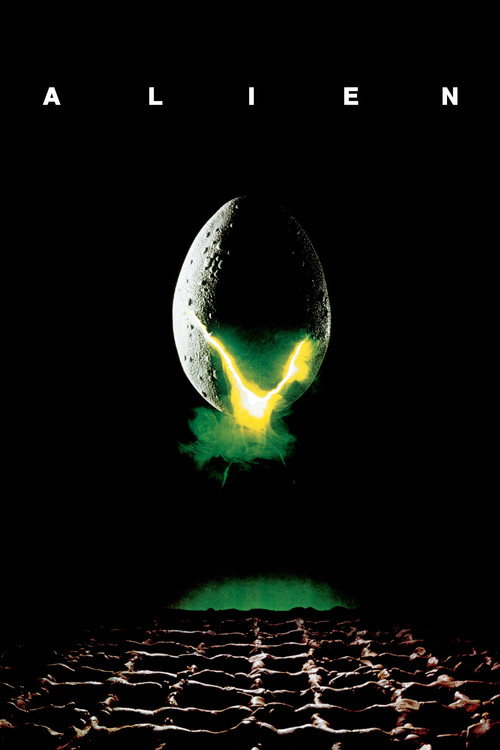
Alien1979
The foundational space-horror film: claustrophobic, grotesque, and methodical. It perfected the formula that Galaxy of Terror attempts to scramble. Essential viewing for understanding the DNA.
But It's nearly 50 years old and the pacing is glacial by modern standards. Some will find it slow where others find it masterful.
The Expanse2015
Hard sci-fi with genuine cosmic dread and a crew repeatedly thrown into impossible situations. It has the scope and budget Galaxy dreams of, and that same sense of isolation in the void.
But Six seasons means real commitment. The first few episodes are dense with world-building before the momentum catches you.

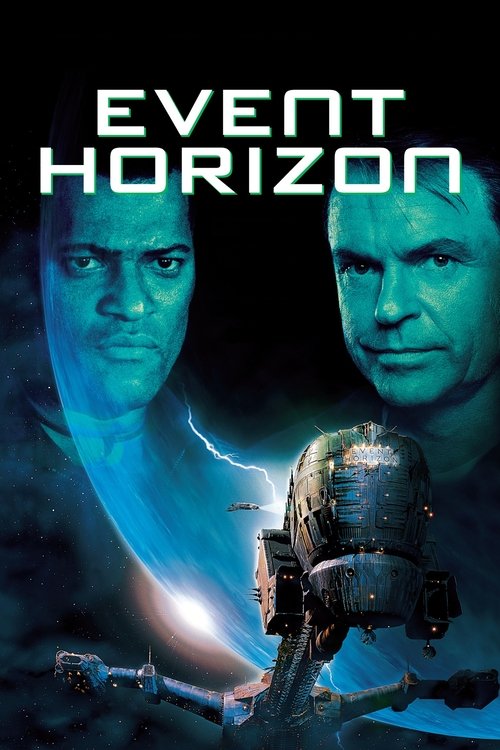
Event Horizon1997
Another haunted-space-ship film that leans harder into surrealist horror and bodily violation. Paul W.S. Anderson treats the nightmare logic seriously, giving it visual weight that lingers.
But It's aggressively, sometimes gratuitously gruesome. The gore is the point, which won't appeal if you prefer suggestion to spectacle.
Not sure tonight? Get a pick in a minute, starting from Galaxy of Terror
The wildcard
Something you would not have found on your own.
Solaris1972
Both films use the alien environment as a mirror that feeds on human psychology. Where Galaxy uses it for visceral shocks, Solaris uses it for existential crisis.
Andrei Tarkovsky's slow-burn meditation on a space station orbited by an ocean that manifests crew members' deepest traumas. Like Galaxy, it uses the nightmare idea as physics, not just jumpscares—but with intellectual depth that rewires your brain.
But It's nearly three hours of long takes and philosophical dialogue. Patience is not optional; half the audience will consider it a test rather than entertainment.

More like this (8)
Life2017
Taut, confined sci-fi thriller about a rapidly-evolving organism picked up from Mars. It has the same paranoid energy and high body count, with better pacing and actual craft.
But It's a slick commercial film, all surface and momentum. There's no thematic underbelly, just efficient scares.

Dark Star1974
John Carpenter's scrappy space-comedy predecessor to Alien, made for nothing with imagination and black humour. Proof that constraint breeds invention in sci-fi filmmaking.
But It's genuinely cheap-looking even by the standards of 1974. The comedy tone won't suit if you're after pure dread.

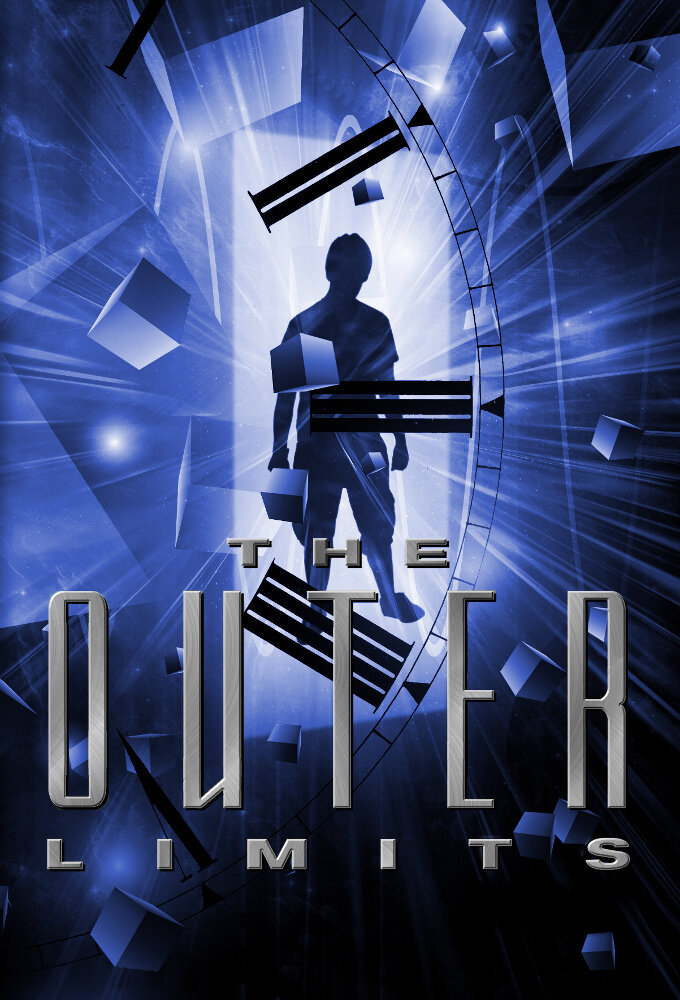
The Outer Limits1995
The original '60s anthology series that established the paranoia-in-space template. Each episode is a contained nightmare with practical ingenuity and real strangeness.
But The pacing is slow and stiff in a way that feels dated even for fans of vintage television. Acting is broad and sometimes painful.
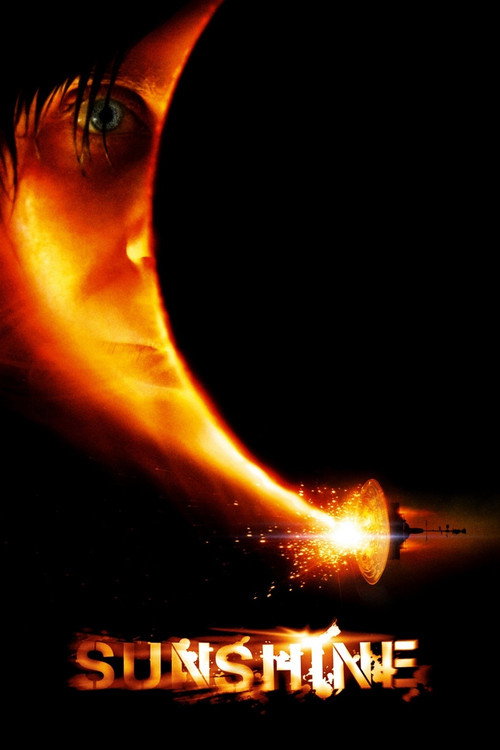
Sunshine2007
A Danny Boyle film about a suicide mission to reignite the sun: cosmic-scale dread, hallucinatory imagery, and a crew fracturing under psychological pressure. Visually sumptuous and philosophically dark.
But The final act pivots to slasher-film territory, losing its intellectual grip just when it matters most.
Phase IV1974
A bizarre, abstract first film by Saul Bass about ants behaving wrongly. It's alien horror without aliens—pure atmosphere, geometry, and a genuinely unsettling finale.
But It's glacially paced and absolutely committed to being weird in ways that feel alienating rather than engaging for most viewers.

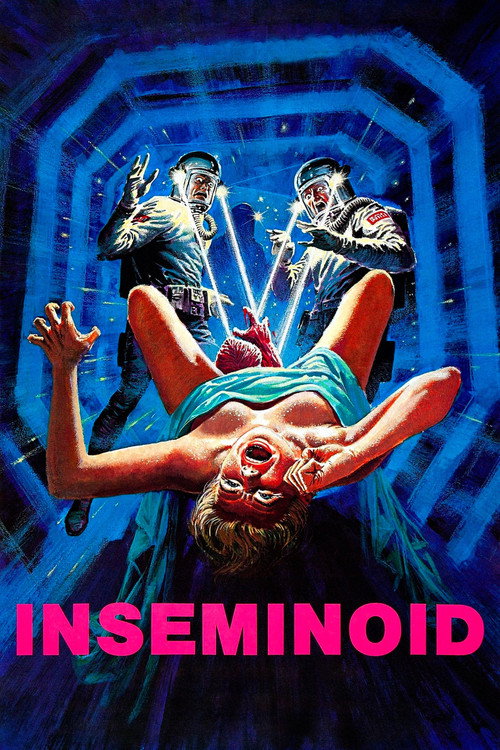
Inseminoid1981
A British cash-in made the same year as Galaxy, with all the trashy ambition and practical monster effects of the era. It's genuinely entertaining schlock with a perverse energy.
But The premise and execution are deeply uncomfortable in ways the film doesn't seem aware of. It's morally murky in uninteresting ways.
Videodrome1983
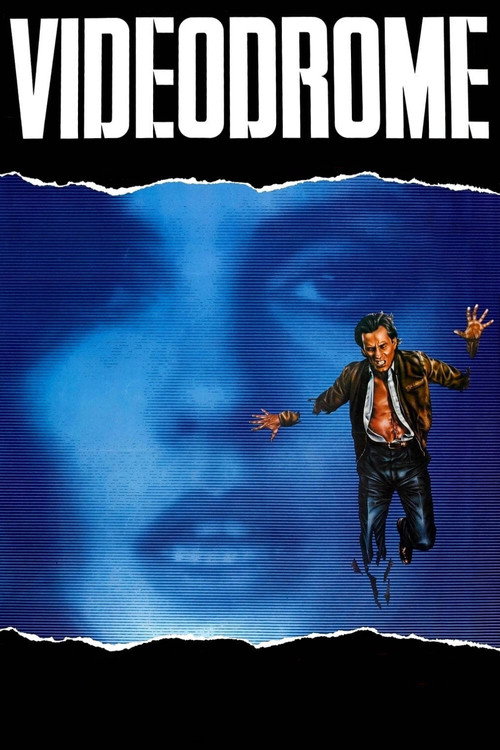
Both use bodily transformation and nightmarish imagery as metaphor. Galaxy executes it as splatter-horror spectacle; Videodrome uses it to explore the terror of losing grip on what's real.
David Cronenberg's hallucinatory descent into media-infected consciousness. Reality fractures through body horror and nightmare logic. It's the film Galaxy of Terror *wanted* to be: ambitious, genuinely disturbing, visually bold.
But It's deliberately incoherent by design. If you need narrative clarity or tidy plot resolution, this will enrage you.
The Killing of a Sacred Deer2017
Both films treat nightmares as external forces with rules. Galaxy is visceral and chaotic; Sacred Deer is controlled and methodical—but both deny comfortable closure.
Yorgos Lanthimos creates a suffocating, geometric world where a family's darkest fears materialise as inexplicable punishment. It has Galaxy's surreal horror logic but wields it with surgical precision and unbearable dread.
But It's austere, slow, and morally ambiguous in ways that refuse resolution. Some will find it pretentious; others will find it merciless.

People
Cast
 Edward AlbertCabren
 Erin MoranAlumna
 Ray WalstonKore
 Bernard BehrensCommander Ilvar
 Zalman KingBaelon
 Robert EnglundRanger
 Taaffe O'ConnellDameia
 Sid HaigQuuhod
 Grace ZabriskieCaptain Trantor

- Mary Ellen O'NeillMitri
Directing
- Bruce D. ClarkDirector
Writing
- Bruce D. ClarkWriter
- Marc SieglerWriter
Production
- Lisa MionieCasting
- Marc SieglerCo-Producer
- Mary Ann FisherExecutive In Charge Of Production
- Roger CormanProducer
- Rupert HarveyProduction Accountant
- Aaron LipstadtProduction Manager
- Don Keith OpperProduction Manager
- Jane CovnerPublicist
Recommended by
Alien, Night of the Comet, Forbidden World, Spacehunter: Adventures in the Forbidden Zone