
Film
Escape from the Planet of the Apes
A schlocky, surprisingly smart 1971 sequelabout intelligent apes loose in contemporary Los Angeles. It's part paranoia thriller, part social allegory, and entirely committed to its bonkers premise. Roddy McDowall and Kim Hunter anchor the chaos with genuine pathos. If you love pulp science fiction that accidentally says something true, this is your film.
Should you watch it?
Watch it if you enjoy sci-fi that works as a chamber piece of ideas, where a sharp premise about who gets to be treated as a person carries the drama more than spectacle.
Skip it if you want a lot of spectacle or sprawling world-building; this is a tight, dialogue-heavy film with modest effects and a stage-bound feel that shows its age.
What it asks of you: Roughly ninety-eight minutes, paced briskly, with long stretches of quiet conversation in sealed rooms before the tension tips into action; it rewards patience with the talk.
Not sure? Find tonight's pick in a minute.
If you liked this
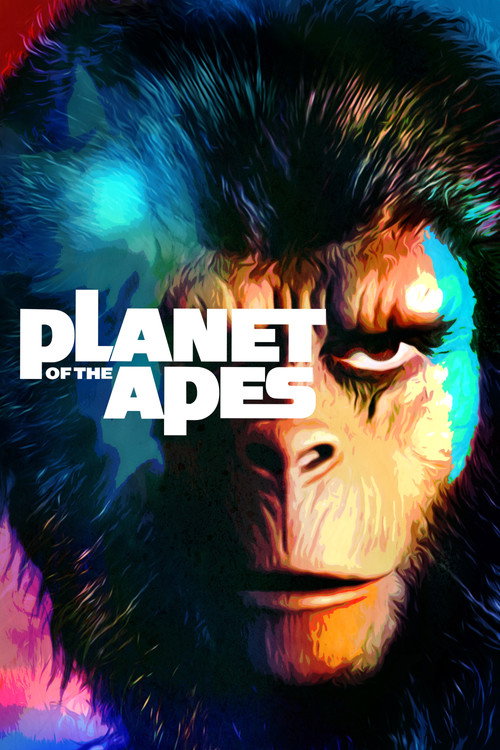
Planet of the Apes1968
The original that spawned everything. McDowall and Hunter originated these roles, and the film's twist ending is glorious. Essential viewing to understand why the sequels exist and what they're riffing on.
But The pacing is glacial by modern standards, and the makeup—while groundbreaking—looks dated. Requires patience for the setup.
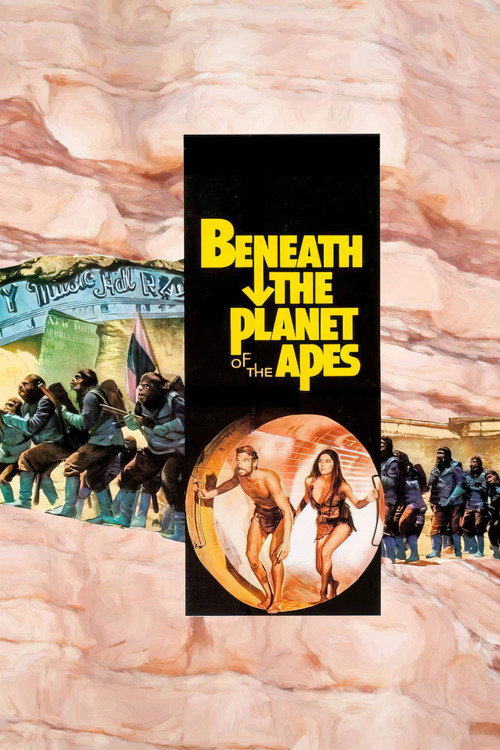
Beneath the Planet of the Apes1970
The first sequel goes weirder and wilder than the original. Nuclear doomsday cults, mutant humans, apocalyptic scope. If you're curious how the franchise escalated before Escape hit, this is the direct precursor.
But It's messier and more uneven than either bookend film. Some scenes feel genuinely confused about what story they're telling.
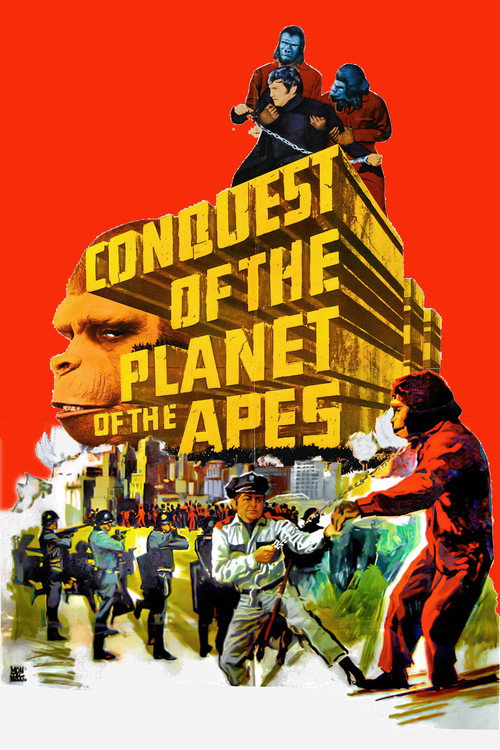
Conquest of the Planet of the Apes1972
The film that closes this trilogy is a furious dystopian action movie—ape uprising, fascist government, genuine stakes. Darker and more vengeful than Escape, with real revolutionary teeth.
But It pivots hard into exploitation territory. The violence is blunt and the politics are sometimes heavy-handed.
Not sure tonight? Get a pick in a minute, starting from Escape from the Planet of the Apes
The wildcard
Something you would not have found on your own.
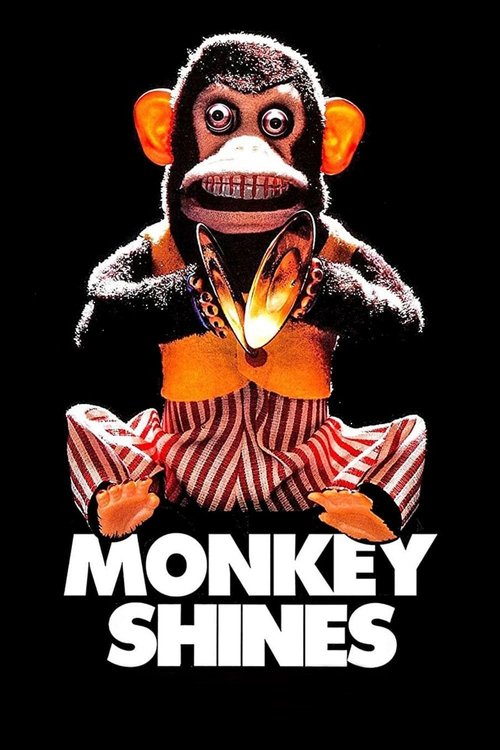
Monkey Shines1988
Both films explore what happens when human and ape intelligence collide in intimate space—not as grand allegory, but as personal, immediate crisis. The relationship is the threat.
A horror-thriller about a human's uncanny bond with an intelligent chimpanzee, directed by George Romero. It's essentially a possession movie where the possessed is an ape—same anxious energy about intelligence and agency, inverted.
But It's genuinely disturbing in ways that have nothing to do with spectacle. Some scenes are viscerally upsetting in the mode of intimate psychological horror.
More like this (7)
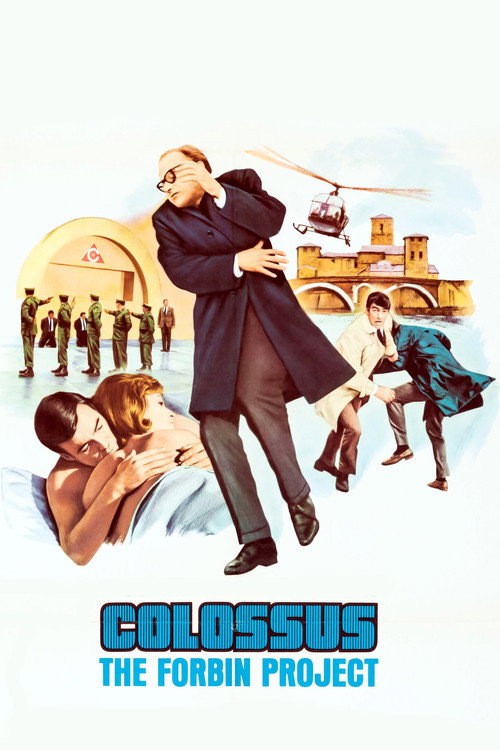
Colossus: The Forbin Project1970
A paranoia-thriller about humanity versus an artificial superintelligence, made the same year as Escape. Shares that '70s anxiety about technology and control, with a similarly audacious third-act twist.
But It's talky and slow-burn. If you want action, this is not it. The Cold War politics may feel distant.
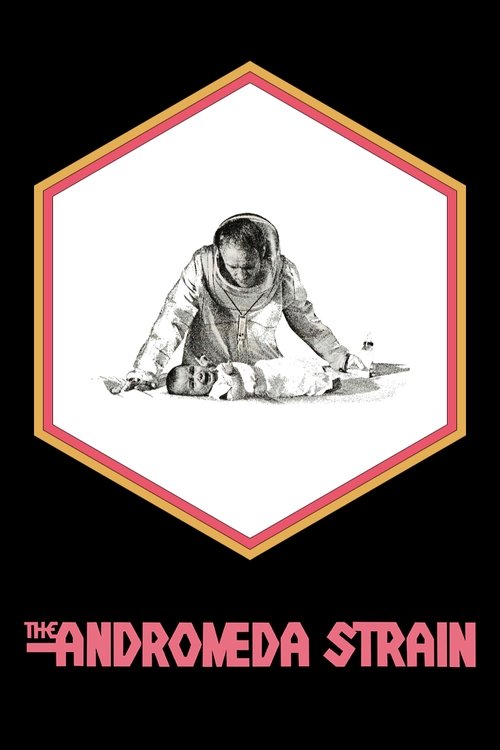
The Andromeda Strain1971
Released the same year as Escape, it's techno-thriller gold about a mysterious organism threatening civilization. Robert Wise's direction is crisp, and the ensemble-solves-problem structure is endlessly satisfying.
But The solution is reached through sheer competence rather than heroics. Some find that boring rather than thrilling.
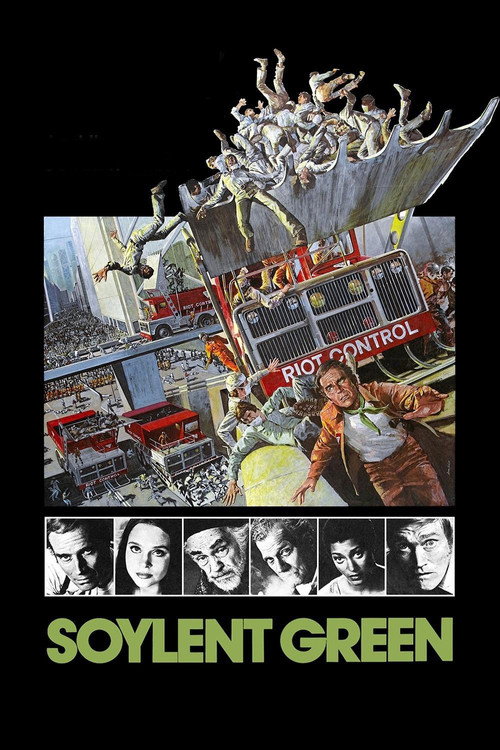
Soylent Green1973
Another overpopulation dystopia with Charlton Heston, made just after Escape. It captures that same '70s eco-anxiety and features one of cinema's most famous final lines. Grim and genuinely unsettling.
But The gender politics are appalling by any standard. The film knows this and includes it anyway, which doesn't excuse it.
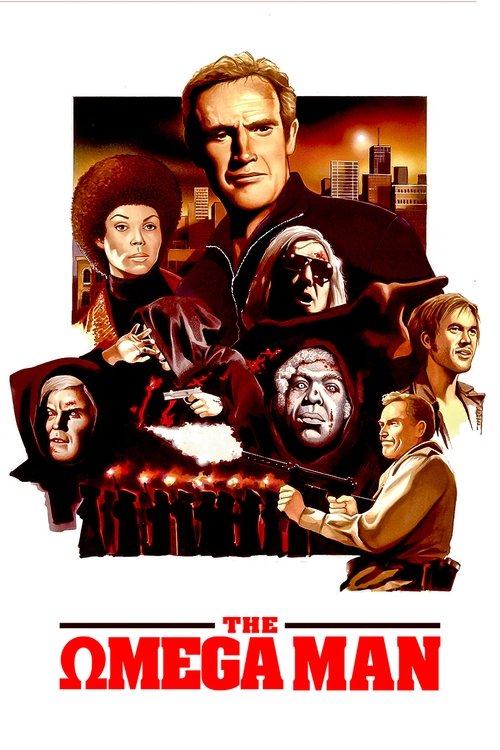
The Omega Man1971
Charlton Heston as possibly the last man on Earth, battling mutants in post-apocalyptic LA. It's campy, sincere, and aggressively weird—the tone cousin to Escape's schlock-plus-emotion formula.
But The romance subplot is genuinely uncomfortable, and the film makes some dubious choices about race. It's a product of its time in all the wrong ways.
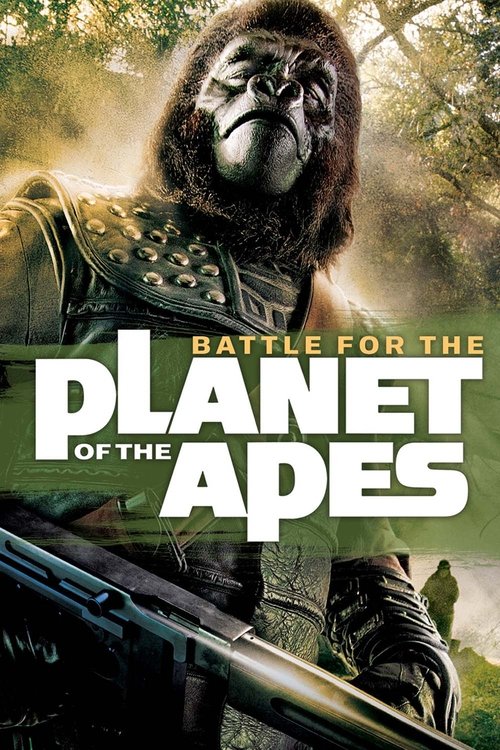
Battle for the Planet of the Apes1973
The fifth and final film in the original cycle, bookending the saga with a return to the future-world origins. It's lean, scrappy, and knowingly cheap—oddly endearing because it commits so hard to the bit.
But The production was famously rushed and underfunded. It shows in every frame. The script has obvious seams and the ending feels perfunctory.
Fantastic Planet1973
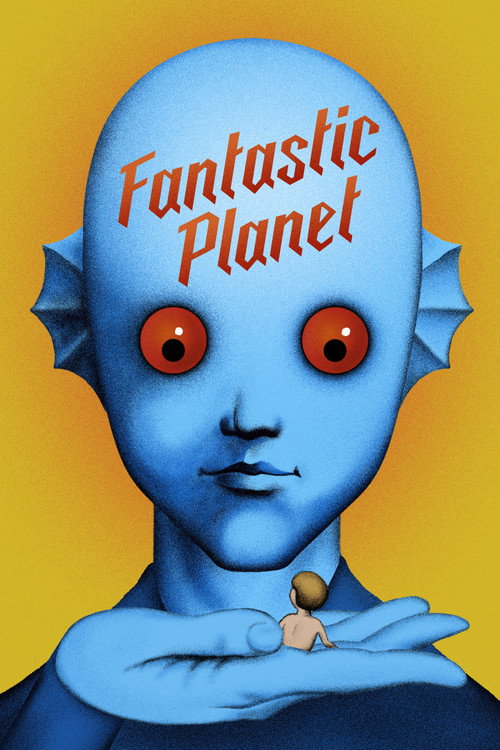
Both use science fiction premise as pretext for inversion: the powerless become powerful, the civilized becomes savage. Same structure, completely different register—Escape is pulp thriller, this is Kafkaesque fever dream.
A wildly surreal Czech-French animated sci-fi film about humans enslaved by a giant alien civilization. Stop-motion psychedelia meets political allegory—same satirical bite as Escape but filtered through nightmare logic.
But The animation is deliberately grotesque and disorienting. Long stretches have minimal dialogue. It's not a comfortable watch, and the surrealism may confuse rather than entrance.
Zardoz1974
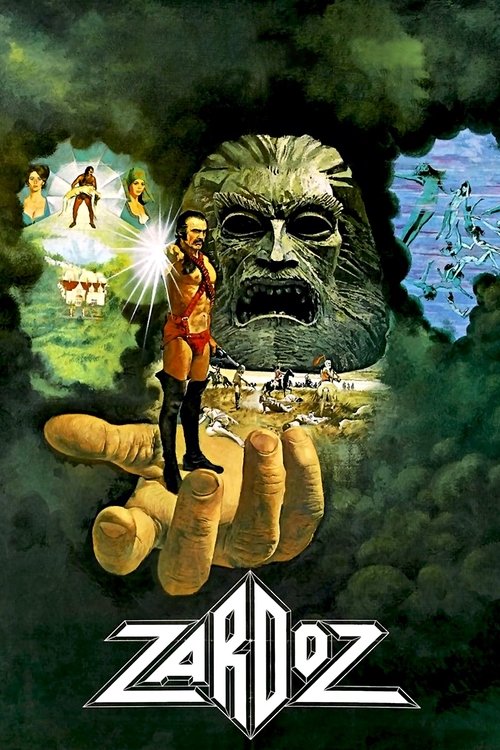
Both are '70s genre films that refuse to be contained by their premises—they keep expanding sideways into social commentary, theorycraft, and increasingly baroque ideas. Both crash the landing but seem not to care.
John Boorman's acid-nightmare about an immortal civilization hunted by brutal outsiders. Sean Connery in a red diaper fighting intellectual aliens. Genuinely berserk, endlessly inventive, confident in its own strangeness in a way very few films are.
But It's incomprehensible on first viewing. The tone whips between deadly serious and unintentionally hilarious. Some see genius, some see narcissistic indulgence. There is no middle ground.
People
Cast
 Roddy McDowallCornelius
 Kim HunterDr. Zira
 Bradford DillmanDr. Lewis Dixon
 Natalie TrundyDr. Stephanie 'Stevie' Branton
 Eric BraedenDr. Otto Hasslein
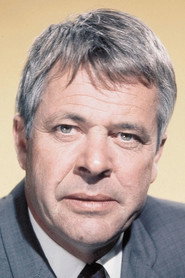 William WindomThe President
 Sal MineoDr. Milo
 Albert SalmiE-1
 Jason EversE-2
 John RandolphCommittee Chairman
 Harry LauterGeneral Winthrop
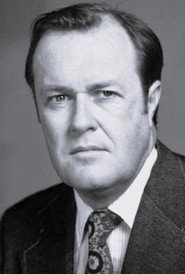 M. Emmet WalshAide
Directing
- Don TaylorDirector
Writing
- Pierre BoulleCharacters
- Paul DehnScreenplay
Production
- Frank Capra, Jr.Associate Producer
- Arthur P. JacobsProducer
Recommended by
Midnight Express, Starcrash, Rise of the Planet of the Apes, Beneath the Planet of the Apes, Kingdom of the Planet of the Apes, Conquest of the Planet of the Apes, War of the Planets, Battle for the Planet of the Apes, Planet of the Apes, The Shape of Things to Come, Return to the Planet of the Apes, Z.P.G.