
Film
Beneath the Planet of the Apes
- Post-apocalyptic
- Very dark
The 1970 sequel sends a second astronaut to the ape planet, deepening the mythology with underground ruins and a chilling discovery that reframes everything. It's leaner and weirder than the original, trading blockbuster polish for genuine cosmic dread. For fans who want the story continued, not remade.
Should you watch it?
Watch it if you loved the bleak irony of the first Planet of the Apes and want its sequel to push harder into paranoia, ruin and doomsday theology, with a sense that every answer makes things worse.
Skip it if you want the sun-baked wonder and slow-burn survival of the original, since this one trades the desert wandering for underground corridors and a much more claustrophobic, talky mood.
What it asks of you: It runs about ninety-five minutes and gets darker as it goes, so it rewards sustained attention, with long stretches of dialogue and a finale that stays grim rather than giving you relief.
Not sure? Find tonight's pick in a minute.
If you liked this
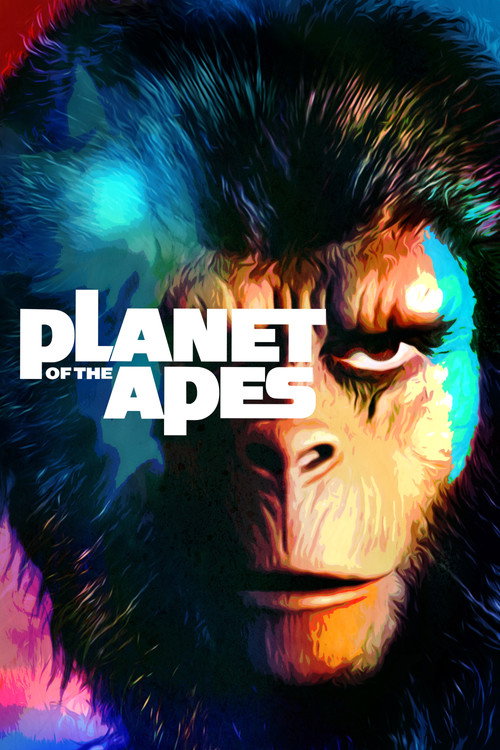
Planet of the Apes1968
The original that started it all. A perfect sci-fi premise with real teeth: astronauts land on a world where apes rule and humans are primitive. The twist ending still lands.
But The pacing feels deliberate by today's standards, and some of the social allegory is more blunt than subtle.
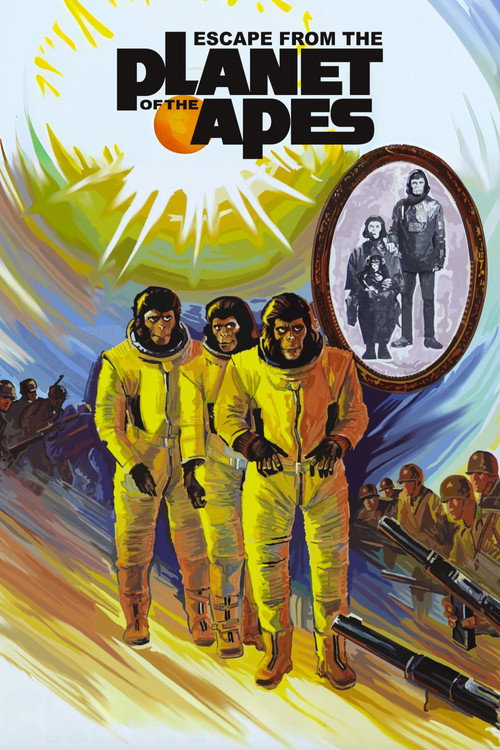
Escape from the Planet of the Apes1971
Three apes escape to 1970s Earth. It flips the script entirely—now the apes are refugees in our world, hunted and desperate. Genuinely moving alongside the action and comedy.
But The tonal whiplash between satire and pathos won't work for everyone. Some scenes play it entirely straight when you'd expect camp.
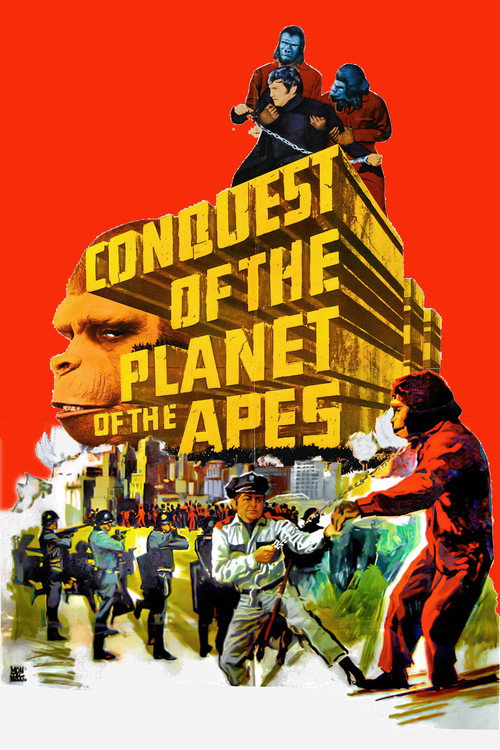
Conquest of the Planet of the Apes1972
A prequel that shows how apes rose to power. Caesar's journey from enslaved pet to revolutionary leader is genuinely stirring, and it's the darkest film in the original series.
But It's essentially a revolution film first and apes-film second. If you want spectacle over ideology, look elsewhere.
Not sure tonight? Get a pick in a minute, starting from Beneath the Planet of the Apes
The wildcard
Something you would not have found on your own.
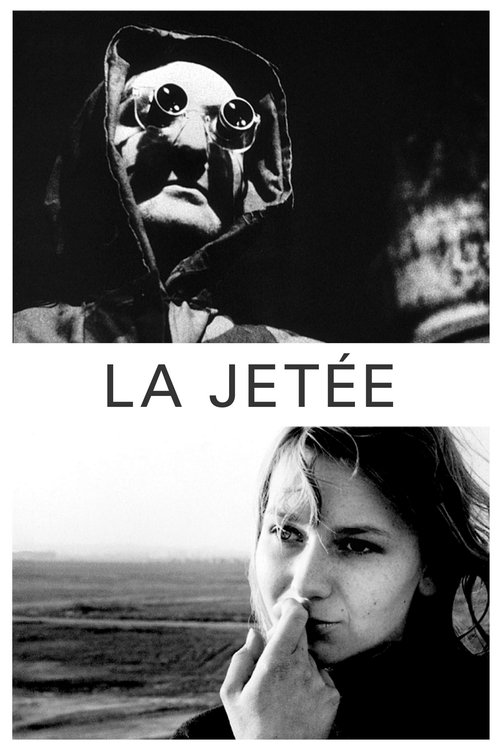
La Jetée1962
Both are about the aftermath of catastrophe—civilization collapsed, survivors picking through what's left—but La Jetée approaches it as elegy rather than adventure. Same devastated world, opposite emotional register.
A post-nuclear Paris told almost entirely through still photographs and voice-over, following a man sent through time. Pure mood and metaphor. It's visual poetry that hits like a gut punch, and it invented the aesthetic that influenced every dystopia after it.
But It's 28 minutes of mostly static images. If you need conventional narrative momentum, this is the opposite. It requires patience and imagination.
More like this (8)
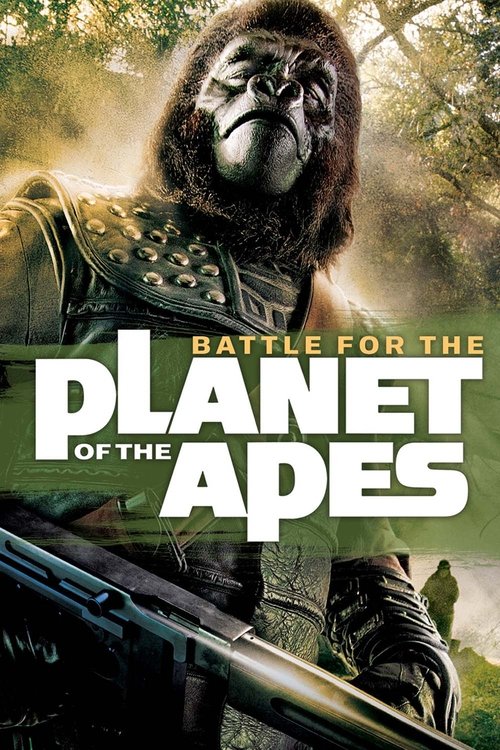
Battle for the Planet of the Apes1973
The finale of the original cycle, set in a post-apocalyptic future where apes and humans are rebuilding. It ties threads together and asks hard questions about forgiveness and power.
But Budget constraints show, and it feels rushed compared to the earlier sequels. The ending is divisive.
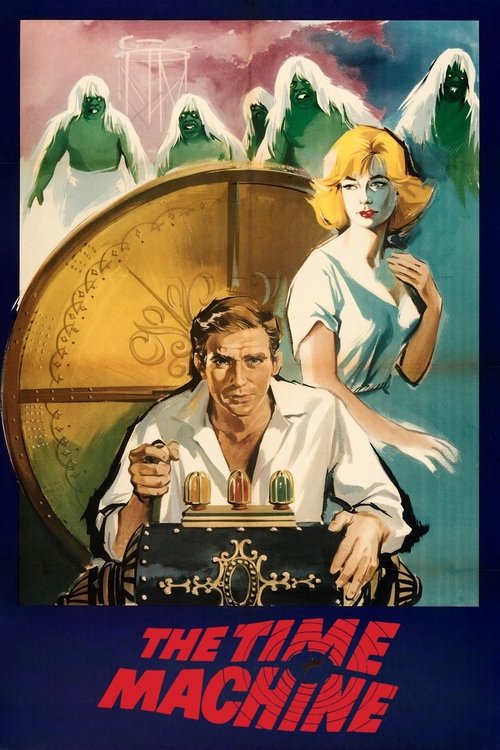
The Time Machine1960
H.G. Wells' vision of humanity's distant future where evolution has created two separate species. The same DNA as Planet of the Apes—seeing what we become, and at what cost.
But It's a 1960 film, so the effects and pacing will feel quaint. The social commentary is heavy-handed by any era's standards.
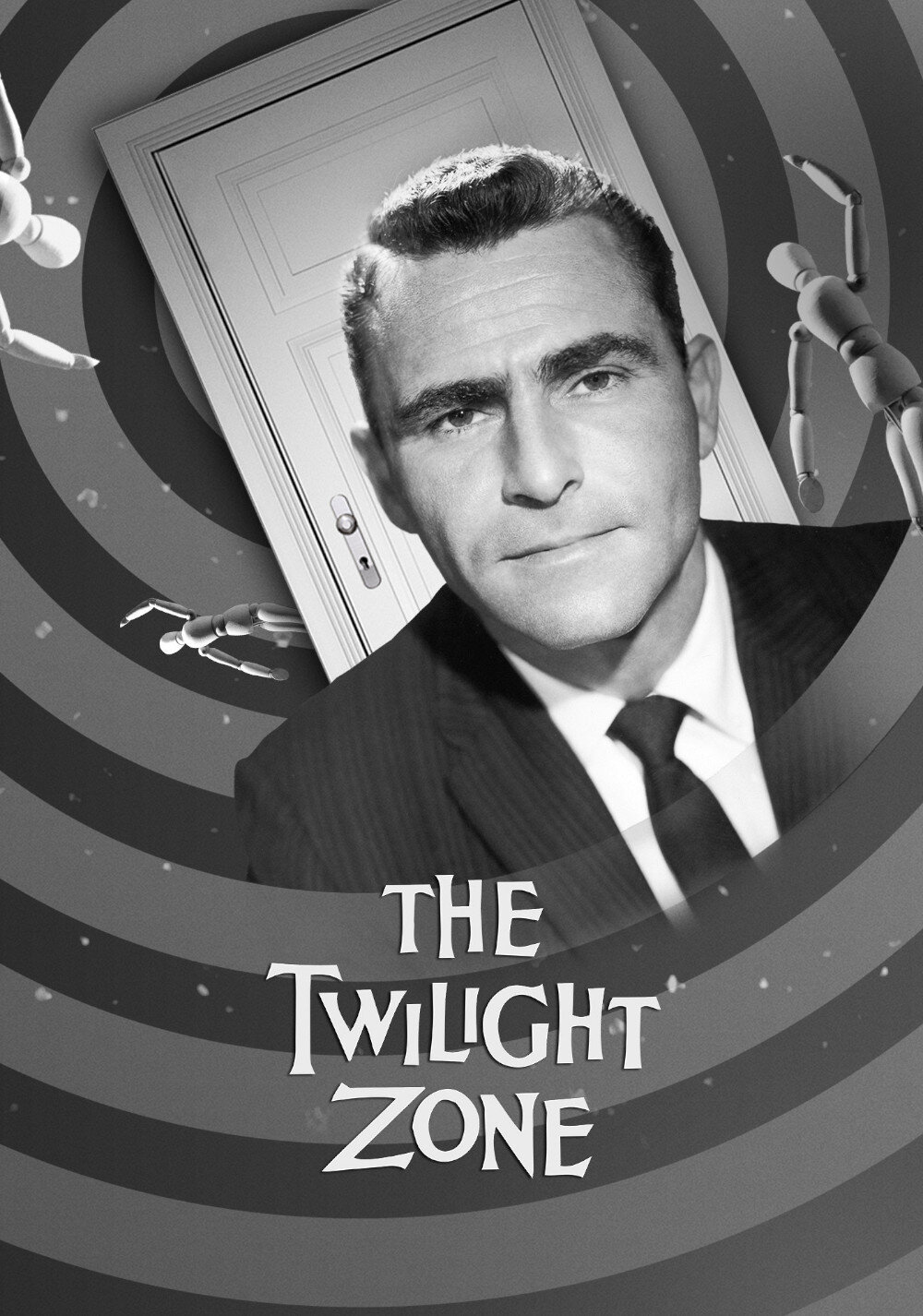
The Twilight Zone1959
Rod Serling's anthology series traffics in the same speculative sci-fi territory: what if? What would you do? Episodes like 'The Obsolete Man' and 'The Monsters Are Due on Maple Street' have the apes' DNA.
But Five seasons means uneven quality. Many episodes are dated, and the twist-ending format gets predictable fast.
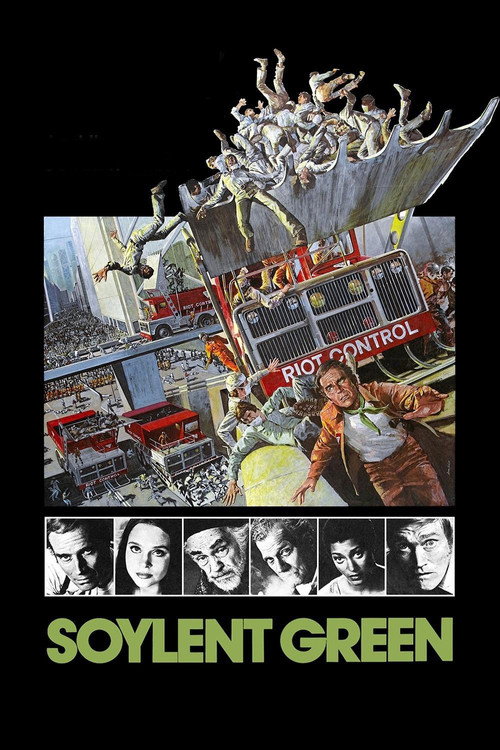
Soylent Green1973
A dystopian murder mystery set in an overpopulated future Earth. Dark, grimy, and genuinely unsettling. The same paranoid 70s sci-fi energy as Beneath, with an ending that haunts you.
But It's slow and methodical. If you're here for action, this is a patient police procedural wearing a sci-fi coat.
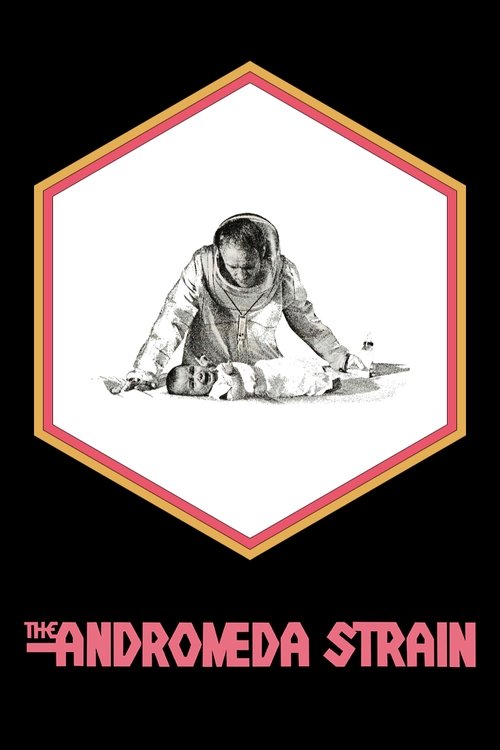
The Andromeda Strain1971
Microscopic alien organism, scientist team racing to understand it, apocalypse implications. Michael Crichton's hard sci-fi adapted with meticulous precision. Tense and intelligent.
But Dialogue-heavy and procedural. There's almost no action, just people solving problems in a facility. It can feel like watching work.
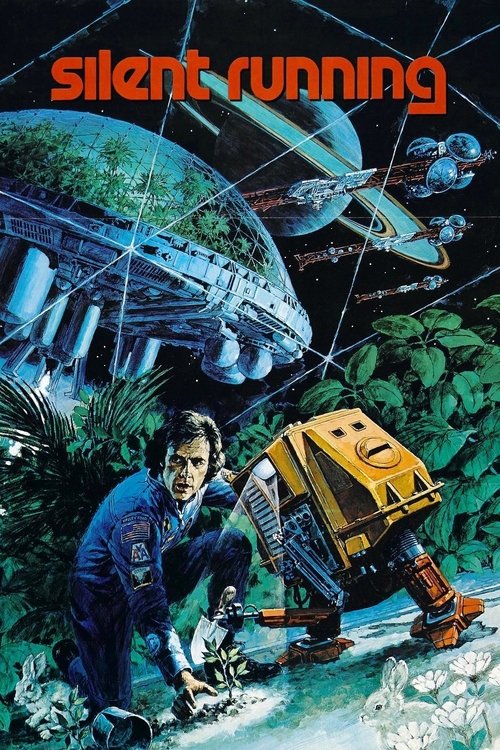
Silent Running1972
One man, three robots, Earth's last plants in space. A quietly haunting film about isolation, loss, and what we choose to preserve. Deeply philosophical despite its small scale.
But It's meditative to the point of loneliness. If you're expecting adventure, you'll find only melancholy and dread instead.
Stalker1979
Both feature expeditions into forbidden underground spaces where truth waits to be uncovered, but Stalker is about the spiritual weight of that journey—the cost of knowing—while Beneath is about the shock of revelation. One's internal, one's external.
Andrei Tarkovsky's masterpiece: a guide leads two men through a mysterious zone to a room that grants wishes. Hypnotic, philosophical, utterly unlike anything else. It's slow science fiction for the soul, not the plot.
But Nearly three hours of meditative pacing. There's minimal dialogue, no action whatsoever, and the 'plot' is an excuse for metaphysics. Many will find it unbearably slow.

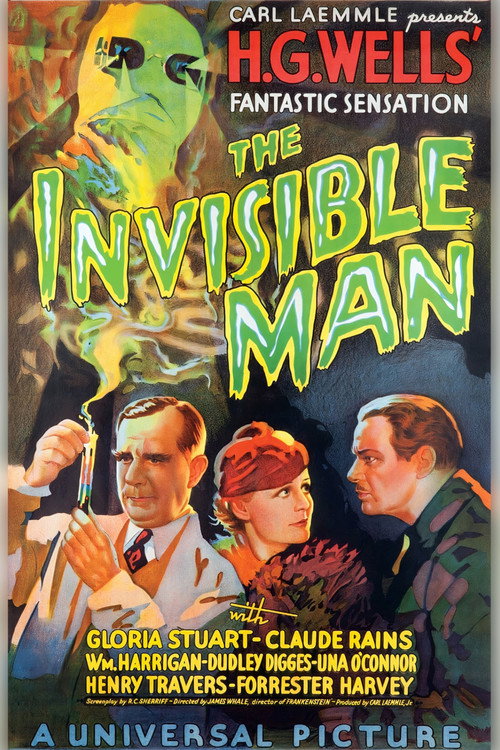
The Invisible Man1933
Both explore how discovering hidden knowledge—or hidden beings—reshapes power structures and moral certainty. Invisible Man is about what happens when one man knows something others don't and uses it. Beneath is about what happens when many people learn a secret that changes everything.
James Whale's adaptation of H.G. Wells: a scientist achieves invisibility and descends into megalomania and violence. Black-and-white, wildly inventive camera work, genuinely terrifying. It's about power corrupting, and how we fear what we can't see.
But It's 90 years old and the pacing reflects that era. Some effects look like tricks now. The character is unsympathetic for most of it.
People
Cast
 James FranciscusBrent
 Kim HunterZira
 Maurice EvansDr. Zaius
 Charlton HestonTaylor
 Linda HarrisonNova
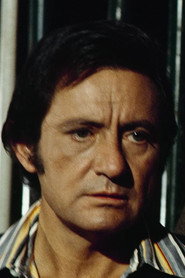 Paul RichardsMendez
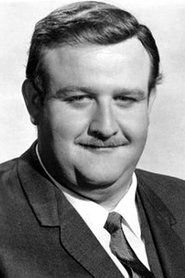 Victor BuonoFat Man
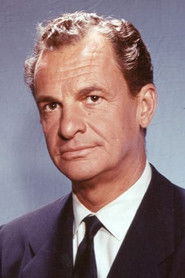 James GregoryUrsus
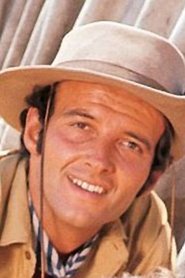 David WatsonCornelius
 Jeff CoreyCaspay
 Natalie TrundyAlbina
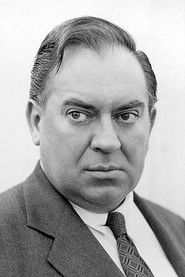 Thomas GomezMinister
Directing
- Fred R. SimpsonAssistant Director
- Ted PostDirector
- Chuck RobersonSecond Unit Director
Writing
- Pierre BoulleCharacters
- Pierre BoulleNovel
- Mort AbrahamsScreenplay
- Paul DehnScreenplay
Production
- Mort AbrahamsAssociate Producer
- Arthur P. JacobsProducer
Recommended by
Rise of the Planet of the Apes, The Vanishing Prairie, Escape from the Planet of the Apes, The Deep, Eye of the Needle, Kingdom of the Planet of the Apes, Battle for the Planet of the Apes, Land of the Lost, Doctor Who: The Evil of the Daleks, Return to the Planet of the Apes, The Death of the Incredible Hulk