
Film
The Vanishing Prairie
- Slow-burning
A 1954 Disney documentary capturing the American prairie in its wild state: vast herds, predator and prey, seasonal rhythms, all filmed with patient intimacy. It's lyrical natural history, less lecture than immersion. For anyone who wants to see what was lost, or understand how landscape shapes life itself.
Should you watch it?
Watch it if you love nature films that let the camera simply watch animals going about their business, with a calm narrator and a quiet awe for wide open country that feels almost lost now.
Skip it if you need a plot, characters or a clear through-line, since this is a loose parade of creatures and seasons across the plains rather than a story with stakes.
What it asks of you: It runs about seventy-one minutes at an unhurried, drifting pace, asking you to settle in and let scenes of grass, weather and migrating herds unfold without much urgency.
Not sure? Find tonight's pick in a minute.
If you liked this
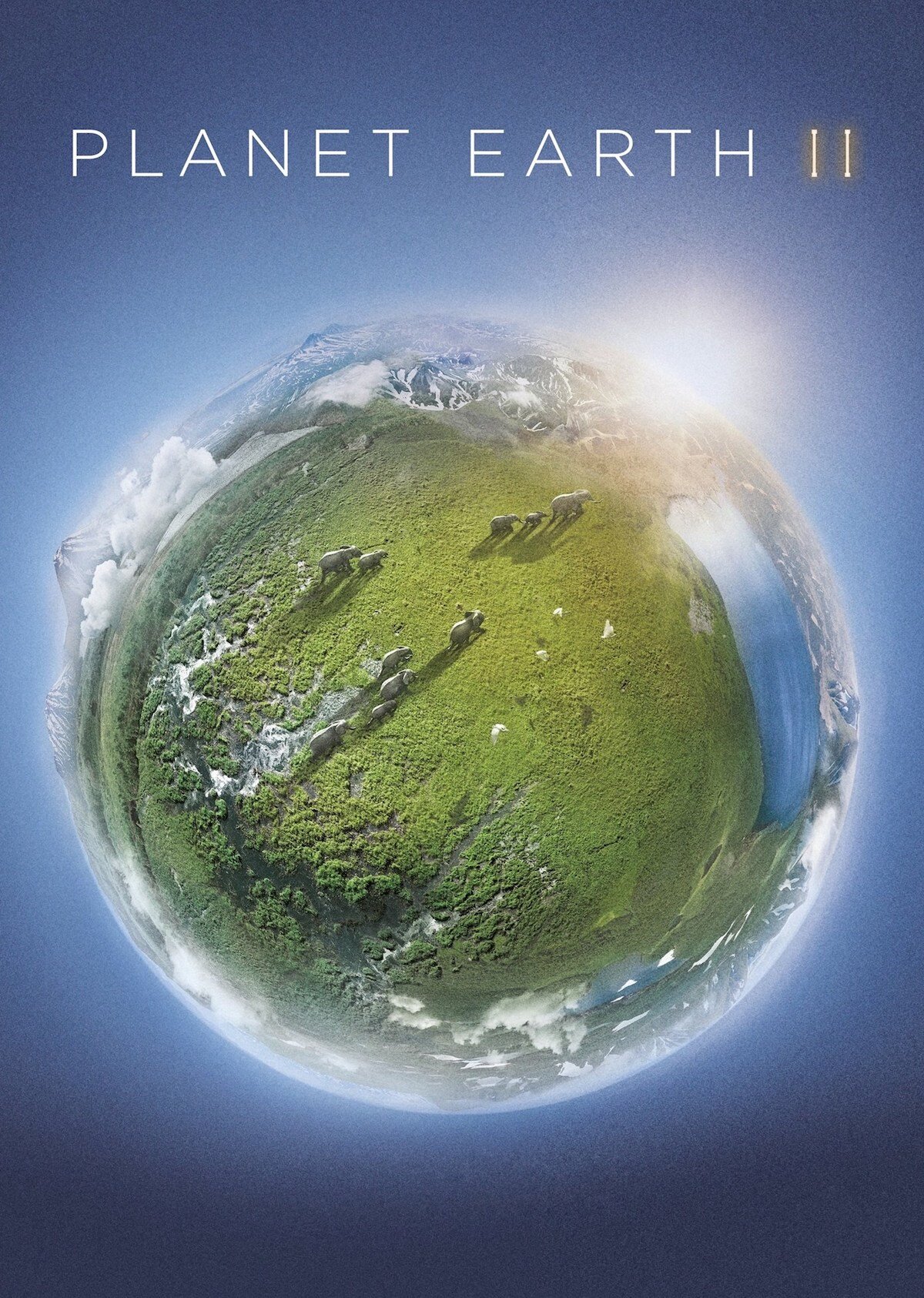
Planet Earth II2016
Modern nature documentary with the same patient observation of animal behaviour and habitat, but global scope and 4K cinematography. David Attenborough's narration carries you through ecosystems you'll never physically reach.
But Sixteen hours is a serious commitment, and the climate anxiety it triggers is real. Some episodes lean heavily on spectacle over intimacy.
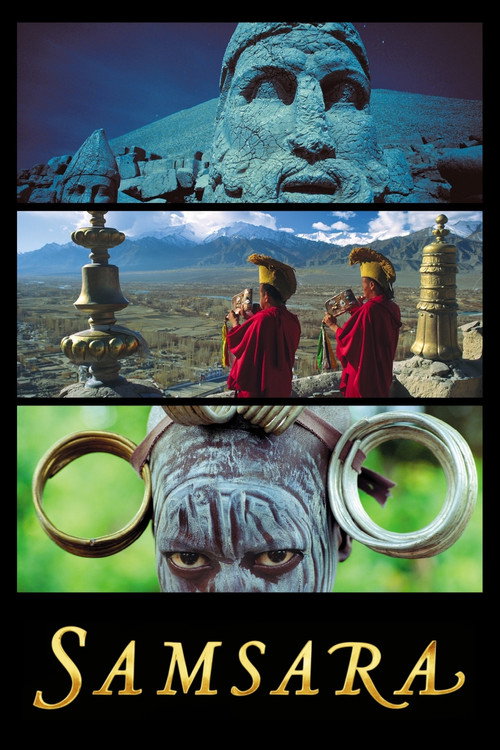
Samsara2011
A visual poem about cycles—birth, growth, decay, rebirth—filmed across continents without dialogue. The prairie film's spiritual descendant, asking the same questions about rhythm and balance through pure image.
But No narrative anchor means it can feel abstract or detached. Some find it pretentious; others find it transcendent.
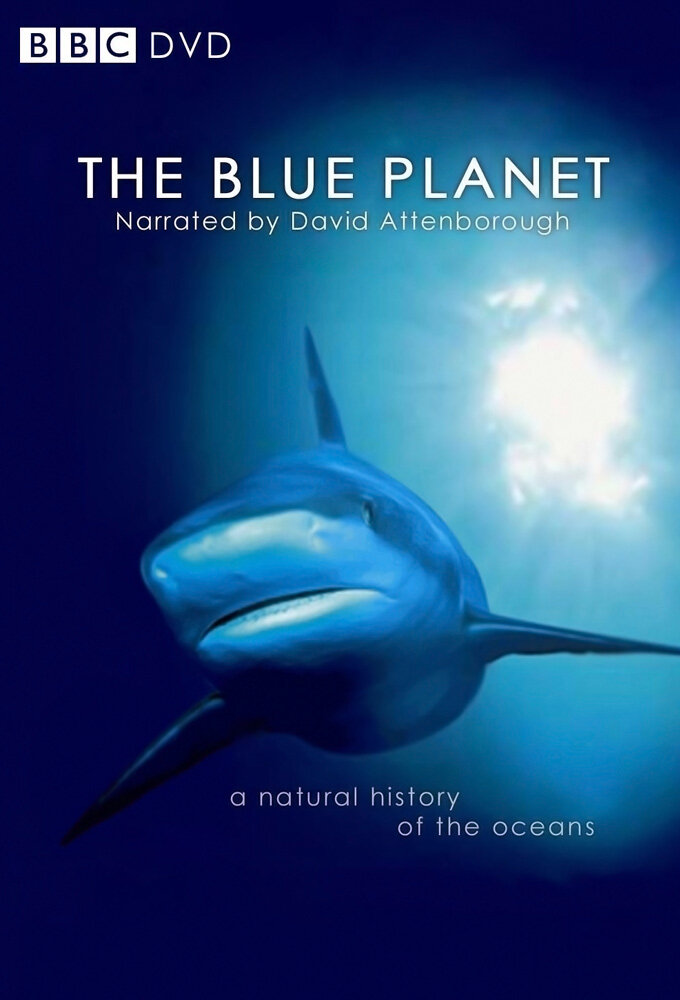
The Blue Planet2001
Companion to Planet Earth but focused on ocean life, with the same meticulous attention to behaviour and environment. It captures ecosystems as intricate and dynamic as any prairie.
But Narrated by David Attenborough, so if you find his voice soporific, you're in trouble. Some sequences are genuinely disturbing.
Not sure tonight? Get a pick in a minute, starting from The Vanishing Prairie
The wildcard
Something you would not have found on your own.
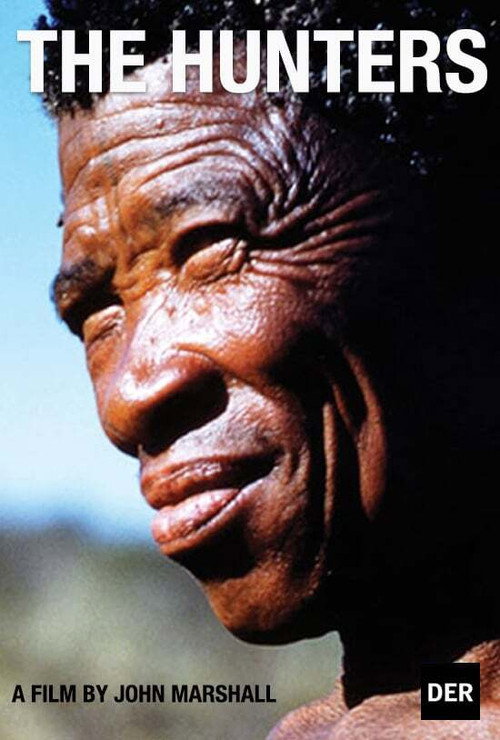
The Hunters1957
Both films treat landscape and survival as inseparable. The Vanishing Prairie watches from above; The Hunters watches from inside the knowledge system.
A Kalahari documentary following a San hunting party across weeks. Unlike The Vanishing Prairie's omniscient camera, this film embeds itself—you move with them, follow their knowledge and patience. Same landscape logic, utterly different perspective.
But Filmed in 1952 but made for anthropological study, it carries dated attitudes about indigenous peoples. The hunting sequences may disturb.
More like this (6)
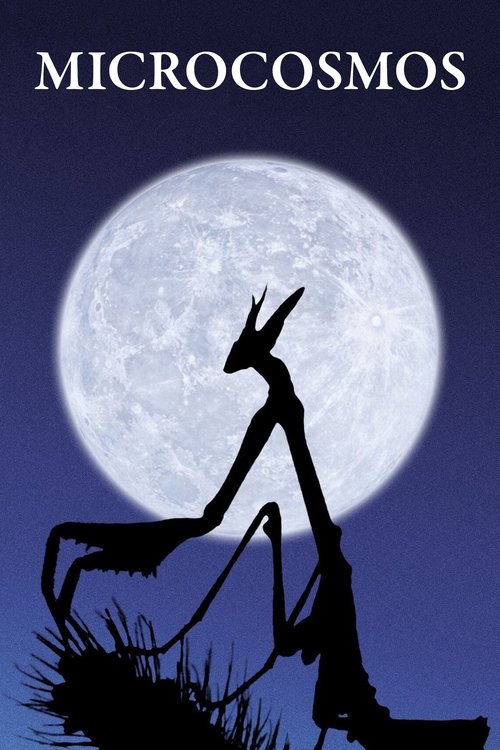
Microcosmos1996
A meadow is a universe: insects, larvae, weather, predation, all filmed with macro lenses and poetic sensibility. It's The Vanishing Prairie's miniature mirror, finding drama in the small.
But Macro cinematography of insects fascinates some and unsettles others. There's no traditional narrative, which tests patience.
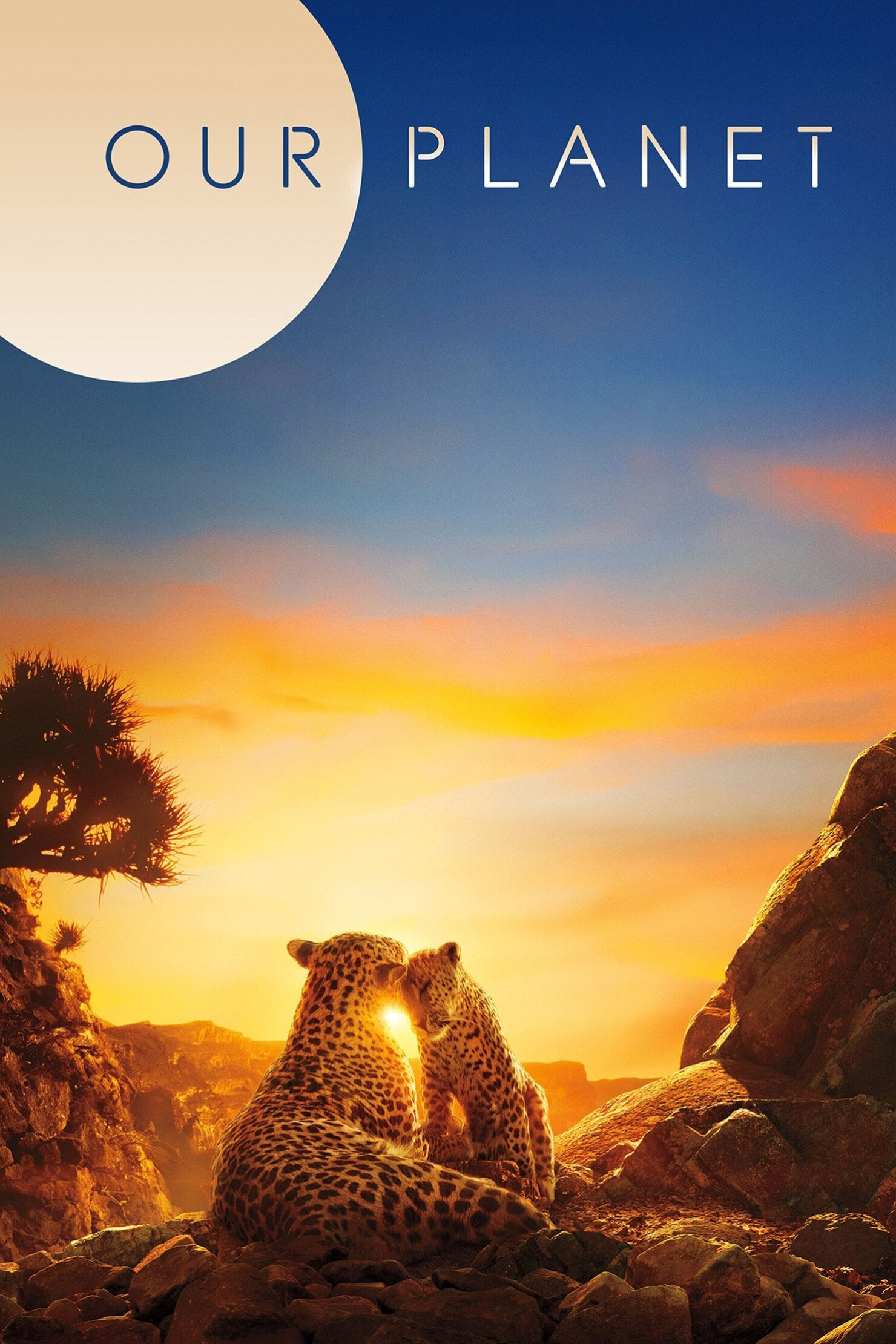
Our Planet2019
Global wildlife documentary with the same structural elegance as The Vanishing Prairie, tracking seasons and survival. Narrated by David Attenborough with unflinching attention to climate impact.
But The climate message is heavy and sometimes feels like it overwhelms the observation. Not an escape film.
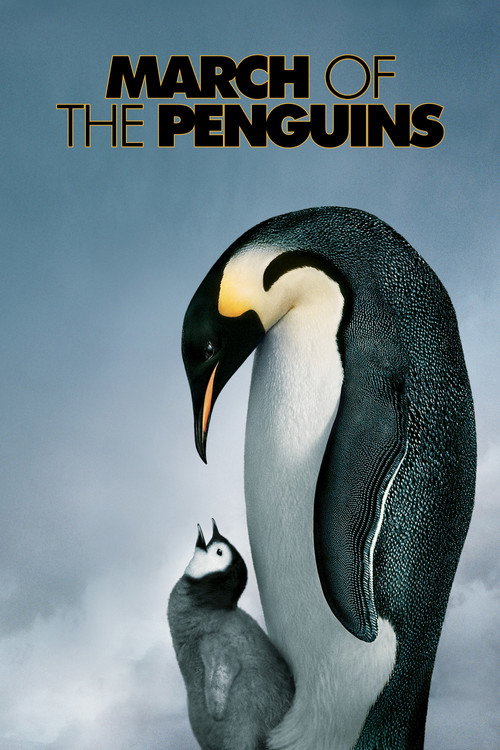
March of the Penguins2005
A single species, a single journey, filmed across a year. Morgan Freeman's narration carries you through the Antarctic as The Vanishing Prairie carries you through the grasslands.
But The anthropomorphizing and sentimentality will feel schmaltzy to some. It's lean on scientific insight.
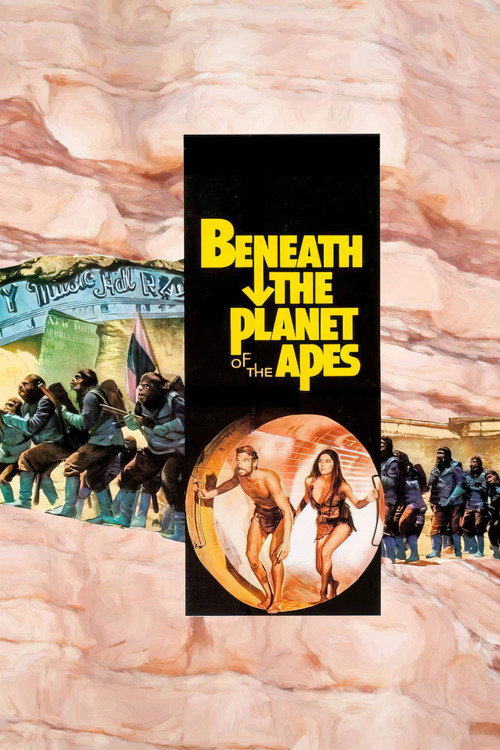
Beneath the Planet of the Apes1970
Science fiction that pivots on ecological collapse and the death of wild spaces. Thematically echoes The Vanishing Prairie's mourning for lost worlds, but through adventure and spectacle.
But Low budget shows badly, acting is uneven, and it's pulpier in tone. The first film is better; this one is a cash-in.
The Leopard1963
Both elegies for disappearing worlds. The Vanishing Prairie grieves animal habitat; The Leopard grieves human systems. Same structure of loss, different subject.
Visconti's epic about Sicilian aristocracy confronting its obsolescence. A nation's prairie is vanishing—not bison but privilege, ritual, a way of life. Shot with the same formal beauty, same elegy for what cannot be saved.
But It's 205 minutes of slow Italian melodrama. If you need plot momentum, this film will exhaust you.

Sans Soleil1983
Both use landscape and animal life as gateways to larger questions about time, cyclicality, what persists and what vanishes. One is crystalline observation; the other is fractured, dreamlike reflection on the same preoccupations.
Chris Marker's essayistic documentary essays, a voice-over meditation on memory, landscape, animals, time—shot across continents. Experimental, digressive, associative. Like The Vanishing Prairie remade by a philosopher refusing narrative structure.
But Demands active, repeated watching. No plot, no clear argument, no comfortable beginning or end. Some find it maddening, others transcendent.

People
Cast
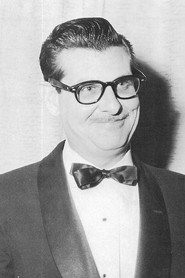 Winston HiblerNarrator
Directing
- James AlgarDirector