
Film
The Hunters
- Action
- Slow-burning
A 1957 ethnographic documentary that follows four Ju/'hoansi hunters tracking a giraffe across the Kalahari Desert. Shot during a 1952–53 expedition, it's a rare window into hunting practices and intimate knowledge of the land, filmed with patient attention to skill, endurance, and the hunters' own commentary. Essential viewing for anyone interested in anthropology, survival, or how humans once lived.
Should you watch it?
Watch it if you are drawn to patient observational films where the real pleasure is watching skilled people work, and you are happy to let a sequence unfold without a plot to lean on.
Skip it if the pace is unhurried and it explains little, so if you need stakes or a story arc, long stretches of waiting and tracking will test you.
What it asks of you: It runs a brisk seventy-two minutes yet stays slow and quiet, and it wants you to sit with physical detail and tracking rather than follow a plot or inner lives.
Not sure? Find tonight's pick in a minute.
If you liked this
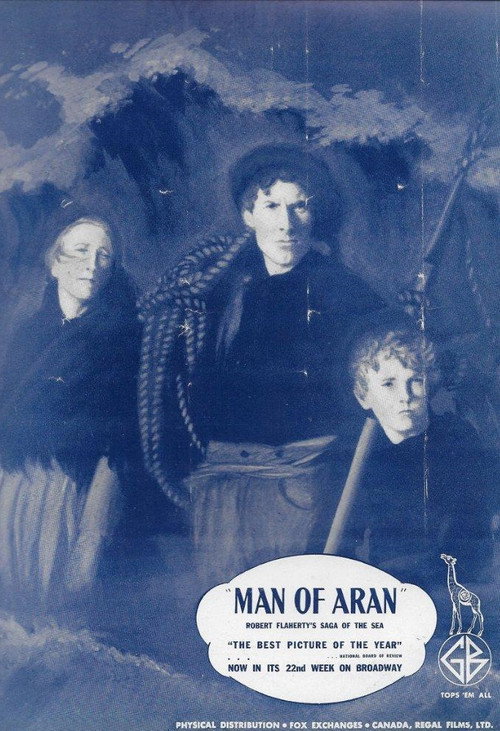
Man of Aran1934
Robert Flaherty's masterpiece documents the brutal relationship between Irish islanders and the sea. Like The Hunters, it's patient ethnographic cinema that finds drama in subsistence and survival without melodrama or condescension.
But Shot in the 1930s with reconstructed sequences, it's not pure documentary—some scenes are staged or rescored, which may feel dishonest depending on what you want from the form.
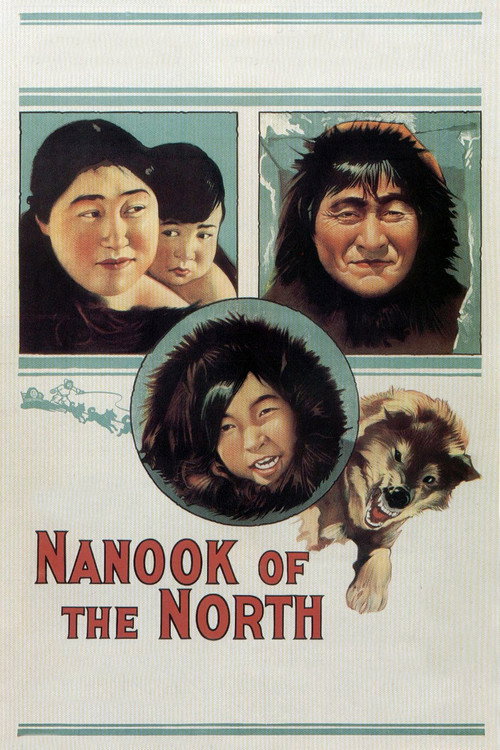
Nanook of the North1922
The foundational ethnographic film about Inuit life and hunting. Flaherty's approach—intimate, observational, shot in the subject's own environment—directly influenced documentarians like the Marshalls who made The Hunters.
But Early cinema techniques and pacing feel slow to modern viewers, and Flaherty's directorial hand is heavy; some sequences were staged for the camera.
Grey Gardens1976
The Maysles brothers' unflinching portrait of two eccentric women in a decaying mansion. Like The Hunters, it finds profound humanity in close observation without judgment, letting subjects speak and move in their own time.
But It's deeply uncomfortable watching—the subjects are vulnerable and declining, and you may feel complicit in observing their lives. Not uplifting.

Not sure tonight? Get a pick in a minute, starting from The Hunters
The wildcard
Something you would not have found on your own.
The Night of the Hunter1955
Both films treat landscape as adversary and teacher, and both understand hunting—literal and metaphorical—as a way to reveal character and skill under pressure.
Charles Laughton's only directorial effort is a fever-dream thriller where landscape becomes a moral force, and skill—in hunting, in survival—matters to staying alive. It's a narrative film, not documentary, but the Kalahari's role in The Hunters finds its dark mirror in this river's mythic power.
But It's a noir-inflected thriller with supernatural elements, not ethnography. If you want reality, this is violent artifice. The pacing is operatic, which can feel overwrought.

More like this (7)
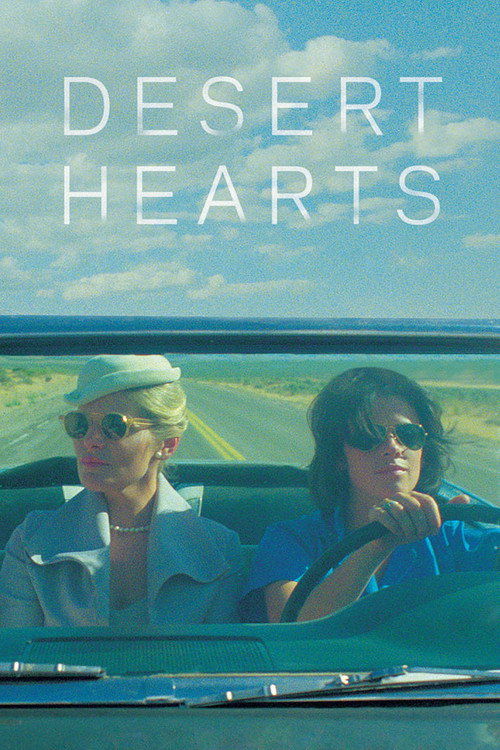
Desert Hearts1985
A tender, intelligent film set in the Nevada desert that captures landscape as a character. It shares The Hunters' interest in how humans navigate and belong to harsh environments, though the stakes are emotional rather than survival.
But It's a romantic drama, not documentary, so if you're seeking factual ethnographic material, the narrative structure might feel slight by comparison.
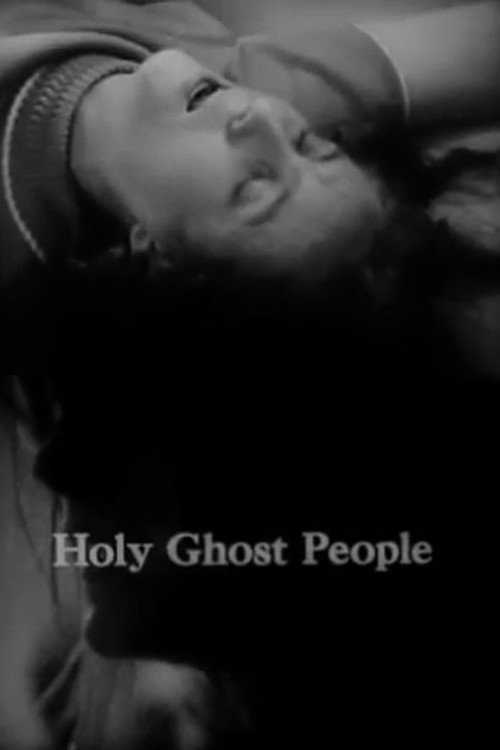
Holy Ghost People1967
A documentary portrait of a Pentecostal church in Appalachia, shot with the same observational patience as The Hunters. It respects its subjects' worldview while remaining clear-eyed about what we're seeing.
But The subject matter—snake handling, ecstatic religion—may alienate viewers, and some will find the filmmakers' neutrality uncomfortable. It doesn't judge, which some see as complicity.
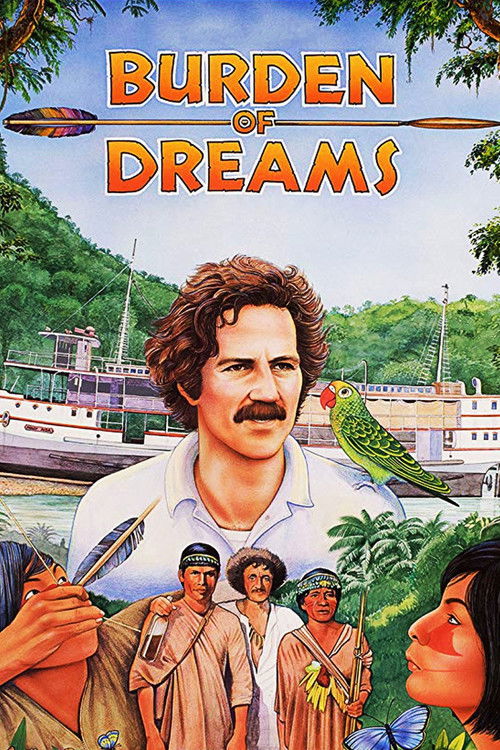
Burden of Dreams1982
Werner Herzog's documentary about making Fitzcarraldo in the Amazon. It captures human determination against landscape and impossible odds with the same gripping intensity as The Hunters' giraffe pursuit.
But Herzog's aggressive directorial voice dominates; this is less about the subjects' agency and more about Herzog's vision, very different from The Hunters' restraint.
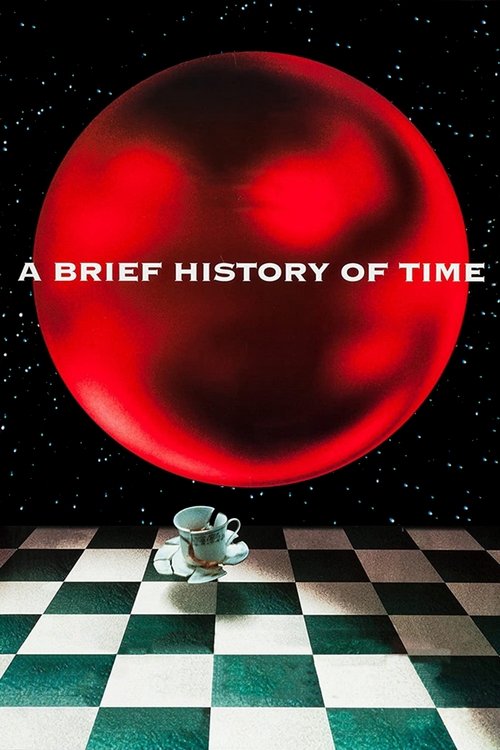
A Brief History of Time1991
Errol Morris's film about Stephen Hawking uses observational documentary and interview to explore how a brilliant mind works. Like The Hunters, it finds visual drama in concentration, patience, and expertise.
But The subject is abstract physics, which bores many people. If you want landscape and survival, this may feel too cerebral and indoor.
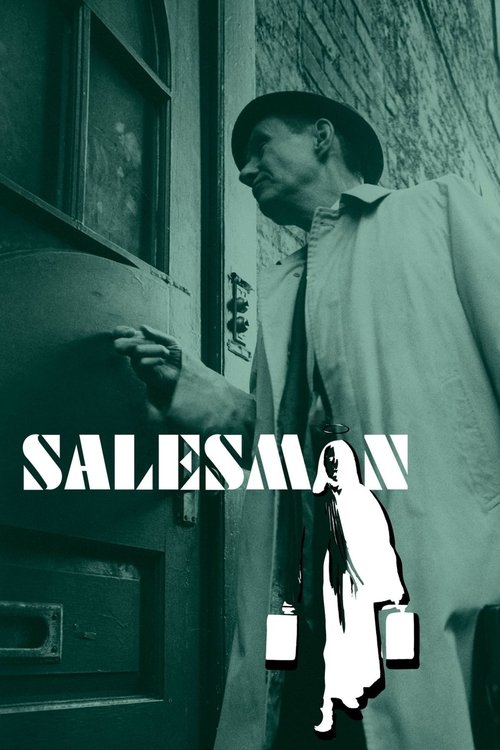
Salesman1969
The Maysles brothers and Charlotte Zwerin follow door-to-door Bible salesmen across America. It has The Hunters' ethnographic patience and interest in skill, labor, and how people move through the world.
But The subjects are trying to sell you something, and their desperation becomes sad. It's bleak in ways The Hunters isn't, and some find it cruel.
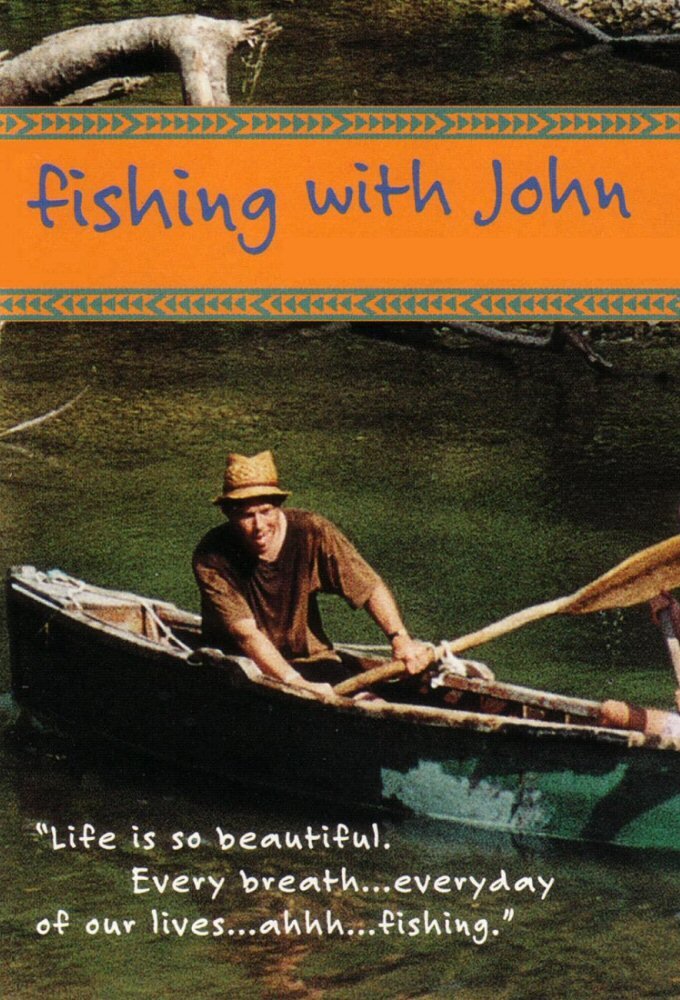
Fishing with John1991
John Lurie's oddball series combines fishing, landscape, and friendship across eight countries. Each episode has the meditative quality of The Hunters—time spent waiting, watching, and paying attention to skill and environment.
But It's quirky and wandering; if you want straightforward ethnography, Lurie's deadpan humor and surreal asides will feel like distractions. Some episodes are genuinely strange.
Kes1970
Both films are built on watching someone acquire and deploy expertise in their environment. The knowledge is different—falconry versus hunting—but the visual grammar is the same: patient observation of attention and skill.
Ken Loach's film about a working-class Yorkshire boy who trains a hawk is realist drama, but it's structured like The Hunters: patient observation of skill, attention, and the bond between human and animal. Loach's camera watches the way the Marshalls' did—with respect and without sentimentality.
But It's a British social-realist film from 1969, so it's shot in black-and-white with a heavy regional accent. The boy's life is bleak and his prospects worse; it's not uplifting.

People
Cast
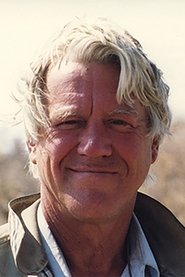 John MarshallNarrator
Directing
- John MarshallDirector
- Robert GardnerDirector
Recommended by
The Dawn Patrol, The Vanishing Prairie, The Memory of Justice