
Film
The Memory of Justice
A four-hour documentary that uses the Nuremberg trials as a lens to ask whether any nation can rightfully judge another's wartime conduct. Director Marcel Ophüls interweaves Nazi atrocities with French actions in Algeria and American operations in Vietnam, forcing uncomfortable questions about moral authority and the selective prosecution of war crimes. Essential and demanding.
If you liked this
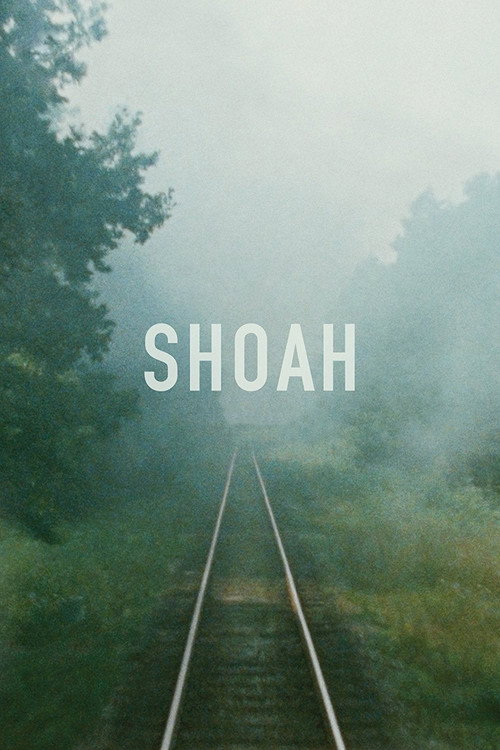
Shoah1985
Claude Lanzmann's nine-hour masterpiece interviews Holocaust survivors and perpetrators without archival footage, letting testimony itself become the evidence. A different but equally rigorous reckoning with the same historical moment.
But The length is not decorative—it demands patience that tests even committed viewers. Some find the refusal of typical documentary techniques alienating rather than clarifying.
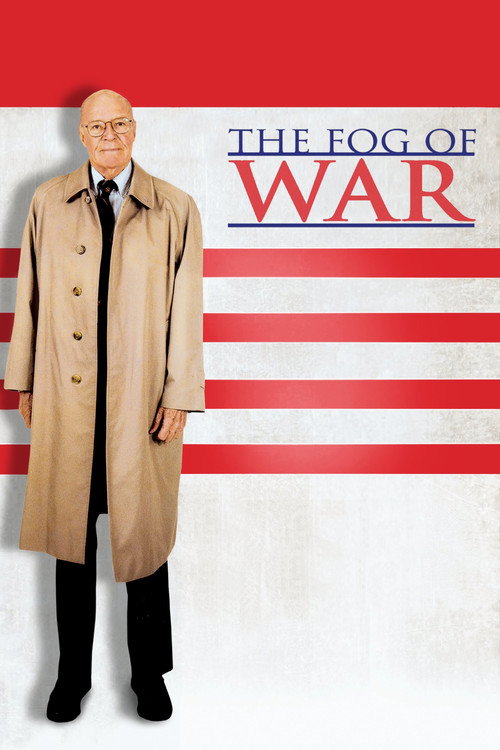
The Fog of War2003
Errol Morris lets Robert McNamara reflect on Vietnam, his role in it, and the limits of rational defense of irrational decisions. A portrait of a man confronting what his certainty enabled.
But McNamara's voice dominates; those seeking direct victim testimony or balance against his framing will feel the film's perspective too narrow.
Night and Fog1956
Alain Resnais's 32-minute essay moves between present-day Auschwitz and archival horror, asking how we bear witness when the camps still exist. Unbearably direct and economical.
But Its brevity and oblique approach feel understated to those expecting comprehensive historical narrative. Some viewers find it too poetic for such atrocity.
Not sure tonight? Get a pick in a minute, starting from The Memory of Justice
The wildcard
Something you would not have found on your own.
Sans Soleil1983
Both are unconventional, image-based interrogations of historical memory, refusing to let archives speak for themselves. Both insist on the viewer's complicity in how we witness.
Chris Marker's experimental essay-film uses fragments, voice-over, and travelogue to ask how we remember, how cinema lies, and whether witness is possible. It's *Memory of Justice*'s aesthetic heir—equally concerned with whether montage can do justice to atrocity.
But Its form is deliberately unstable and resists narrative. Some viewers find it mystifying rather than illuminating—style without argument.

More like this (6)
The Act of Killing2012
Joshua Oppenheimer asks Indonesian death-squad leaders to reenact their own massacres. The film's moral complexity—watching perpetrators confront themselves—mirrors *Memory of Justice*'s interrogation of complicity.
But Ethically troubling by design. The method of asking killers to perform feels provocative in ways that anger some viewers on principle.

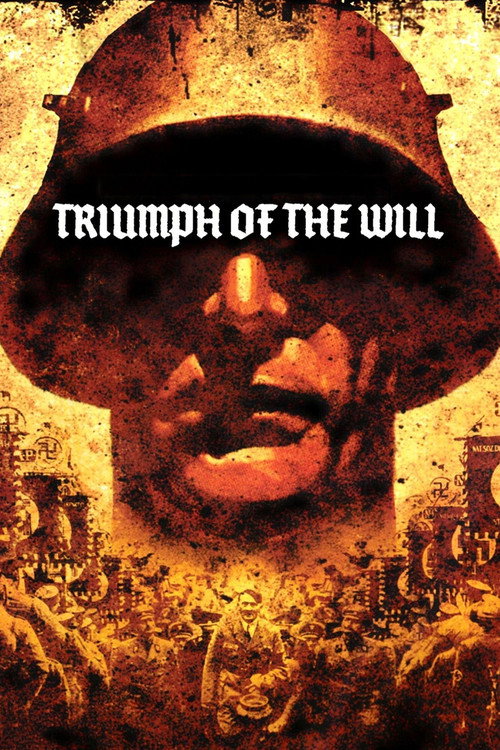
Triumph of the Will1935
Leni Riefenstahl's Nazi propaganda film becomes primary evidence itself—a document of how power aestheticizes itself. Essential for understanding the visual grammar *Memory of Justice* interrogates.
But Watching Nazi spectacle designed to seduce remains deeply uncomfortable. Its technical brilliance compounds rather than eases that discomfort.
Come and See1985
Elem Klimov's Soviet film follows a boy conscripted into WWII, showing war's annihilation of innocence through unblinching sensory assault. Matches *Memory of Justice*'s refusal to aestheticize suffering.
But Relentlessly punishing to watch. Its commitment to showing horror without relief exhausts many viewers before the end.

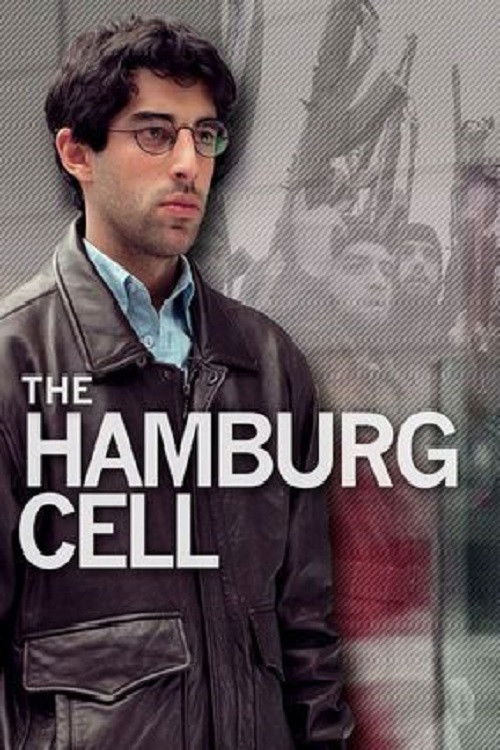
The Hamburg Cell2004
German miniseries dramatizes the 9/11 hijackers' radicalization in Hamburg, treating terrorism with the historical rigor *Memory of Justice* applies to state violence. How do we narrate atrocity when perpetrators are still alive?
But Its procedural approach to terrorism feels distancing to some; others object to the dramatization of recent, still-raw trauma.
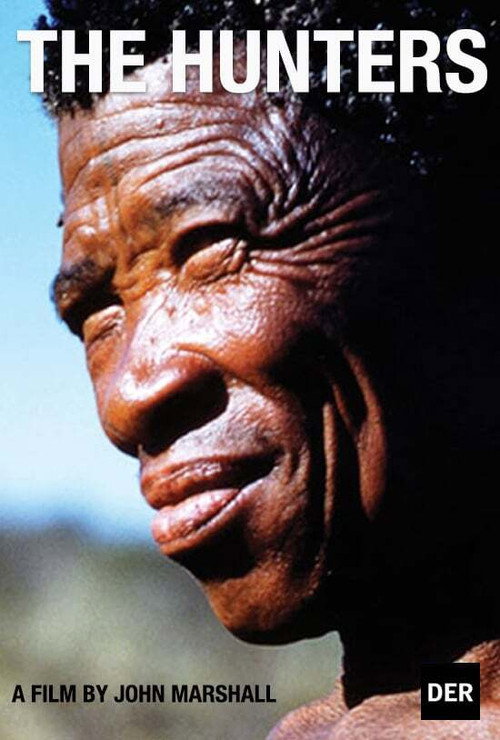
The Hunters1957
Robert Gardner's ethnographic film of the Kalahari raises questions about who gets to film violence and judge it—issues *Memory of Justice* asks about the Nuremberg trials themselves.
But Its framing by Western anthropologists reflects 1950s assumptions that now read as deeply colonial. Uncomfortable for reasons the film itself doesn't fully examine.
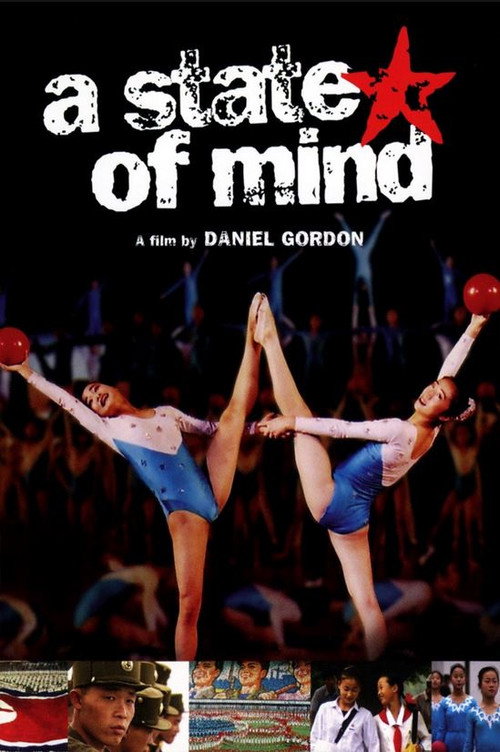
A State of Mind2005
Both films grapple with how totalitarian regimes stage themselves and whether documentary can critique spectacle without reproducing it.
Documentary about two North Korean gymnasts preparing for a mass game spectacle. Like Riefenstahl and like *Memory of Justice*, it asks how regimes aestheticize power and how we look at propaganda without being seduced by it.
But The spectacle itself is mesmerizing, which some viewers feel makes it complicit in what it documents. Others find it anthropologically detached.
People
Cast
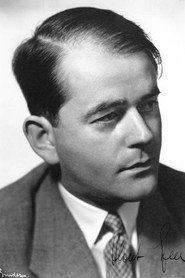 Albert SpeerSelf (archive footage)
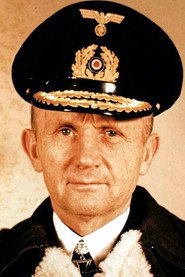 Karl DönitzSelf (archive footage)
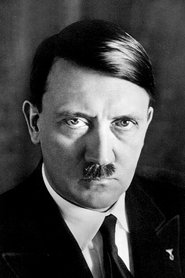 Adolf HitlerSelf (archive footage)
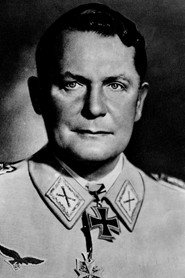 Hermann GöringSelf (archive footage)
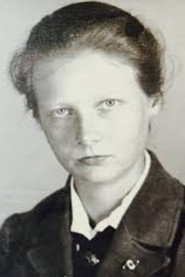 Herta OberheuserSelf (archive footage)
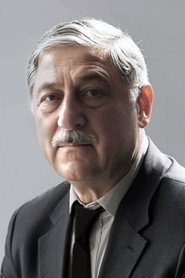 Noël FavrelièreSelf
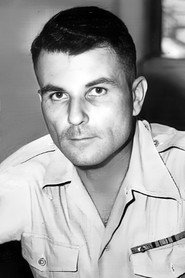
- Telford TaylorSelf
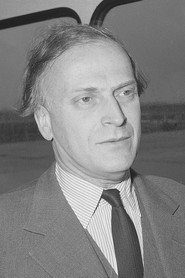 Yehudi MenuhinSelf
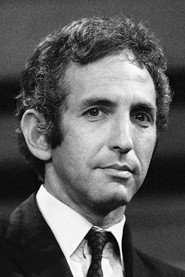 Daniel EllsbergSelf
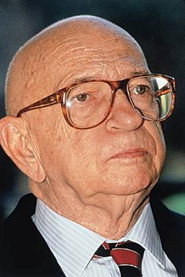 Edgar FaureSelf
 Beate KlarsfeldSelf
Directing
- Marcel OphülsDirector
Writing
- Marcel OphülsWriter
Production
- Ana CarriganAssociate Producer
- Hamilton FishExecutive Producer
- Max PalevskyExecutive Producer
- Marcel OphülsProducer