
Film
Ten Days That Shook the World
Orson Welles narrates this 1967 adaptation of John Reed's revolutionary account, built from rare archival footage and period documents. It's a formally ambitious essay-film about the October Revolution's ten pivotal days—urgent, sometimes opaque, entirely gripped by its subject. For anyone who wants history lived rather than explained.
Should you watch it?
Watch it if you want a stirring, archival-heavy account of a revolution told through crowds, speeches and newsreel-style grandeur, and you enjoy a big rhetorical narrator carrying history forward.
Skip it if you want intimate characters you can get close to, since this is a pageant of events and public figures, and its rhetoric runs hot.
What it asks of you: Seventy-seven minutes of grand, deliberate sweeps through archive images and declaiming narration, it asks you to listen closely and give yourself over to scale rather than individuals.
Not sure? Find tonight's pick in a minute.
If you liked this
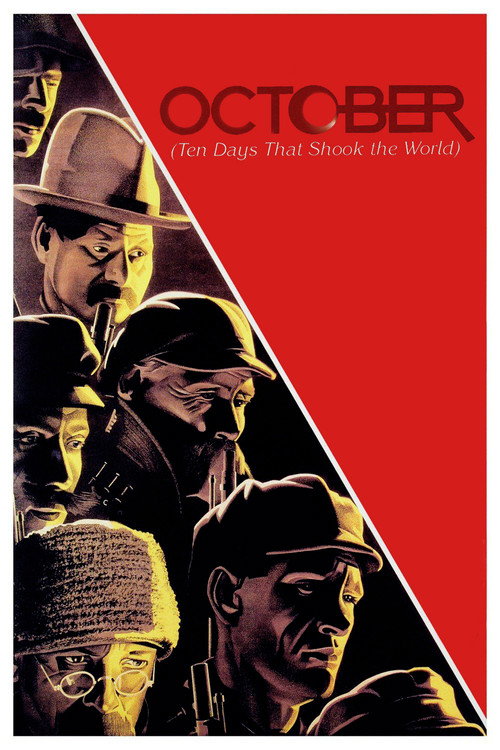
October (Ten Days that Shook the World)1928
Eisenstein's silent masterpiece uses the same events and even some of Reed's material, but transforms them into pure visual propaganda. Montage as ideology made flesh. Essential viewing for what cinema can do.
But Silent film and Eisenstein's technique demand active attention. Long, visually dense, no hand-holding. The politics are explicit and unapologetic.
Battleship Potemkin1925
Eisenstein again, but a tighter, more human story about a single mutiny. The Odessa Steps sequence redefined what editing could mean. Visual storytelling at its absolute peak.
But Silent and experimental. The emotional core is buried under technique. Some find it more interesting than moving.

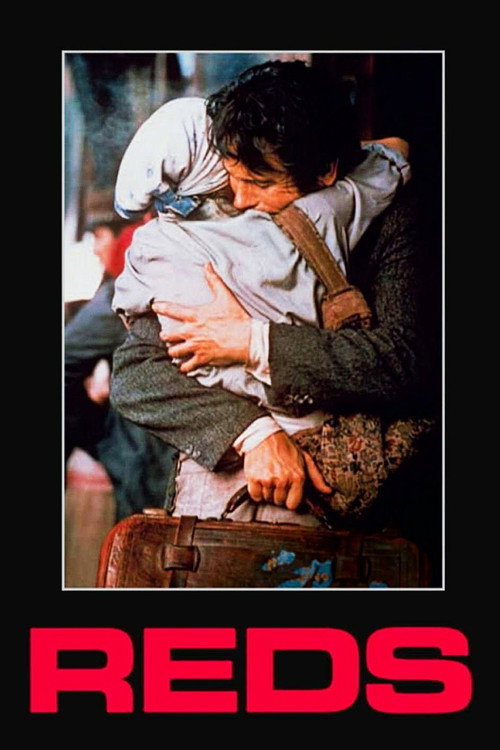
Reds1981
Warren Beatty's epic about John Reed himself—the man whose book Welles adapted. A sweeping romance and political drama with real stakes, real passion, and interwoven testimony from actual witnesses to the Revolution.
But Nearly four hours long and Beatty's direction is sometimes slack. The love story sometimes crowds out the history. It's a romantic epic, not a strict account.
Not sure tonight? Get a pick in a minute, starting from Ten Days That Shook the World
The wildcard
Something you would not have found on your own.
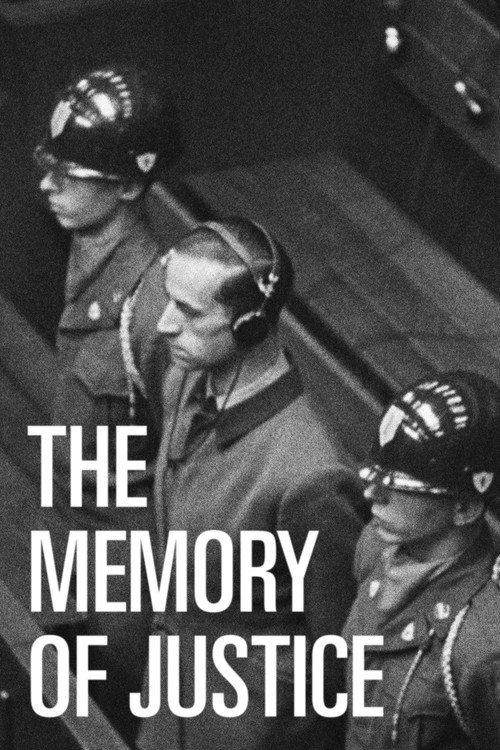
The Memory of Justice1976
Like Ten Days, it treats documentary as an active form—cutting and juxtaposing to make you think, not just witness. Welles' narration as authority is replaced by Ophüls' collage as interrogation, but the ambition is the same.
Marcel Ophüls' four-hour documentary collage about Nazi crimes and American war crimes, using found footage, interviews, newsreels, and editing as argument. Welles would recognise the method: history as montage, not exposition.
But Extremely long, often frustrating in its refusal to make clear judgments. The editing sometimes obscures rather than clarifies. You need patience and a strong stomach.
More like this (7)
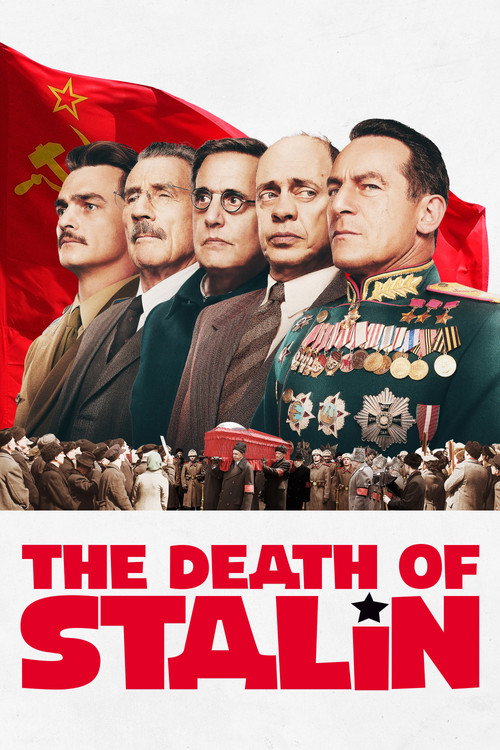
The Death of Stalin2017
A brilliant, dark comedy about power and paranoia in the Soviet apparatus. Iannucci's script is sharp and funny, and it captures the absurdity of totalitarianism with a clarity that straight history often misses.
But Comic tone might seem disrespectful if you approach it expecting reverence. Black-and-white in a colour era. Some find the jokes land better for those who know their Cold War history.
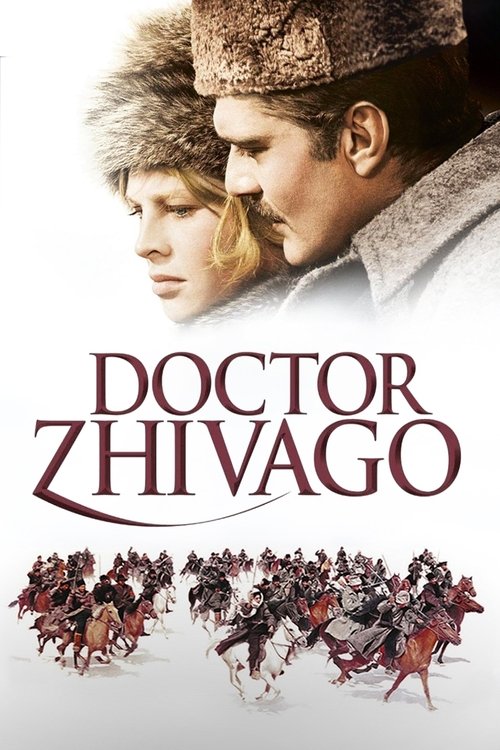
Doctor Zhivago1965
Lean's sweeping romance set against the Revolution itself. Not political but deeply human—the Bolsheviks arrive like a storm and we feel it through Omar Sharif's eyes. Visually sumptuous, emotionally devastating.
But Very long, very slow, and the political events serve the love story rather than the reverse. Some find it melodramatic. The politics are background noise.
The Ascent1977
Larisa Shepitko's spiritual meditation on two Soviet partisans during WWII. A pure film-poem about faith, sacrifice, and ideology pushed to breaking point. Formally radical and morally devastating.
But Extremely slow and deliberately obscure. No conventional narrative. The theology might feel impenetrable. Some find it glacial and airless.

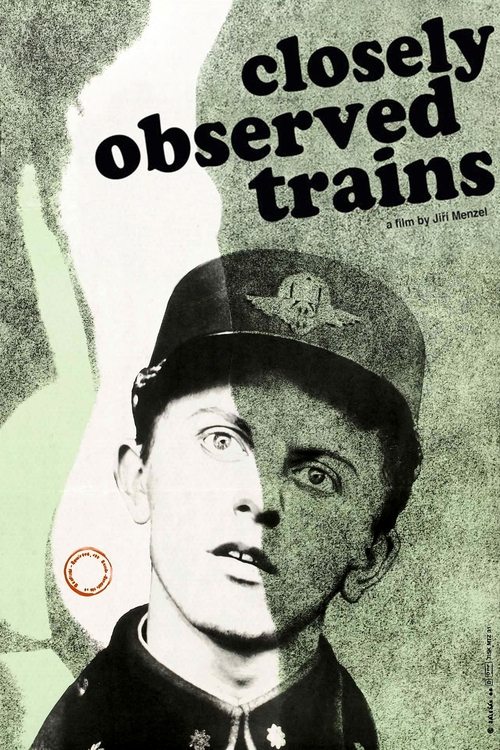
Closely Watched Trains1966
A Czech New Wave gem about occupation and resistance during WWII, funny and touching and anarchic. It captures the texture of living under an ideological apparatus better than earnest histories do.
But Slight and comic, almost whimsical. If you want grandeur and historical weight, this is too playful. Some early sexual content is dated-seeming now.
Come and See1985
Elem Klimov's unflinching film about a boy conscripted into the Soviet army during WWII. Genuinely apocalyptic—one of the most powerful anti-war films ever made. A vision of Soviet suffering and endurance.
But Extremely graphic and brutal. Relentlessly dark. Not cathartic—it's punishing to watch. Not a film you'll enjoy; one you'll survive.

Stalker1979
Tarkovsky's long, hypnotic science-fiction film about a guide leading two men through a mysterious zone. It's really about desire, belief, and ideology—the invisible architecture that shapes Soviet life. Profound.
But Deliberately slow, almost without plot. Long static shots. Requires patience that many don't have. Some find it beautiful, others find it tedious. Tarkovsky is not for everyone.

The Phantom Carriage1921
Both are from cinema's documentary/narrative border—one using archival material to construct memory, the other using cinema's supernatural gifts for the same purpose. Both believe images can make the past visible and urgent, but in completely opposite registers.
Victor Sjöström's Swedish ghost story about a dying man on New Year's Eve. It looks ahead to death, regret, and redemption through supernatural vision. Formally brilliant, spiritually devastating, with a compassion that cuts through its darkness.
But Silent, slow, and steeped in Protestant theology. The plot feels old-fashioned now. Some find it maudlin. The mood is elegiac rather than gripping.

People
Cast
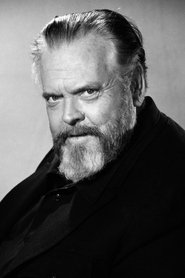 Orson WellesNarrator
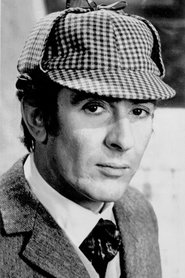 Robert StephensLenin
Directing
- Norman SwallowDirector