
Television series
The Blue Planet
A five-year, $10 million BBC expedition into the ocean's depths, revealing sea life and ecosystems barely glimpsed before. David Attenborough narrates footage of creatures and communities in their raw, untamed states—predation, survival, breeding, migration. This is the ocean without romance: fearsome, alien, utterly captivating. Essential watching for anyone who wants to understand the planet.
Should you watch it?
Watch it if you love natural history filmed with patience and wonder, where a single shot of a creature you have never heard of can hold you for a full minute and leave you quietly astonished.
Skip it if you want a story with characters, stakes or a plot to follow, since this is a parade of ocean life held together by one calm narrator and the camera's curiosity.
What it asks of you: Eight episodes of roughly an hour each, unhurried, so settle in for long stretches of watching and waiting rather than quick cuts or rapid payoffs.
Not sure? Find tonight's pick in a minute.
If you liked this
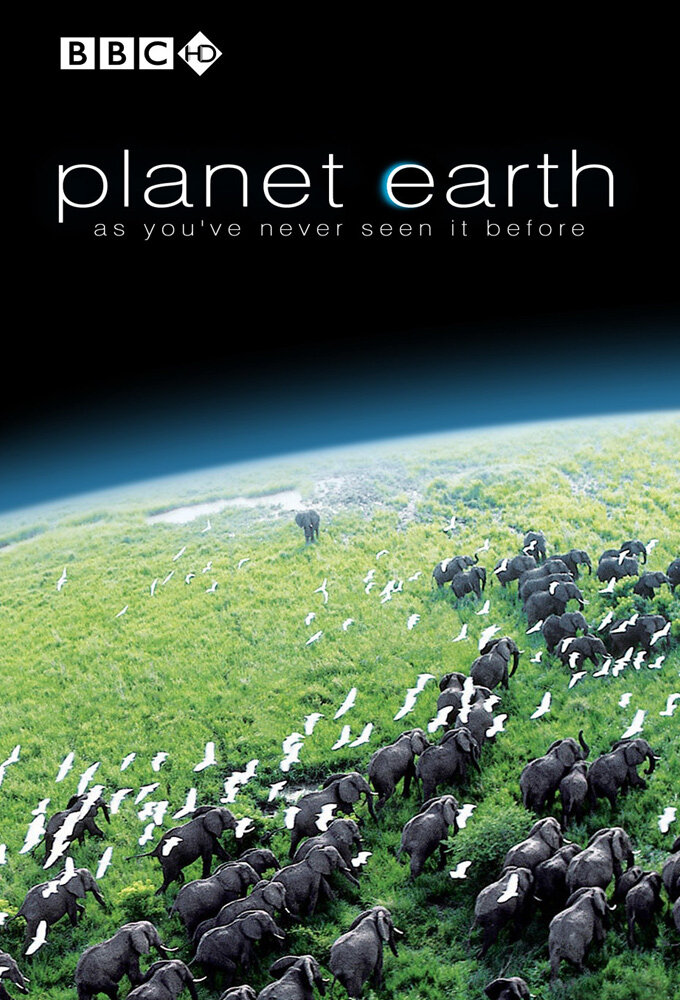
Planet Earth2006
The same production team, same ambition, same Attenborough voice. If The Blue Planet hooked you on the ocean, this shows you land with the same technical brilliance and narrative generosity. Every biome gets its due.
But It's visually similar enough to feel repetitive if you're still processing Blue Planet. The formula—beauty, jeopardy, survival—doesn't vary much from episode to episode.
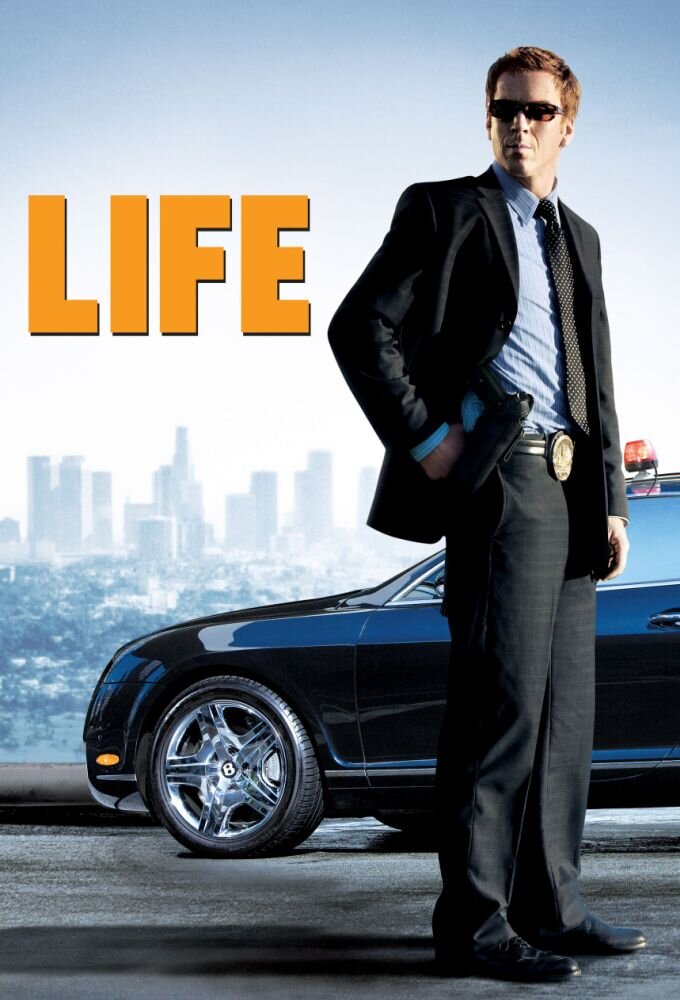
Life2007
Another BBC masterwork covering every kingdom of life, from plants to predators. Same scale, same jaw-dropping cinematography, same Attenborough. It's the companion piece to both Blue Planet and Planet Earth, and every bit as essential.
But At this point you're watching the same crew tell the same story three different ways. If you've already seen both Blue Planet and Planet Earth, this becomes incrementally less surprising.
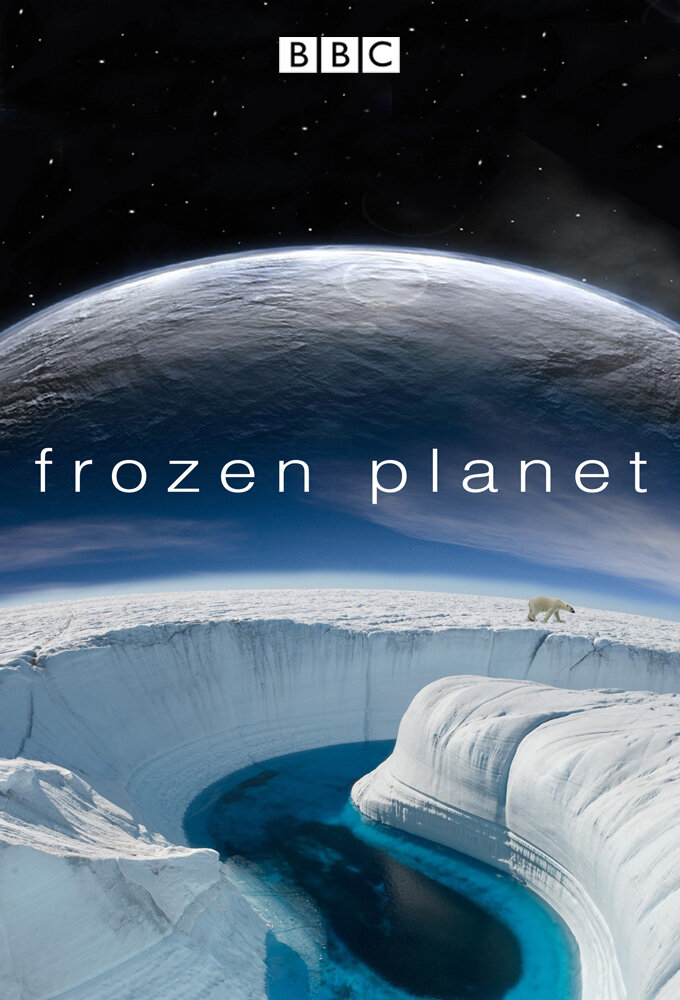
Frozen Planet2011
The polar regions get the full Blue Planet treatment: ice, extremes, creatures adapted to impossible conditions. Attenborough guides you through landscapes and animals you'll never otherwise encounter. Visually stunning and often genuinely moving.
But Climate change adds a shadow to the final episode that some found heavy-handed or that may feel dated depending on when you watch it. Also follows the same formula you've now seen four times.
Not sure tonight? Get a pick in a minute, starting from The Blue Planet
The wildcard
Something you would not have found on your own.
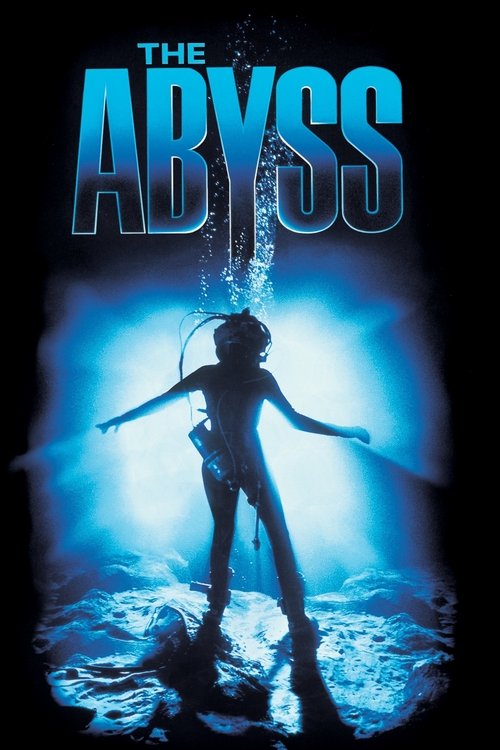
The Abyss1989
Both treat the deep ocean as a frontier that rewrites what we think we know about our planet. Both are fascinated by what survives in absolute darkness and pressure.
Before The Blue Planet showed us the ocean's real depths, James Cameron imagined them as a frontier. This sci-fi thriller captures the same sense of the ocean as alien territory—beautiful, hostile, unknowable. It'll make you think differently about what those underwater sequences mean.
But It's a 1980s action film with romantic subplots and special effects that have aged visibly. The tone lurches between thriller, romance, and science-fiction in ways that can feel uneven.
More like this (8)
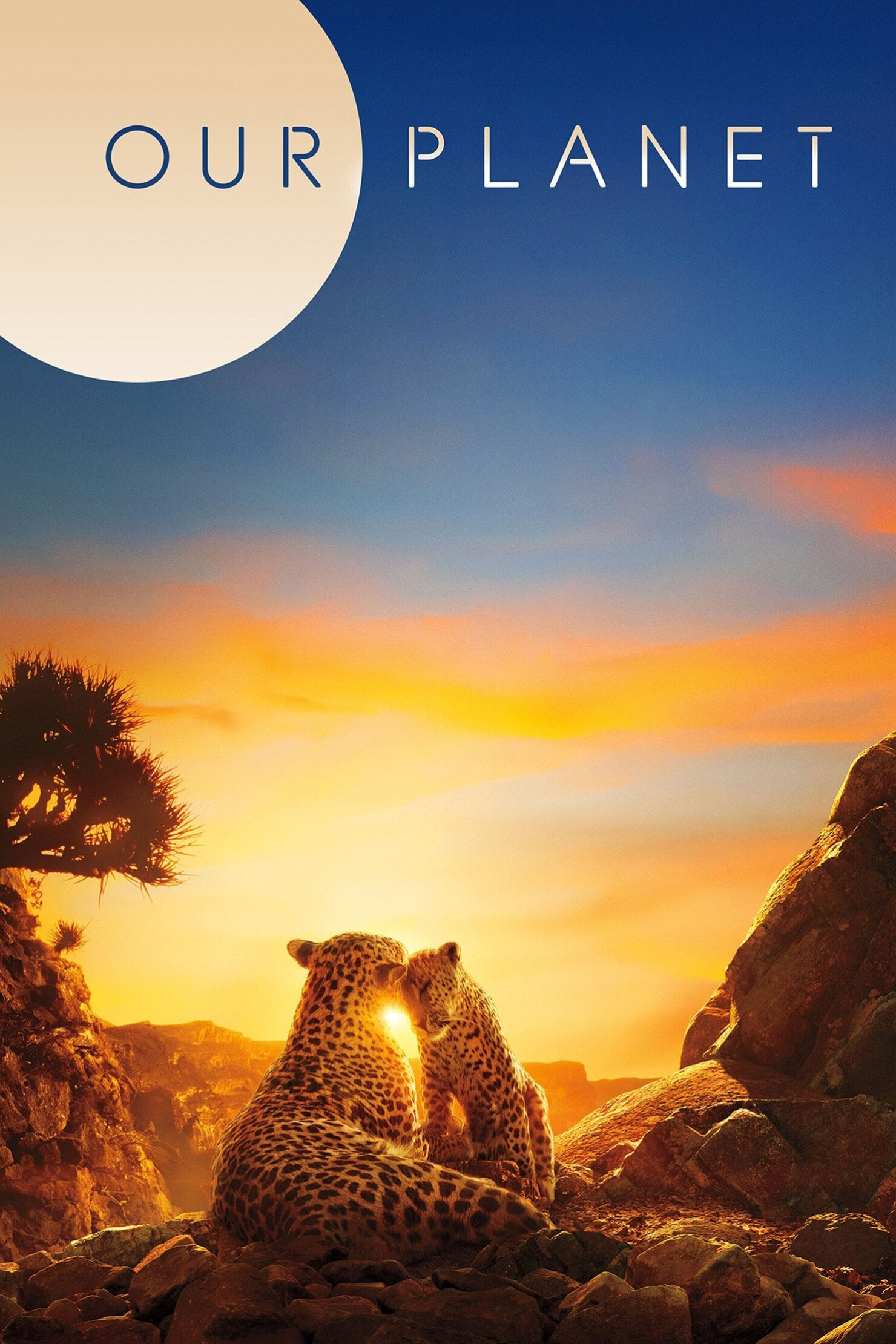
Our Planet2019
A more recent take on the BBC's nature-documentary formula, though produced with Netflix. Attenborough again. The cinematography is extraordinary and the scope is genuinely planetary. Feels contemporary and urgent without preaching.
But It's conscious of climate crisis in a way earlier documentaries weren't, which adds weight but also occasionally feels like agenda rather than observation. Doesn't have quite the mythic quality of the original.
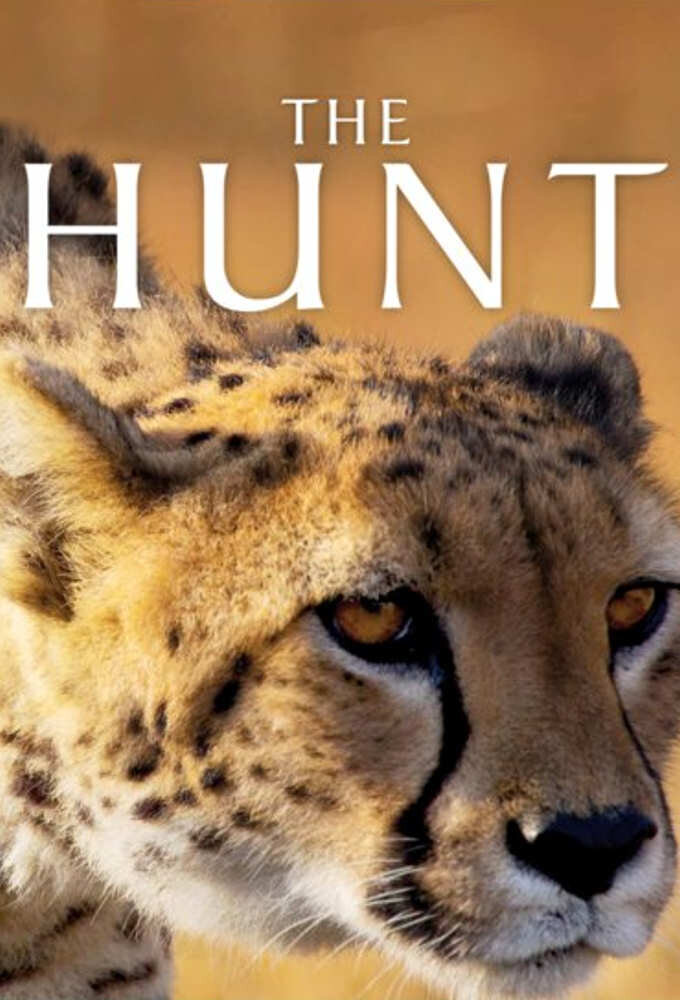
The Hunt2015
Predator-prey dynamics, which Blue Planet touches on, become the entire focus here. Every episode is a master class in animal behaviour and survival strategy. Attenborough narrates. It's thrilling in the way a good thriller should be.
But The consistent emphasis on killing and being killed, while truthful, can feel relentless if you're hoping for the gentler moments Blue Planet allows itself.
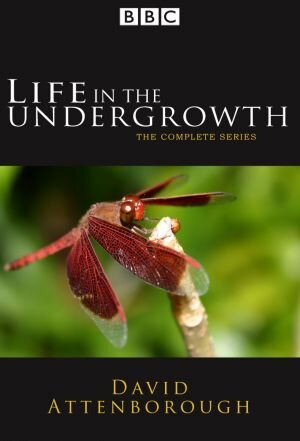
Life in the Undergrowth2005
David Attenborough explores insects and invertebrates using the same cinematic language as Blue Planet. Extraordinary close-up cinematography reveals an alien world happening under our noses. Often funny, always fascinating.
But If you're not already interested in insects, extreme close-ups of them won't necessarily convert you. The small scale feels diminished after the ocean's grandeur.
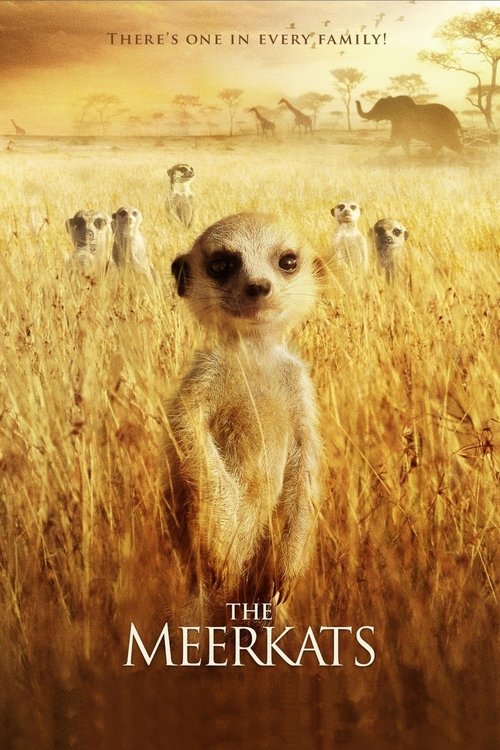
The Meerkats2008
A feature-length dive into one animal family, with the care and detail Blue Planet reserves for entire ecosystems. Funny, touching, and unexpectedly gripping. Shot with real affection for its subjects.
But The narrower focus—one group, one location—feels smaller than what you've been watching. Some viewers find the anthropomorphism a bit much.
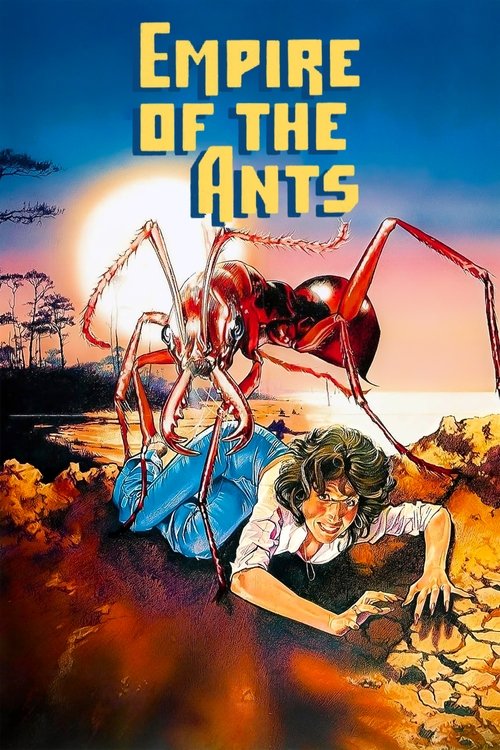
Empire of the Ants1977
Another feature-length study of a single species, using time-lapse and macro cinematography to reveal complexity in miniature. It's hypnotic and occasionally darkly funny. A different entry point to the natural world.
But Ants aren't to everyone's taste, and the detail work, while beautiful, lacks the dramatic predator-prey tension that makes Blue Planet so engaging.
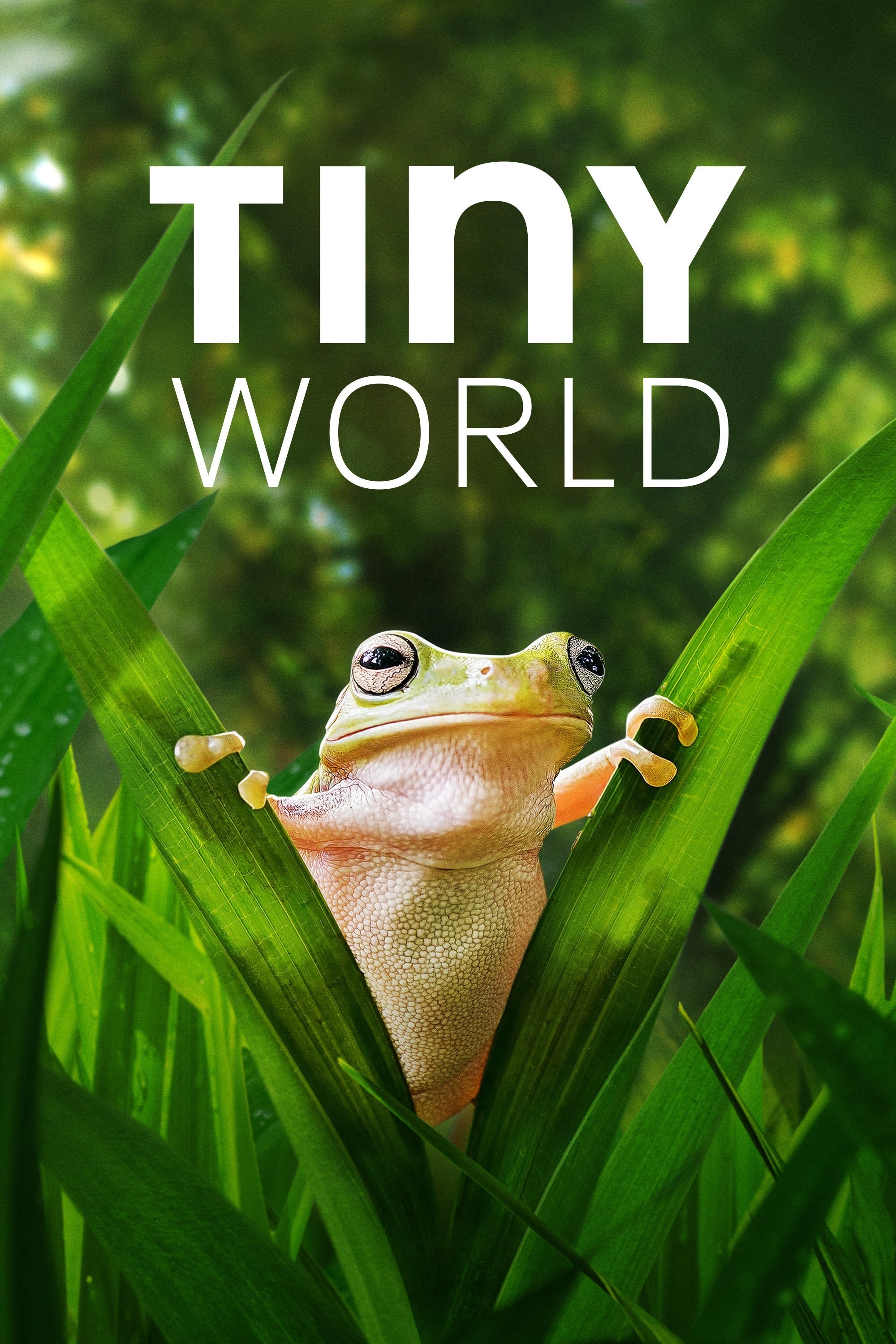
Tiny World2020
Macro cinematography focused on insects and small creatures in stunning close-up. Paul Rudd narrates. It's whimsical and visually gorgeous, closer in spirit to Life in the Undergrowth but with a lighter touch.
But The whimsy can feel saccharine compared to Blue Planet's unflinching approach. Some episodes feel like they're trying too hard to make bugs cute.
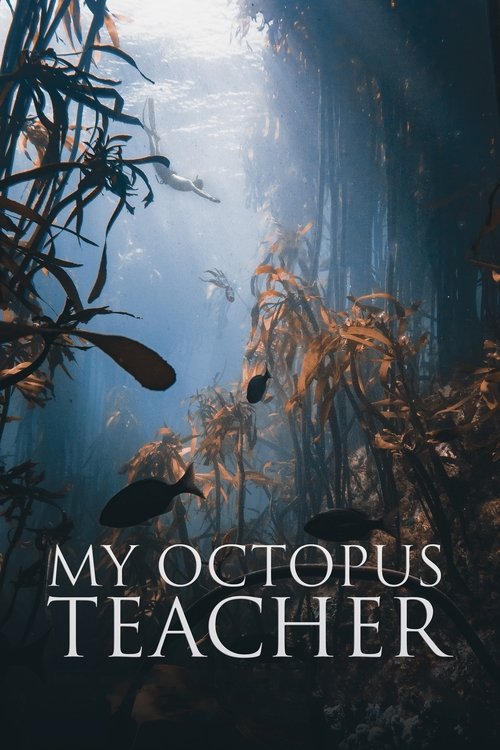
My Octopus Teacher2020
Same attention to patient observation, same wonder at creature intelligence, same acknowledgment that we're witnessing something we barely understand. But where Blue Planet is grand, this is gentle.
A year-long observation of one octopus by a filmmaker in a South African kelp forest. It's quieter and more intimate than Blue Planet, but equally revelatory about animal intelligence and behaviour. Profoundly moving without ever asking you to cry.
But It's experimental and meditative in a way that might feel slow if you want the drama and pacing of a BBC series. Some viewers find the personal reflection tiresome.
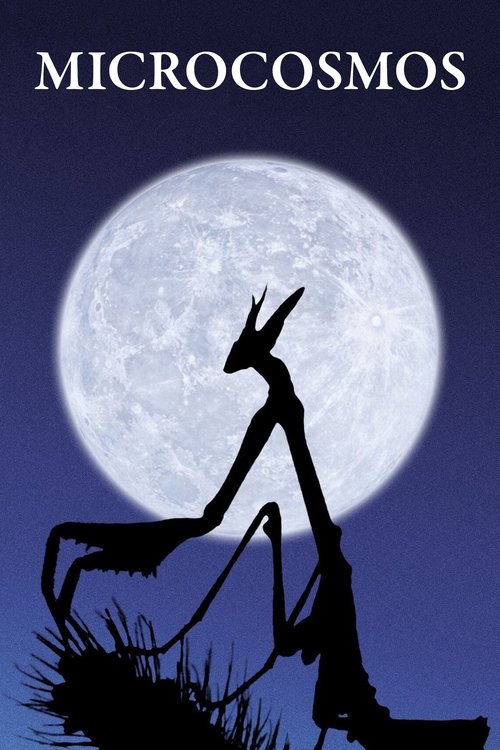
Microcosmos1996
Both reveal ecosystems functioning completely independently of human awareness. Both use cinematography to make the invisible visible. But Microcosmos goes smaller and stranger, asking you to find beauty in what's genuinely alien.
A French documentary that treats insects and soil creatures as the subjects of an epic without dialogue. Stunning macro cinematography and sound design create a micro-world of extraordinary drama. It's hypnotic and occasionally grotesque in the best way.
But No narration means you're reading behaviour and guessing intent. It can feel impenetrable, and the close-ups of insect bodies—mating, eating, dying—will disturb you if they disturb you.
People
Cast
 David AttenboroughNarrator
Recommended by
Planet Earth, Blue Planet II, Our Planet, The Island with Bear Grylls, Deep Blue, Human Planet, The White Diamond, Life on Earth, Walking with Beasts, Cane Toads: An Unnatural History, Serengeti Shall Not Die, The Unchained Goddess, The Vanishing Prairie, River Monsters, Robinson Crusoe, Chasing Monsters, The Life of Birds, March of the Dinosaurs, Earth: The Power of the Planet, Becoming Cousteau, Attenborough's Life in Colour, Shark Week, The Undersea World of Jacques Cousteau, Letter from Siberia, Sea Monsters: A Prehistoric Adventure, Great White Death, The World About Us, Life, The Making of Walking with Dinosaurs, Swiss Family Robinson, The Living Planet