
Television series
Life on Earth
- Slow-burning
Attenborough's landmark 1979 series traces evolution from the ocean's first creatures to humans, each episode exploring a major branch of life. Shot across the globe with then-revolutionary film technology, it's mesmerizing natural history that feels like watching the planet wake up. Essential viewing for anyone curious about how we got here.
Should you watch it?
Watch it if you love patient natural history filmmaking that traces how life spread across the planet, the kind of show that makes a single beetle or sponge feel like a grand adventure.
Skip it if you want fast cuts, modern drone spectacle, or a presenter who keeps things brisk; the 1979 picture quality and slower pacing can feel dated next to today's nature documentaries.
What it asks of you: Thirteen episodes of about fifty minutes each, so it asks for a steady commitment and a willingness to sit with long, unhurried shots and careful narration.
Not sure? Find tonight's pick in a minute.
If you liked this
The Blue Planet2001
The spiritual successor to Life on Earth, focusing entirely on ocean ecosystems with cinematography that makes water itself feel like a character. Attenborough guides you through coral reefs, deep trenches, and the hidden lives of creatures most of us will never see.
But If you've seen Life on Earth recently, the pacing and presentation style may feel familiar enough to feel repetitive rather than revelatory.
Planet Earth2006
The definitive modern evolution of the natural history series, with HD cameras that let you see a snow leopard's whiskers from across a valley. Attenborough's narration carries you through deserts, jungles, mountains, and tundra with the same sense of wonder and scale.
But Its perfection and polish can feel almost too curated—you're watching a nature film more than nature itself, which some find loses the rawer edge of earlier documentaries.
Cosmos1980
Carl Sagan's intellectual descendant explores the universe with the same philosophical curiosity Life on Earth brings to biology. It's about deep time and our place in it, just on a grander scale, with stunning visuals and genuine awe throughout.
But The narration by Neil deGrasse Tyson is cheerful in ways that might feel at odds with the subject matter's existential weight; some find it undermines the gravitas.
Not sure tonight? Get a pick in a minute, starting from Life on Earth
The wildcard
Something you would not have found on your own.
The Ascent of Man1973
Both are humanities-spanning natural and intellectual histories framed by a single brilliant mind asking fundamental questions about how we got here and what it means.
Jacob Bronowski's 1973 series is the intellectual ancestor Life on Earth explicitly builds on—not nature, but human evolution and scientific thinking itself. His personal essays about science as a human endeavor give it philosophical depth; watching both back-to-back reveals how much Attenborough owes him.
But The production is visibly dated; Bronowski's sometimes-stilted delivery and the slow pace of '70s television will feel archaic to modern viewers expecting momentum.
More like this (7)
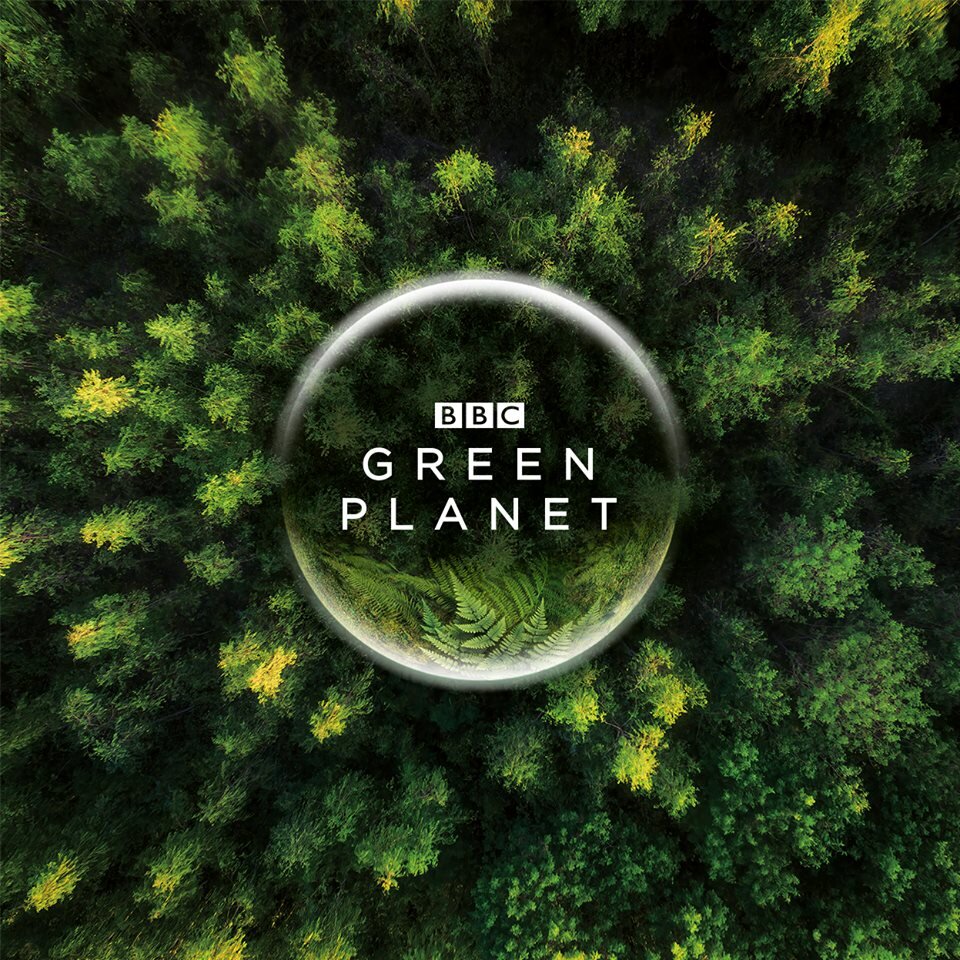
The Green Planet2022
Completes a trilogy by focusing on plant life—the organisms we overlook. Shot with technologies that reveal plant behaviour invisible to the naked eye, it's genuinely novel in subject and method, with Attenborough (aged 96) still perfectly pitched.
But Plants move slowly, both literally and narratively. If you need immediate drama and movement, the pacing can test patience even when the images are extraordinary.
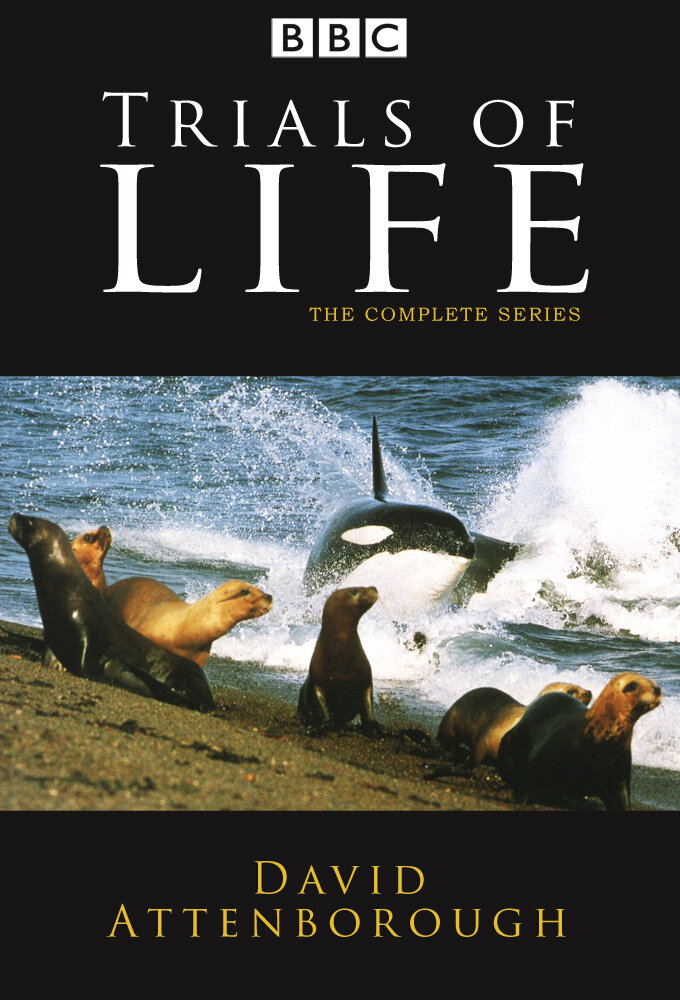
The Trials of Life: A Natural History of Behaviour1990
Attenborough's follow-up trilogy that shifts focus from what life is to how it *behaves*—survival, reproduction, family, society. Each episode is a masterclass in observing animal behaviour without sentimentality, using evolution as the lens throughout.
But The production values show their age more obviously than Life on Earth; the film stock is grainier and some sequences feel slower by modern standards.
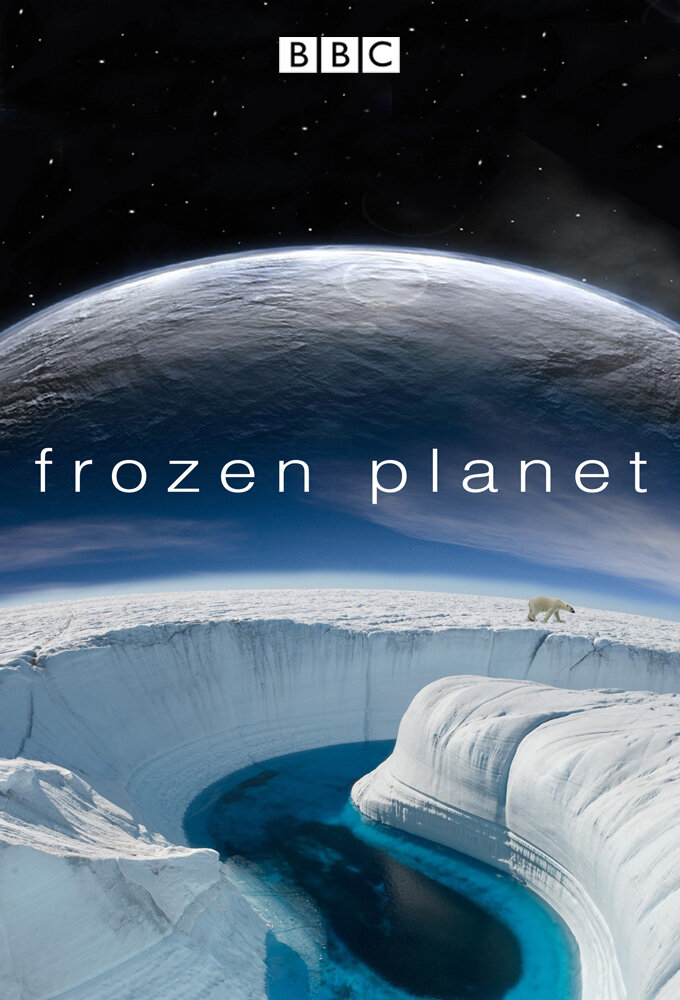
Frozen Planet2011
An environmental history of Earth's poles, combining the evolutionary perspective of Life on Earth with urgent ecological awareness. The cinematography of ice and extreme life is genuinely stunning, and the final episode confronts climate change directly.
But The climate change episode was added later and can feel tacked on; some versions omit it entirely depending on where you watch.
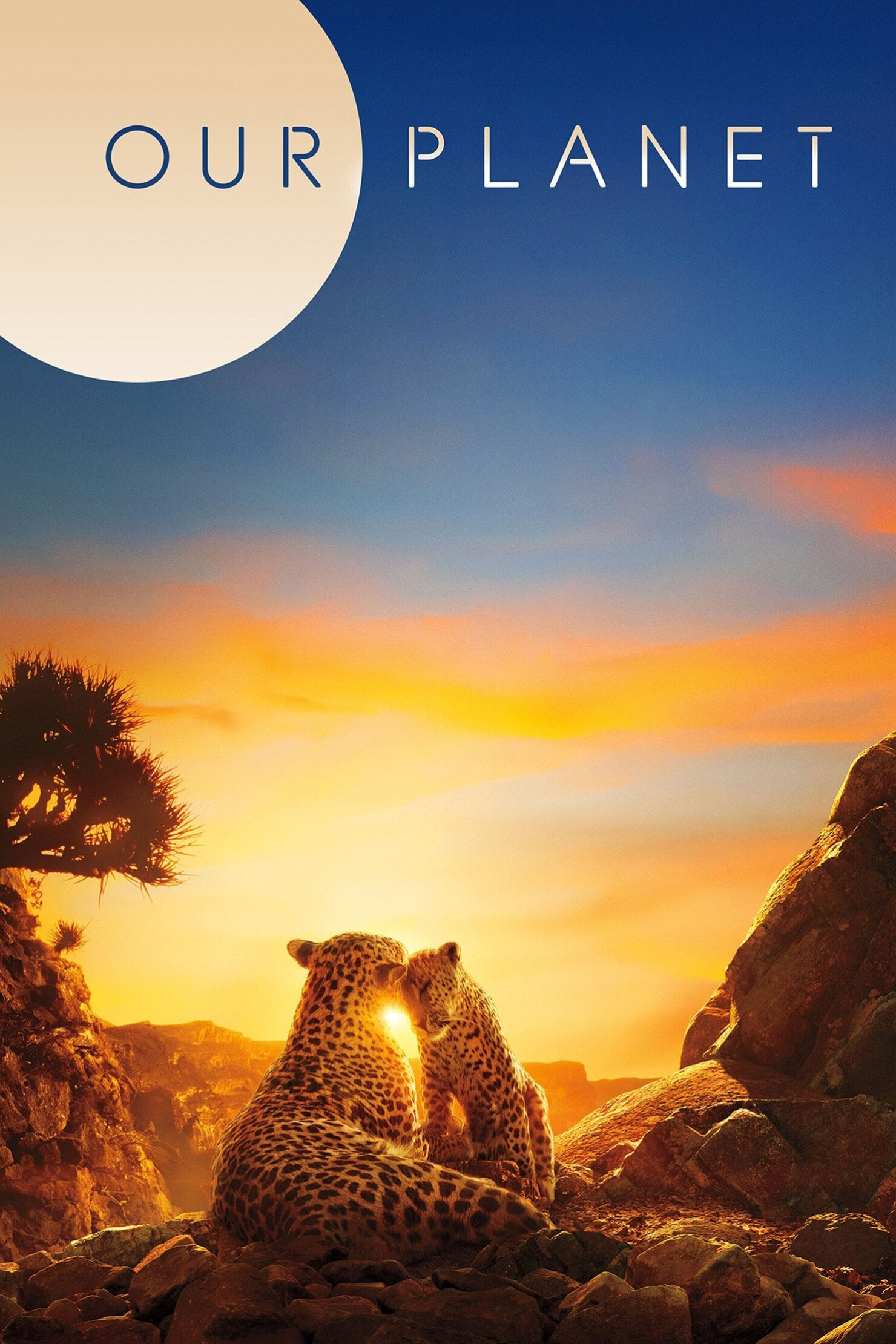
Our Planet2019
A globe-trotting series about ecosystems and interconnection, narrated by Attenborough. It uses Life on Earth's scope but centers environmental collapse as its throughline—less about wonder, more about urgency and what we're losing.
But The conservation angle can feel heavy-handed; some sequences seem designed to provoke guilt rather than understanding, which dulls the impact.
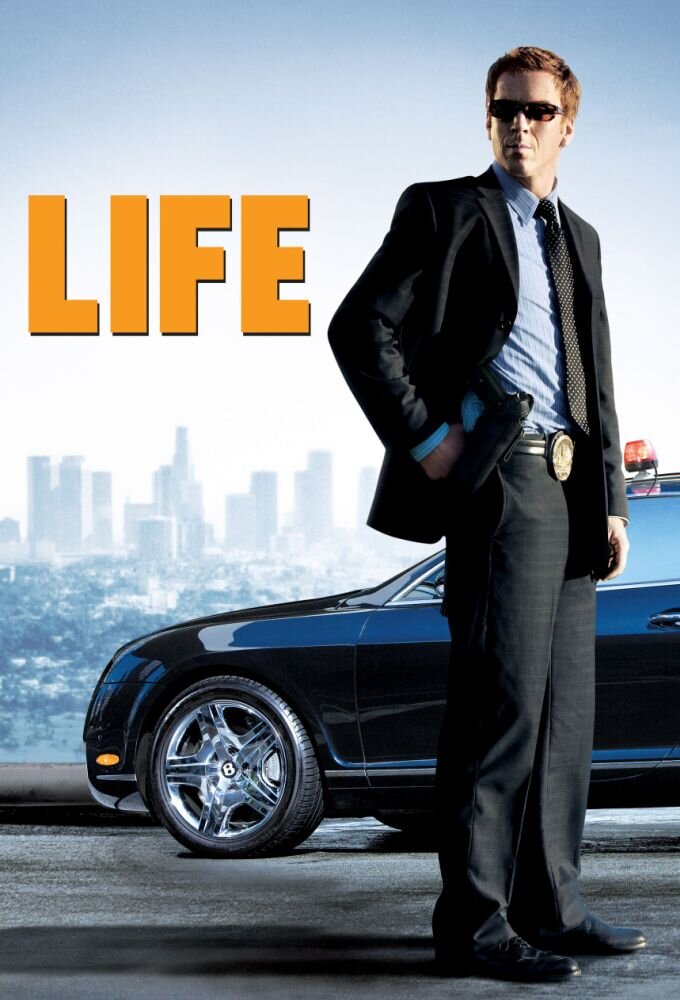
Life2007
A BBC natural history series that returns to Life on Earth's core idea: exploring major animal groups and how they've adapted to survive. Shot in HD with modern cameras, it's a worthy spiritual successor with fresh footage and contemporary science integrated throughout.
But It lacks a single unifying narrative or voice as distinctive as Attenborough's; it feels more like a high-end textbook than a philosophical journey.
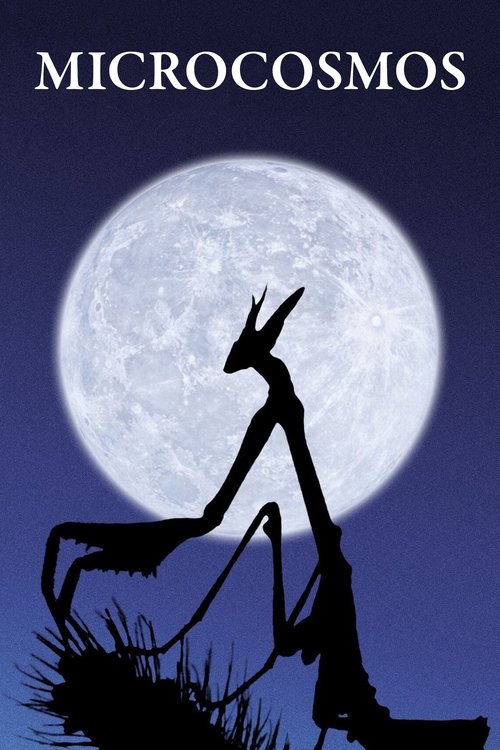
Microcosmos1996
Both understand that evolution is the greatest story ever told, but Attenborough tells it in words while Microcosmos tells it in pure image and sound—complementary approaches to the same wonder.
A French feature film using macro photography to film insects as though they were the heroes of an epic. No narration, pure cinema—it shows you the same evolutionary principles Life on Earth explains, but makes you *feel* the strangeness of existence rather than understand it intellectually.
But Without narration or plot, it's pure visual poetry; if you watch nature documentaries for information, this will frustrate you. It's closer to experimental film than educational television.
Stalker1979
Both were made in 1979 and both are asking: given that life evolved from nothing, what does existence *mean*? One uses documentary precision, the other philosophical abstraction, but they're wrestling with the same awe.
Released the same year as Life on Earth, Tarkovsky's science fiction film is obsessed with the same thing: how consciousness and desire emerge from matter, and what drives living things forward. It's meditative, philosophical, almost hypnotic—a completely different medium asking evolution's deepest questions.
But It's slow, cryptic, and 163 minutes long with minimal plot; it demands patience and rewards contemplation rather than offering answers. Many will find it impenetrable or boring.

People
Cast
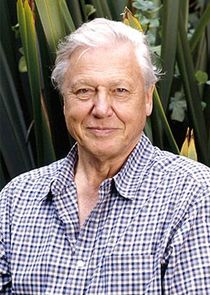 David AttenboroughPresenter
Recommended by
The Ascent of Man, Walking with Beasts, The Unchained Goddess, The Incredible Dr. Pol, The Making of Walking with Dinosaurs, The Living Planet