
Film
The Unchained Goddess
A 1958 scientific fable that anthropomorphizes weather to teach meteorology. Frank Baxter and a writer explain atmospheric science to Meteora, a capricious goddess, through whimsical animation and earnest demonstration. It's educational without condescension, funny without cynicism, and arrives at climate warnings decades before they became commonplace. Made for curious minds of any age.
Should you watch it?
Watch it if you enjoy educational films that teach by charm, with cartoon weather spirits and a host who clearly loves his subject, and you don't mind a 1950s documentary voice guiding the way.
Skip it if you want fast, plot-driven animation; this is a talky, lecture-shaped piece where the science does most of the talking and the drama stays gentle throughout.
What it asks of you: It runs about under an hour and asks you to sit back and listen, with a leisurely pace that rewards patience more than restless attention.
Not sure? Find tonight's pick in a minute.
If you liked this
Cosmos1980
Carl Sagan's successor series applies the same poetic approach to scientific wonder, making vast concepts intimate. It shares the conviction that the universe deserves both accuracy and awe.
But Thirteen hours is a commitment. Some episodes lean harder on spectacle than rigorous explanation.
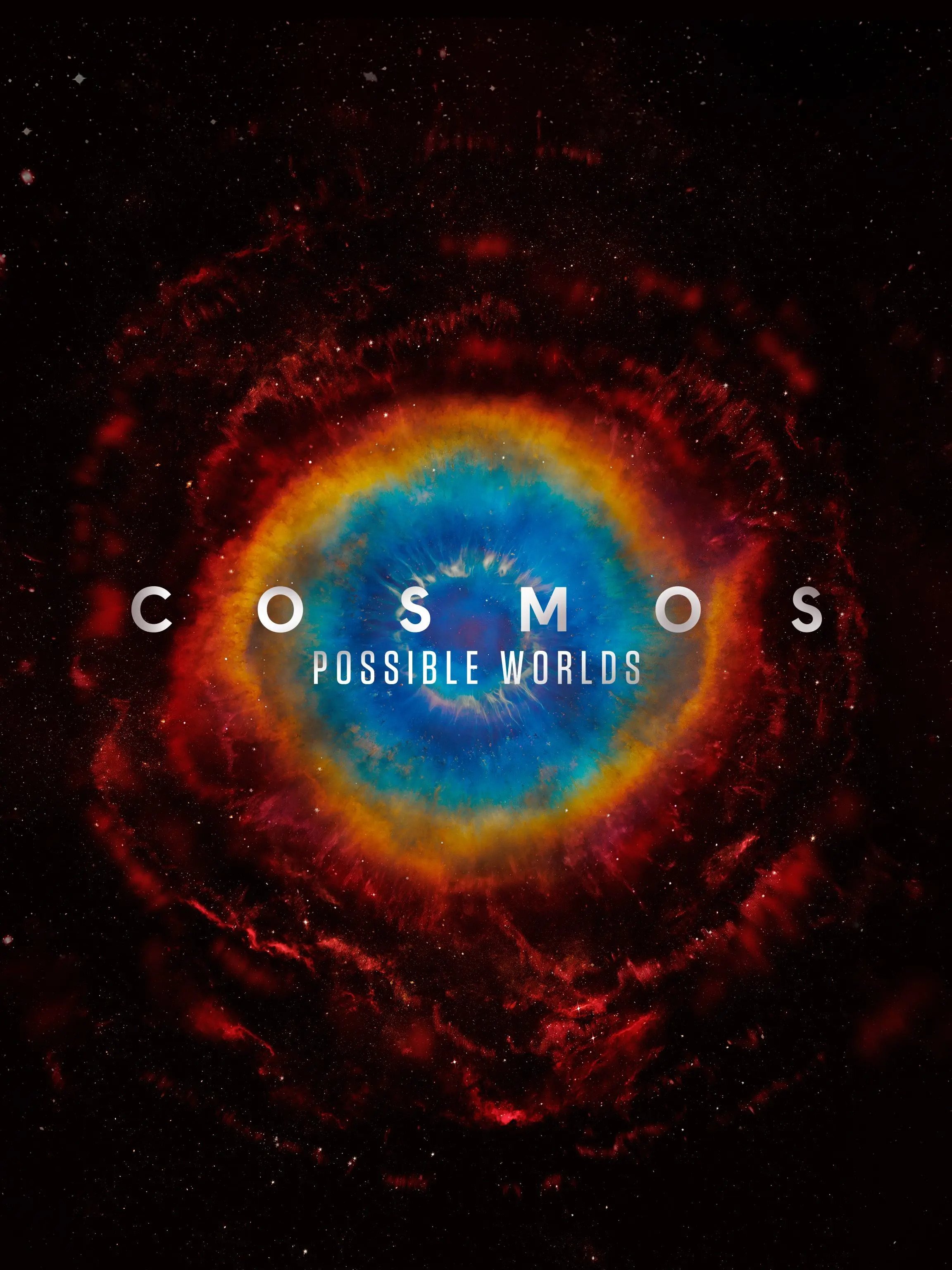
Bill Nye: The Science Guy1993
Bouncy, direct, and genuinely inventive science instruction for all ages. Like The Unchained Goddess, it believes teaching doesn't require dumbing down or talking down.
But The '90s production values are dated. The energy can feel relentless if you're not in the mood.
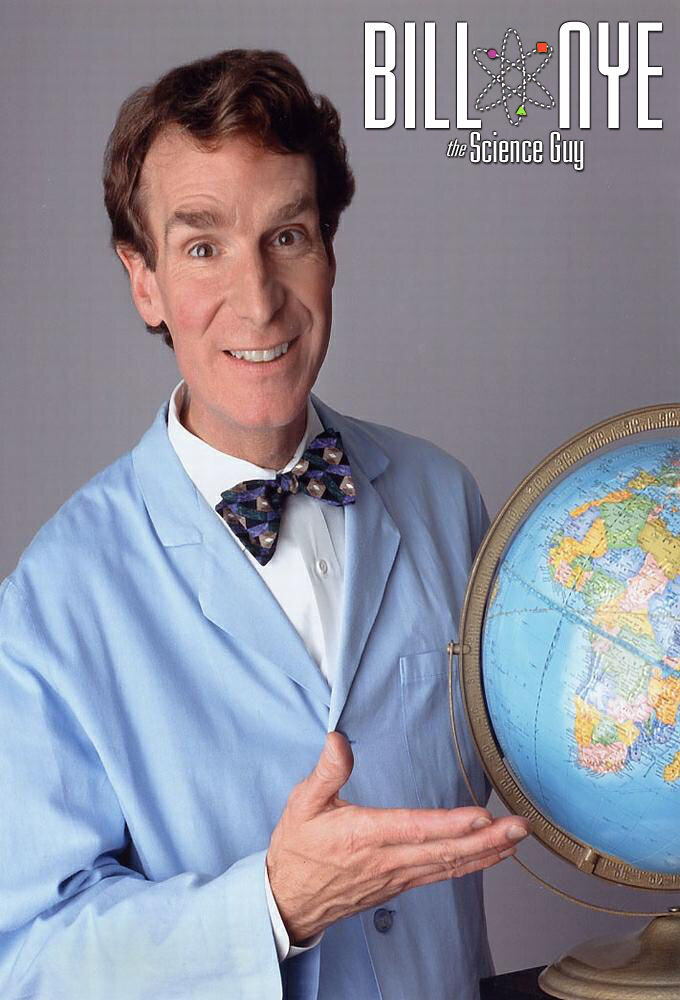
The Planets2019
A BBC series that takes astronomy seriously while remaining visually rapturous and narratively clear. Pure science-as-story, no condescension, no cynicism.
But Each episode runs an hour. The pacing assumes you're settled in for the long view.
Not sure tonight? Get a pick in a minute, starting from The Unchained Goddess
The wildcard
Something you would not have found on your own.
Duck and Cover1952
Both are earnest 1950s educational shorts that weaponize charm and animation. One radiates hope about understanding nature; the other radiates false comfort about surviving catastrophe. A study in intent.
A civil-defense short that uses cheerful animation and a cute mascot to explain nuclear preparedness to children. It's a darkly fascinating mirror: same era, same pedagogical toolbox, opposite stakes. Unchained Goddess looks at weather with wonder; this one looks at atomic terror with whistling reassurance.
But It's propaganda for a doomed policy. Watching it induces historical vertigo and slight nausea. Not fun in the way Unchained Goddess is.

More like this (6)
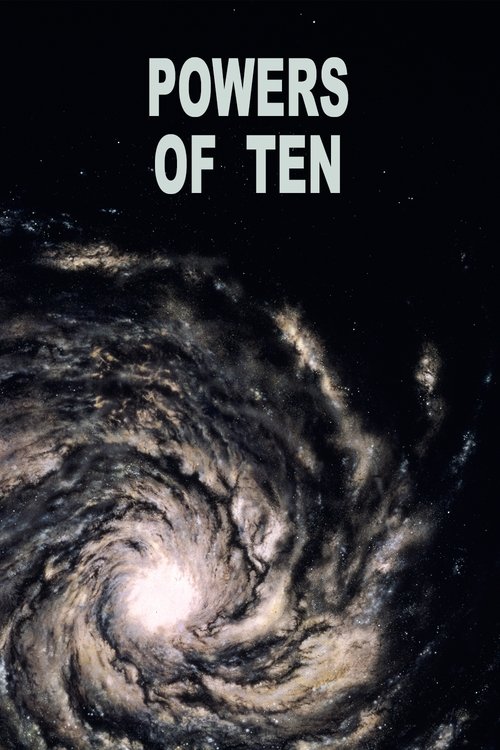
Powers of Ten1977
A nine-minute film that spirals from a Chicago picnic outward to the edge of the universe, then inward to atoms. Perfect scope and economy. A masterpiece of scientific communication.
But Nine minutes might feel too brisk if you want to linger. Some viewers find the cosmic perspective vertiginous rather than uplifting.
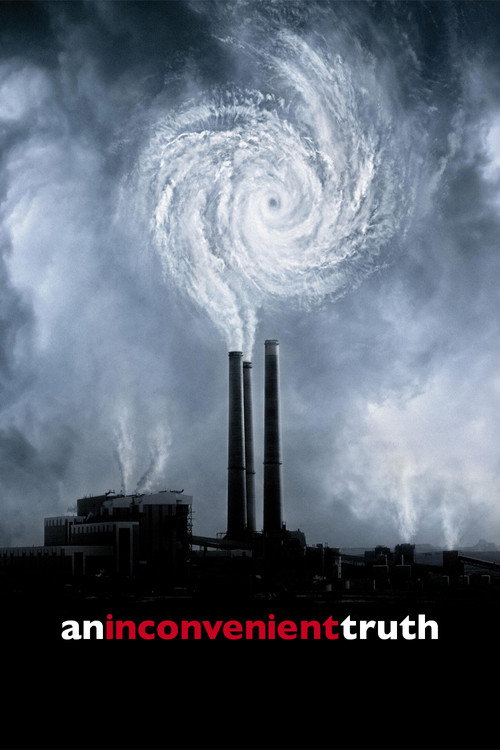
An Inconvenient Truth2006
Al Gore's climate documentary emerged from nowhere to become culturally urgent. Whatever your politics, it's a case study in how to make abstract planetary stakes personal and visible.
But It's polemical by design. The film's confidence in its own argument will frustrate those who want more pushback.
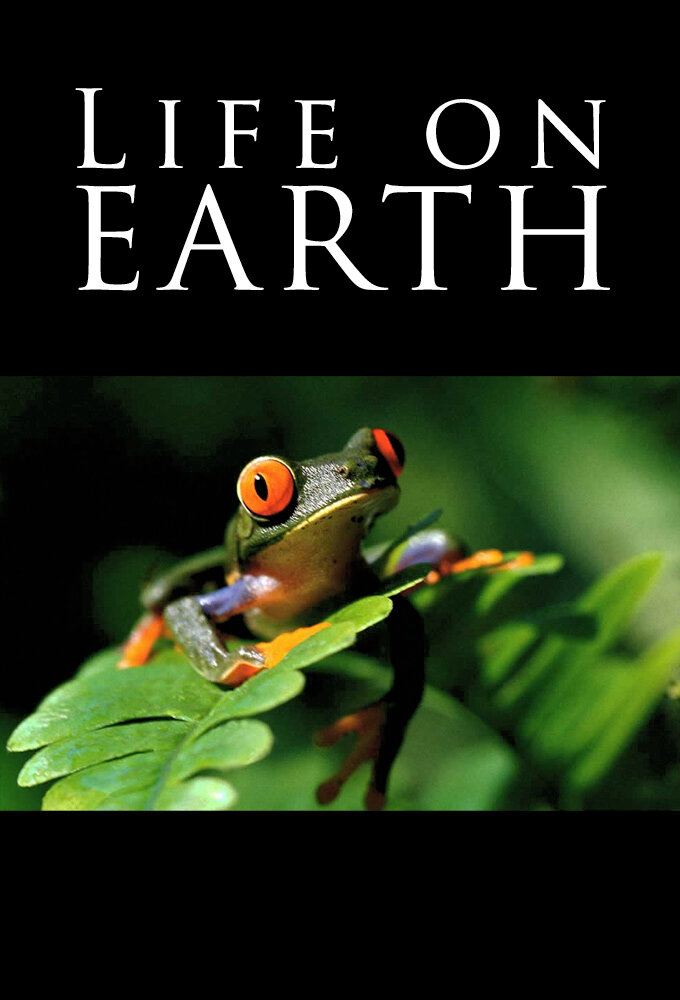
Life on Earth1979
David Attenborough's foundational natural history series. It has the same pedagogical warmth and visual splendor as Unchained Goddess, but with real animals replacing personified forces.
But Thirteen episodes of 1970s BBC production. The pacing is slow and the color palette is soft.
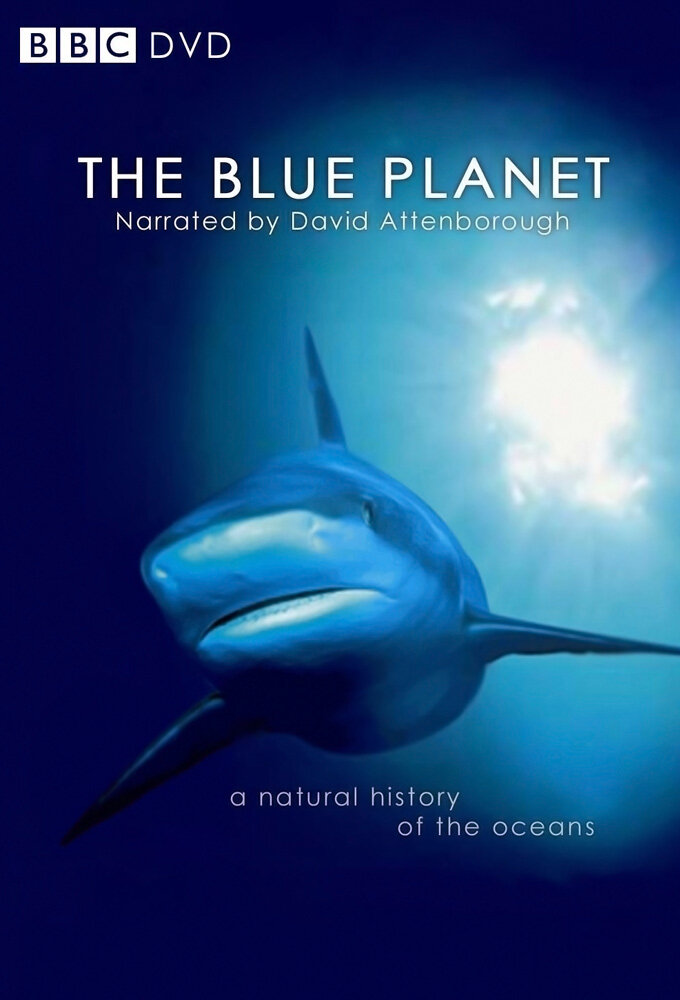
The Blue Planet2001
BBC's oceanic counterpart to Life on Earth. Breathtakingly photographed, with the same blend of scientific rigor and wonder. Water as character, science as narrative.
But Some sequences may disturb viewers sensitive to predation. The scope can feel overwhelming.
Fantasia1940
Disney's animated interpretation of classical music includes The Sorcerer's Apprentice and The Rite of Spring. Like Unchained Goddess, it trusts animation to make abstract ideas concrete and joyful.
But It's painterly and slow. Modern viewers may find the pacing and some cultural choices dated.

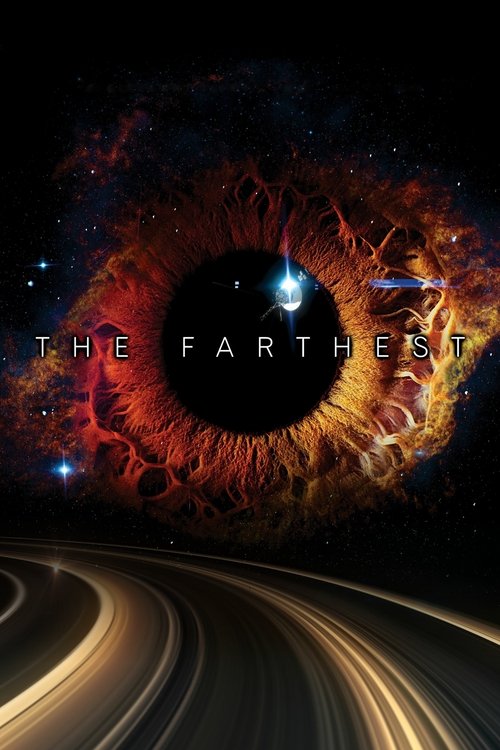
The Farthest2018
Both are love letters to natural systems operating at scales we can barely comprehend. Unchained Goddess anthropomorphizes them to teach us; The Farthest simply observes their sublime indifference. Same reverence, opposite registers.
A documentary about Voyager 1's 40-year journey through the solar system and beyond. It shares Unchained Goddess's awed contemplation of planetary forces and humanity's small place in them, but here the gods are silently indifferent. Quiet, meditative, magnificent.
But Slower and graver than the bouncy 1958 short. It offers cosmic wonder without the cheerful pedagogy, which some viewers may find melancholy.
People
Cast
 Frank BaxterHimself
 Richard CarlsonThe Writer
 Mel BlancHail / Rain (voice)
 Hans ConriedApothecary (voice)
 Jay NovelloProfessor Curious / Windy (voice)
 Franklin Pangbornthe Cloud Painter (voice)
 Lurene TuttleMeteora the Goddess of Weather
Directing
- Stanley GoldsmithAssistant Director
- Richard CarlsonDirector
- William T. HurtzDirector
Writing
- Frank CapraWriter
Production
- Joseph SistromAssociate Producer
- Frank CapraProducer
- Shamus CulhaneProducer
- Nancy PittResearcher