
Film
The Farthest
The Farthest charts the Voyager missions—humanity's furthest-reaching ambassadors to the cosmos. It's a measured, elegiac documentary about ambition, science, and what we chose to tell the universe about ourselves. For anyone moved by space exploration, scientific achievement, or the quieter drama of human purpose pursued over decades.
Should you watch it?
Watch it if you love patient, behind-the-scenes engineering stories and find quiet awe in a machine built decades ago still reaching into deep space.
Skip it if you need brisk pacing or a tight narrative, since it runs two hours of interviews and archive footage that lingers rather than rushes.
What it asks of you: Two hours of unhurried talk and archive footage; it rewards settling in and letting the long timescales and small human moments accumulate.
Not sure? Find tonight's pick in a minute.
If you liked this
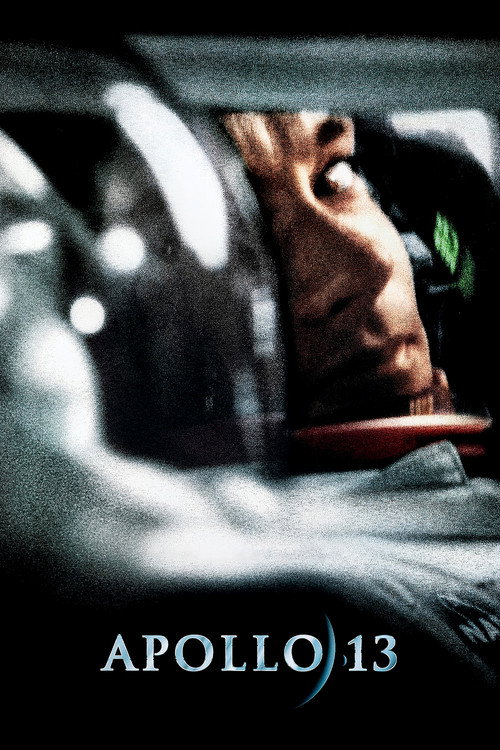
Apollo 131995
A visceral, propulsive account of NASA at its peak—crisis, ingenuity, and the weight of bringing people home alive. Similar stakes and scale, different chapter of the same story.
But It's a conventional drama dressed up as documentary truth. If you want the actual archival experience rather than Hollywood reconstruction, this won't scratch that itch.
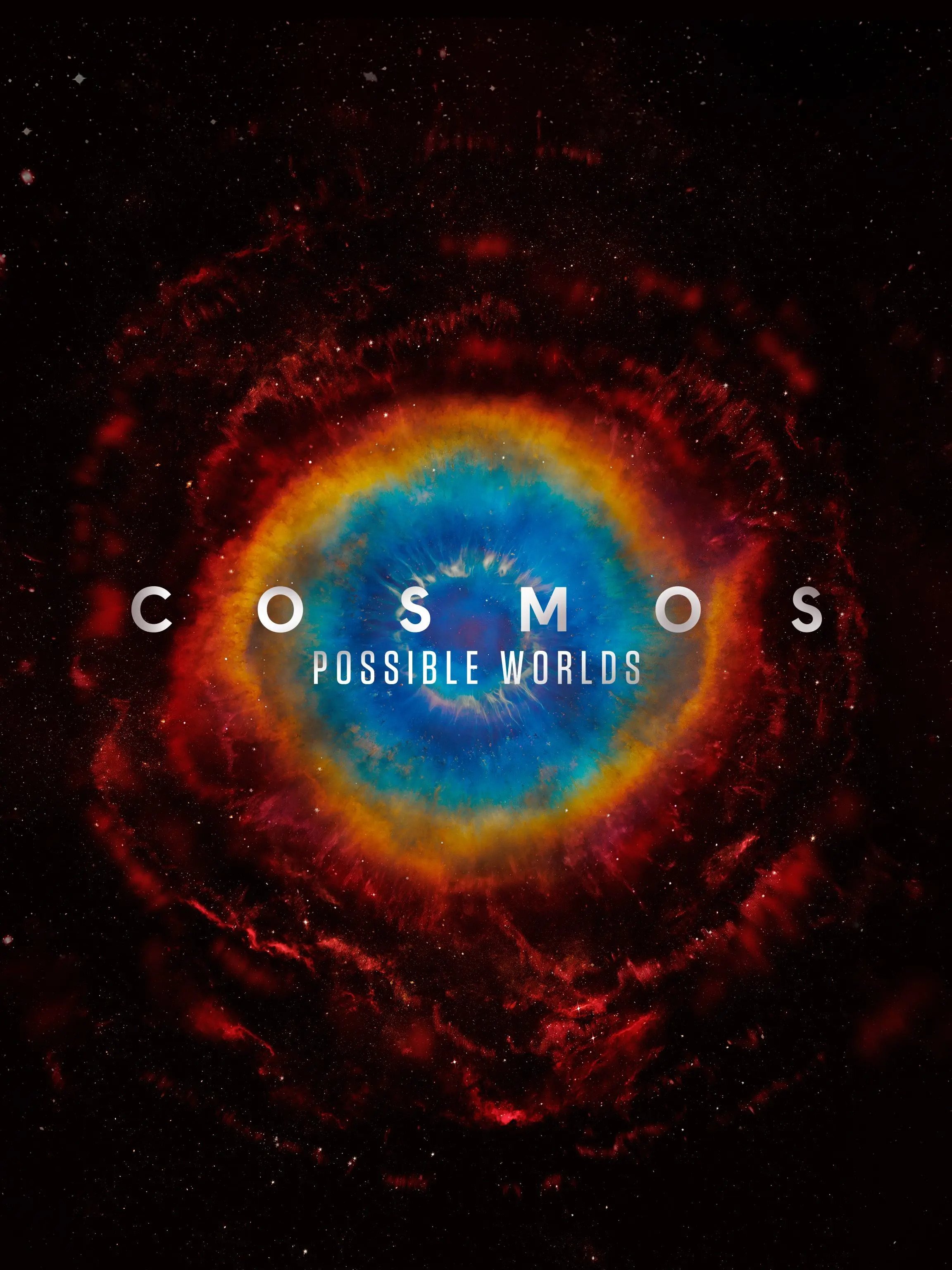
Cosmos1980
Neil deGrasse Tyson carries forward Carl Sagan's torch with the same sense of wonder about humanity's place in the universe. Shares Voyager's philosophical ambition and scope.
But Thirteen episodes is a commitment, and the visual effects, while gorgeous, can feel more like a lecture hall than immersive storytelling.
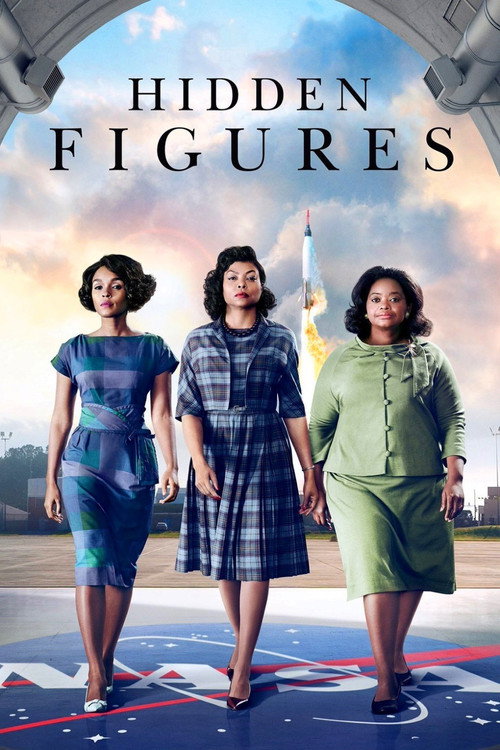
Hidden Figures2016
Celebrates the brilliant, largely erased people who made American space achievement possible. Different era and focus, but the same deep respect for scientific rigor and human determination.
But It's a crowd-pleasing drama with a three-act structure, not a documentary. The real stories are more subtle than the film allows.
Not sure tonight? Get a pick in a minute, starting from The Farthest
The wildcard
Something you would not have found on your own.
Sans Soleil1983
Both are attempts to preserve a moment and a message against oblivion. Both contain multitudes—sounds, images, hopes—compressed into a vessel meant to outlast us.
Chris Marker's essay film is a meditation on memory, time, and what persists. Like Voyager's Golden Record, it asks: what would you send into eternity to represent yourself? Oblique but profound.
But Experimental, poetic, without conventional plot or structure. Demands active engagement and rewards patience with strangeness, not comfort.

More like this (8)
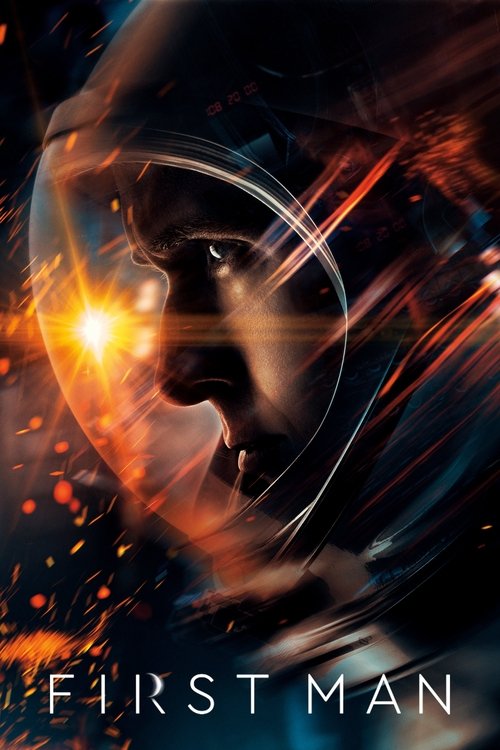
First Man2018
Damien Chazelle's portrait of Armstrong is intimate and unglamorous—space exploration as grueling work, not triumphalism. Captures the human cost of reaching beyond.
But Deliberately unglamorous and sometimes claustrophobic. If you want the moon landing as spectacle, this deliberately withholds it.
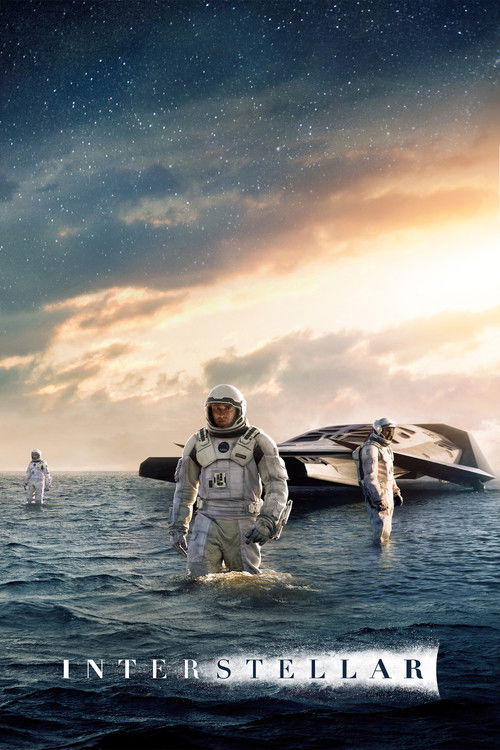
Interstellar2014
Nolan's meditation on exploration, sacrifice, and leaving messages for the future echoes Voyager's Golden Record. Epic in scale but grounded in intimate human stakes.
But Nearly three hours of dense physics and baroque plotting. The science is often in service to emotion rather than understanding.
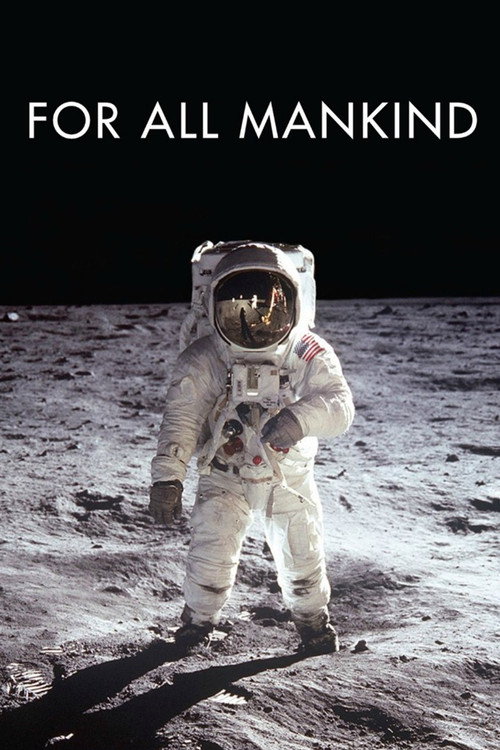
For All Mankind1989
Al Reinert's collage of NASA footage and astronaut accounts creates a dreamy, poetic account of the Apollo program. Pure cinema made from documentary material.
But It's more mood piece than narrative. No clear throughline; some find it slow and meditative rather than gripping.
Paris Has Fallen2024
National Geographic's eight-part series uses fresh archival material and survivor interviews to tell the Apollo story with both grandeur and intimacy. Rigorous and deeply moving.
But Released after The Farthest and covers similar conceptual ground. If you want something entirely different, this risks feeling repetitive.
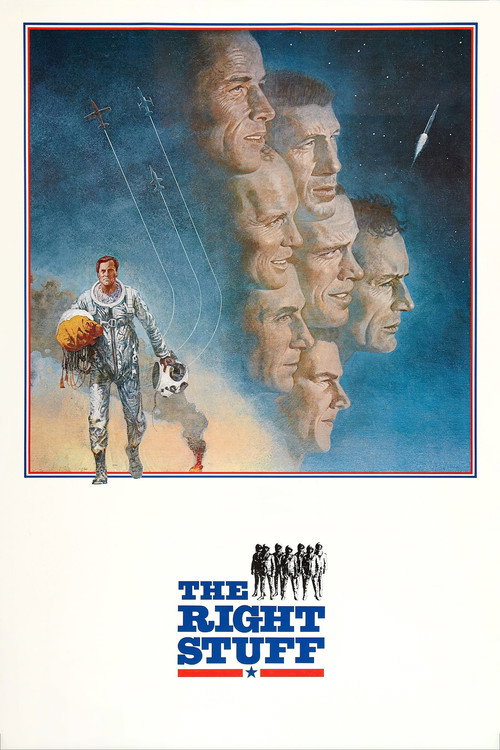
The Right Stuff1983
Philip Kaufman's epic portrait of the Space Race's origins celebrates the pioneers with humor and moral complexity. A companion piece to Voyager's later chapter.
But Three hours and uneven in pacing. The second half loses focus as it spreads across multiple astronauts and timelines.
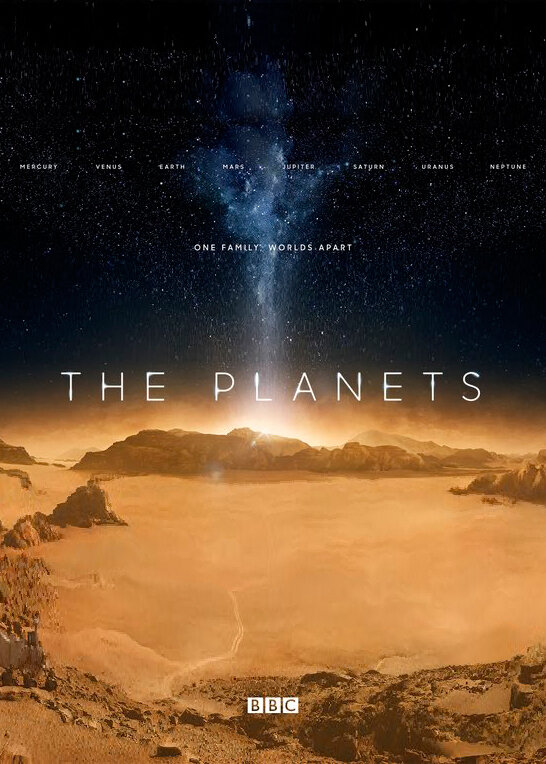
The Planets2019
BBC science documentary series that covers the solar system Voyager explored. Uses current imagery to show where the probe went and what we've learned since.
But More textbook than narrative; focuses on geology and planetary science rather than the human story of exploration itself.
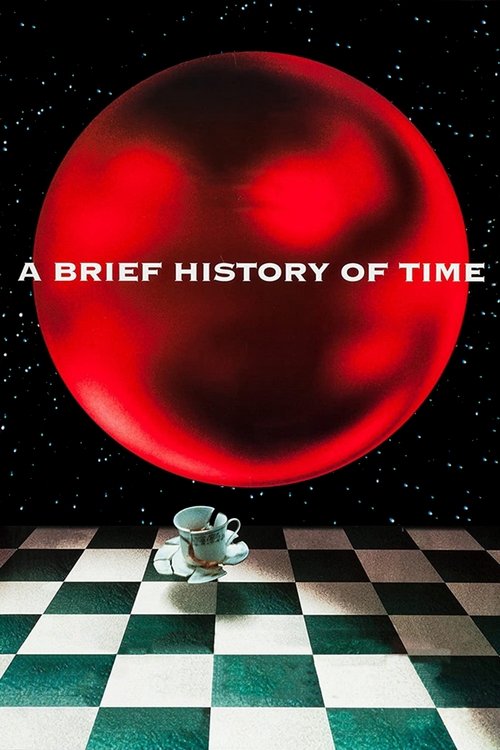
A Brief History of Time1991
Both films trust their audience to sit with big ideas and big questions. Both are ultimately about human curiosity as an act of defiance against the infinite.
Errol Morris's portrait of Stephen Hawking is visually inventive and philosophically ambitious, exploring what it means to pursue understanding despite physical limitation. The same wonder, different approach.
But Dated in its production design, and some find Morris's stylization distracting from Hawking's ideas rather than clarifying them.
Stalker1979
Both are journeys toward something unreachable, meditations on what compels humans to quest despite uncertainty. Both argue that the reaching itself matters more than the arrival.
Andrei Tarkovsky's philosophical sci-fi poem is about a guide leading seekers toward ultimate truth. Glacially paced, visually hypnotic, it captures the longing that drives Voyager—the hunger to reach beyond ourselves.
But Slow cinema at its most demanding. Over two hours of long takes and philosophical monologue. Many audiences find it impenetrable or tedious.

People
Cast
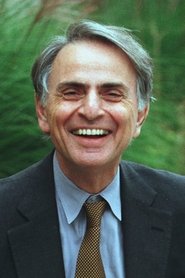 Carl SaganSelf (archive footage)
- John CasaniSelf
 Lawrence KraussSelf
- Carolyn PorcoSelf
- Timothy FerrisSelf
- Edward StoneSelf
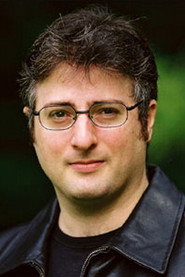 Nick SaganSelf
- Larry SoderblomSelf
- Charley KohlhaseSelf
- Fran BagenalSelf
- James F. BellSelf
- Frank LocatellSelf
Directing
- Emer ReynoldsDirector
Production
- Dennis LiuExecutive Producer
- John RubinExecutive Producer
- Keith PotterExecutive Producer
- Sean B. CarrollExecutive Producer
- Zlata FilipovicLine Producer
- Clare StrongeProducer
- John MurrayProducer
- John MurrayProducer
- Siobhán WardProduction Director
Recommended by
Contact, The Pixar Story, Sonita, The Unchained Goddess, The River and the Wall, Acasă, My Home