
Film
Duck and Cover
A 1952 civil defence short that taught American schoolchildren how to survive nuclear attack through ducking and covering. It's surreal now—cheerful animation paired with genuinely anxious material—but it's a snapshot of Cold War paranoia at peak absurdity. Essential watching for anyone curious about how institutions managed collective terror.
If you liked this
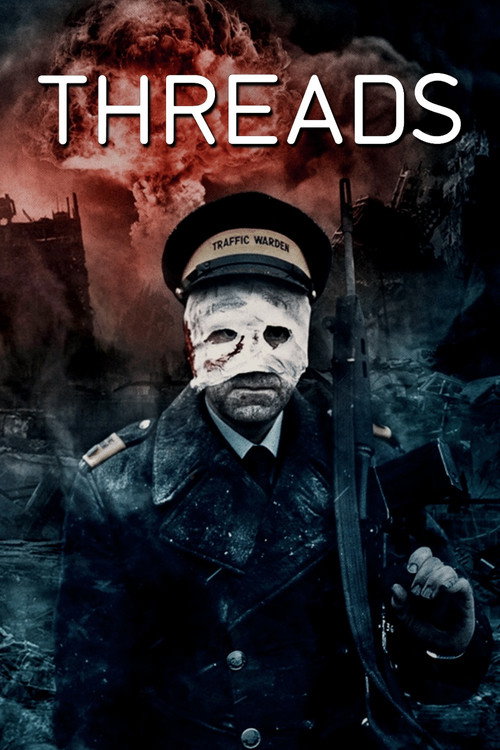
Threads1984
A harrowing British nuclear war drama that shows what actually happens after the bombs fall, stripping away any comforting myths. Devastating and necessary viewing.
But Relentlessly bleak. There are no heroes, no solutions, no hope. It's designed to disturb you, and it does, sometimes brutally.
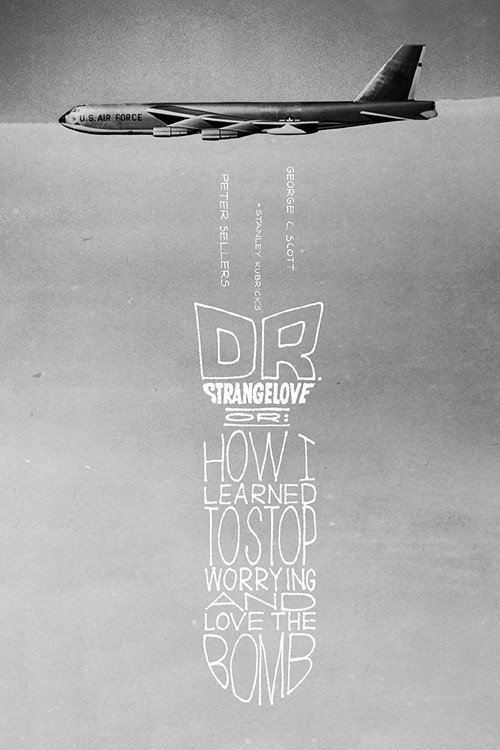
Dr. Strangelove or: How I Learned to Stop Worrying and Love the Bomb1964
Kubrick's savage satire of nuclear paranoia and military logic. Hilarious, terrifying, and perfectly calibrated. The dark comedy ancestor of everything that followed.
But The humour lands best if you understand Cold War politics. Some find its tone exhausting rather than liberating.
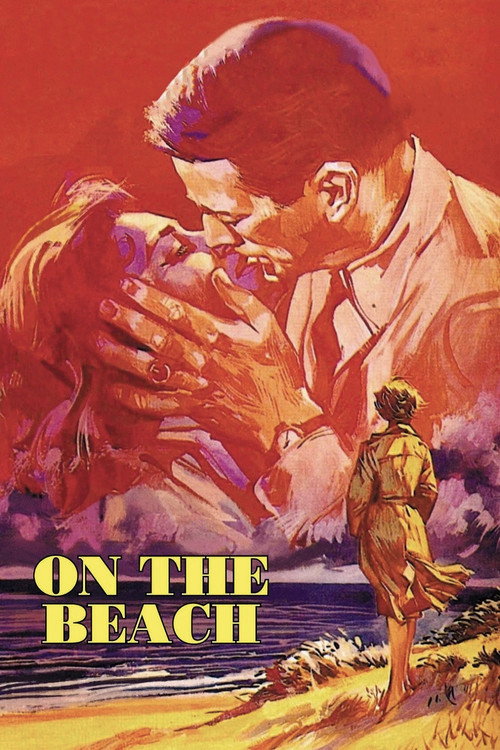
On the Beach1959
A quieter apocalypse: the last survivors waiting for fallout to reach them. Gregory Peck, Ava Gardner, nuclear winter before the term existed. Haunting and human.
But Slow and melancholic. No action, no escape, just people processing the end. Can feel static if you want momentum.
Not sure tonight? Get a pick in a minute, starting from Duck and Cover
The wildcard
Something you would not have found on your own.
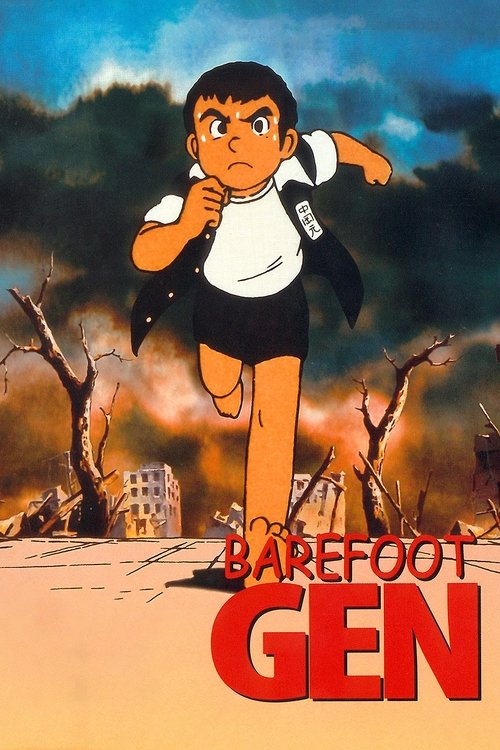
Barefoot Gen1983
Both are instructional films about atomic weapons aimed at young people, but from opposite sides: one teaching compliance, one bearing witness. Together they show the gap between theory and reality.
Animated Japanese film about a boy surviving Hiroshima's bombing. Raw, heartbreaking, and drawn from lived experience. Shows the actual human cost that American instructional films couldn't acknowledge.
But Depicts suffering and starvation unflinchingly. Hand-drawn and from another tradition—it won't feel familiar. Emotionally exhausting.
More like this (5)
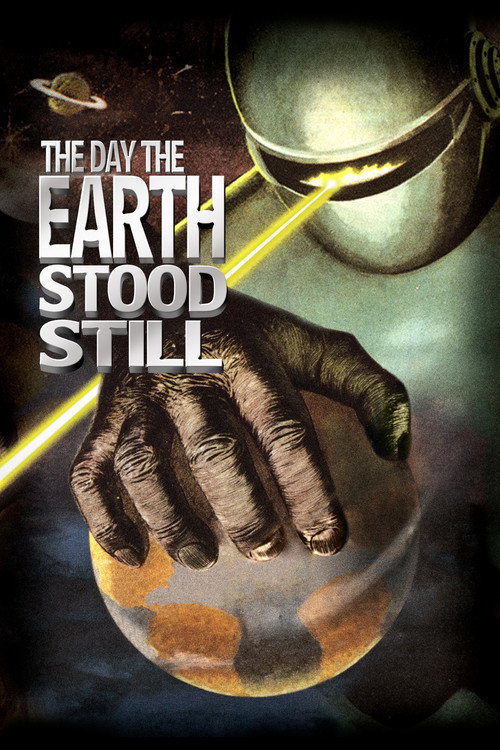
The Day the Earth Stood Still1951
Released a year before Duck and Cover, this sci-fi classic uses alien contact to ask what we're doing with atomic weapons. Thoughtful, elegant, and far less hysterical than the paranoia that followed.
But 1950s pacing and special effects feel quaint. The sermon at the end is earnest in a way modern audiences sometimes find corny.
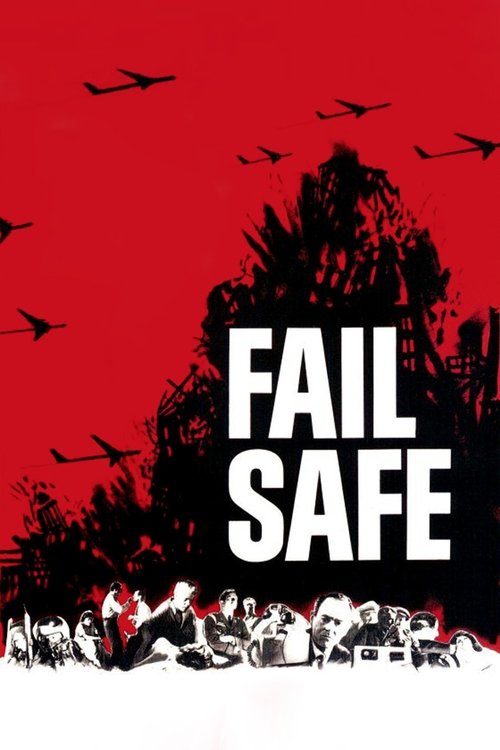
Fail Safe1964
A procedural nightmare: a technological glitch sends American bombers to nuke Moscow. Tense, intellectual, bleak. Lumet's best work about systems that can't be stopped.
But Shot in stark black-and-white and deliberately unglamorous. The ending asks you to sit with an impossible choice rather than resolve it.
The Twilight Zone1959
Serling's anthology series explored atomic anxiety through science fiction. Episodes like 'The Shelter' nail the panic and paranoia Duck and Cover tried to manage away. Brilliant.
But Uneven across five seasons. Some episodes are dated. The twist-ending formula can feel repetitive if you binge too fast.

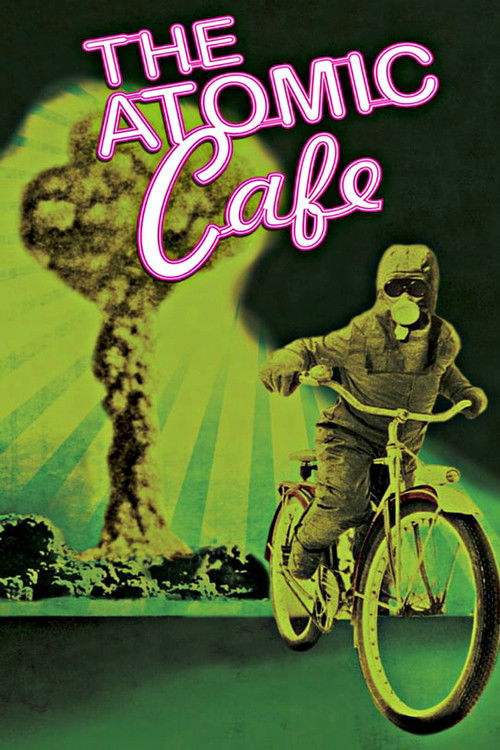
The Atomic Cafe1982
Uses the same kind of material Duck and Cover IS (instructional film, animation, earnest narration about atomic survival) but recontextualizes it to expose the absurdity. It's what happens when you finally look at this stuff sideways.
A collage documentary made entirely from archival footage—newsreels, test footage, civil defence instructionals, propaganda. No voiceover, just images and period music. Darkly hilarious and deeply unsettling.
But No narrative spine; it moves by association and mood rather than argument. Can feel scattered. The comedy and horror are intercut in ways that might jar you.
Come and See1985
Both are propaganda films aimed at children, but Come and See inverts the message: instead of reassuring you that institutions protect you, it shows what happens when they sacrifice you. It's the dark answer to Duck and Cover's false comfort.
A Soviet film about a boy conscripted into war. Not about atomic weapons, but about how institutions send the young to face horrors they can't process. Brutal, hallucinatory, unforgettable.
But Extremely violent and disturbing. The boy's face becomes a record of trauma. Not a 'good' film to watch—a necessary one. Many find it unwatchable.

People
Cast
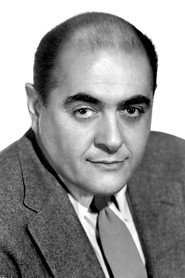 Robert MiddletonNarrator
Directing
- Anthony RizzoDirector
Writing
- Raymond J. MauerWriter
Production
- Leo M. LangloisExecutive Producer