
Film
Barefoot Gen
Barefoot Gen adapts Keiji Nakazawa's own childhood memories into an animated record of Hiroshima before, during, and after the bomb — ordinary family life shattered mid-frame by an unbearable event. The animation is sometimes crude, the violence unsentimental and direct. Not an easy watch, but a vital, first-hand act of witness rather than a war film.
If you liked this
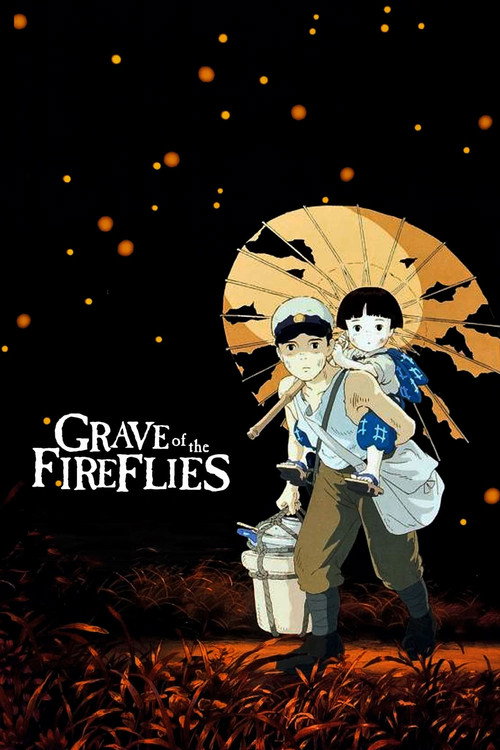
Grave of the Fireflies1988
Studio Ghibli's unflinching companion piece — another child navigating wartime Japan, another animated frame carrying grief that live-action rarely manages this well. The natural next chapter for anyone gutted by Gen's story.
But If anything it's even more devastating, and it offers no comfort by the end.
Hiroshima Mon Amour1959no page yet
The French New Wave's meditation on memory and the impossibility of truly representing Hiroshima's horror, woven through a doomed love affair. Essential for anyone thinking about how art approaches atrocity at all.
But Cerebral and nonlinear, more interested in memory's mechanics than the bombing itself — a big tonal shift.
Black Rain1989no page yet
Shohei Imamura's quiet, painterly look at survivors years after the blast, watching radiation sickness and social stigma unfold in slow motion. A humane, unhurried companion to Gen's more visceral approach.
But Deliberately paced and restrained where Gen is raw and immediate — patience required.
The wildcard
Something you would not have found on your own.
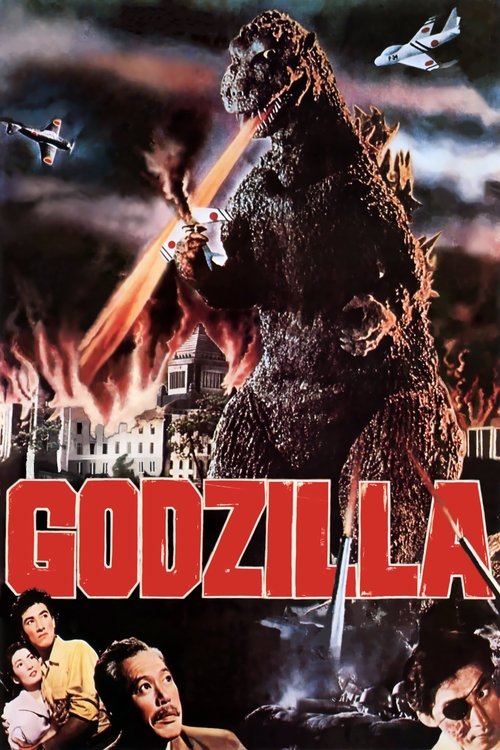
Godzilla1954
Ishiro Honda's monster is literally born from atomic testing anxiety — the mushroom clouds, flattened buildings, and radiation sickness are Hiroshima's imagery smuggled into a genre film for a public not yet ready to watch it directly.
The original, unsmiling Godzilla is a slow, mournful monster movie about a nation's fresh nuclear trauma, wearing a rubber suit instead of animation cels. Same wound, dressed as a creature feature.
But You have to get past decades of campy sequels' reputation to find the grief underneath the original.
More like this (8)
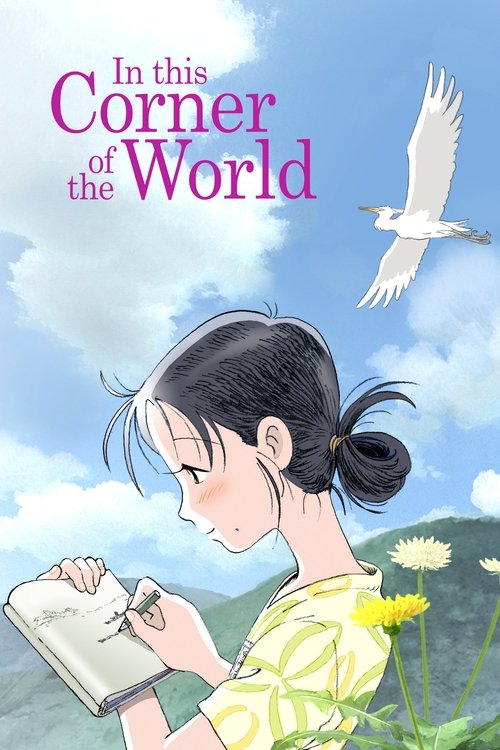
In This Corner of the World2016
Another animated wartime Japan story, following a young bride near Hiroshima whose ordinary life is upended by the bombing. Gentle, detailed, and devastating in its own understated way.
But Its slow-burn domestic focus means the horror creeps up on you rather than hitting immediately.
Rhapsody in August1991no page yet
Kurosawa's late, tender film about a Nagasaki survivor and her grandchildren confronting inherited memory. A gentler, more contemplative look at how atomic trauma passes through generations.
But Slow and elegiac, more about legacy than the event itself — a very different rhythm.
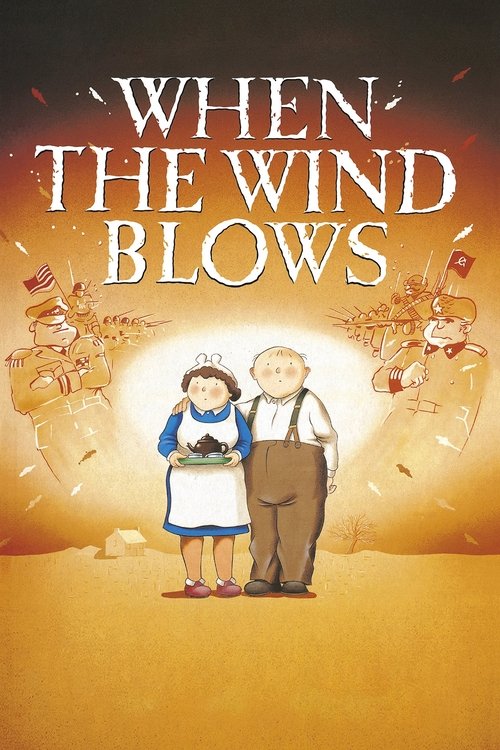
When the Wind Blows1986
An animated British couple's naive faith in government pamphlets as nuclear war approaches, rendered in gentle watercolour that makes the horror land harder. A cousin in medium, warning instead of remembering.
But Its dry British satire sits oddly next to Gen's directness; some find it distracting rather than devastating.
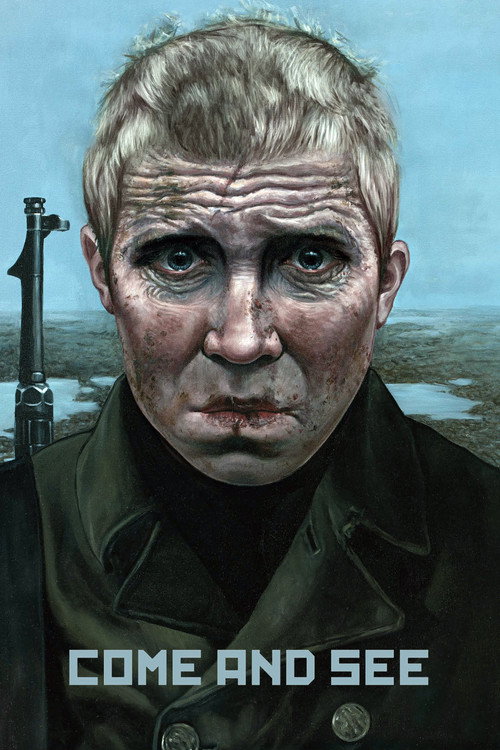
Come and See1985
A boy's descent into the horrors of Nazi-occupied Belarus, shot with the same refusal to look away as Gen. Widely considered one of the most harrowing war films ever made.
But Unrelentingly brutal with almost no relief — a genuinely difficult watch, not for a casual evening.
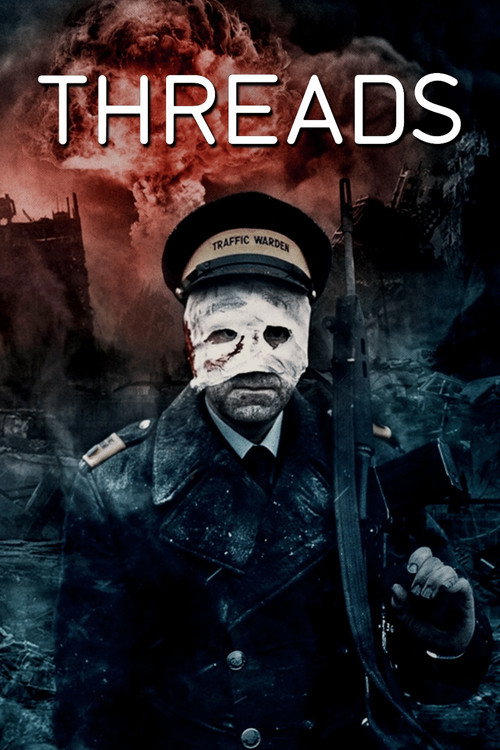
Threads1984
A British docudrama imagining nuclear war's aftermath on an ordinary town, as clinical and terrifying as anything ever filmed. The same commitment to showing consequences that most films flinch from.
But Bleak beyond bleak — no survivors' dignity, just relentless societal collapse. Not for everyone, or every mood.
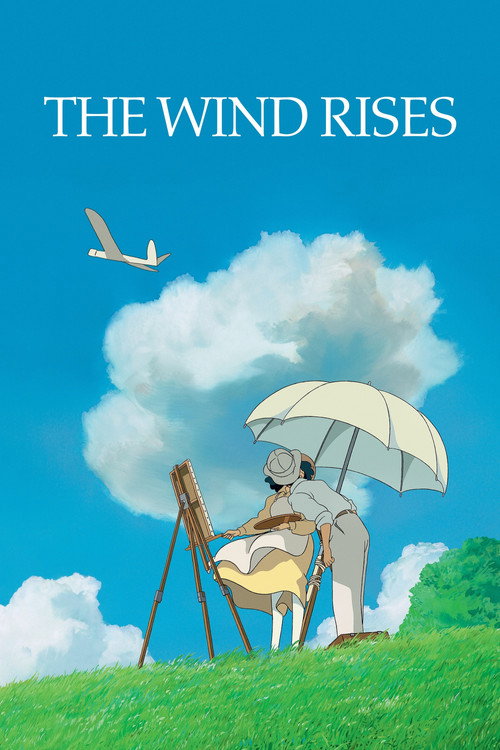
The Wind Rises2013
Miyazaki's fictionalized biopic of the engineer behind Japan's WWII fighter planes, wrestling with beauty and complicity in wartime technology. A different angle on the same era's moral weight.
But Far removed from Gen's ground-level suffering — this is dreamlike, ambivalent, and historically distanced.
Hiroshima1953no page yet
Made only eight years after the bombing, using thousands of hibakusha as extras — it's the raw, live-action ancestor to Gen's animated reckoning, produced while the wounds were still open rather than remembered.
A staggering, little-seen dramatization shot with real survivors playing themselves amid actual rubble, made while the trauma was still fresh enough to sting the people making it.
But Hard to find outside specialist prints, with none of the polish or availability of better-known titles.
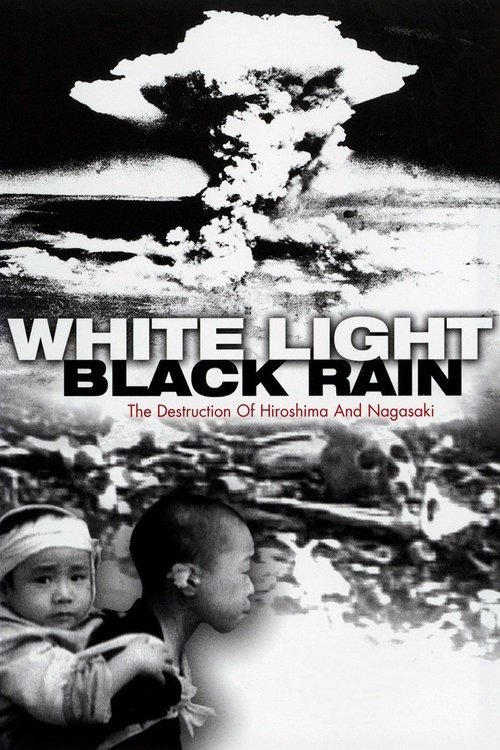
White Light/Black Rain: The Destruction of Hiroshima and Nagasaki2007
Puts real faces and real voices to the same history Gen dramatizes, closing the gap between animated storytelling and lived testimony — these are the people Gen stands in for, finally speaking for themselves.
Steven Okazaki's documentary lets actual hibakusha describe, in their own words, what animation can only gesture toward. A sobering, essential companion once the fiction has done its work.
But No narrative scaffolding to soften it — just testimony, archival footage, and silence where fiction might offer catharsis.
People
Cast
 Issei MiyazakiGen Nakaoka (voice)
- Masaki KoudaShinji Nakaoka (voice)
 Seiko NakanoEiko Nakaoka (voice)
- Takao InoueDaikichi Nakaoka (voice)
 Yoshie ShimamuraKimie Nakaoka (voice)
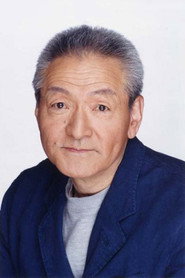 Takeshi AonoHidezo (voice)
 Katsuji MoriSeiji Yoshida (voice)
 Taeko NakanishiHana (voice)
- Tatsuya JoNarrator (voice)
 Junji NishimuraBoku Pak (voice)
 Koichi KitamuraLandlord (voice)
Directing
- Naoko KusumiAssistant Director
- Yukio SuzukiAssistant Director
- Mori MasakiDirector
Writing
- Keiji NakazawaComic Book
- Keiji NakazawaScreenplay
- Keiji NakazawaWriter
Production
- Keiji NakazawaProducer
- Takanori YoshimotoProducer
- Yasuteru IwaseProducer
- Kazunobu ShimizuProduction Coordinator
- Masahiro OtakeProduction Coordinator
- Yoshimi AsariProduction Manager
Recommended by
Grave of the Fireflies, Empire of the Sun, In This Corner of the World, On the Beach, White Light/Black Rain: The Destruction of Hiroshima and Nagasaki