
Film
Hiroshima
Other titles called Hiroshima: the 1995 film.
- Period drama
- Very dark
Kon Ichikawa's 1953 film traces the human wreckage of Hiroshima through interconnected lives in the immediate aftermath. It's a restrained, deeply observant study of trauma and survival—how ordinary people move through extraordinary devastation. Not a spectacle but a meditation, told with the clarity of someone who lived through it.
Should you watch it?
Watch it if you want a patient, human-scale record of how ordinary survivors lived on after the bomb, and you can sit with grief that is quiet and unshowy rather than spectacle.
Skip it if you want fast pacing or bold visual style, since this moves slowly and its style is plain, with much of its runtime given to talk and waiting.
What it asks of you: Expect a sober, unhurried 105 minutes, with dark material handled in a restrained way that rewards steady attention rather than quick reactions.
Not sure? Find tonight's pick in a minute.
If you liked this
Come and See1985
Elem Klimov's Soviet masterpiece about a boy soldier in WWII. It's unwavering in showing how war hollows people out, with a visual intensity that stays with you long after it ends.
But Relentlessly bleak and physically punishing to watch. Not a film that offers catharsis or resolution—just accumulated horror.

Grave of the Fireflies1988
Isao Takahata's animated film about two children orphaned in wartime Japan. It finds heartbreaking tenderness within devastation, and its restraint makes the emotion cut deeper.
But The ending is inevitable and unbearable. Animation doesn't soften the subject matter—it somehow makes it worse.

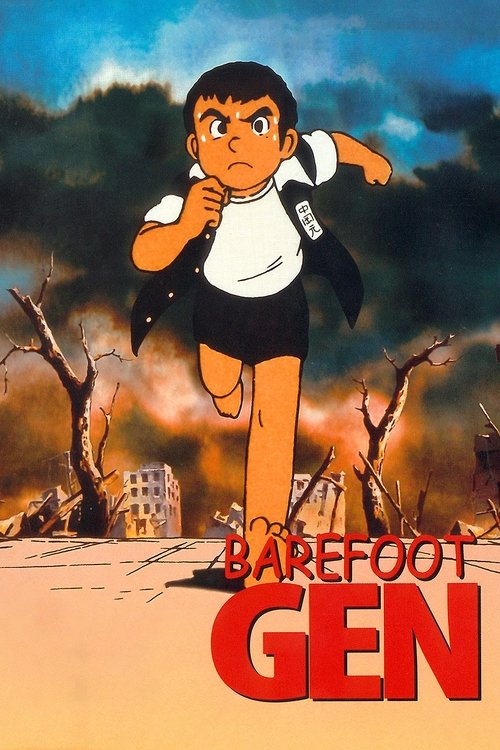
Barefoot Gen1983
Another Japanese film about Hiroshima survivors, adapting Keiji Nakazawa's manga. Follows a boy's journey through the city's ruins with a mix of resilience and raw trauma, both brutal and oddly alive.
But The animation style is dated and can feel jarring against the subject matter. Tonal shifts between childhood resilience and graphic suffering may feel uneven.
Not sure tonight? Get a pick in a minute, starting from Hiroshima
The wildcard
Something you would not have found on your own.
Woman in the Dunes1964
Both use the aftermath of catastrophe—literal in Hiroshima, metaphorical in Woman in the Dunes—to explore whether survival itself has meaning. Both favor observation over catharsis.
Hiroshi Teshigahara's surreal film about a man trapped in a sand pit with a widow. Like Hiroshima, it's Japanese cinema grappling with isolation, repetition, and how bodies endure in hostile environments. The visual language is completely different—abstract where Ichikawa is direct—but the spiritual question is similar: how do you survive?
But Deliberately bizarre and philosophical rather than narrative-driven. It's a puzzle that never fully resolves, which some find maddening rather than meditative.

More like this (7)
Oppenheimer2023
Christopher Nolan examines the Manhattan Project and its architect through the lens of moral reckoning. It's a portrait of how genius and responsibility collide, with genuine weight behind the questions it asks.
But Three and a half hours, and the fractured timeline can obscure what you're supposed to feel. It's about the bomb's creators, not its victims.

Ikiru1952
Kurosawa's film about a dying man finding meaning in bureaucratic work and small acts of kindness. It shares Ichikawa's interest in how ordinary Japanese navigate loss and mortality.
But The pacing is deliberate and will test patience. It's a quiet film in an era before quiet cinema was fashionable.

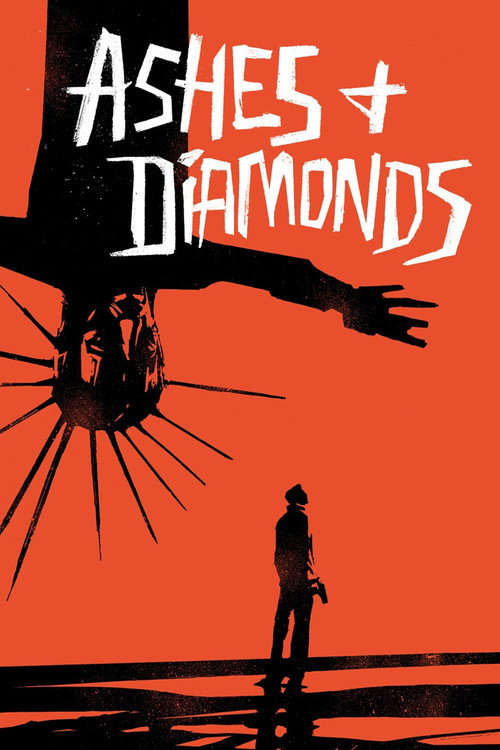
Ashes and Diamonds1958
Andrzej Wajda's Polish masterpiece about the day World War II ends. It captures the disorientation of survival and the moral confusion of those caught between political worlds.
But Steeped in Polish history that may be unfamiliar. The symbolism is sometimes oblique and requires attention to land fully.
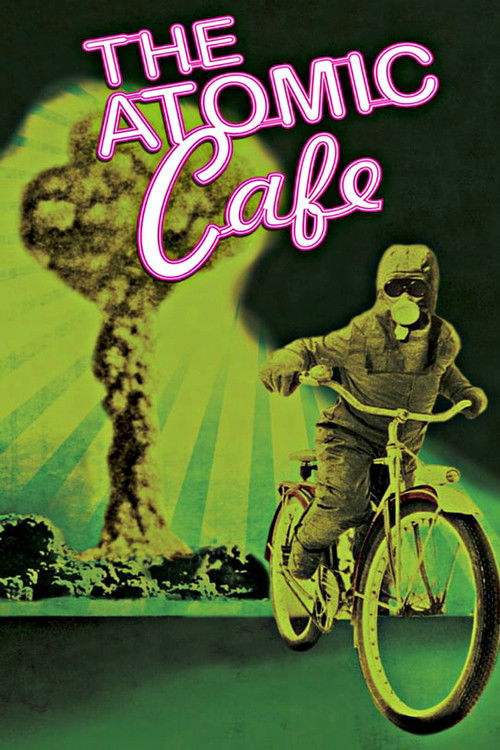
The Atomic Cafe1982
Documentary collage of Cold War nuclear propaganda, educational films, and newsreels. It's darkly comic and reveals how governments tried to make the unthinkable feel normal.
But The humor is pitch-black and can feel glib when the subject is mass death. Some find the ironic tone inappropriate.
A Separation2011
Asghar Farhadi's Iranian drama about a family in crisis. Like Hiroshima, it builds moral complexity from small human moments and shows how individual lives fracture under larger pressures.
But Set in contemporary Iran with no connection to nuclear themes or WWII. The leap from the 1953 film's specificity is considerable.

Crash1996
Both examine physical trauma's effect on consciousness. Both refuse to look away or provide moral comfort. Both treat the body as the site where history and psychology intersect.
Cronenberg's controversial film about people sexually aroused by car crashes. It sounds lurid, but it's actually a cool, anatomical study of how bodies respond to violence and trauma. Like Hiroshima, it refuses sentimentality and treats human damage with clinical precision.
But Explicitly sexual and transgressive. If you found Hiroshima too restrained, this will seem exploitative rather than honest. Deeply unpleasant if it doesn't work for you.

Tokyo Story1953
Made in the same moment and place, both films trust stillness and repetition to convey emotional truth. Both see Japanese family life as a record of historical change, written in small gestures.
Ozu's film came out the same year as Hiroshima and shares its sensibility: Japanese cinema at its most observant, watching families navigate loss and the passage of time through domestic routines. No bombs, no trauma—just the quietness of aging and change.
But Nearly plotless. If you watch it expecting narrative momentum, you'll be bored. Ozu's repetitive framing can feel static rather than meditative.

People
Cast
 Isuzu YamadaMineh Obah
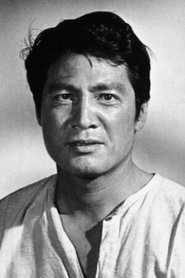 Eiji OkadaKitagawa
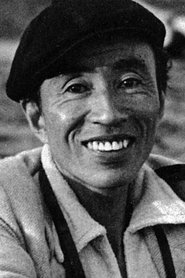 Yoshi KatōHideo Endo
 Yumeji TsukiokaMiss Yonehara
 Masaya TsukidaYukio Endo as a teen




 Takashi KandaSenda
- Kenji SusukidaDr. Nishina
Directing
- Hideo SekigawaDirector
- Kei KumaiFirst Assistant Director
Writing
- Yasutaro YagiWriter
Production
- Takero ItōProducer