
Film
Giant Robo: The Day the Earth Stood Still
Giant Robo is a five-hour OVA epic that swings wildly between intimate character drama and apocalyptic robot spectacle. It's gorgeously hand-drawn, structurally audacious, and utterly committed to making you care about a boy, his giant robot, and the world's balance of power. For patient viewers who want cinema that risks everything.
Should you watch it?
Watch it if you love long, slow-burning giant-robot epics where political intrigue and sprawling mecha spectacle carry equal weight, and you don't mind a story that takes its time to build a world.
Skip it if you want tight, self-contained episodes or brisk action; the 1990s animation and the sheer length can feel like a lot to commit to before the story finds its footing.
What it asks of you: A runtime over five and a half hours, paced in long unhurried stretches; it wants patience and a willingness to settle in rather than constant attention.
Not sure? Find tonight's pick in a minute.
If you liked this
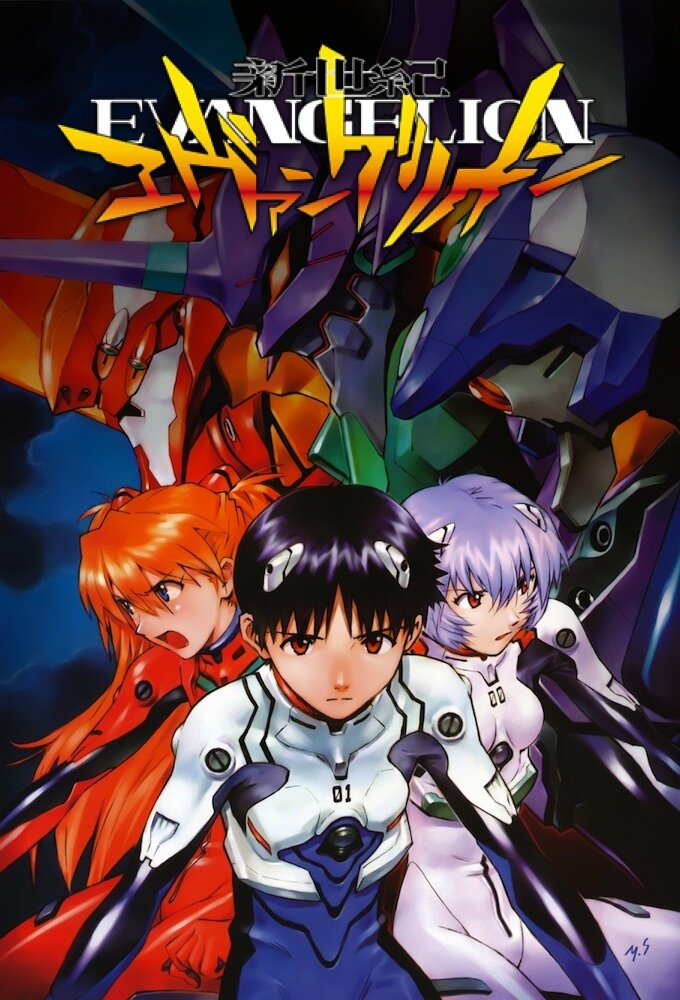
Neon Genesis Evangelion1995
Shares Giant Robo's willingness to derail action narratives for psychological depth and its conviction that giant robots are metaphors for human suffering, not just cool weapons.
But Evangelion ends in deliberate confusion and despair. If you want resolution and comfort, this won't provide it.
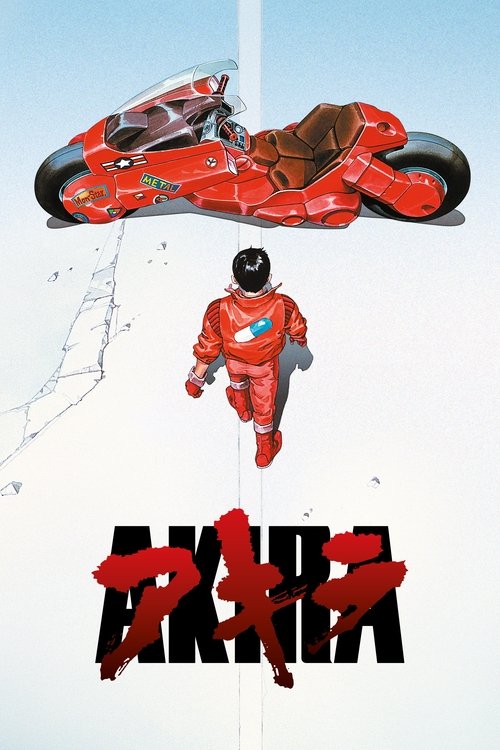
Akira1988
Both are landmark anime films that treat their massive runtime and abstract themes with complete seriousness. Akira's sprawling plot and visual ambition set the template Giant Robo perfects.
But Akira's narrative is deliberately fragmented and often opaque. You have to work to understand what's happening.
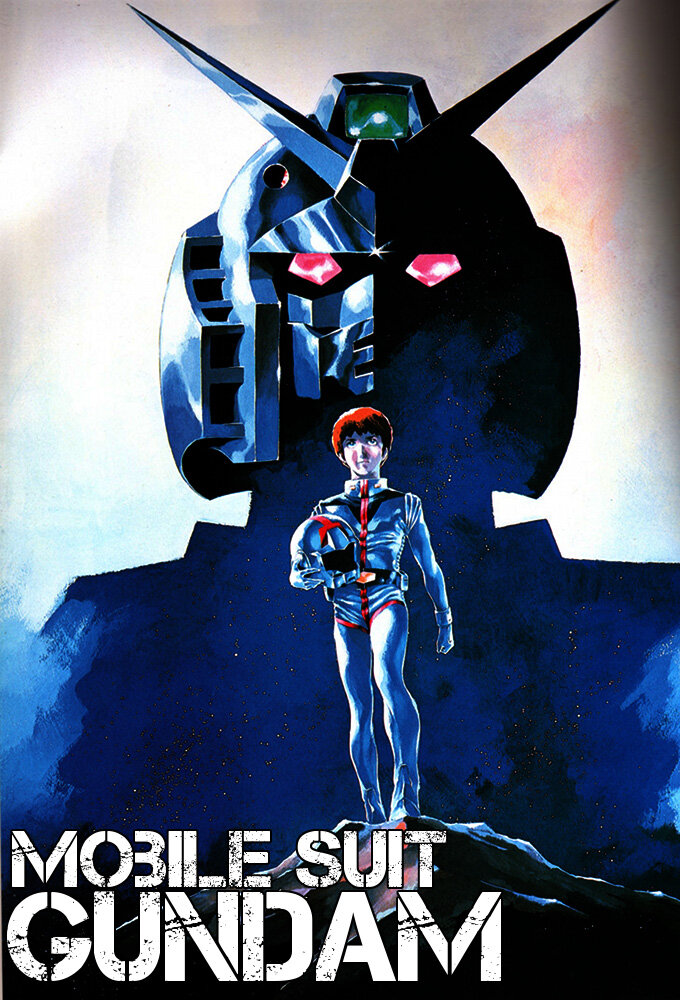
Mobile Suit Gundam1979
The spiritual ancestor of Giant Robo's approach: a real-robot narrative about war, duty, and sacrifice where the giant machine matters less than the pilot's conscience and cost of conflict.
But The original series is 43 episodes, and early episodes are dated in animation and pacing by modern standards.
Not sure tonight? Get a pick in a minute, starting from Giant Robo: The Day the Earth Stood Still
The wildcard
Something you would not have found on your own.
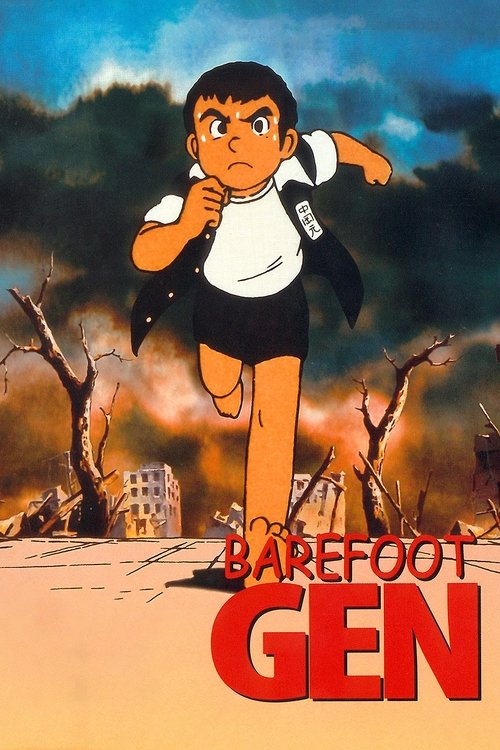
Barefoot Gen1983
Both use animation's scope to explore how ordinary people survive extraordinary violence, and both believe animation is suitable for serious historical and moral reckoning.
An animated film about Hiroshima's bombing. Like Giant Robo, it's a Japanese animation epic with serious runtime, political weight, and refusal to separate action from human consequence. Both are about learning to live after apocalypse.
But It depicts the firebombing and its aftermath with unflinching clarity. The suffering shown is real and graphic, not metaphorical.
More like this (8)
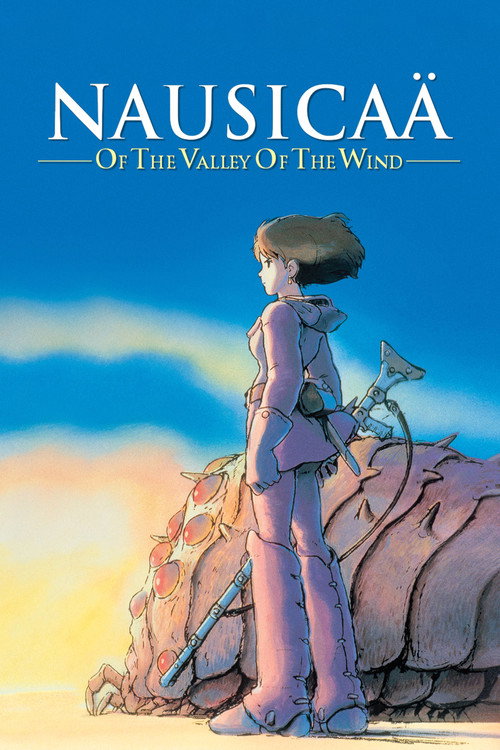
Warriors of the Wind1984
Miyazaki's masterpiece shares Giant Robo's epic scope, its belief that action scenes serve character, and its conviction that environmentalism and geopolitics can drive genuine drama.
But The film condenses complex source material. Some plot threads feel rushed compared to the manga's depth.
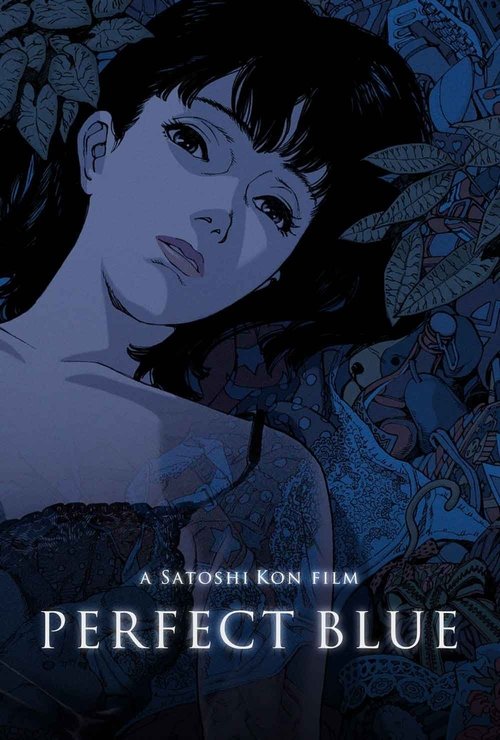
Perfect Blue1998
Satoshi Kon's psychological thriller proves anime can be as formally daring as live-action cinema. Like Giant Robo, it commits fully to emotional truth over easy coherence.
But Its depiction of obsession and violence is unsettling and deliberate. The narrative deliberately scrambles reality and delusion.
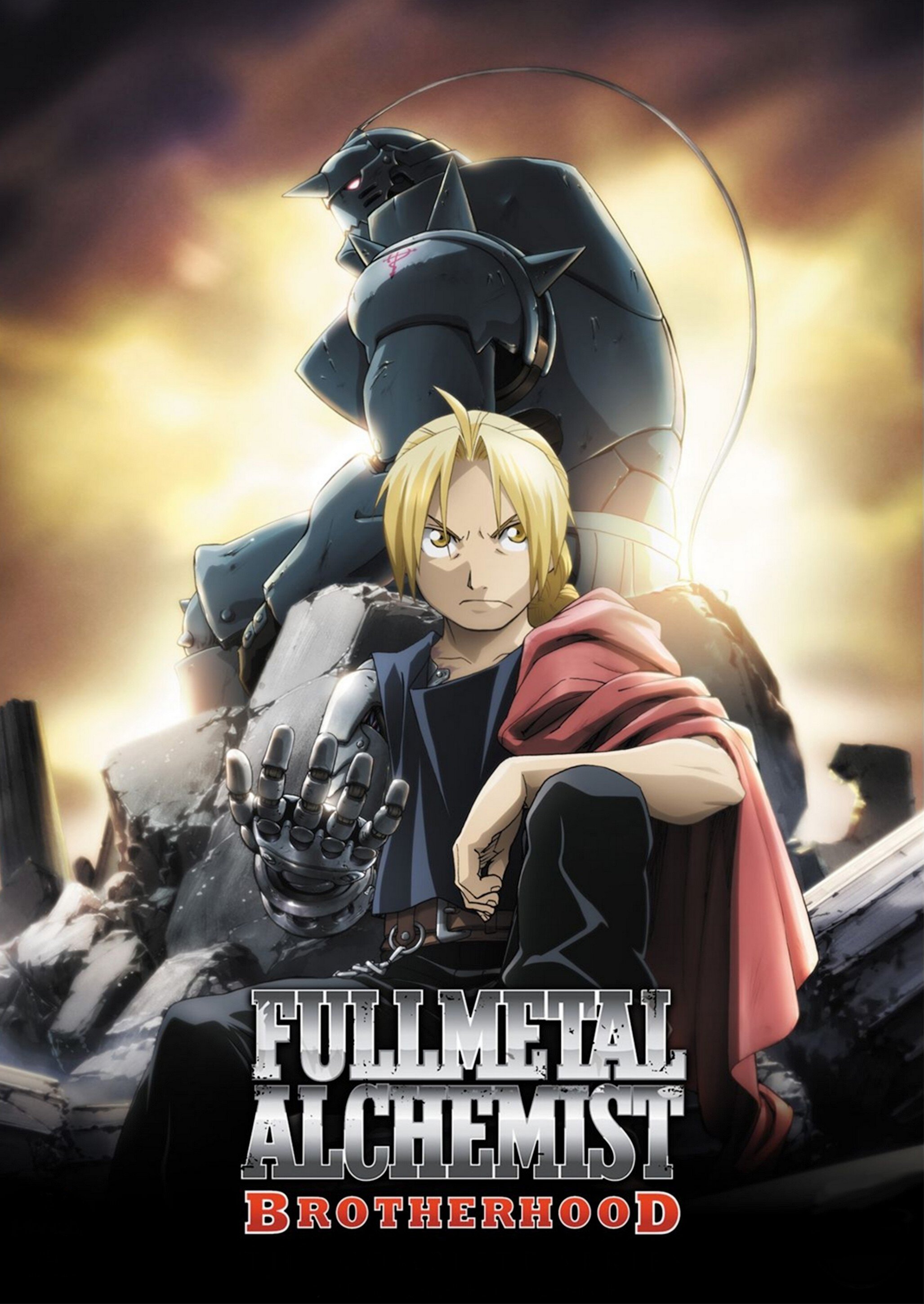
Fullmetal Alchemist: Brotherhood2009
A 64-episode series that honors Giant Robo's ambition to blend philosophical inquiry with action. Both ask what power costs and whether good intentions justify terrible choices.
But The first third rehashes the earlier anime series; new viewers have to push through some repetition before the divergence.
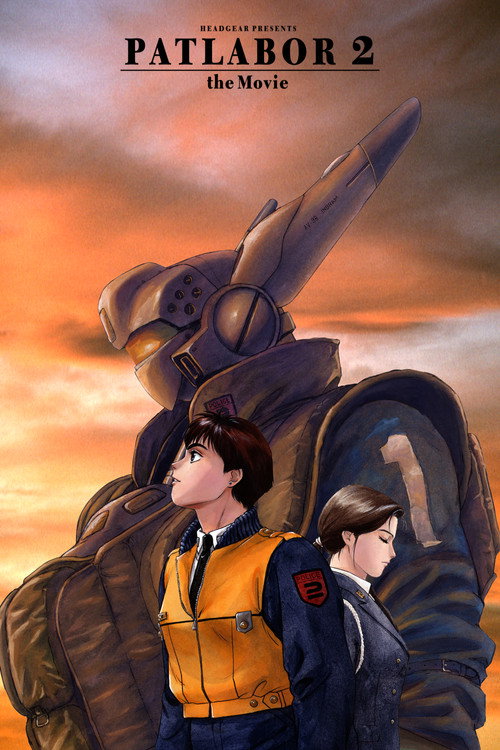
Patlabor 2: The Movie1993
Released one year after Giant Robo, this OVA shares its willingness to use robot action as a vehicle for political thriller plotting and moral complexity about state power.
But It's a sequel to a TV series. Without that context, character relationships and stakes feel less immediate.
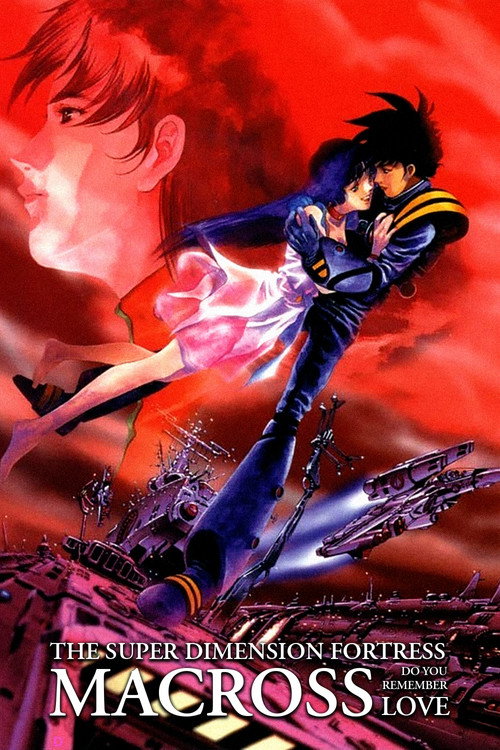
Macross: Do You Remember Love?1984
An anime feature that trusts its audience with ambitious storytelling, gorgeous hand-drawn spacecraft animation, and the belief that romance and war can coexist as equally serious themes.
But It's a retelling of the original TV series' plot. You don't need to watch the show, but the film assumes familiarity with its world.
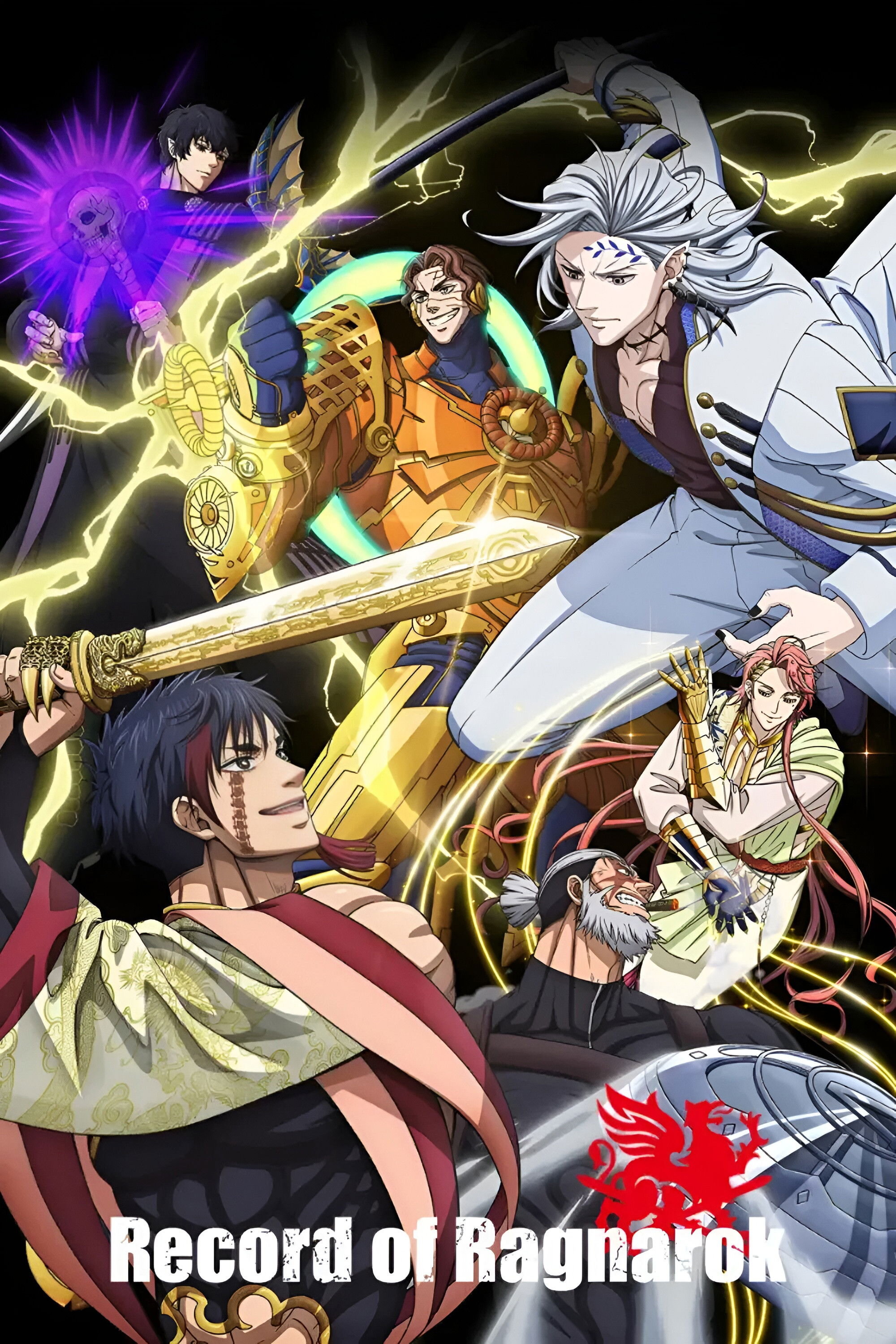
Record of Ragnarok2021
A modern anime with Giant Robo's commitment to hand-drawn action sequences and its willingness to spend time on character and motivation between spectacular set pieces.
But The animation is uneven and sometimes poorly paced. Dialogue-heavy episodes test patience between fights.
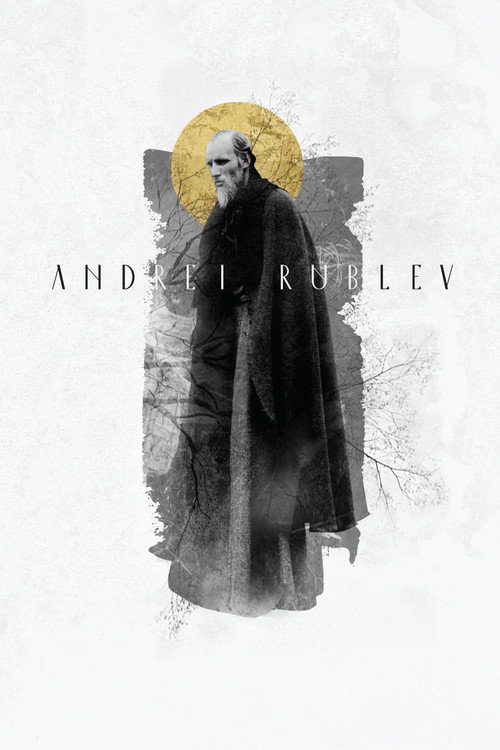
Andrei Rublev1966
Both are formally experimental epics that refuse to separate an artist's internal crisis from the political violence surrounding them. Both believe contemplation is as important as action.
Tarkovsky's three-hour film about a medieval iconographer mirrors Giant Robo's structure: long, patient sequences punctuated by violence and ecstasy, about an artist's duty during war. Both believe time itself is the subject.
But It moves at Tarkovsky's pace, which is glacial. If you need momentum, this will feel like punishment.
Blame2018
Both believe anime's unique power is showing impossible architecture and scale. Both make loneliness and duty their actual subject, using robots and machines as the landscape of the soul.
A CGI anime film about a lone warrior moving through an infinite mechanical city. Like Giant Robo, it trusts silence and visual storytelling over exposition, and makes technology feel both sublime and terrifying.
But There's minimal dialogue and plot is secondary to mood and world-building. You're watching texture and architecture, not a traditional story.

People
Cast
 Kappei YamaguchiDaisaku Kusama
 Sumi ShimamotoGinrei
 Shozo IizukaTetsugyu
 Kazue KomiyaYoushi
 Norio WakamotoTaisou
 Iemasa KayumiChief Chûjô Shizuo
 Yûji MikimotoKenji Murasame
 Koichi ChibaDoctor Vogler
 Yosuke AkimotoAlberto
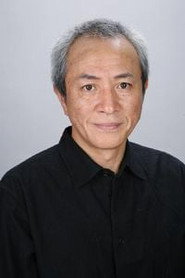 Yasuyoshi HaraIvan
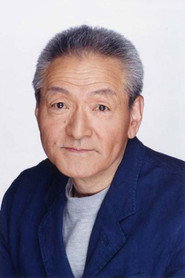 Takeshi AonoIssei
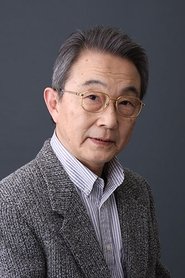 Shinji OgawaGenya
Directing
- Yasuhiro ImagawaDirector
Writing
- Mitsuteru YokoyamaOriginal Story
- Eiichi YamamotoWriter
Recommended by
Ultraman, Mobile Suit Gundam: The 08th MS Team, Armored Trooper VOTOMS