
Film
Blame
A high school drama unfolds when a teacher's inappropriate relationship with a student is exposed, triggering a cascade of accusations and betrayals among jealous classmates. Claustrophobic and morally murky, it examines how easily truth becomes weaponized in closed communities. For viewers drawn to psychological tension and uncomfortable social dynamics.
Should you watch it?
Watch it if you like slow-burning psychological dramas where the cruelty is quiet, social and eerily familiar, the way a classroom can curdle over a rumour.
Skip it if you want a brisk plot that sprints toward a tidy payoff; its pace is deliberate and its jealousies can circle the same ground for a while.
What it asks of you: A patient 100 minutes, with long stretches of watching people be unkind in careful, held-back ways; attention pays off more than adrenaline does.
Not sure? Find tonight's pick in a minute.
If you liked this
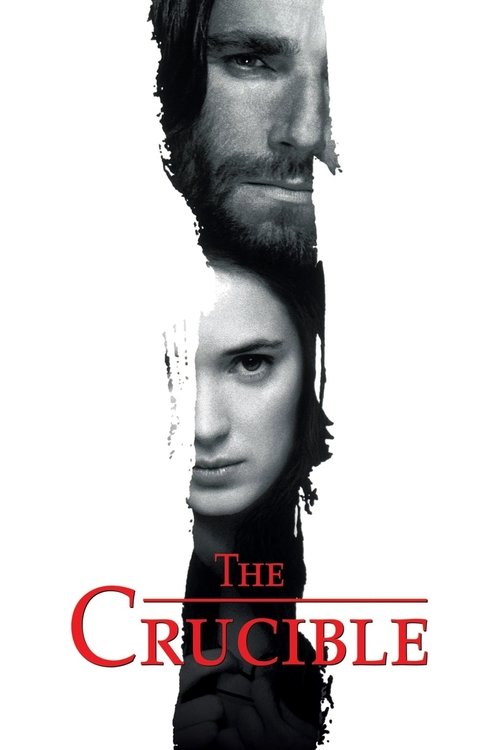
The Crucible1996
This 1996 adaptation of Miller's play shares Blame's interest in how accusations spiral in insular communities, destroying lives through collective hysteria and personal vendettas masked as moral righteousness.
But It's stagier and more formally constructed than Blame, and the historical distance of the Salem witch trials may feel less immediately urgent than high school drama.
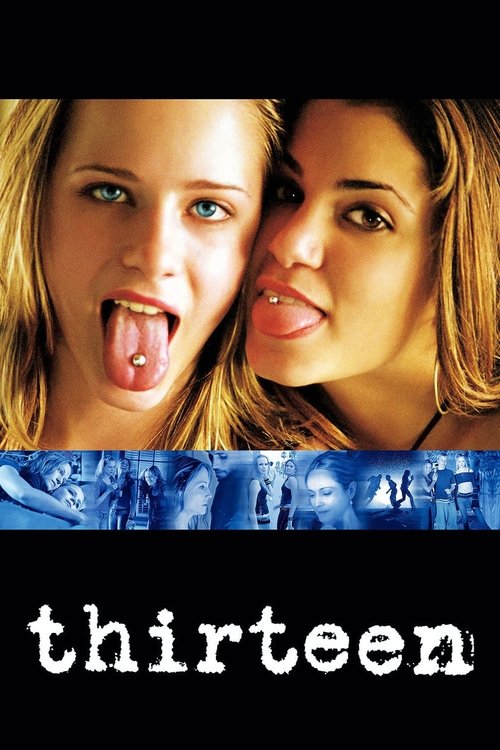
Thirteen2003
A raw, unflinching look at toxic female friendships and how quickly adolescents can turn on each other. It has the same claustrophobic intensity and willingness to implicate everyone, not just the obvious villain.
But The subject matter—drugs, self-harm, sexual coercion—is relentless and sometimes feels exploitative rather than revelatory.
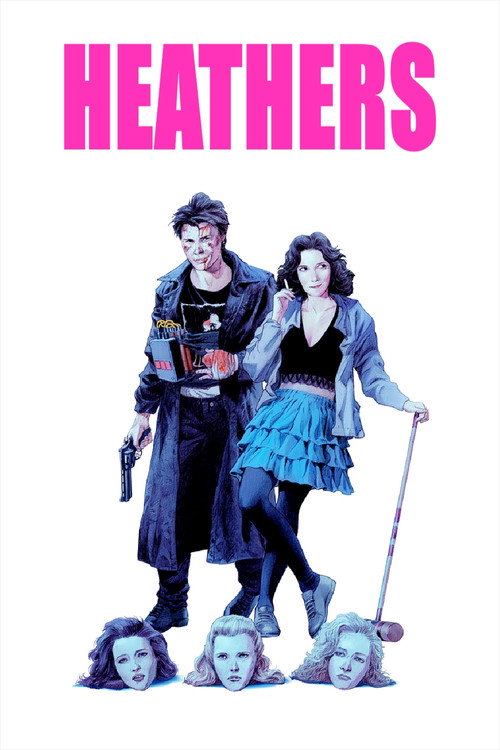
Heathers1989
Dark comedy about high school power dynamics, cliques, and murder. It captures the same sense that teenage social hierarchies are their own brutal ecosystem, though with sharper wit.
But It's campy and stylized where Blame is trying for realism. The tonal shift might feel like it's making light of things you're meant to take seriously.
Not sure tonight? Get a pick in a minute, starting from Blame
The wildcard
Something you would not have found on your own.
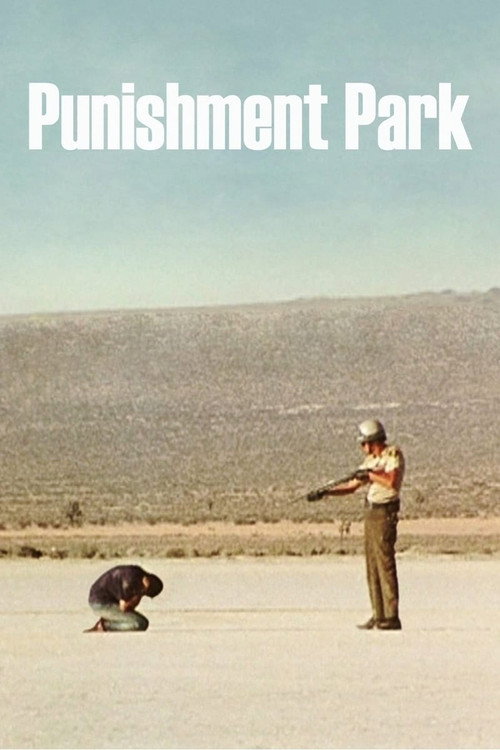
Punishment Park1971
Both examine how institutions and communities manufacture guilt and then enact revenge, stripping individuals of agency and narrative control.
A harrowing mockumentary about accused dissidents hunted across the desert as punishment. It's a direct ancestor of stories about scapegoating and mob justice, but through a political lens that makes the mechanics inescapable and horrifying.
But It's in black and white, shot documentary-style, and deeply pessimistic. The didactic framework will feel distant from the personal drama of Blame, and the pacing is deliberately punishing.
More like this (8)
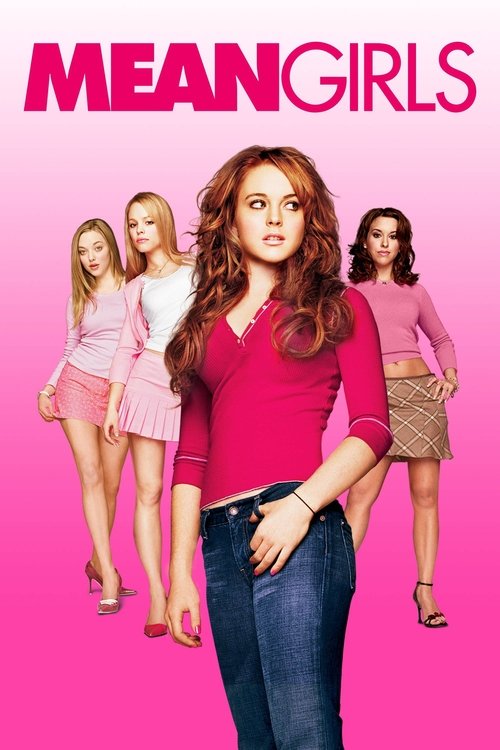
Mean Girls2004
A smart, funny dissection of how girls weaponize friendship and status against each other. Less dark than Blame, but the mechanics of social sabotage are identical.
But It's comedic rather than tragic, and ultimately more forgiving of its characters. If you want moral ambiguity, this resolves too neatly.
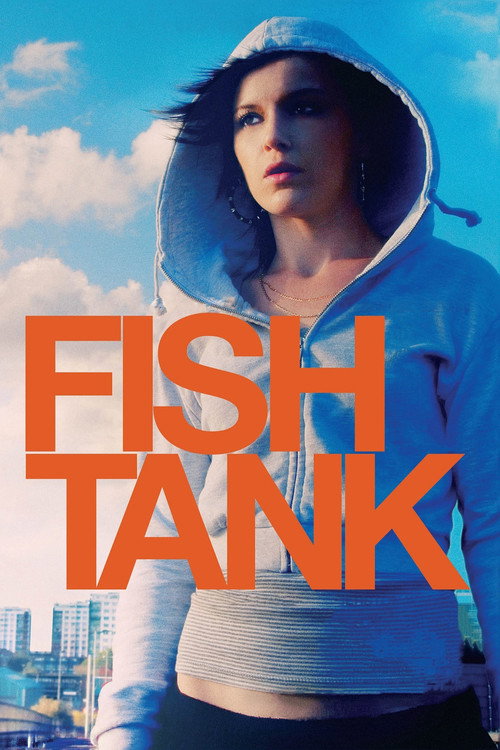
Fish Tank2009
Andrea Arnold's portrait of a volatile teenage girl in a cramped household, obsessed with a charismatic man. It has the same intensity and refusal to make anyone entirely sympathetic or entirely guilty.
But It's slower, more naturalistic, and less plot-driven. The ending is quieter and more unsettling than cathartic.
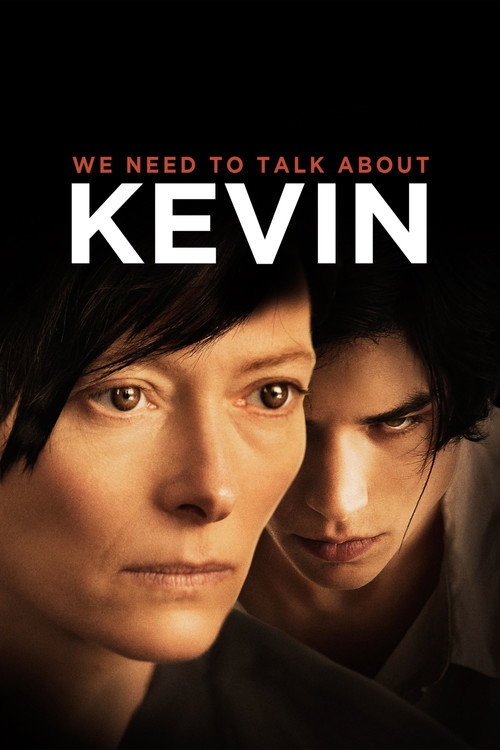
We Need to Talk About Kevin2011
Explores how people construct narratives of blame and guilt around a tragedy, and how perspective shapes what we believe happened. Structurally complex and genuinely disturbing.
But It's considerably darker and more formally challenging. The violence is off-screen but the emotional weight is crushing.
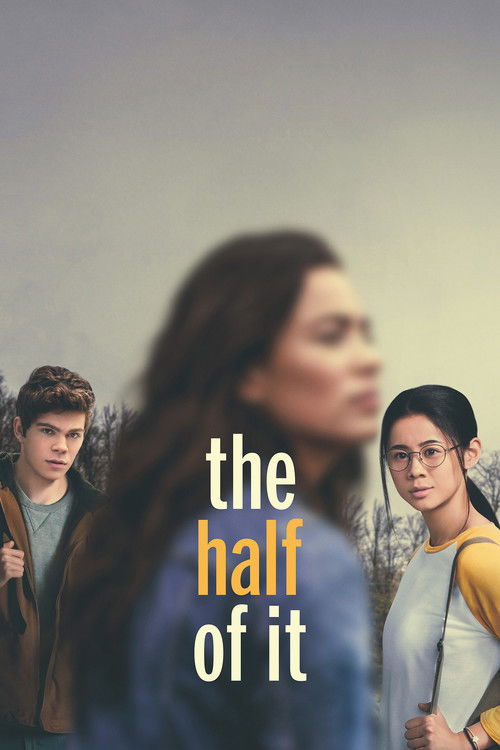
The Half of It2020
A contemporary high school story about desire, deception, and the stories we tell ourselves about love. Thoughtful and less interested in punishment than understanding.
But It's gentler and more lyrical. If you're looking for the psychological tension of Blame, this is introspective rather than dramatic.
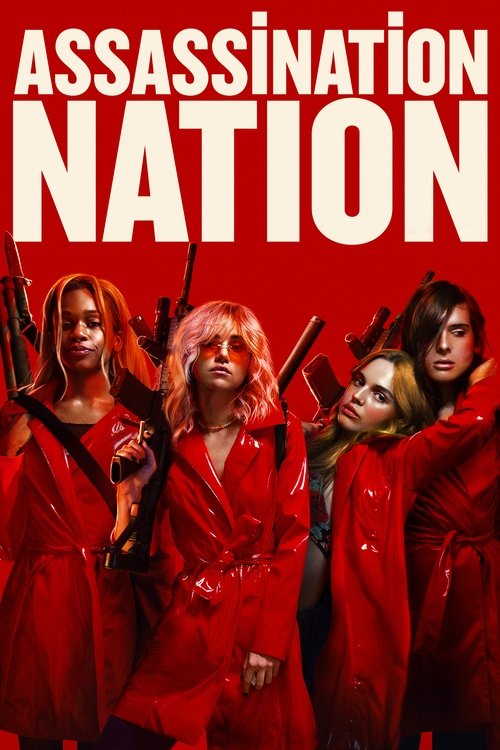
Assassination Nation2018
A visceral film about four girls targeted by a town's rage and paranoia. Explores how quickly victims become perpetrators and how mob mentality overrides individual thought.
But It's maximalist and explicitly angry in a way that feels designed to provoke. Some will find it cathartic; others will feel bludgeoned.
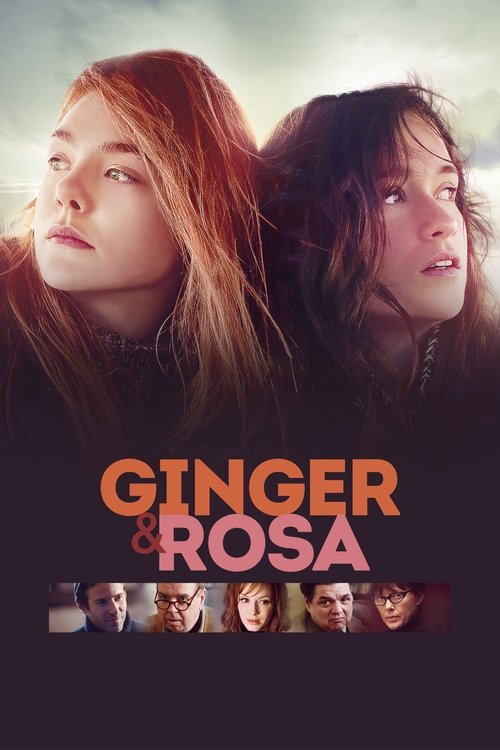
Ginger & Rosa2012
A quiet but devastating portrait of a female friendship destroyed by attraction, jealousy, and betrayal during the Cold War. Sally Potter's direction makes every gesture meaningful.
But It's elliptical and understated. If you want Blame's intensity, this is more melancholy than urgent.
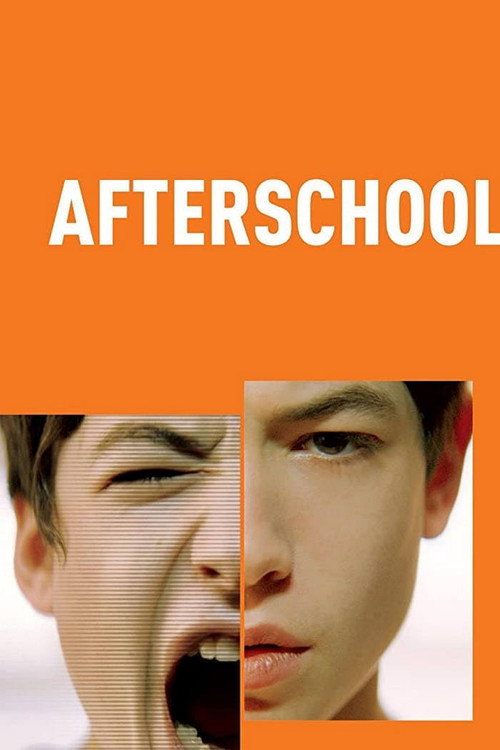
Afterschool2009
Both films treat high school as a space where adolescents perform identity and construct reality through gesture and rumor, with consequences they can't fully comprehend.
An experimental, meticulously composed film about a high school student obsessed with documenting violence after witnessing a tragedy. Visually hypnotic and genuinely unsettling about how observation and performance intersect.
But It's deliberately opaque and abstract. There's no conventional narrative or clear resolution—it asks you to sit with ambiguity rather than resolve it.
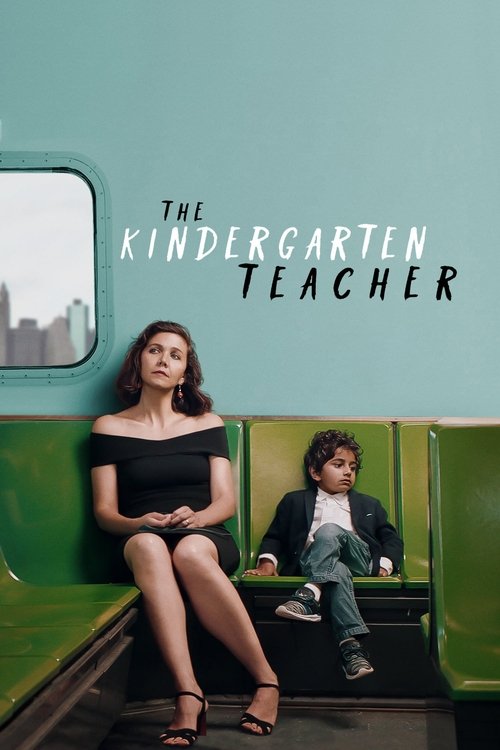
The Kindergarten Teacher2018
Both films refuse to let the audience position themselves as moral judges. They force complicity by making the accused's perspective understandable, if not forgivable.
A portrait of inappropriate desire between an adult and a child, told entirely from the woman's perspective as she justifies and romanticizes her own predatory behavior. Uncomfortably intimate and philosophically complex.
But It asks you to inhabit the mind of someone committing abuse. The sympathy it generates for a predator will feel deeply uncomfortable—which is the point, but not everyone wants their evening to feel that way.
People
Cast
 Quinn ShephardAbigail
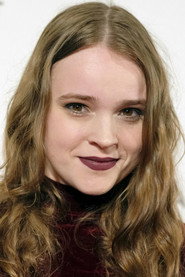 Nadia AlexanderMelissa
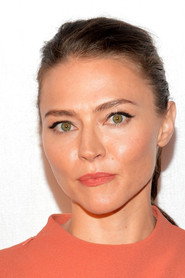 Trieste Kelly DunnJennifer
 Marcia DeBonisMs. Cohen
 Tessa AlbertsonEllie
 Sarah MezzanotteSophie

 Luke SlatteryEric
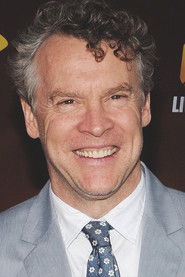 Tate DonovanRobert
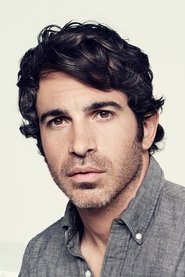 Chris MessinaJeremy Woods
- Elizabeth HowellAbigail's Mother
- Carlyle OwensAbigail's Father
Directing
- Quinn ShephardDirector
Writing
- Laurie ShephardStory
- Quinn ShephardStory
- Quinn ShephardWriter
Production
- Imraan FarukhiAssociate Producer
- Laurie ShephardCasting
- Larissa RhodesCo-Producer
- Michael JeffersonLine Producer
- Laurie ShephardProducer
- Quinn ShephardProducer
Recommended by
Godzilla Singular Point, Giant Robo: The Day the Earth Stood Still, Sidonia no Kishi