
Film
Empire of the Sun
Spielberg's least-loved masterpiece: a boy's-eye view of WWII Shanghai that starts as adventure and curdles into something stranger and sadder. Christian Bale, eleven years old and extraordinary, plays a child who adapts to atrocity with unnerving ease. Gorgeous, overlong, emotionally merciless in ways Spielberg rarely allows himself. For anyone who wants their war film to unsettle rather than console.
If you liked this
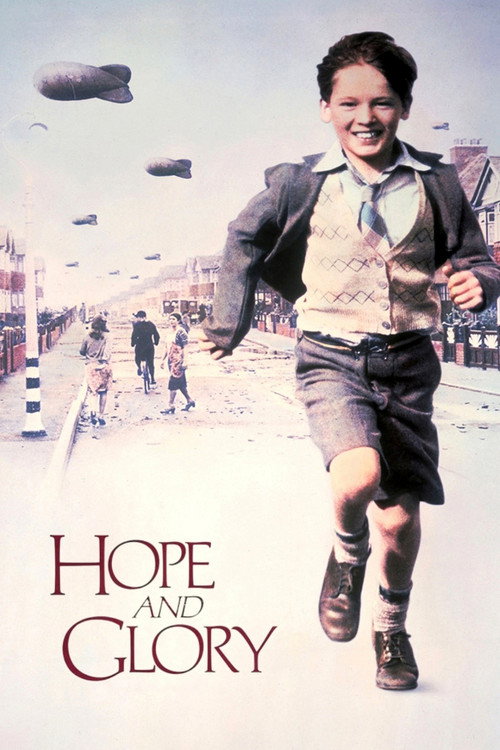
Hope and Glory1987
Another child's-eye view of the same war, but British, funnier, and startlingly honest about how thrilling war can look to a kid who doesn't understand what's being lost.
But Gentler and more nostalgic than Empire of the Sun — the stakes feel domestic rather than apocalyptic.
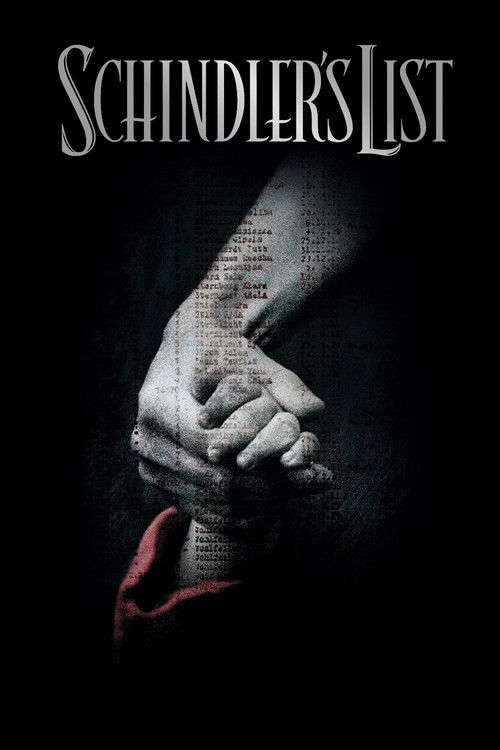
Schindler's List1993
Spielberg's other WWII masterpiece, and the one everyone means when they say he can do devastating. Same director, same eye, far heavier subject.
But Three and a quarter hours of concentrated horror — not a casual watch, and rightly so.
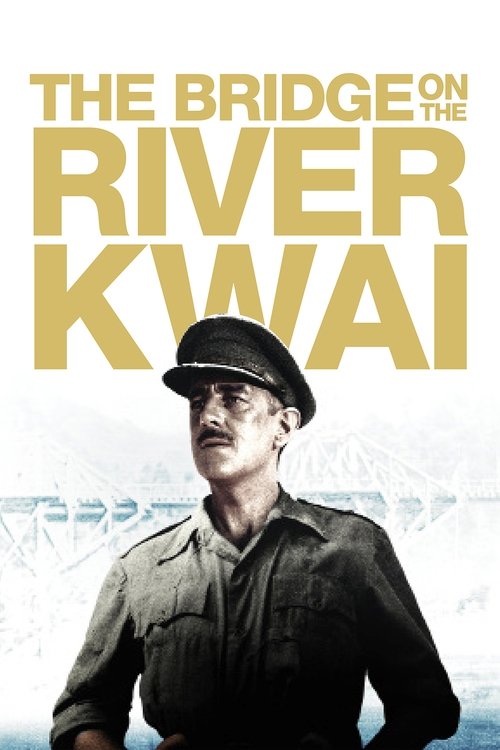
The Bridge on the River Kwai1957
The prison-camp epic that set the template — obsession, pride, and moral compromise among captives, shot with the same widescreen grandeur.
But Cooler and more theatrical; it's interested in ideas about duty more than a child's psychological unraveling.
The wildcard
Something you would not have found on your own.
Merry Christmas, Mr. Lawrence1983no page yet
It's the mirror image of Empire's setup — a WWII Pacific prison camp story — but seen through Japanese eyes, with the same fascination with what captivity does to identity and desire.
Same war, same region, same genre of captor-and-captive intimacy — but told from inside a Japanese POW camp, with David Bowie as the doomed, magnetic prisoner. Strange, homoerotic, unforgettable.
But Far more elliptical and theatrical than Empire; it withholds explanation where Spielberg spells things out.
More like this (8)
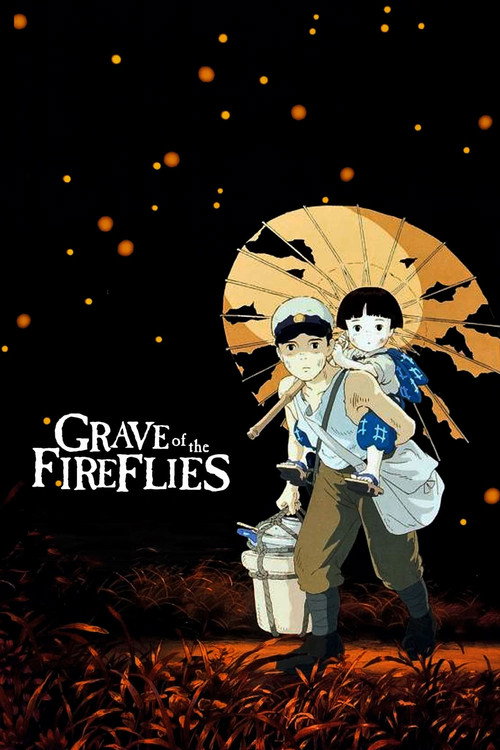
Grave of the Fireflies1988
Animated, Japanese, and unbearably tender — a brother and sister trying to survive firebombed Kobe. If Empire's child's-eye view moved you, this will flatten you.
But It is genuinely one of the saddest films ever made. Know that going in.
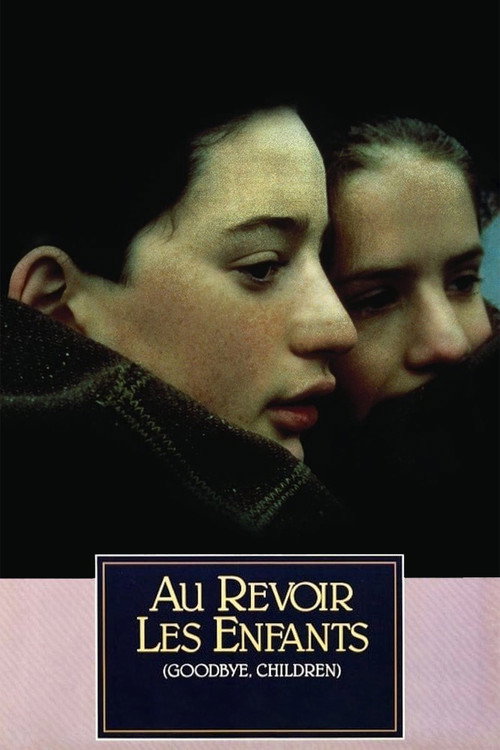
Au Revoir les Enfants1987
French boarding-school boys during the Occupation, friendship curdling under the weight of history they can't fully grasp — quiet, precise, devastating in its final minutes.
But Understated where Empire is operatic; patience required for its slow, watchful pace.
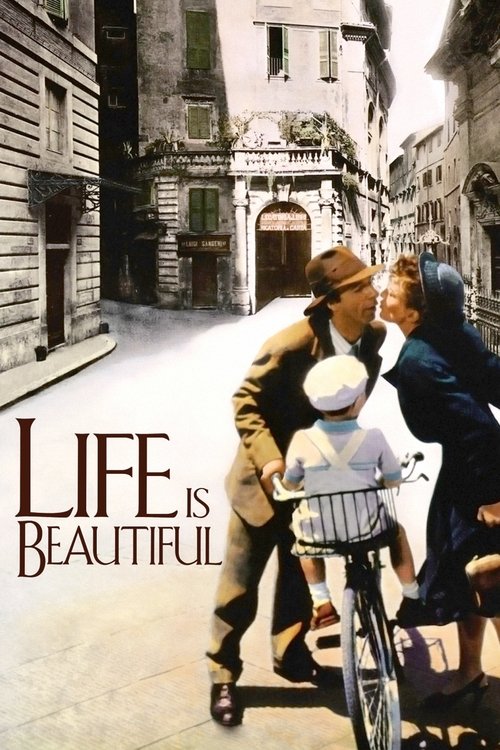
Life Is Beautiful1997
A father's desperate, playful fictions to shield his son from a concentration camp's reality — the same idea that children survive atrocity by not fully understanding it, pushed to its limit.
But The tonal swing from comedy to horror is a gamble some viewers find manipulative rather than moving.
King Rat1965no page yet
A Japanese POW camp stripped of sentiment — George Segal's black-market hustler thrives while others starve, a bleaker cousin to Basie's opportunism.
But Cynical almost to the point of nihilism; there's little of the wonder Empire allows its young hero.
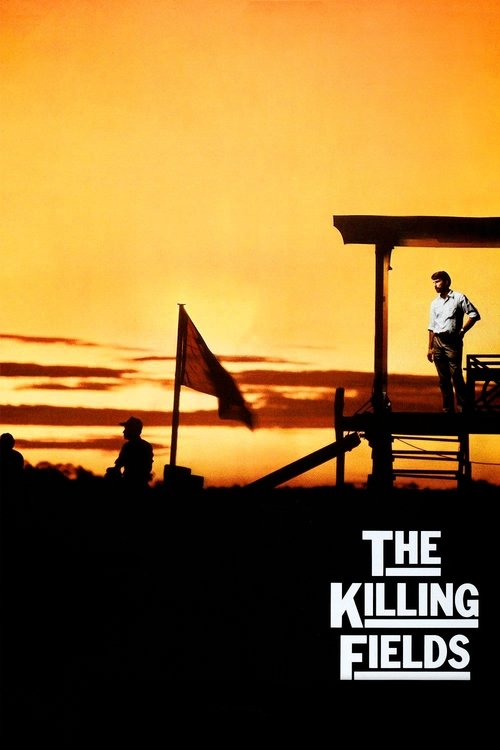
The Killing Fields1984
A different war, a different continent, but the same terror of a civilian caught in a collapsing world and the friendships that keep him human inside it.
But Grimmer and more journalistic — this is Cambodia's genocide, not a coming-of-age story.
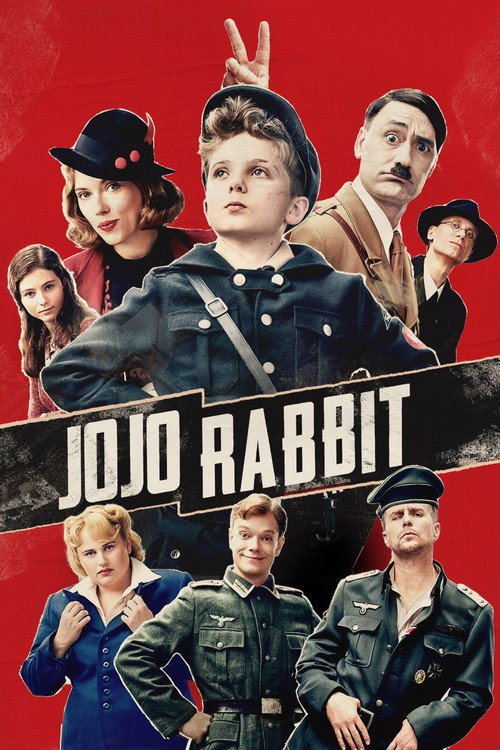
Jojo Rabbit2019
A boy's fantastical, self-deceiving relationship to a monstrous regime, played for satire instead of awe — the flip side of a child adapting to horror by reframing it.
But Broad and cartoonish by design; some will find the Nazi-comedy conceit too cute for the subject.
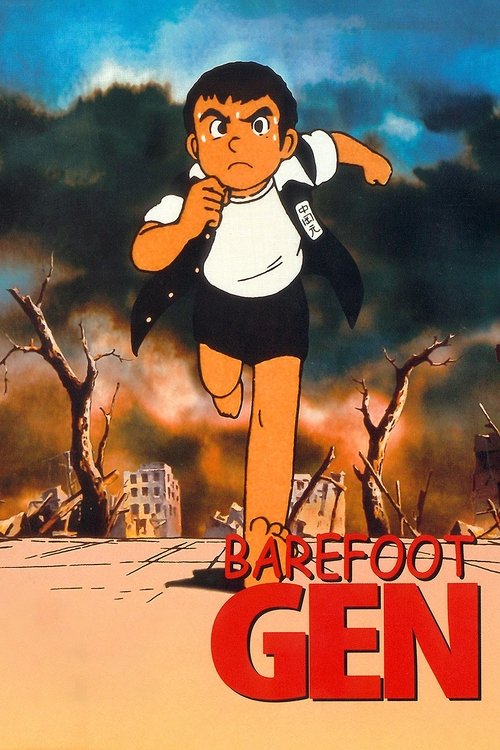
Barefoot Gen1983
It flips Empire's perspective entirely: a child protagonist enduring WWII's devastation, but Japanese rather than Western, and delivered in a completely different medium — animation instead of Spielbergian spectacle.
An animated Japanese film about a child surviving the Hiroshima bombing — the same premise of a boy adapting to annihilation, but from the other side of the war, and rendered in unflinching, hand-drawn detail.
But Its animation makes some of the atomic-bomb imagery even harder to look at than live action would be — this is not for the faint-hearted.
Crash1996no page yet
Same author, wildly different genre — Ballard's real Shanghai captivity became Empire's source novel, and Crash shows the same detached, dissociative fascination with catastrophe reappearing in his later, stranger fiction.
Written by J.G. Ballard, whose own childhood in a Japanese internment camp inspired Empire of the Sun — this is what his imagination did with trauma decades later: cars, sex, and metal fused into something clinical and disturbing.
But Deliberately cold, sexually explicit, and built to alienate — this is Ballard's darkest register, nothing like a coming-of-age war film.
People
Cast
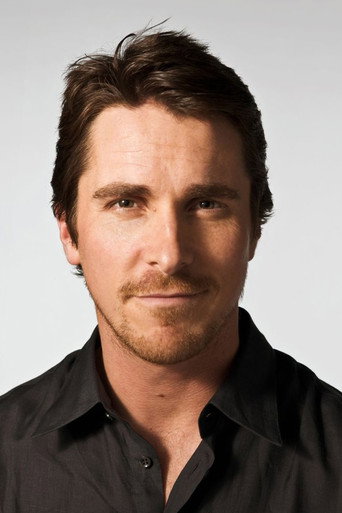
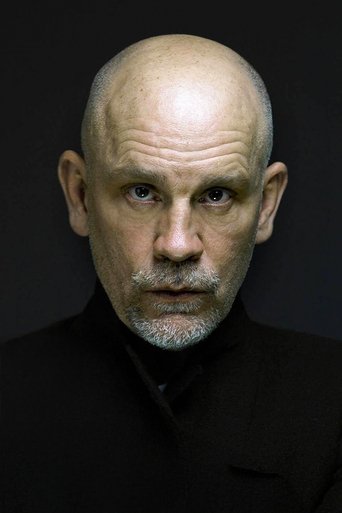 John MalkovichBasie
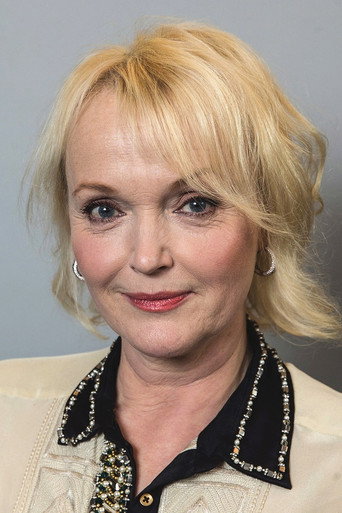 Miranda RichardsonMrs. Victor
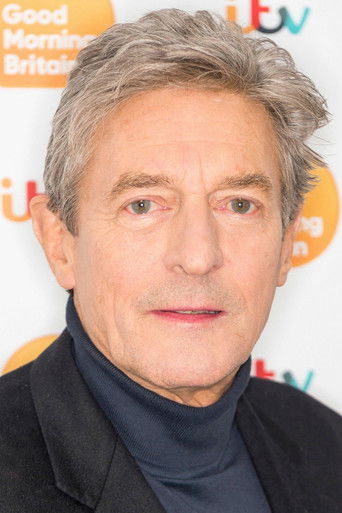 Nigel HaversDr. Rawlins
 Joe PantolianoFrank Demarest
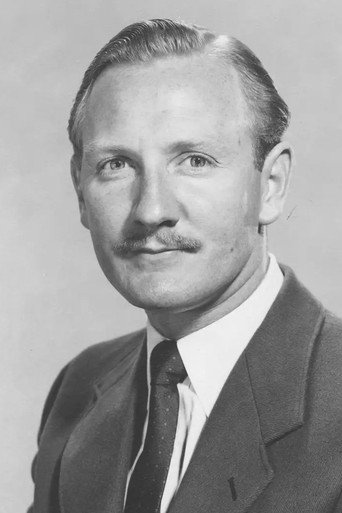 Leslie PhillipsMaxton
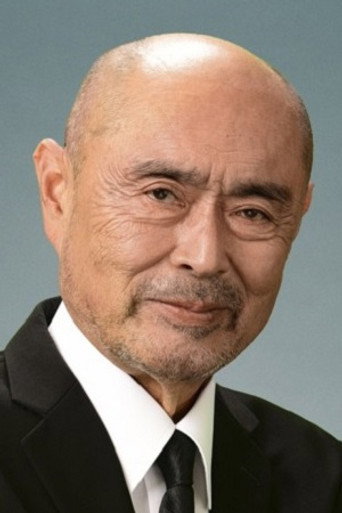 Masatô IbuSgt. Nagata
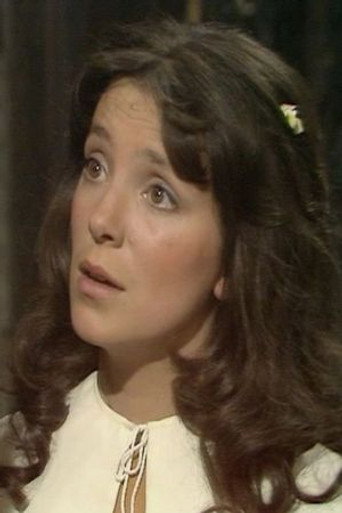 Emily RichardJim's Mother
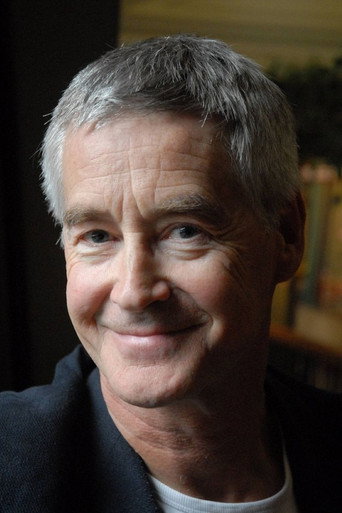 Rupert FrazerJim's Father
- Peter GaleMr. Victor
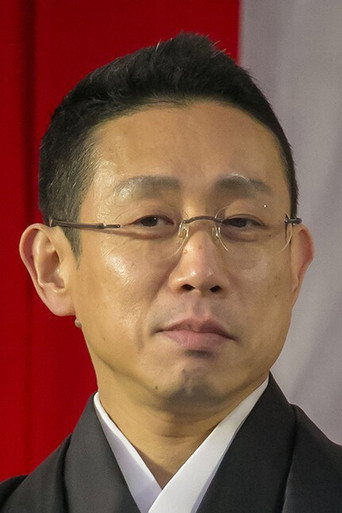 Takatarô KataokaKamikaze Boy Pilot
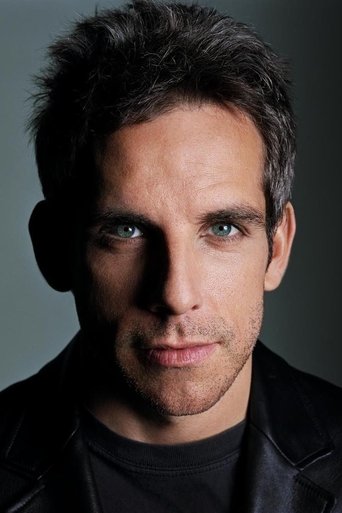 Ben StillerDainty
Directing
- Nik KordaAssistant Director
- Steve HardingAssistant Director
- Steven SpielbergDirector
- David TomblinFirst Assistant Director
- Roy ButtonSecond Assistant Director
- Ken ShaneThird Assistant Director
- Tim LewisThird Assistant Director
Writing
- J.G. BallardNovel
- Tom StoppardScreenplay
Production
- Robert ShapiroExecutive Producer
- Frank MarshallProducer
- Kathleen KennedyProducer
- Steven SpielbergProducer
Recommended by
Jojo Rabbit, Grave of the Fireflies, Au Revoir les Enfants, Come and See, The Boy in the Striped Pyjamas, Burnt by the Sun, Hope and Glory, Ivan's Childhood, Forbidden Games, Germany, Year Zero, The Fabelmans