
Film
The Eight Hundred
A 2020 Chinese war film depicting the true 1937 siege of a Shanghai warehouse where 800 soldiers held off overwhelming Japanese forces. Visually stunning, character-driven, and intimate despite its scale—a humanist epic about ordinary men finding courage under impossible odds. For anyone drawn to survival stories and military history.
If you liked this
Come and See1985
Devastating Soviet war film that, like The Eight Hundred, strips away heroics to show the psychological and physical toll of combat on ordinary soldiers caught in overwhelming circumstances.
But Brutally bleak and difficult to watch. Its unflinching depiction of violence and suffering is not cathartic—it's meant to wound.

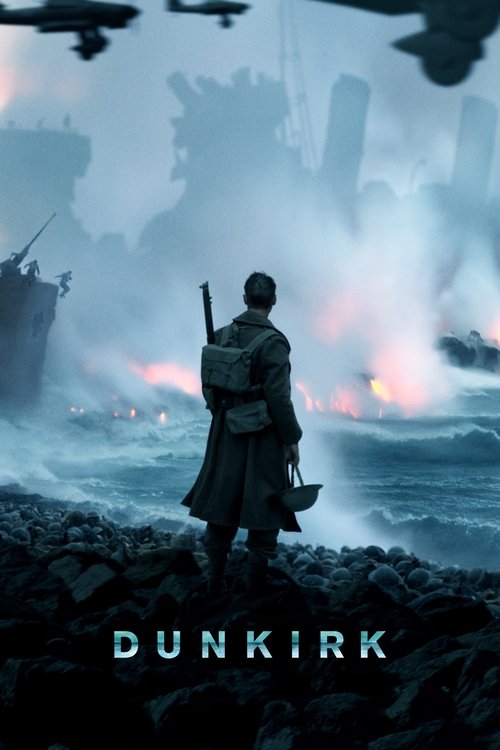
Dunkirk2017
Nolan's tense, technically brilliant account of soldiers pinned down, vastly outnumbered, fighting for survival and escape. Shares the claustrophobic intensity and focus on small units under siege.
But Fractured timeline can feel more like a puzzle to solve than a story to feel. Some find the spectacle distances them from the human drama.
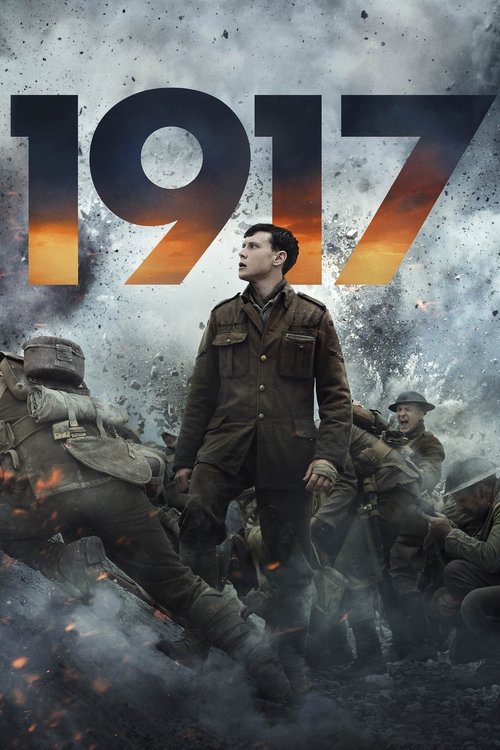
19172019
One-shot immersion in a single soldier's journey through a hellscape of trenches and ruin. Like The Eight Hundred, it refuses to look away from the ground-level horror of war.
But The technical gimmick can feel more important than character. Long stretches of walking through devastation may feel repetitive to some viewers.
Not sure tonight? Get a pick in a minute, starting from The Eight Hundred
The wildcard
Something you would not have found on your own.
Bicycle Thieves1948
Both trap ordinary men in impossible circumstances and ask what dignity and choice mean when everything external is arrayed against you. One uses war, one uses poverty—same question.
Neorealist masterpiece: a father searches Rome for his stolen bicycle. Same structural DNA as The Eight Hundred—ordinary, un-heroic characters trapped by circumstances larger than themselves, finding meaning through dignity and persistence. No violence, but the existential siege is just as real.
But Defiantly unglamorous and slow. Nothing explodes; it's about poverty and bureaucracy and small humiliations. Some will find it almost aggressively quiet.

More like this (7)
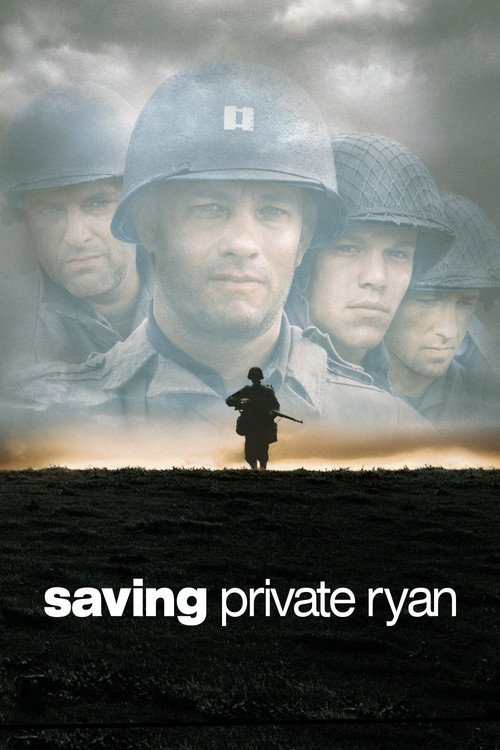
Saving Private Ryan1998
The benchmark for realistic combat filmmaking. Opens with D-Day, then follows a small unit through France—intimate character work threaded through large-scale military narrative.
But By now, iconic and familiar. Its influence has been so thoroughly absorbed that it can feel less revelatory than it once was.
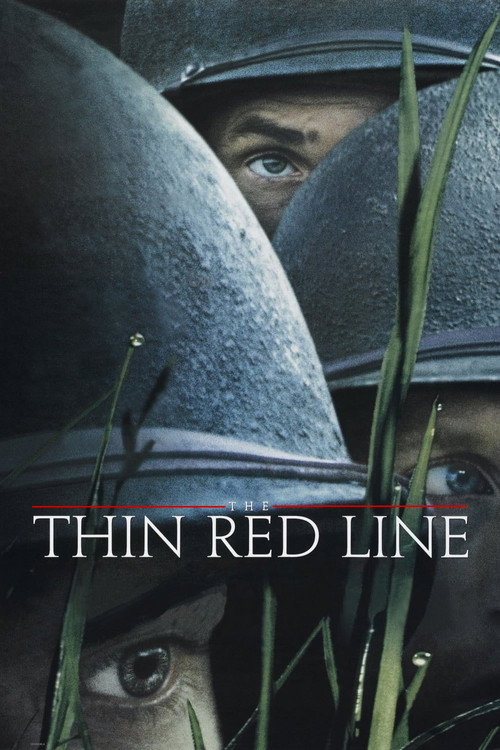
The Thin Red Line1998
Malick's philosophical meditation on combat in the Pacific. Intercuts intimate soldier moments with devastating battle sequences and questions about meaning under fire.
But Deliberately paced and abstract—heavy on voice-over philosophy. If you want clarity and momentum, this will frustrate you.
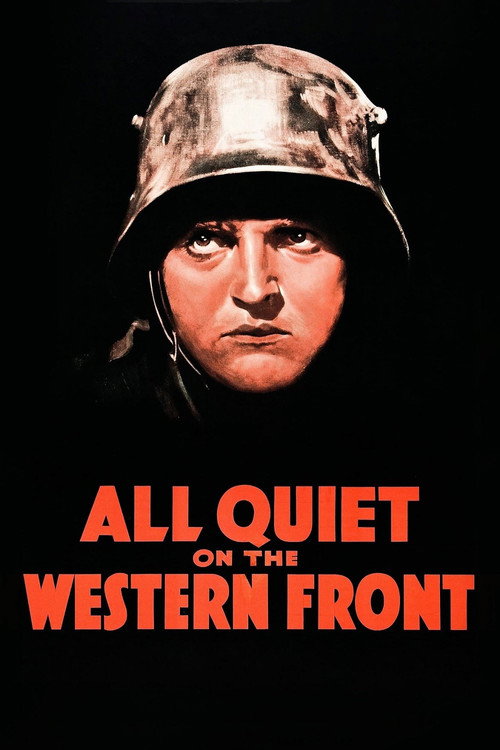
All Quiet on the Western Front1930
The granddaddy of war realism. German soldiers on the First World War front—same DNA as The Eight Hundred: ordinary boys becoming broken men, bureaucracy behind the lines, camaraderie as survival tool.
But Nearly a century old and shot in an earlier cinematic grammar. The pacing is deliberate in ways modern audiences sometimes find slow.
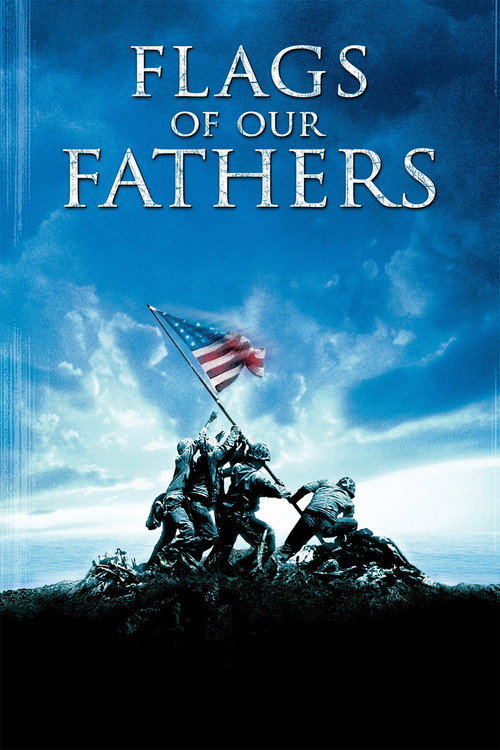
Flags of Our Fathers2006
Eastwood's dual narrative: the battle for Iwo Jima intercut with the sold story of the survivors. Explores how war is remembered and mythologized versus how it was actually lived.
But The two-timeline structure can feel didactic. Some scenes in the domestic narrative feel dramatically weightless compared to the combat sequences.
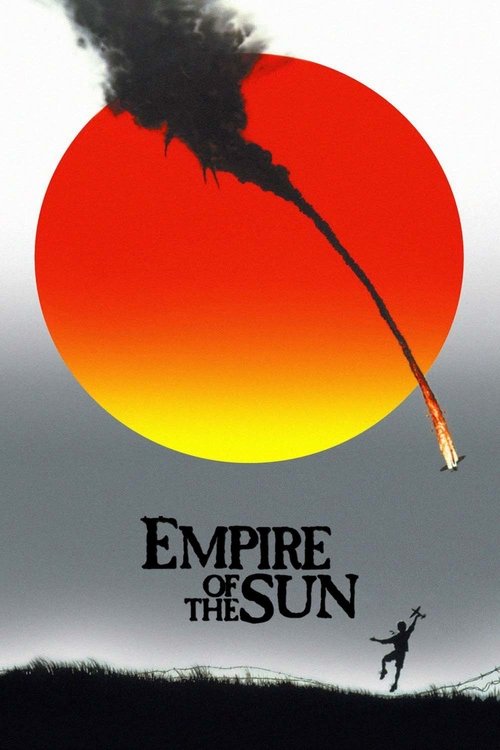
Empire of the Sun1987
Spielberg's sweeping, elegiac account of a boy separated from his family during Japan's occupation of Shanghai—the same city and era as The Eight Hundred, but from the civilian perspective.
But Occasionally slips into sentimentality. The tonal shifts between wonder and horror don't always land smoothly for every viewer.
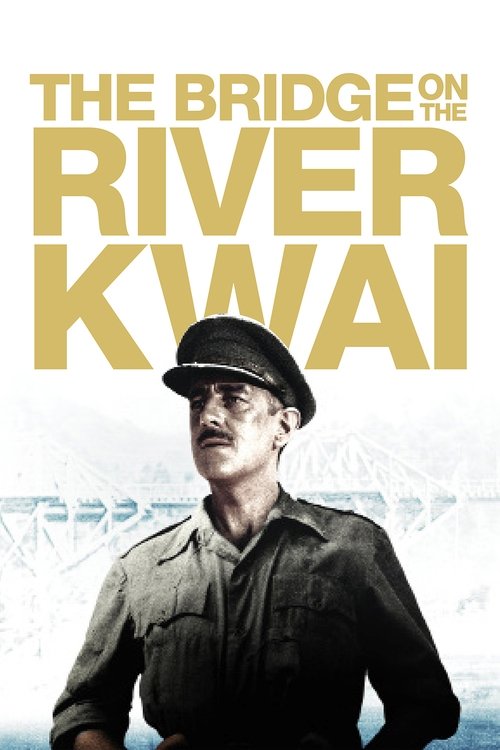
The Bridge on the River Kwai1957
British and Australian soldiers imprisoned by the Japanese build a bridge under duress. Questions duty, pride, and madness; explores how men sustain dignity and bond under siege conditions.
But Three-and-a-half hours, and the middle passages move slowly. The final act feels somewhat at odds with the intimate character study that precedes it.
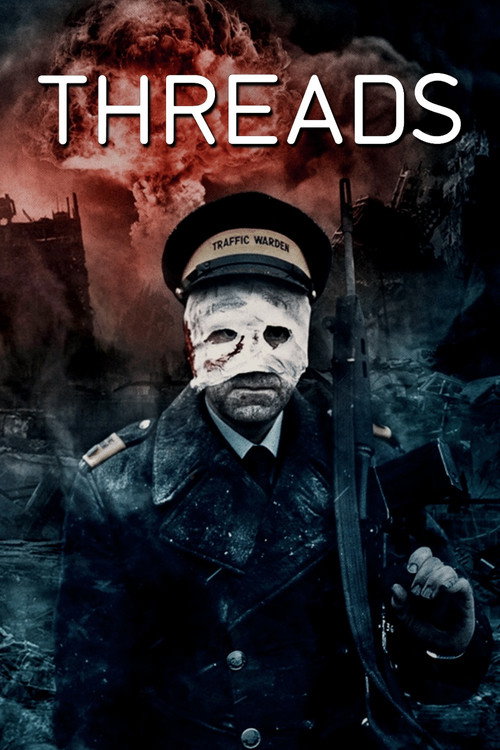
Threads1984
Both are about ordinary people trapped in catastrophe too large to fight, sustaining bonds of kinship as the only counter to annihilation. The Eight Hundred offers catharsis; Threads denies it entirely—same structure, opposite faith.
British nuclear-war docudrama. Follows ordinary people in Sheffield as thermonuclear exchange unfolds. Like The Eight Hundred, it's a siege film—but the siege never ends and rescue never comes. Unforgettable in its refusal to look away.
But Profoundly, mercilessly dark. It ends in slow-motion nuclear winter, not victory or survival. Made as agitprop; some find that didacticism heavy-handed. Genuinely traumatic viewing.
People
Cast
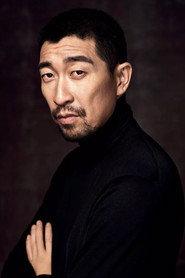 Wang QianyuanYang Guai
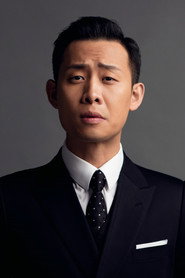 Zhang YiOld Abacus
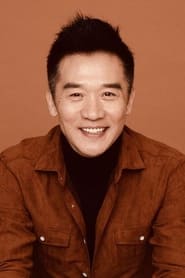 Huang ZhizhongLao Hulu
 Jiang WuLao Tie
 Ou HaoDuan Wu
 Du ChunLieutenant Colonel Xie Jinyuan
 Vision WeiZhu Shengzhong
 Tang YixinYang Huimin
 Li JiuxiaoDao Zi
 Jerry LeeQi Jiaming
 Liang JingProfessor's Wife
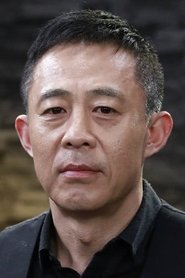 Hou YongProfessor
Directing
- Fu XiaojieAction Director
- Leo ChenAssistant Director
- Guan HuDirector
Writing
- Guan HuWriter
- Zhang XiaobeiWriter
- Zhao DonglingWriter
- Zhao NingyuWriter
- Ge RuiWriters' Production
Production
- Liu QiongfangCo-Producer
- Yu LiangCo-Producer
- Zeng YingxueCo-Producer
- Zhang SiyangCo-Producer
- Zhu WenjiuProducer
Recommended by
Mulan, The Legend of Fei, Oxyana, Made in Hong Kong, A Dream of Splendor, Throw Down