
Film
City of Life and Death
- Drama
- Very dark
Lu Chuan's unflinching account of the 1937 Nanking Massacre presents the atrocity without sentimentality, following Chinese soldiers, civilians, and Japanese perpetrators through six weeks of systematic horror. Shot in stark black-and-white, it treats its subject with documentary precision and moral clarity. Essential viewing for anyone reckoning with WWII's Pacific theatre, but demands emotional stamina.
Should you watch it?
Watch it if you want history told through ordinary people caught in a catastrophe, and can stomach unflinching, carefully composed brutality in return for a serious account of Nanjing.
Skip it if you need a clear dramatic spine or some relief, since it moves through a run of harrowing episodes and its black-and-white austerity over 132 minutes can feel punishing.
What it asks of you: Roughly two hours and twelve minutes of sustained attention, with long, unhurried takes and very little respite, so it demands patience as much as nerve.
Not sure? Find tonight's pick in a minute.
If you liked this
Come and See1985
Elem Klimov's Soviet masterpiece depicts the Nazi invasion of Belarus through a boy's eyes, achieving similar moral devastation as City of Life and Death. Both refuse to look away from industrialised killing or its human cost.
But Relentlessly brutal and despairing. The film does not offer catharsis or redemption, only witness.

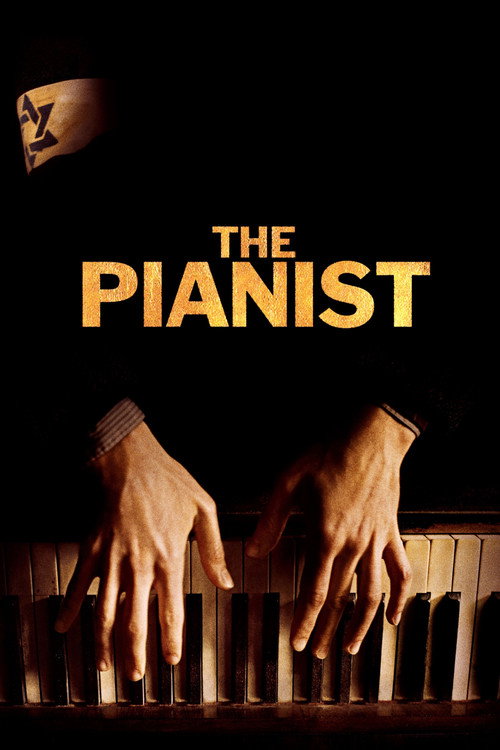
The Pianist2002
Roman Polanski's account of survival in Warsaw mirrors Chuan's focus on individual humanity amid systematic genocide. Both balance personal stories with historical scale, neither exploiting nor diminishing the suffering.
But Emotional weight is considerable. The pacing is deliberate and can feel slow if you're seeking conventional drama.
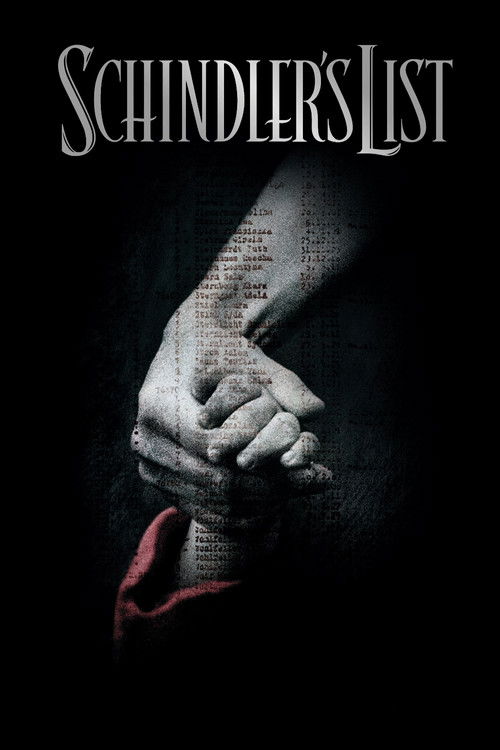
Schindler's List1993
Spielberg's Holocaust epic shares City of Life and Death's commitment to historical documentation and moral seriousness. Both centre ordinary people in extraordinary circumstances and examine complicity and resistance.
But Lengthy and heavy. The film's fame can obscure how genuinely difficult its subject matter is.
Not sure tonight? Get a pick in a minute, starting from City of Life and Death
The wildcard
Something you would not have found on your own.
Harakiri1962
Both use formal aesthetics—black-and-white cinematography, geometric composition, deliberate pacing—to create moral distance that paradoxically deepens emotional impact. Both are accusations dressed as cinema.
Masaki Kobayashi's samurai masterpiece isn't about WWII, yet it deconstructs the militaristic honour culture that enabled it. The film's formal precision and moral rage mirror Chuan's own method: structure as argument, every shot a statement.
But Slow-burn chamber drama in black-and-white. Samurai film conventions may feel distant from Nanking's immediate horror, requiring patience to see the connection.

More like this (8)
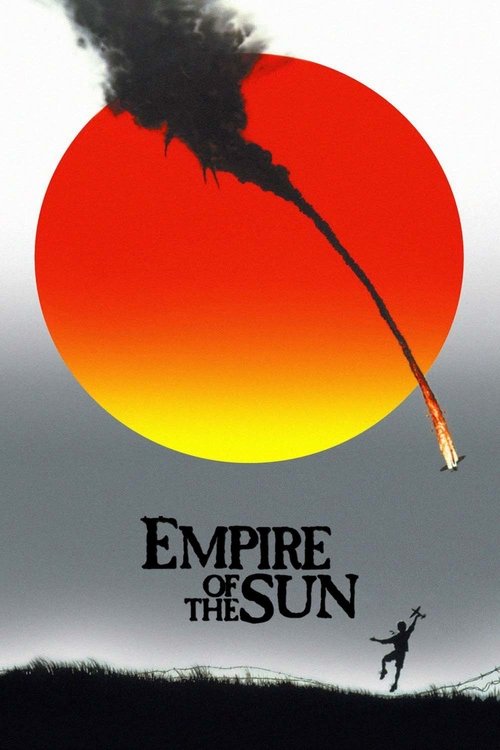
Empire of the Sun1987
Spielberg's lesser-known WWII film follows a British boy through Japanese occupation in Shanghai, offering a parallel perspective on the Pacific War. It shares the child's-eye view of atrocity without diminishing its scope or severity.
But The film's visual beauty can feel at odds with its subject, and some find its narrative arc too redemptive for such material.
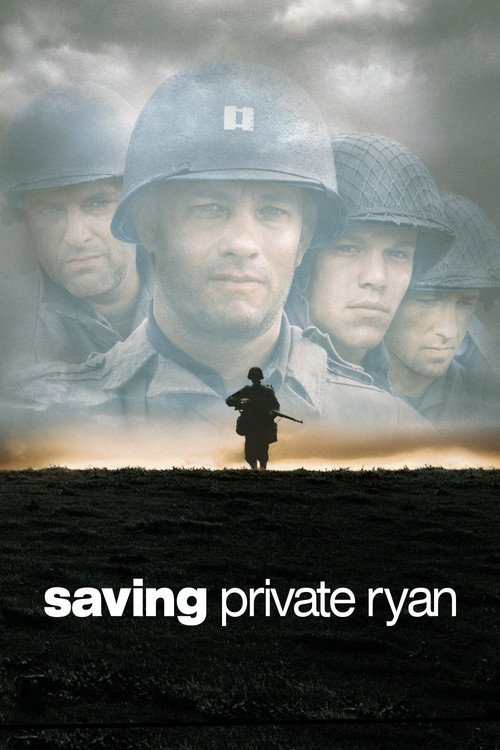
Saving Private Ryan1998
The D-Day sequences set a standard for unflinching war depiction. Like City of Life and Death, it prioritises sensory accuracy and moral weight over comfortable narratives about heroism.
But Extremely graphic combat violence. The film's later sections shift in tone in ways some find jarring.
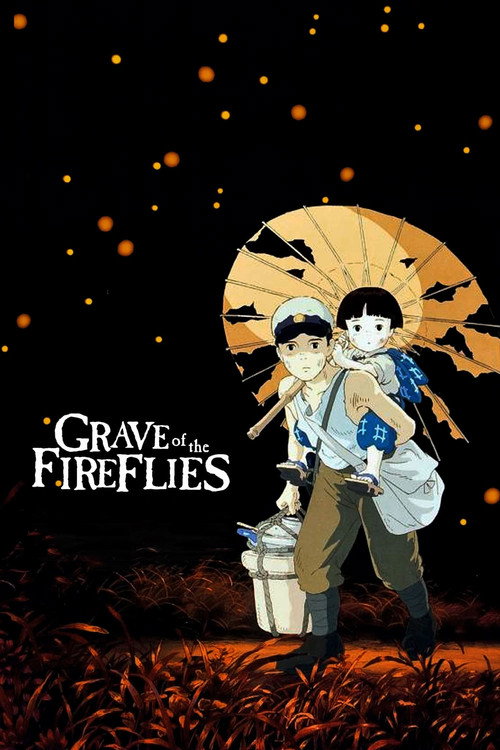
Grave of the Fireflies1988
Studio Ghibli's animated meditation on Japanese civilians during firebombing campaigns offers an unexpected counterpoint to Nanking from inside Japan. Both demand you see humanity in those your country calls enemy.
But Animation can make audiences underestimate how devastating this is. It's devastatingly sad in ways that sneak up on you.
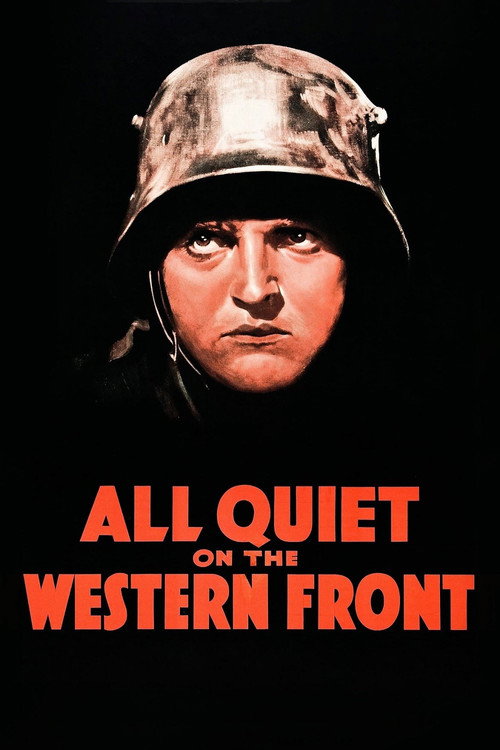
All Quiet on the Western Front1930
The original sound version remains extraordinarily moving about industrial warfare's human cost. Both this and City of Life and Death strip away myth-making to show what killing actually does to people.
But Dated filmmaking can distance modern viewers. The pacing reflects 1930s cinema, not contemporary editing.
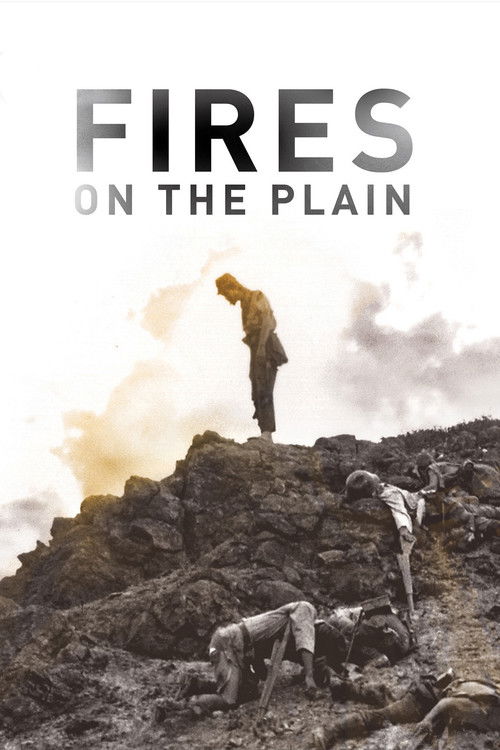
Fires on the Plain1959
Masaki Kobayashi's Japanese film about soldiers starving on a Pacific island shows the war's cruelty from inside the Imperial Army. A necessary counterweight examining Japanese suffering and moral breakdown.
But Obscure, visually stark, and morally bleak. It offers no comfortable viewing experience and some find its extreme nihilism punishing.
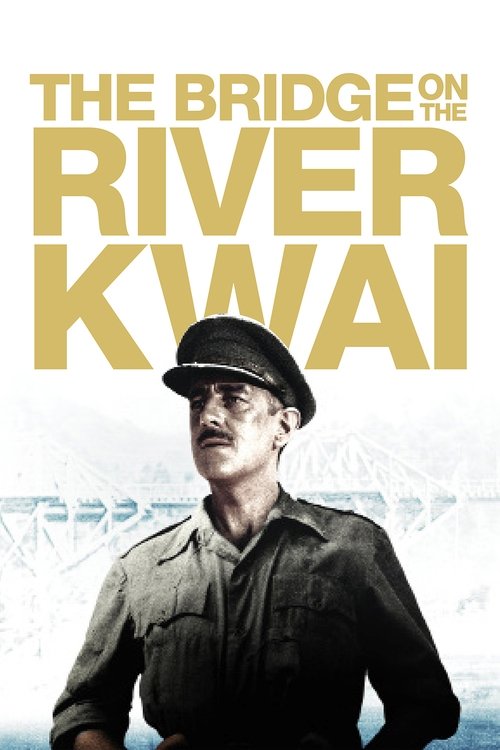
The Bridge on the River Kwai1957
Lean's POW camp drama explores complicity and moral compromise under occupation. It shares Chuan's interest in how ordinary people navigate impossible ethical terrain under duress.
But A more conventional narrative with clearer dramatic arcs. Those seeking City of Life and Death's documentary precision may find it feels too much like cinema.
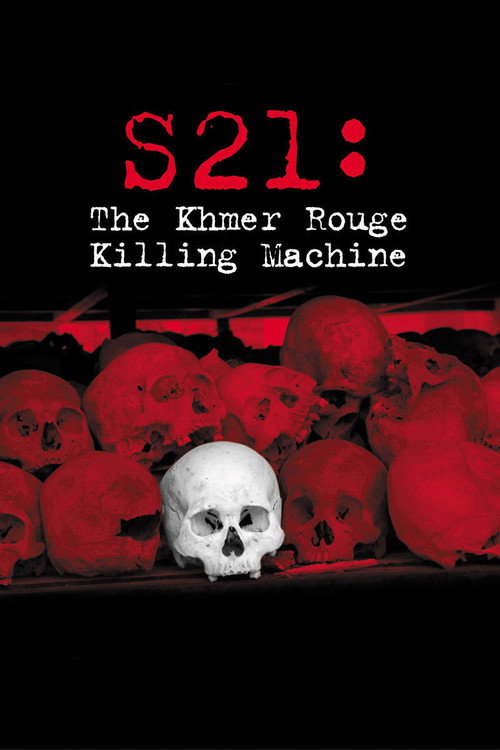
S21: The Khmer Rouge Killing Machine2003
Both examine the machinery of genocide through individuals: the perpetrators, survivors, and those caught between. Both argue that understanding how this happened requires looking at the people, not just the numbers.
Rithy Panh's documentary returns to the actual site of Cambodian genocide with the torturer and tortured in the same room. Like City of Life and Death, it refuses abstraction; it makes you sit with the unbearable fact of ordinary people committing atrocity.
But Genuinely hard to watch. The interviews are confrontational and there's no narrative frame to distance yourself from complicity.
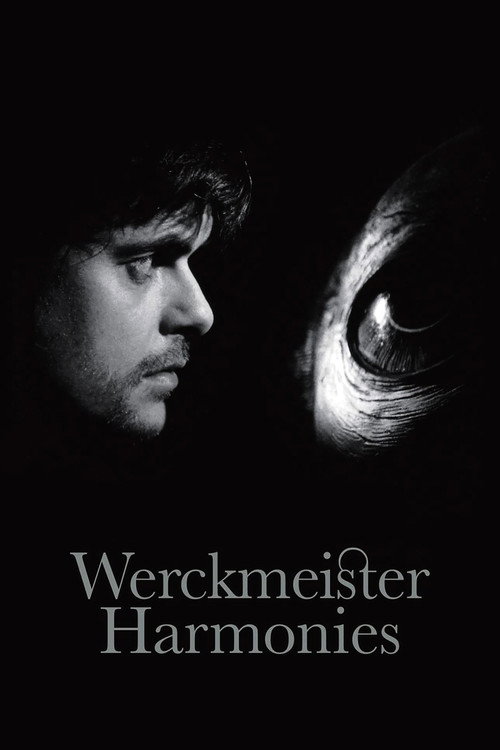
Werckmeister Harmonies2001
Both depict the moment a society tips into barbarism. Werckmeister uses metaphor; City of Life and Death uses documentary precision. Both argue the same thing: this can happen anywhere, to anyone, because ordinary people allow it.
Béla Tarr's Hungarian film about a whale's arrival in a provincial town seems entirely unrelated until you recognise it as an allegory about fascism's seduction and collective madness. It captures ideological corruption through metaphor in ways City of Life and Death approaches directly.
But Oblique to the point of obscurity. Three-hour black-and-white film with minimal plot; you must surrender to its rhythm or abandon it immediately.
People
Cast
 Liu YeLu Jianxiong
 Gao YuanyuanMiss Jiang
 Hideo NakaizumiKadokawa
 John PaisleyJohn Rabe
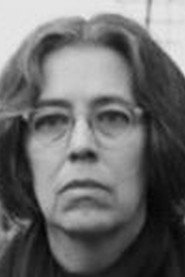 Beverly PeckousMinnie Vautrin
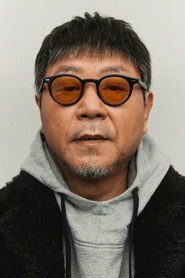 Fan WeiMr. Tang
 Qin LanMrs. Tang
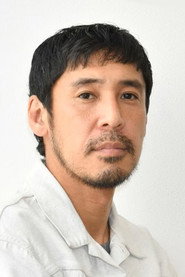 Ryu KohataOfficer Osamu Ida
 Jiang Yiyan'Xiao Jiang' Jiang Xiangjun
 Yao Di'May' Zhou Xiaomei
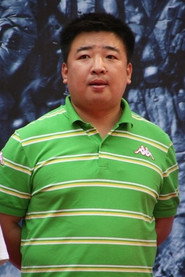 Yisui ZhaoShunzi
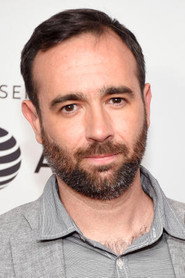 Sam VoutasDurdin
Directing
- Lu ChuanDirector
- Junichi KajiokaScript Supervisor
Writing
- Lu ChuanWriter
Production
- Isabelle GlachantAssociate Producer
- Steffen WildConsulting Producer
- Andy ZhangProducer
- Du YangProducer
- Han SanpingProducer
- John ChongProducer
- Li ZhouProducer
- Qin HongProducer