
Film
The Dawn Patrol
Other titles called The Dawn Patrol: the 1938 film.
A World War I aviation drama where a hotshot pilot becomes squadron commander and discovers the crushing weight of ordering men to their deaths. Sharp, tense, and deeply concerned with the moral cost of command rather than glorifying combat. For anyone interested in how war films used to think about duty, sacrifice, and the distance between those who decide and those who die.
Should you watch it?
Watch it if you relish stiff-upper-lip war stories where the real drama is quiet friction between men in a shared mess, and you don't need modern spectacle to feel it.
Skip it if the dialogue and acting belong to an early sound era, with stagey delivery and creaky pacing, and the aerial combat, while vivid, will feel dated next to modern war films.
What it asks of you: Expect a long, talk-heavy run of about 108 minutes between flights, with a sober, deliberate mood that lets the grim stretches sit.
Not sure? Find tonight's pick in a minute.
If you liked this
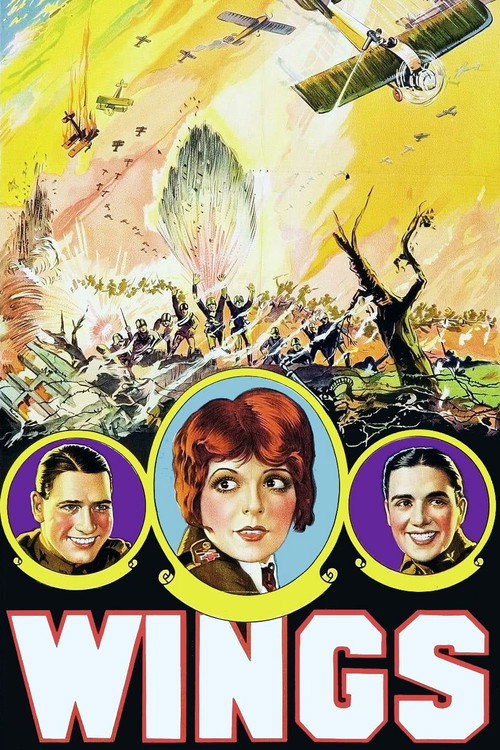
Wings1927
The silent aviation epic that defined the genre. Spectacular dogfight sequences, genuine emotion, and a clear-eyed view of what aerial combat actually cost young men. This is where it all began.
But Silent films require patience, and the pacing—especially in quieter scenes—feels leisurely by modern standards. The intertitles interrupt rhythm.
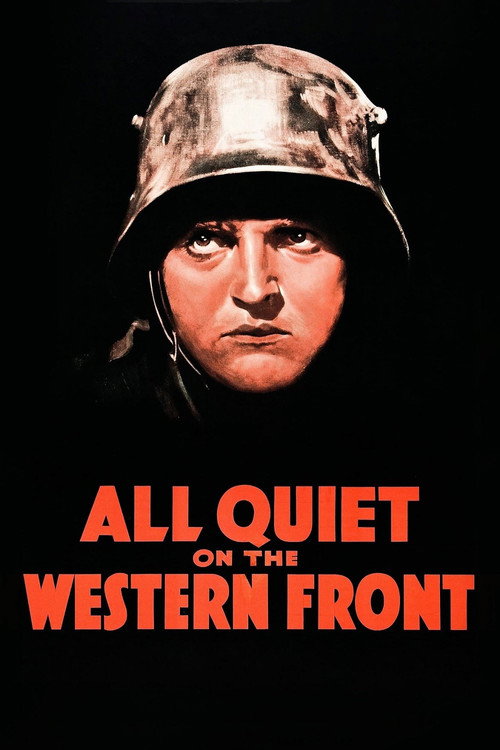
All Quiet on the Western Front1930
Released the same year, this German film grapples with the same moral questions from the enlisted man's perspective. Raw, unflinching, and it won Best Picture. A conversation partner with Dawn Patrol rather than a duplicate.
But Bleak and exhausting. It ends where it ends, and there's no softening the impact. Some scenes of violence are quite graphic for the era.
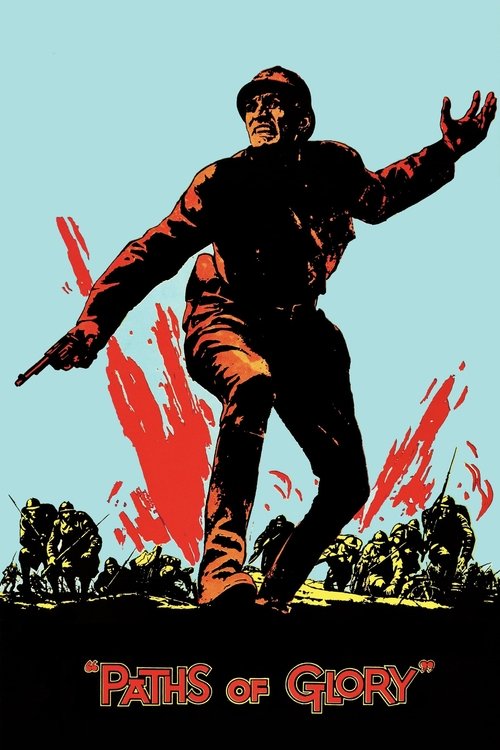
Paths of Glory1957
Kubrick's masterpiece about WWI command, politics, and the machinery that devours soldiers. Watches like a cold logical extension of the moral questions Dawn Patrol raises. Perfectly calibrated.
But Slow and theatrical in places. The trial sequences, however powerful, can feel static if you're expecting action cinema.
Not sure tonight? Get a pick in a minute, starting from The Dawn Patrol
The wildcard
Something you would not have found on your own.
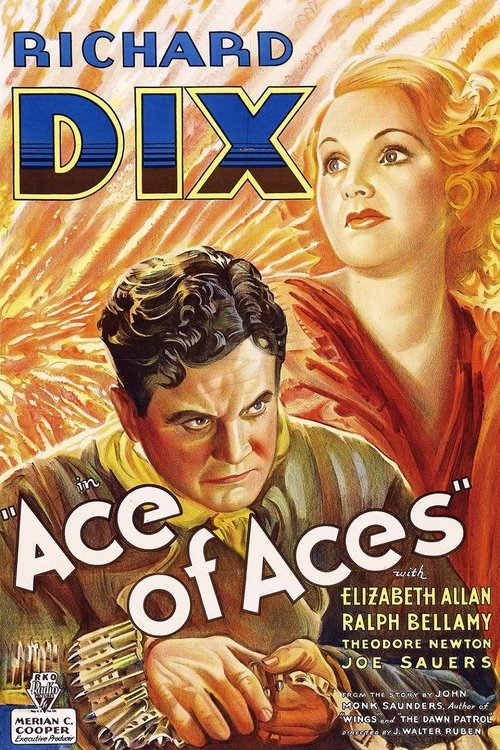
Ace of Aces1933
Both are WWI pilot films made in the early sound era wrestling with command and conscience, but Ace of Aces dives deeper into the protagonist's spiritual collapse—less noble, more honest.
Also about a WWI pilot, but made three years later—which means deeper cynicism about the war and clearer-eyed about what command really costs. Richard Dix is magnetic, and the script is sharper than you'd expect from the early '30s. Utterly forgotten, unfairly.
But The print quality is poor and the pacing stutters in places. It's also more interested in moral contradiction than narrative satisfaction, which won't appeal if you want a tidy ending.
More like this (8)
The Best Years of Our Lives1946
Wyler's three-hour epic about soldiers returning home after WWII. The war's cost isn't gunfire—it's the impossible adjustment, the invisible wounds, the men who don't come back at all. Profound without being heavy-handed.
But It's lengthy, and the opening act can feel slow. The fantasy of postwar optimism eventually gives way to harder truths, which some find depressing rather than cathartic.

Come and See1985
A Soviet film about a boy conscripted into WWII. It's the spiritual heir to every serious war film that came before it—a complete inversion of heroism. If you want to understand what war films are really about, this is essential.
But Genuinely one of the most difficult films ever made. It doesn't entertain; it testifies. Some sequences are almost unwatchable, and that's entirely intentional.

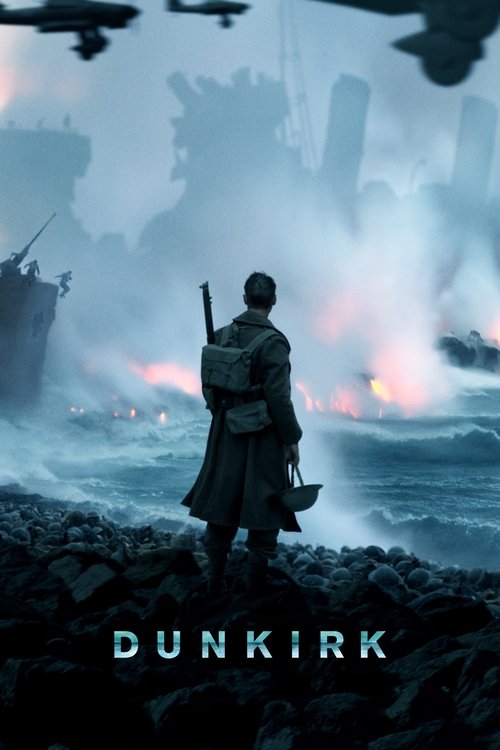
Dunkirk2017
Nolan's non-linear structure mirrors the fractured perspective of men under fire. The editing is kinetic, the sound design is punishing, and it captures the specific panic of retreat rather than the glory of advance. Modern, but ancestral.
But The overlapping timelines can confuse. Heavy on spectacle and sound, lighter on character—you're meant to *feel* chaos rather than understand anyone's interior life.
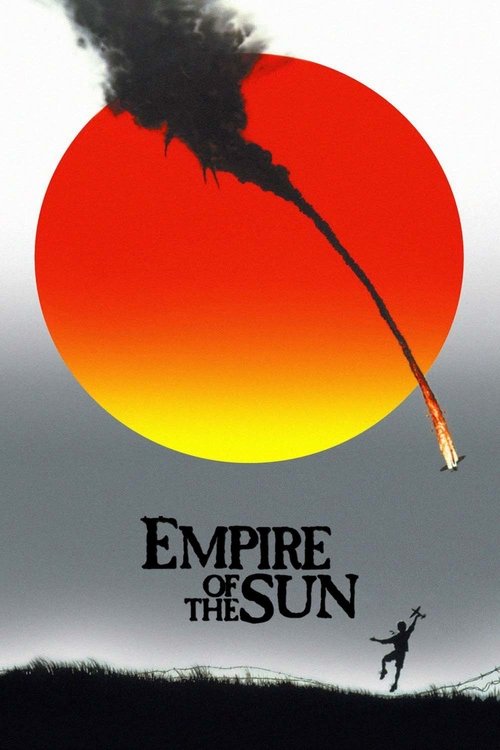
Empire of the Sun1987
Spielberg and Stoppard on a young man's coming-of-age during WWII, told without sentimentality. Beautiful cinematography, strange tonal shifts, and genuinely interested in how war breaks and remakes people.
But It's uneven. The second half doesn't match the first's intensity, and the film sometimes seems uncertain whether it's about innocence lost or something else entirely.
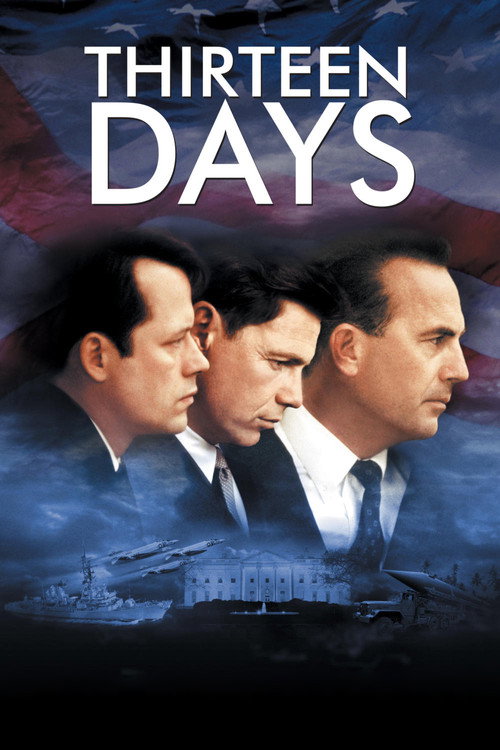
Thirteen Days2000
A different kind of war film—the Cuban Missile Crisis as a command drama. Tension builds from conversation and decision rather than combat. Explores how leaders weigh impossible choices when the stakes are civilization itself.
But Talky and interior. If you want action, you won't find it. Some of the period detail feels slightly off, and Kevin Costner's accent wavers.
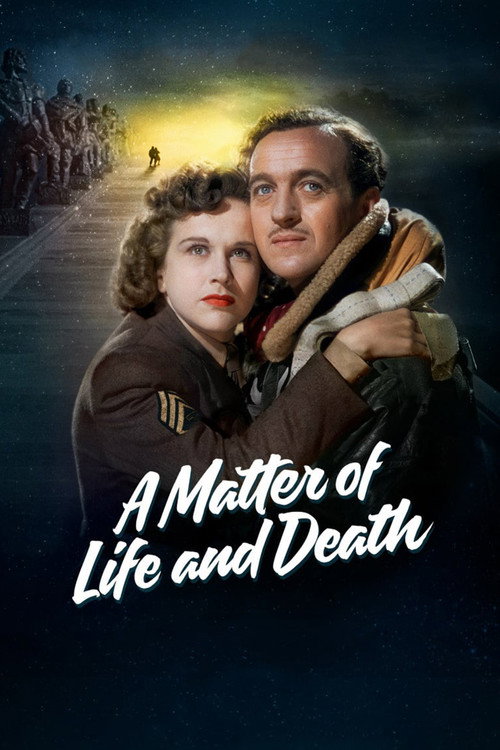
A Matter of Life and Death1946
Powell and Pressburger's vision of a RAF pilot caught between life and the afterlife. Visually inventive, philosophically ambitious, and genuinely moving. It's asking what sacrifice means and whether it matters.
But The fantasy sequences are ravishing but can feel digressive. It's a film that requires you to meet it emotionally rather than narratively, which some find frustrating.
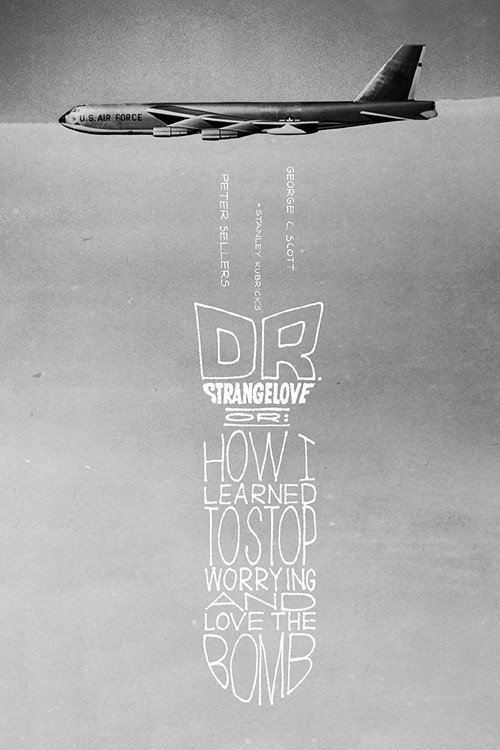
Dr. Strangelove or: How I Learned to Stop Worrying and Love the Bomb1964
Both examine the psychology of command and the gap between the man giving orders and those dying to obey them. One is tragedy; one is farce. Same engine, different register.
Kubrick's black comedy about command, obedience, and systems that grind toward annihilation. It's what happens when you take the moral questions of war cinema and remove the solemnity. Savage, brilliant, endlessly quotable.
But The humor is pitch-black and assumes you can laugh at apocalypse. If you want to feel good about humanity, this is a spectacular mistake.
The Red Shoes1948
Both films are fascinated by the moral weight of sending someone (a subordinate, a lover) toward probable destruction. Both ask whether the cause—military victory or artistic perfection—justifies the cost. Both know the answer is no, and show us anyway.
Powell and Pressburger again, but a ballet film about a dancer forced to choose between art and love, directed by someone who understands obsession and sacrifice. It has nothing to do with war, but everything to do with what it costs to command your own fate, and to watch others suffer for beauty.
But It's a dance film, which means it's operatic and stylized. The central character is not sympathetic—she's driven and cruel. And at 133 minutes, it demands patience.

People
Cast
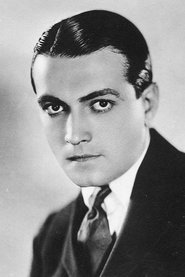 Richard BarthelmessDick Courtney
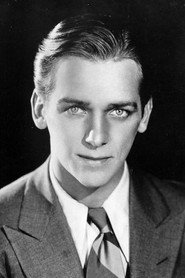 Douglas Fairbanks Jr.Douglas 'Doug' Scott
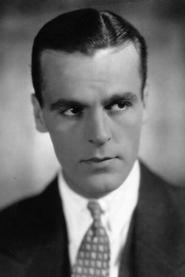 Neil HamiltonMajor Brand
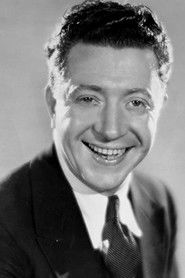 Frank McHughFlaherty
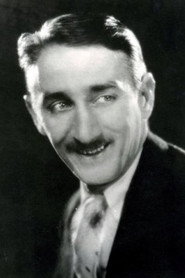 Clyde CookBott
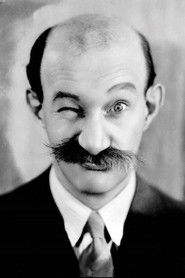 James FinlaysonField Sergeant
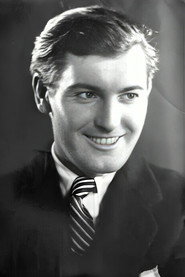 Gardner JamesRalph Hollister
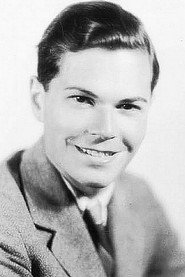 William JanneyGordon 'Donny' Scott
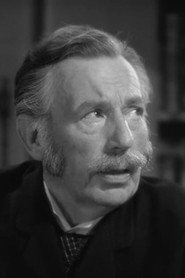 Edmund BreonLieutenant Phipps
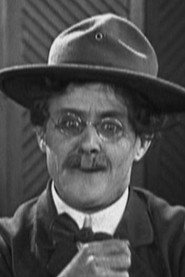 Jack AckroydAckroyd (uncredited)
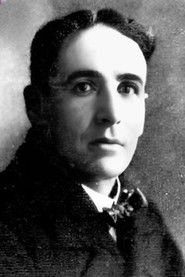 Harry AllenAllen (uncredited)
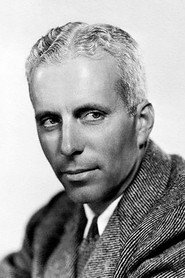 Howard HawksGerman Pilot (uncredited)
Directing
- Howard HawksDirector
Writing
- Dan TotherohAdaptation
- Howard HawksAdaptation
- Seton I. MillerAdaptation
- John Monk SaundersStory
Production
- Joe BarryLocation Manager
- Robert NorthProducer
- Joseph SteelePublicist
Recommended by
Hell's Angels, The Blue Max, The Red Baron, The Lives of a Bengal Lancer, Mosquito Squadron, Bustin' Down the Door, Von Richthofen and Brown, Ace of Aces, Captains of the Clouds, Ceiling Zero, International Squadron