
Film
Ace of Aces
A 1933 war drama about a pacifist sculptor guilted into flying combat missions in World War I. He transforms from reluctant recruit into a ruthless ace, wrestling with what the war has made him. It's earnest and claustrophobic, caught between domestic shame and the violence of the sky. For anyone interested in early aviation cinema or how wars rewire personalities.
Should you watch it?
Watch it if you are drawn to early sound-era flying pictures, where the aerial action is the main event and the characters are drawn in quick, broad strokes.
Skip it if the wartime romance and moral pressure drive much of the early going, and the old-fashioned sentiment and stiff dialogue of a 1933 picture may feel creaky to modern viewers.
What it asks of you: Seventy-six minutes, no wasted motion; it moves briskly and wants your patience for stagey 1930s acting more than your emotional investment.
Not sure? Find tonight's pick in a minute.
If you liked this
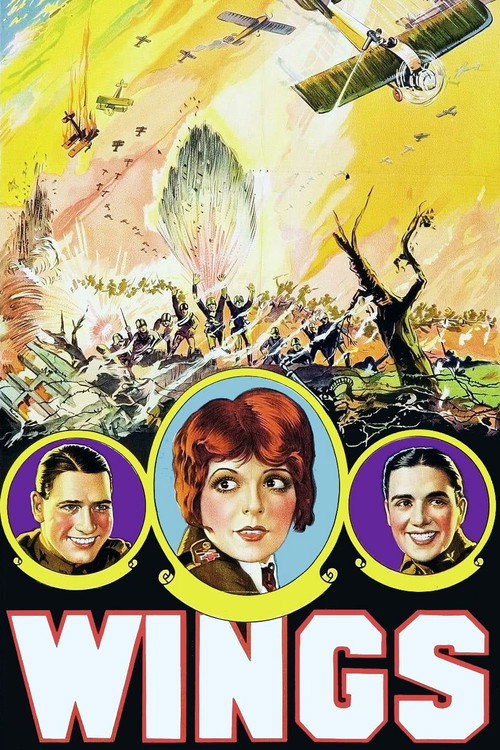
Wings1927
The definitive silent aviation epic, with aerial sequences that still astonish. Two pilots, friendship, rivalry, and the grinding cost of the Great War. Genuine awe in every frame.
But Silent film pacing feels glacial to modern viewers. The emotional beats are broad, the dialogue cards frequent. You have to meet it halfway.
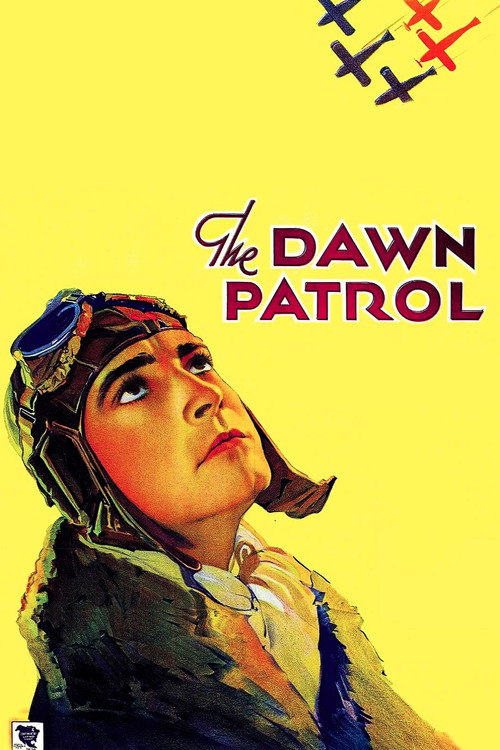
The Dawn Patrol1930
Errol Flynn and Basil Rathbone as doomed WWI pilots. The tension between orders and conscience, camaraderie and attrition. Taut, human, surprisingly bleak about military command.
But The print quality can be rough and the secondary plot meanders. It's very much a product of its era—some of the attitudes don't age well.
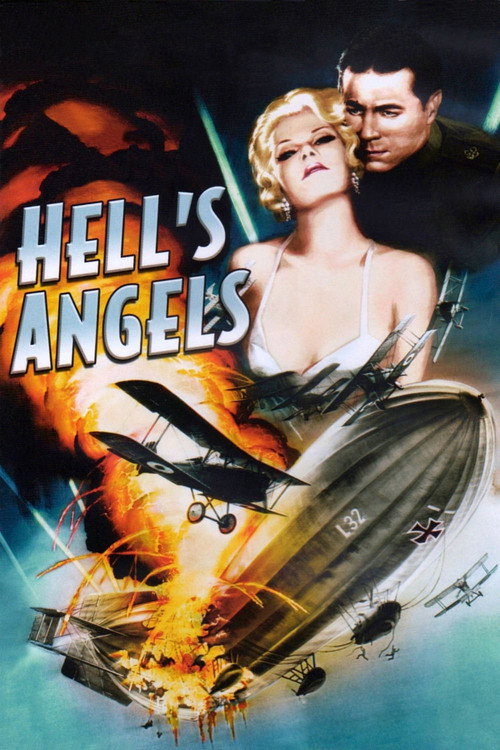
Hell's Angels1930
Howard Hughes' obsessive aerial spectacular, made for its flying sequences alone. Two brothers, a woman, and the sky. Visually stunning and genuinely thrilling in a way few '30s films manage.
But It's bloated and melodramatic. The plot stops dead for dialogue. The sound version has awful pacing compared to the silent cut, but the silent cut is hard to find.
Not sure tonight? Get a pick in a minute, starting from Ace of Aces
The wildcard
Something you would not have found on your own.
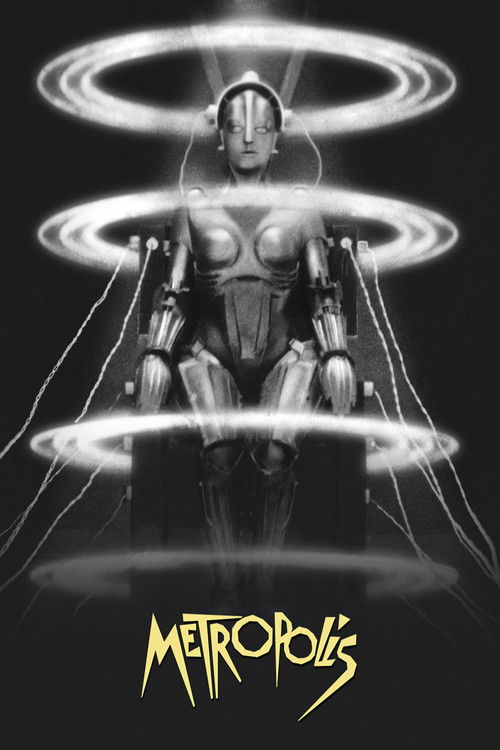
Metropolis1927
Both trace a personality's inversion through violence and coercion. Both ask what happens to your soul when systems force you to become what you despise. Metropolis just uses a city instead of a war.
Fritz Lang's 1927 masterpiece uses the same engine as Ace of Aces—a good man corrupted by his circumstances into something harder and colder. Here it's not war but power in a fascistic machine-city. Visually staggering and morally complex in ways that still sting.
But The restored version is long (145 minutes) and demands attention. It moves by silent-film logic, and the colour tinting can feel artificial. Some find the political allegory heavy-handed.
More like this (6)
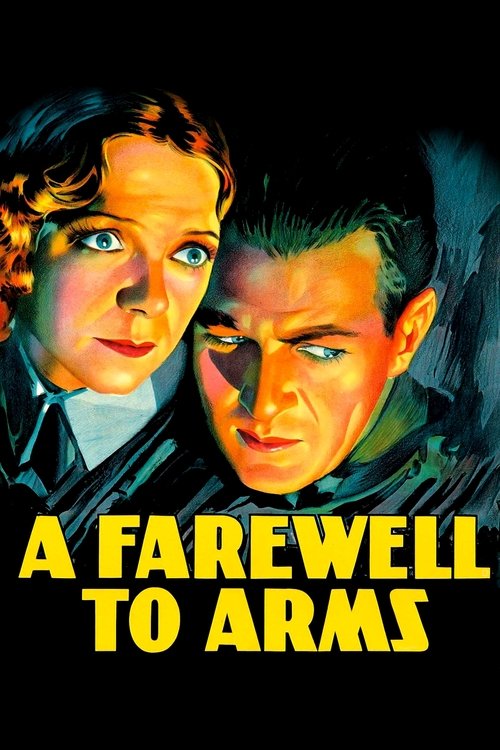
A Farewell to Arms1932
Adapted from Hemingway's novel with Helen Hayes and Gary Cooper. War, love, and desertion. Visually composed and emotionally alive in ways the book sometimes only implies.
But It softens Hemingway's bitterness to fit Hollywood sentiment. The love story overwhelms the war story, which may not be what you came for.
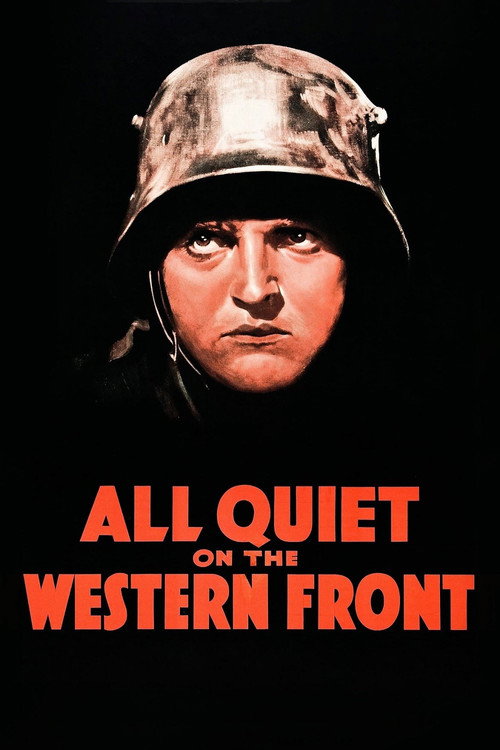
All Quiet on the Western Front1930
The anti-war masterpiece. Young men conscripted into trenches, watching their idealism die. Powerful, unflinching, and it set the template that every war film follows.
But It's relentlessly grim and doesn't let up. The ending is devastating in a way that some find punishing rather than cathartic.
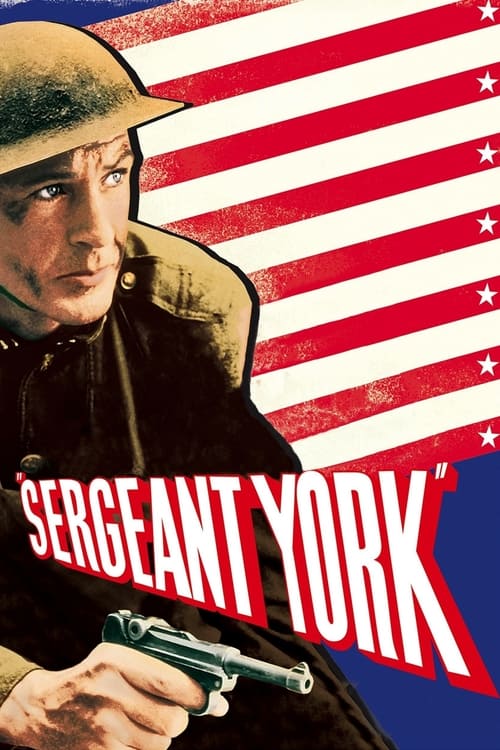
Sergeant York1941
Gary Cooper as the reluctant hero—a pacifist who becomes the war's most decorated soldier. Tense combat, moral uncertainty, and Cooper's quiet power. More recent and slicker than Ace of Aces.
But Hollywood patriotism softens the moral complexity. It's more comfortable than challenging, and considerably longer.
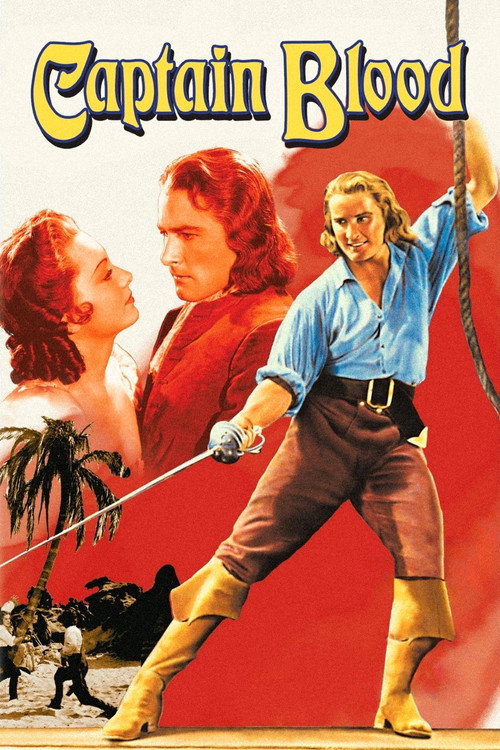
Captain Blood1935
Errol Flynn as a wronged man who becomes something harder and more dangerous. Action, wit, and the question of whether transformation makes you free or just a different kind of prisoner.
But It's an adventure film, not a war film—swashbuckling where Ace of Aces is introspective. The tone is fundamentally lighter.
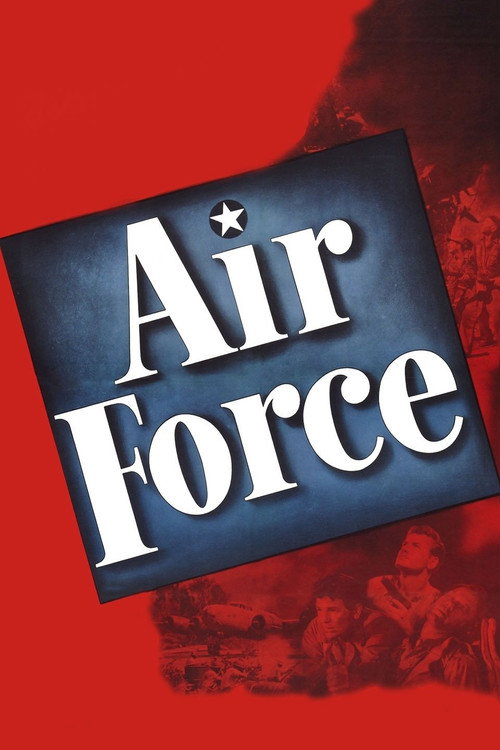
Air Force1943
Hawks' ensemble piece about a bomber crew over hours of combat. Focused, intense, and treats war as work rather than theatre. No speeches, just men doing impossible things.
But It's WWII, not WWI. The pacing is austere in a way that can feel dry. Some of the technical detail bores viewers who don't care how a plane works.
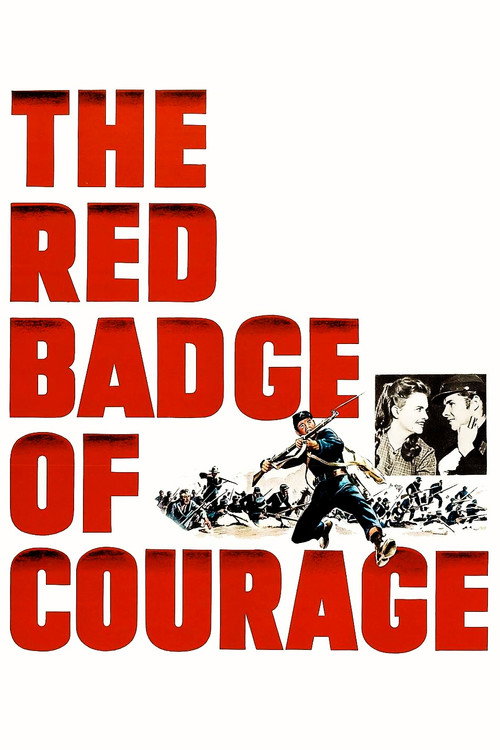
The Red Badge of Courage1951
Both centre a single man's transformation in war, tracking the specific moment he stops being himself. Both are skeptical of courage as a category. Both filmed by people who understood that war rewires you.
John Huston's adaptation of Stephen Crane's Civil War novel. A young soldier's first combat and his moral reckoning. Restrained, humanist, and shot in crisp black-and-white that makes every moment feel true. It's about fear and shame, not heroism.
But It's languid compared to action-movie pacing. The color stock of the era photographs faces in an unflattering way. It's very interior and quiet.
People
Cast
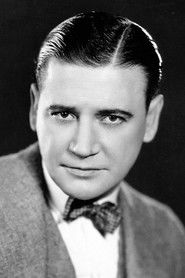 Richard DixRex 'Rocky' Thorne
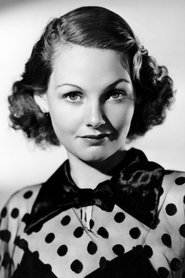 Elizabeth AllanNancy Adams
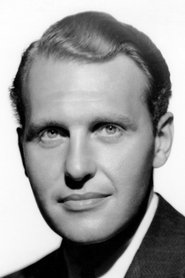 Ralph BellamyCaptain Blake
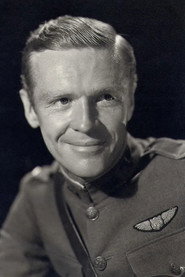 Theodore NewtonFoster 'Froggy' Kelley
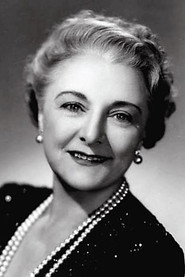 Nella WalkerMrs. Adams
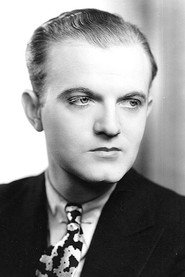 Anderson LawlerTim 'Tombstone' Terry
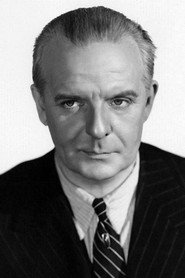 Frank ConroyWentworth
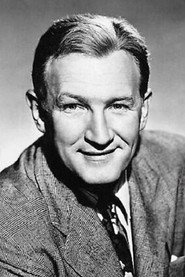 Joe SawyerCaptain Daly
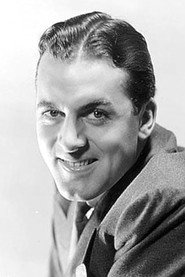 Art JarrettJames 'Jenny' Lind
- Claude Gillingwater Jr.Tommy Gray
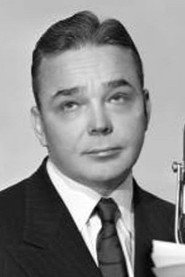 Clarence StroudBilly Winstead
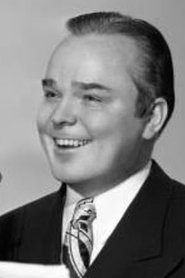 Claude StroudCarroll Winstead
Directing
- Robert MargolisAssistant Director
- J. Walter RubenDirector
Writing
- H.W. HanemannScreenplay
- John Monk SaundersScreenplay
- John Monk SaundersStory
Production
- Sam JaffeAssociate Producer
- Merian C. CooperExecutive Producer