
Film
Hell's Angels
A World War I aviation epic from 1930 that pits two British brothers against each other and their German friend across the trenches. Spectacular flying sequences and romantic entanglement drive a tense narrative about loyalty, cowardice, and the terrible choices war demands. Early sound cinema at its most ambitious and expensive.
Should you watch it?
Watch it if you love old-fashioned spectacle where the camera is the star, and you don't mind stiff dialogue if the sky full of biplanes makes up for it.
Skip it if you want tight modern storytelling, since the romance and the talky stretches drag between the flying, and the acting feels stagey by today's standards.
What it asks of you: At over two hours, it is unhurried: the aerial combat arrives in bursts, with long, slow passages of romance and talk between them.
Not sure? Find tonight's pick in a minute.
If you liked this
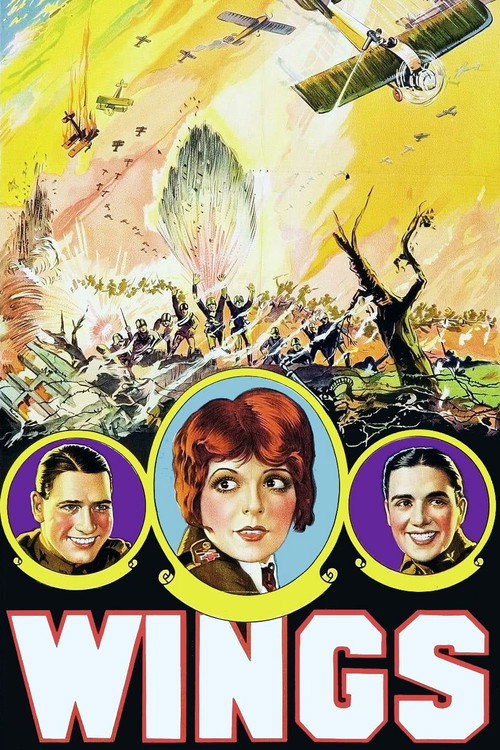
Wings1927
The original WWI aviation masterpiece. Silent, visually breathtaking dogfight sequences that still astonish. If you love Hell's Angels' flying scenes, this is where that grammar was born—earlier, purer, and profound.
But Silent film moves at a different pace. Emotional beats land differently without dialogue, and patience with intertitles isn't everyone's evening after a long day.
The Blue Angel1930
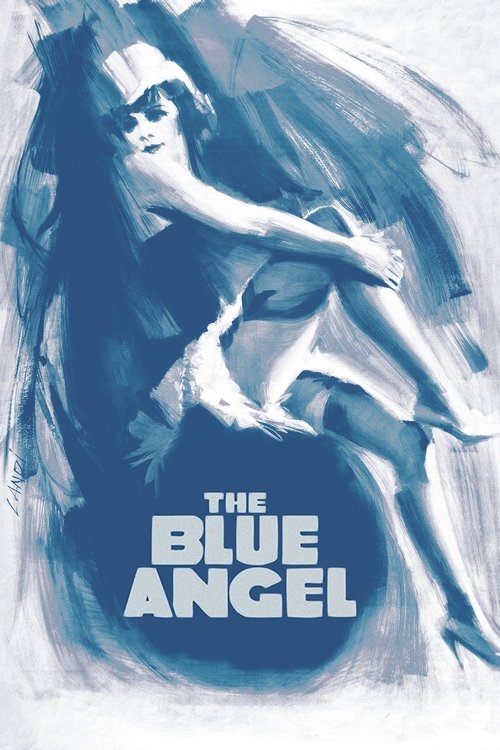
Marlene Dietrich in her first major role, same year as Hell's Angels. A study of desire and moral collapse. Weimar-era intensity that shares the film's fascination with how desire corrodes loyalty.
But The sexual politics are genuinely bleak. Watching a man destroy himself over a woman plays uncomfortably straight, without irony or distance.
All Quiet on the Western Front1930
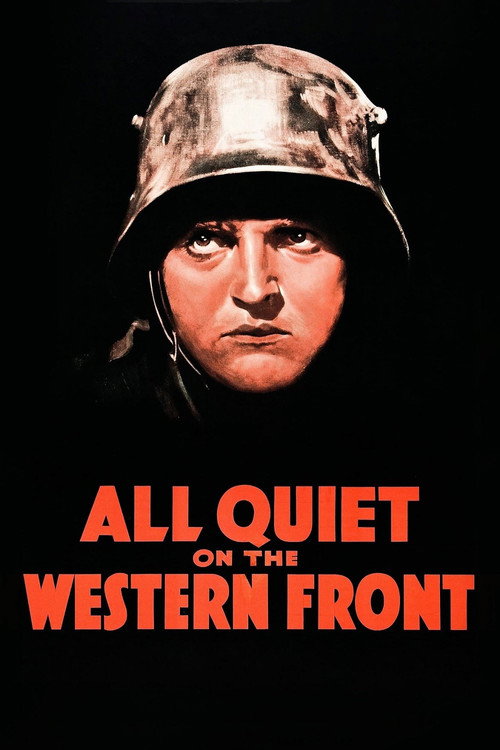
Released the same year, also about WWI from multiple perspectives. Relentlessly human about the machinery of war. Where Hell's Angels romanticizes flying, this punctures every myth the war told about itself.
But It's a slog—and meant to be. Bleakness without release or heroism. If you want spectacle, you won't find it here.
Not sure tonight? Get a pick in a minute, starting from Hell's Angels
The wildcard
Something you would not have found on your own.
The Night of the Hunter1955
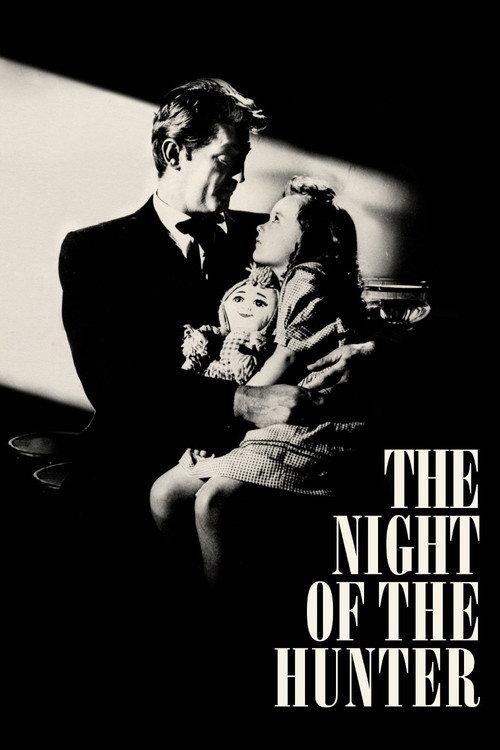
Both films pivot on brothers whose bond is tested by a woman and an impossible choice. Both ask: what do you owe family when loyalty means death? But one sets that question in war's machinery, the other in a killer's pursuit through American darkness.
A suspense masterpiece about brothers and betrayal. Like Hell's Angels, it's about competing loyalties—family versus survival—but inverts it: the threat comes from within, not across a border. Charles Laughton's direction is visually baroque, operatic.
But The tonal register is completely different: gothic, folkloric, nightmarish rather than heroic. If you want realism, this goes the opposite direction into myth.
More like this (7)
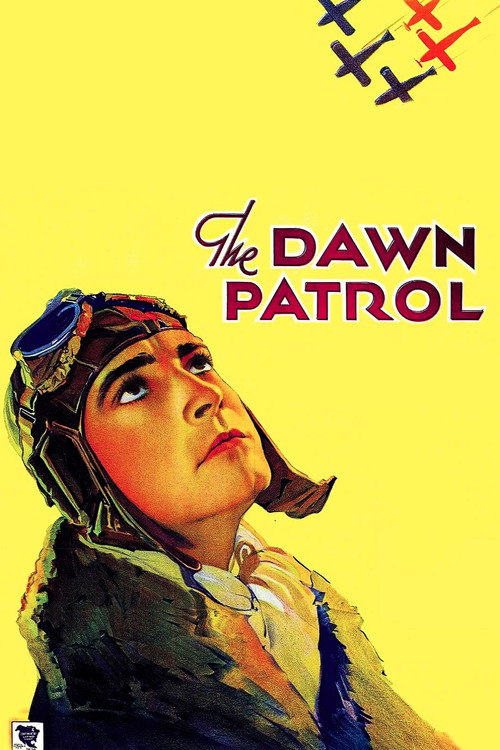
The Dawn Patrol1930
Another 1930 flying picture with similar tensions between duty and survival. Errol Flynn, exhausted RAF pilots, the same moral weight about sending men to certain death. Tighter and more focused than Hell's Angels.
But Less epic scope. The love story feels obligatory next to the real story—the pilot's war.
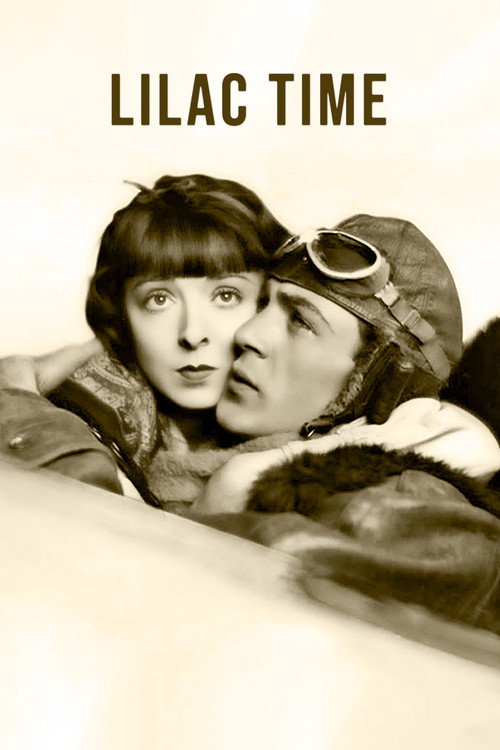
Lilac Time1928
WWI aviation romance with flying sequences that match Hell's Angels' ambition. The dual perspective of British and German pilots gives moral texture. Genuinely moving about the arbitrary cruelty of choosing sides.
But The prints are inconsistent; some versions are incomplete. Silent film preservation means you may not see what was made.
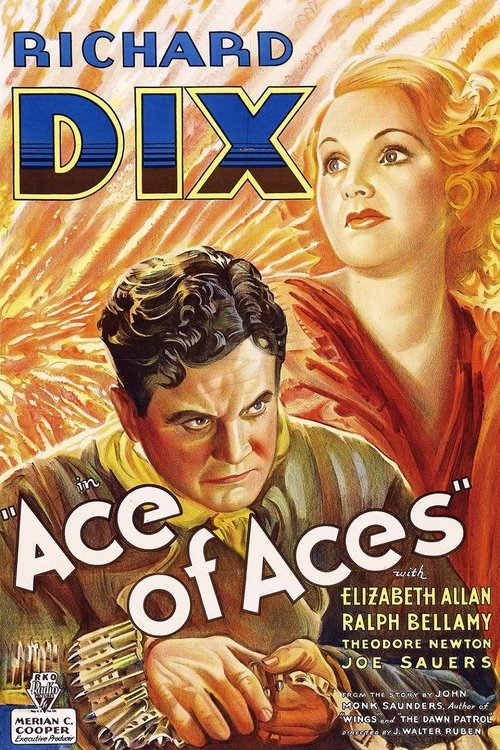
Ace of Aces1933
Richard Dix as a cocky American fighter pilot torn between pacifism and glory. Explores the same contradiction in Hell's Angels—can you be heroic and moral in mechanized slaughter? Asked with real urgency.
But The tone wavers. Early '30s sound cinema hadn't solved how to balance action and philosophy without one overwhelming the other.
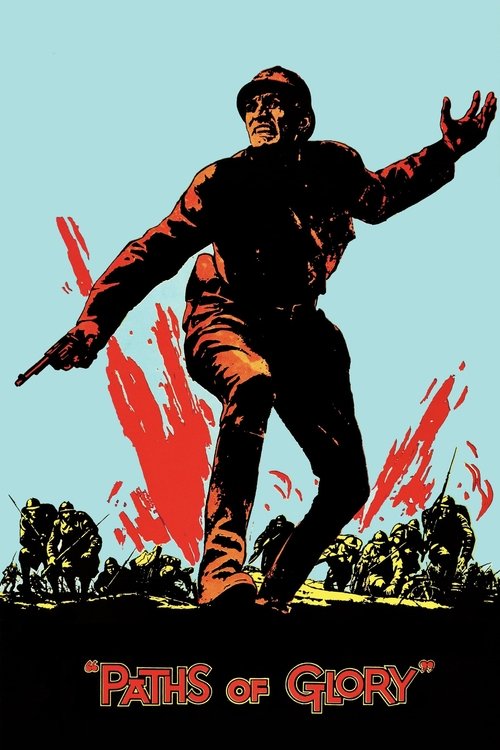
Paths of Glory1957
Kubrick's WWI masterpiece. Not about flying—about the machinery that sends men to die. Shares Hell's Angels' interrogation of obedience versus conscience, but in trench warfare's claustrophobia instead of open sky.
But Relentlessly grim. There's no romance here, no spectacle to balance the horror. Watching it is work.
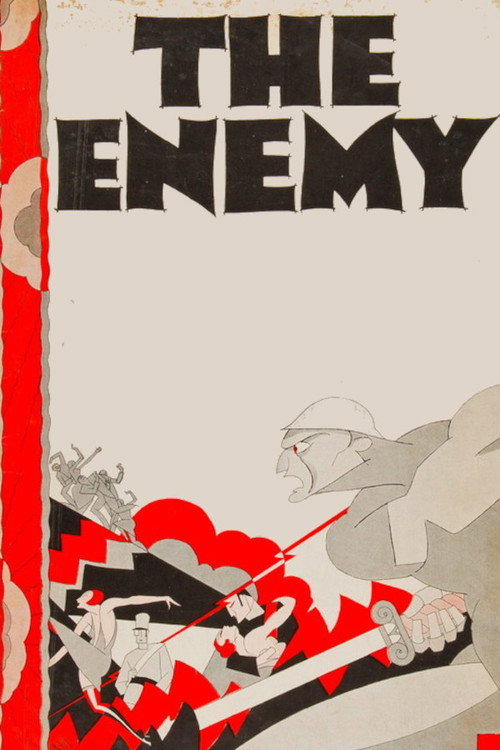
The Enemy1927
A German and Austrian soldier meet in a trench and become friends before being sent to kill each other. Extraordinary empathy across enemy lines. Quieter than Hell's Angels but just as morally serious about friendship fractured by nationality.
But Silent film, and obscure. You may struggle to find it, and the pacing demands adjustment if you're used to dialogue-driven narrative.
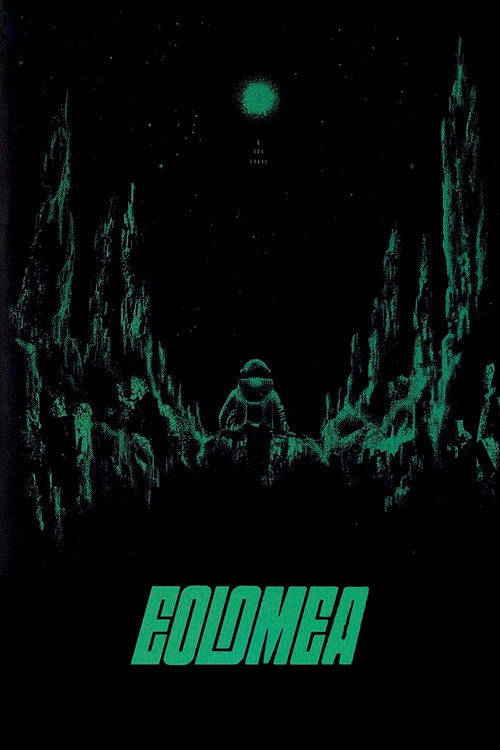
Eolomea1972
Both films are obsessed with showing you what flying and mechanized war look like. Hell's Angels uses spectacular staged sequences; Eolomea uses actual footage. They're asking the same visual question from opposite directions: what does it feel like to watch this?
Andrei Ujica's extraordinary documentary collage about WWI from original footage, silent, no narration—just the war watching itself. Hypnotic, disorienting, visually stunning. Restores the texture of 1914-1918 without interpretation.
But It's not narrative. There's no plot, no characters, no emotional arc—just fragments assembling into mood. Modern audiences trained on story may find it formless.
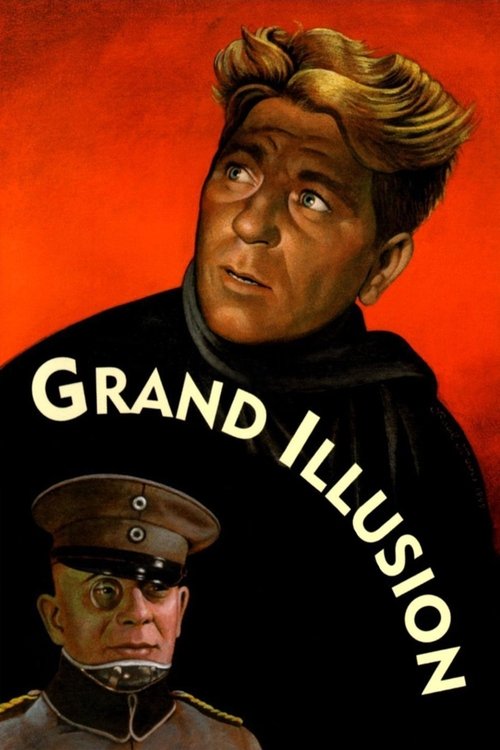
Grand Illusion1937
Both films stage intimate relationships between men on opposite sides of the Western Front. But where Hell's Angels treats that tension as melodrama—betrayal, cowardice, romantic rivalry—La Grande Illusion treats it as tragedy. The men are decent, the system is indifferent, and friendship cannot survive what the war demands.
Renoir's French masterpiece about captured French and German officers in a POW camp. The friendship between a French officer and a German commandant—across enemy lines, bound by class and courtesy—is unbearably moving. Visual poetry about the illusion that nationality matters more than shared humanity.
But It's slow. Deliberately. The film believes in duration and quiet moments more than incident. And subtitles, if you're watching a non-English print (as you should).
People
Cast
 Ben LyonMonte Rutledge
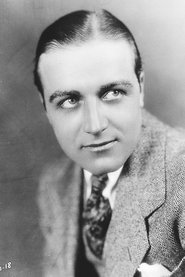 James HallRoy Rutledge
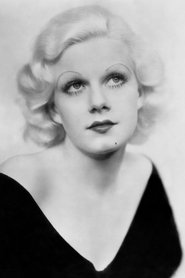 Jean HarlowHelen
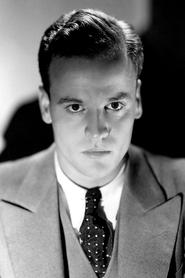 John DarrowKarl Armstedt
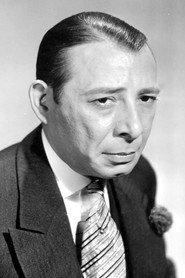 Lucien PrivalBaron Von Kranz
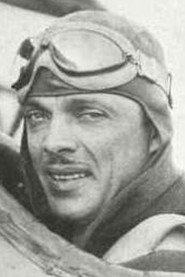 Frank ClarkeLt. von Bruen
- Roy WilsonBaldy Maloney
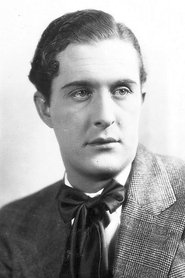 Douglas GilmoreCapt. Redfield
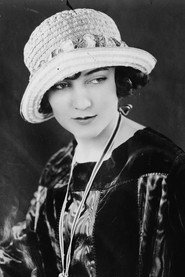 Jane WintonBaroness Von Kranz
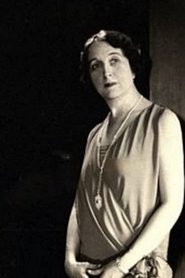 Evelyn HallLady Randolph
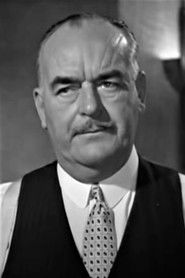 William B. DavidsonStaff Major
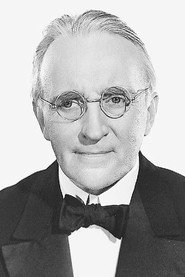 Wyndham StandingRFC Squadron Commander
Directing
- Dave MarksAssistant Director
- Fred FleckAssistant Director
- William J. ScullyAssistant Director
- Edmund GouldingCo-Director
- James WhaleCo-Director
- Howard HughesDirector
Writing
- Harry BehnAdaptation
- Howard EstabrookAdaptation
- Joseph Moncure MarchDialogue
- Joseph Moncure MarchStory
- Marshall NeilanStory
Production
- Howard HughesProducer
- Joseph W. EngelProduction Manager
Recommended by
Wings, Flyboys, The Shadow of the Eagle, Ace of Aces, Born Reckless, Sky Devils