
Film
The Shadow of the Eagle
A 1932 serial-adventure hybrid starring John Wayne as a pilot hunting an aerial villain who uses skywriting for blackmail. Nearly four hours of stunts, aerial sequences, and pulp plotting that moves at silent-film speed but sounds like a talkies. For viewers curious about early talkie action or Wayne before he became an icon.
Should you watch it?
Watch it if you enjoy old-fashioned aerial mysteries with a chase-driven plot, where a pilot's hunt for a sky-writing menace unfolds through breathless set pieces and stunts.
Skip it if you want tight modern pacing, because at over three and a half hours with stagey early-talkie dialogue and creaky rhythms, the wait can feel long.
What it asks of you: Long, at over three and a half hours, with stretches of talk between the flying and a rhythm that stops and starts in bursts, it rewards settling in.
Not sure? Find tonight's pick in a minute.
If you liked this
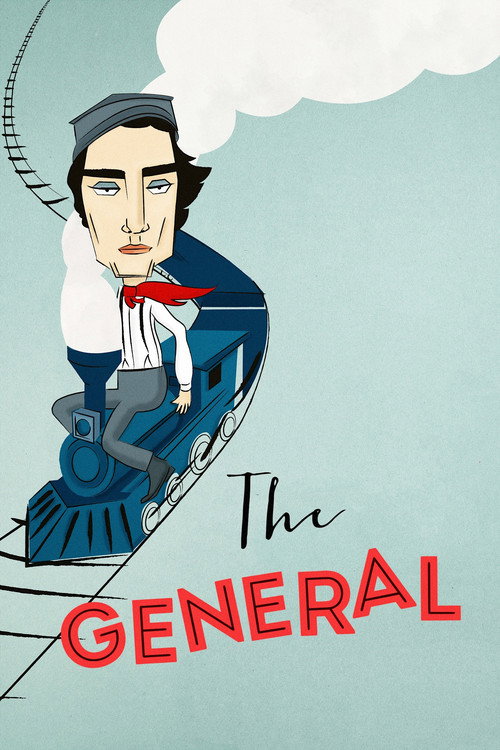
The General1926
Buster Keaton's silent masterpiece of a man driving a train through a war zone, full of genuine spectacle and comedy. The kind of pure physical filmmaking that influenced everything after it, including early talkie serials.
But At ninety minutes it's already long, and the pacing—especially the second half—can feel slack by modern standards. No dialogue means no quips to cut the tension.
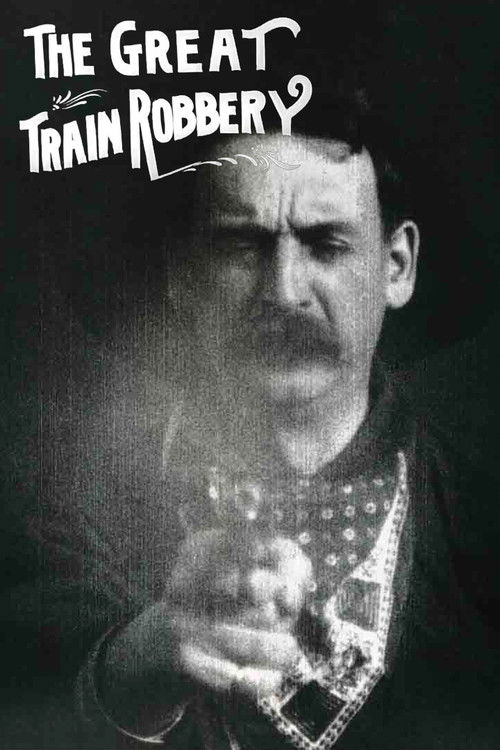
The Great Train Robbery1903
The ten-minute film that invented cinema narrative: a Western heist with editing, cross-cutting, and action set-pieces that hold your attention completely. Every language barrier vanishes. It's the ancestor of everything in The Shadow of the Eagle.
But Ten minutes is ten minutes. And it's so historically important that watching it can feel like homework, though it really isn't.
The Phantom Carriage1921
A Swedish ghost story structured as a serialised vision, with spectacular optical effects and a dreamlike momentum. The closest thing to what audiences felt watching early sound serials: wonder at what the medium could show them.
But It's a period piece about alcoholism and divine punishment. The tone is serious and occasionally bleak—no comic relief whatsoever.

Not sure tonight? Get a pick in a minute, starting from The Shadow of the Eagle
The wildcard
Something you would not have found on your own.
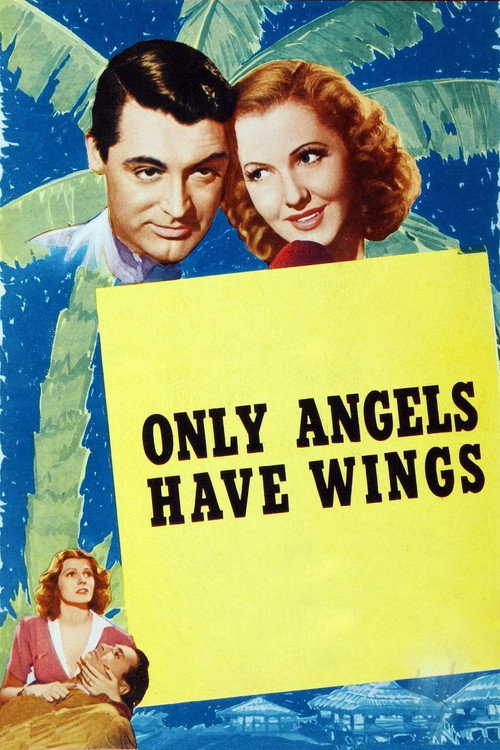
Only Angels Have Wings1939
Both films centre on pilots and aerial danger as metaphor for moral uncertainty and masculine redemption, but Only Angels uses that metaphor to fracture and rebuild a character, whereas The Shadow treats it as pure plot machinery.
Hawks' film about mail pilots in South America, which takes the aerial adventure serial to pieces and reassembles it as a character study about men under pressure. Real flying, real risk, real stakes—but the spectacle serves the human story, not the reverse.
But It's 121 minutes of dialogue and tension with bursts of action, not action with dialogue in between. If you want stunts, you'll be frustrated by how much time is spent watching people talk in offices and bars.
More like this (8)
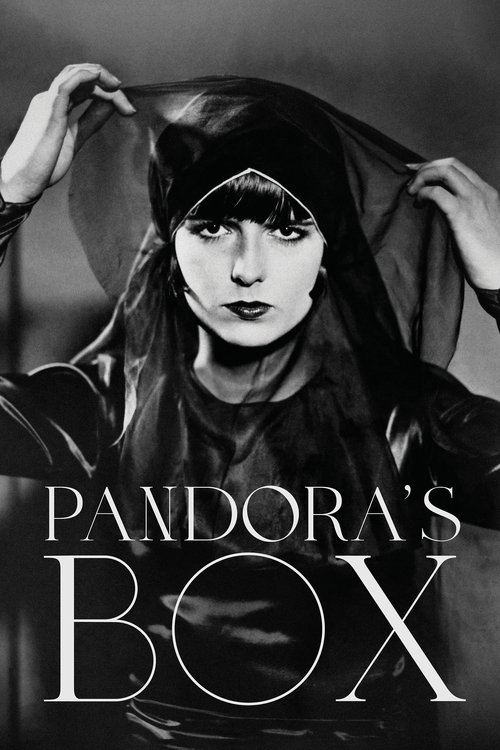
Pandora's Box1929
Louise Brooks in the Weimar masterpiece, wickedly fast and modern in its sensibility. Shot and paced like early talkie action but sophisticated beyond measure. Brooks moves like she's acting for a camera from fifty years in the future.
But It's a tragedy about desire and moral corruption. Beautiful but grim, and not interested in happy endings or reassurance.
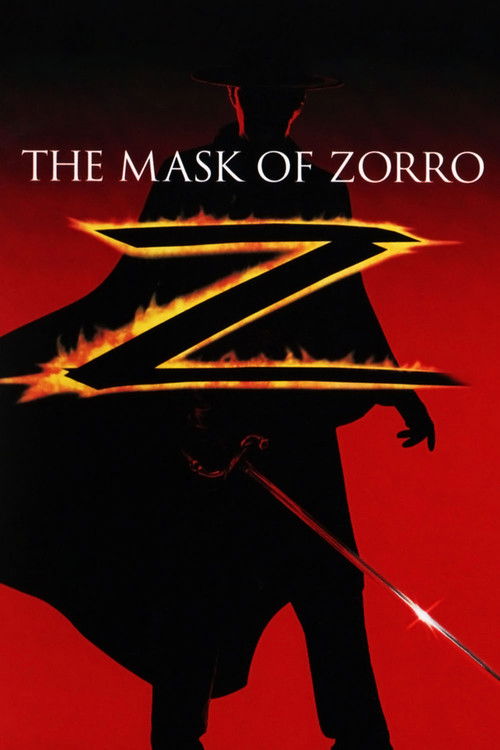
The Mask of Zorro1998
The DNA of early adventure serials refined into pure pleasure: sword fights, aerial chases, a hero with a secret identity, long takes of stunt work you feel in your body. Banderas and Spielberg-era craftsmanship meeting pulp sincerity.
But It's glossy and knowing in a way that early serials never were. If you want the earnestness of 1932, the self-awareness will grate.
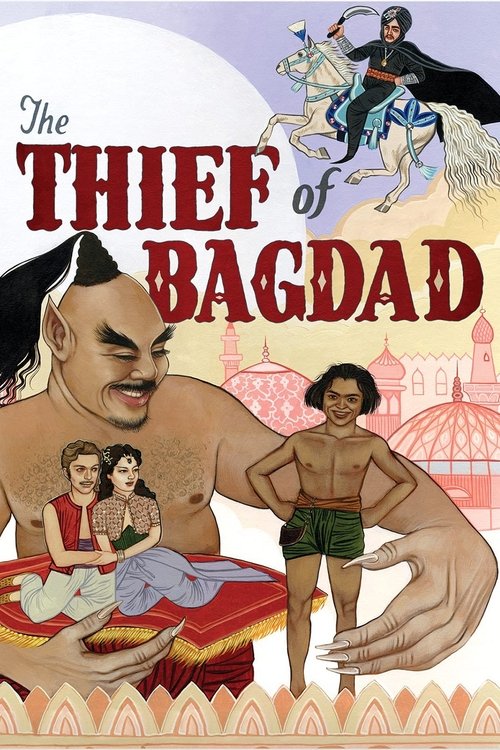
The Thief of Bagdad1940
Korda's Technicolor spectacle with special effects that were state-of-the-art and hold up gorgeously. The spirit of exotic adventure and stunt work that made early serials exciting, but with budget and craft that makes it feel legendary.
But The script is thin and the pacing stagey. For all its visual splendor, it can feel more like watching a crafted artifact than living through a story.
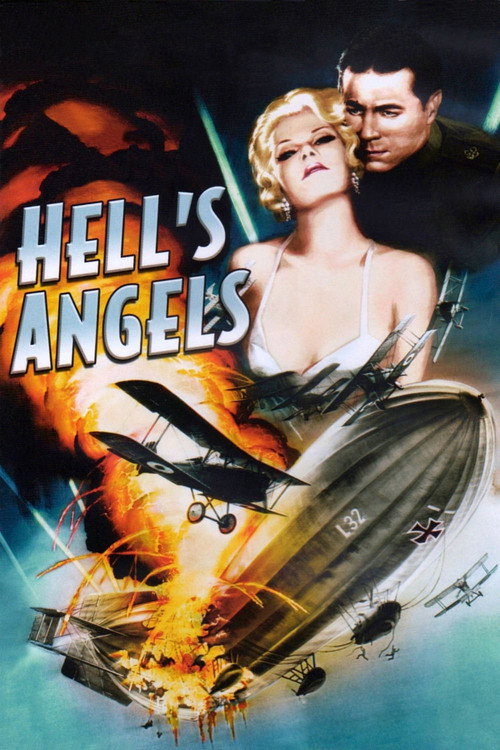
Hell's Angels1930
Howard Hughes' aerial epic with real flying and dogfight sequences that still astonish. A film that chose spectacle over plot and somehow made that choice feel justified. Ben Lyon and James Hall flying actual planes at actual danger.
But The middle section grinds to a halt for dialogue scenes between men and a woman who has to choose between them. The ponderous parts vastly outweigh the airborne ones.
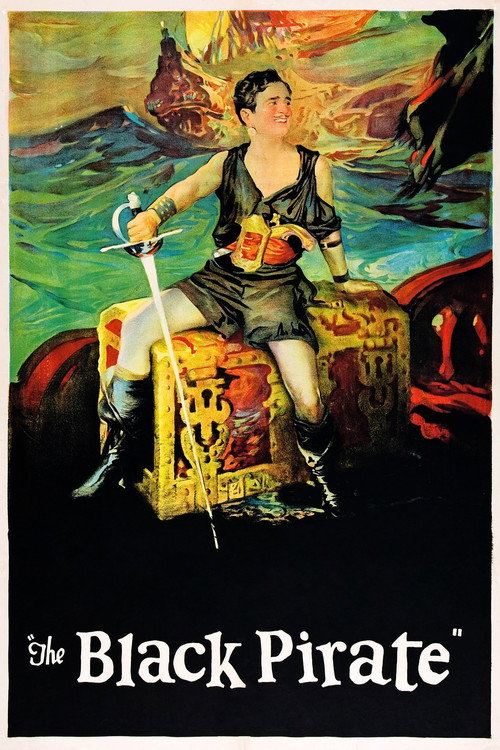
The Black Pirate1926
Douglas Fairbanks in early Technicolor (two-strip, but vibrant), doing acrobatic stunts that belong in a circus. The pleasure is pure: a beautiful man doing impossible things, no emotional depth required or offered.
But There is no emotional depth. The plot is perfunctory, the acting is broad, and at two hours it wears out its welcome by the end.
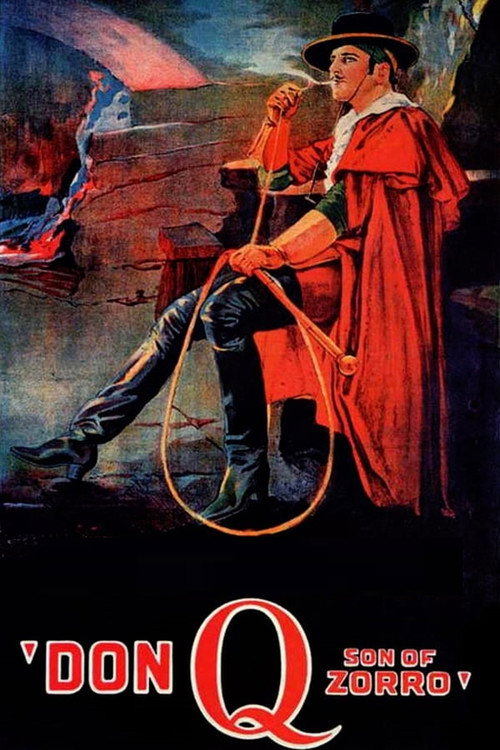
Don Q Son of Zorro1925
A serial that delivers exactly what the title promises: masked swordplay, split-identities, and the visual language that serials refined into gold. Fast-paced, unpretentious, and made by people who understood what they were selling.
But Production values are paper-thin by comparison to later films. The action is staged rather than felt, and some of the comedy is uncomfortably dated.
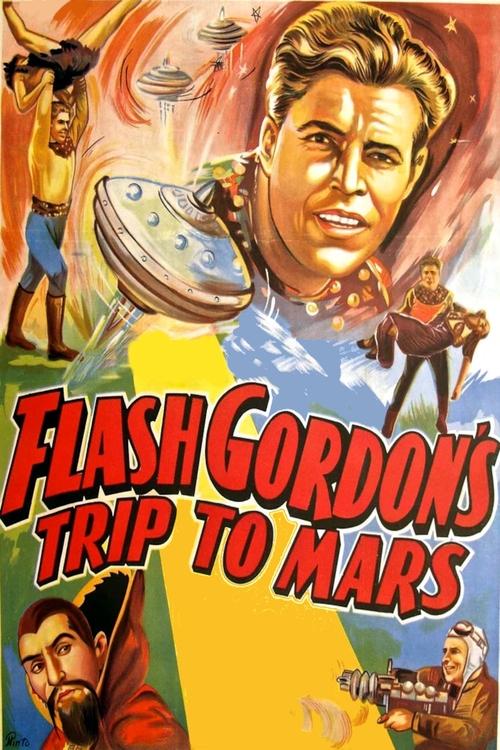
Flash Gordon's Trip to Mars1938
Both are serials made when cinema was still figuring out how to sustain narrative across multiple viewings; but Flash Gordon reaches for the fantastic while The Shadow tries to stay grounded in aviation and real stakes, making them opposite answers to the same creative problem.
This serial is pure invention applied to pure nonsense: Ming the Merciless, Martian cities, costumes that look like they were designed by someone dreaming. It's what happens when the serial formula meets unbound imagination instead of grounded pulp.
But It's 207 minutes across thirteen chapters, and the plot is not the point—spectacle and novelty are. Modern audiences used to narrative efficiency will find it bewildering and repetitive.
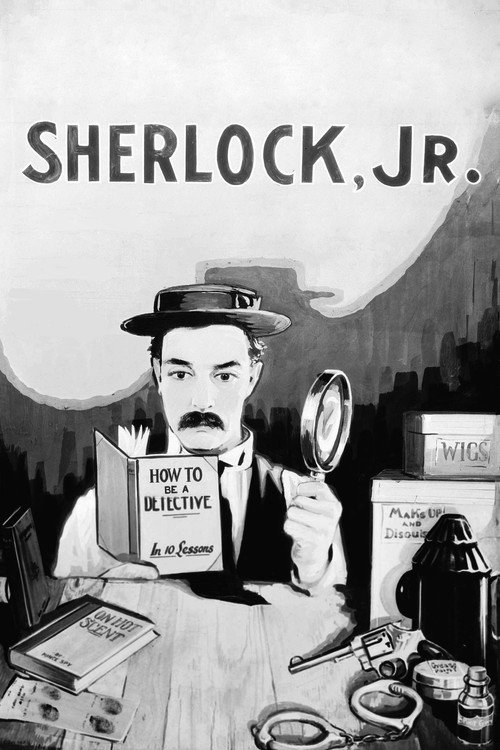
Sherlock Jr.1924
Both films are fascinated by motion and propulsion—whether planes in the air or bodies through space—and both use the physical impossibility of stunts as their main emotional register, but Keaton compresses it into a fever dream while The Shadow stretches it into plot across four hours.
Buster Keaton's 45-minute comedy about a projectionist who dreams himself into a movie. The special effects are brilliant, the stunts are terrifying, and the whole thing moves with perfect confidence. It answers the question: what if a serial was made only from the exciting parts?
But At 45 minutes it's a short by modern standards. And it's a comedy, which means narrative coherence takes a back seat to sight gags—some land, and some badly date the thing.
People
Cast
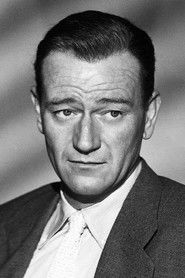 John WayneCraig McCoy
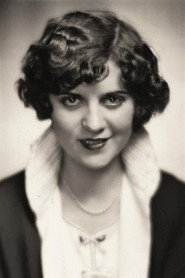 Dorothy GulliverJean Gregory
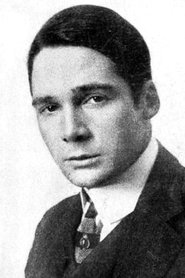 Walter MillerDanby
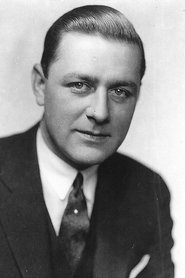 Kenneth HarlanWard
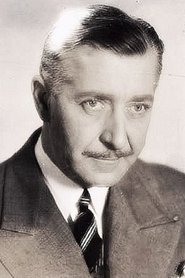 Richard TuckerMajor Evans
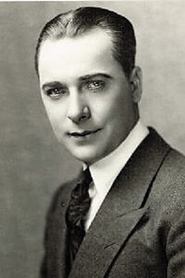 Pat O'MalleyAmes
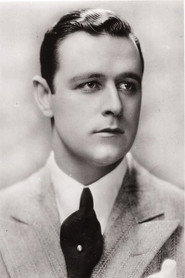 Edmund BurnsClark
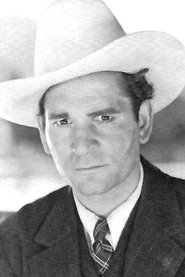 Yakima CanuttBoyle
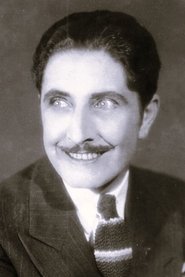 Roy D'ArcyGardner
 Billy WestBob the Clown
 Edward HearnColonel Nathan Gregory
 Lloyd WhitlockGreen
Directing
- B. Reeves EasonDirector
- Ford BeebeDirector
Writing
- Colbert ClarkWriter
- Ford BeebeWriter
- Wyndham GittensWriter
Production
- Nat LevineProducer