
Film
Flash Gordon's Trip to Mars
A 1938 serial about Flash Gordon returning to space adventures, this time to Mars. It's pure pulp energy: colourful, cheap, ridiculous, and deeply earnest about the spectacle. Think serial cliff-hangers, wild costumes, cardboard sets. For anyone curious about science fiction's early visual language or who just loves unironic adventure storytelling.
Should you watch it?
Watch it if you love pulpy, breathless adventure serials where the cardboard sets and cheerful melodrama are part of the charm, and you enjoy seeing the roots of space opera.
Skip it if you need modern effects or tight, character-driven storytelling, since the 1930s sets, stiff acting and creaky dialogue will test your patience across more than three hours.
What it asks of you: Nearly four hours of episodic, serial-style pacing, built on rescues and reversals rather than slow reflection, plus a naive, theatrical tone you must accept on its own terms.
Not sure? Find tonight's pick in a minute.
If you liked this
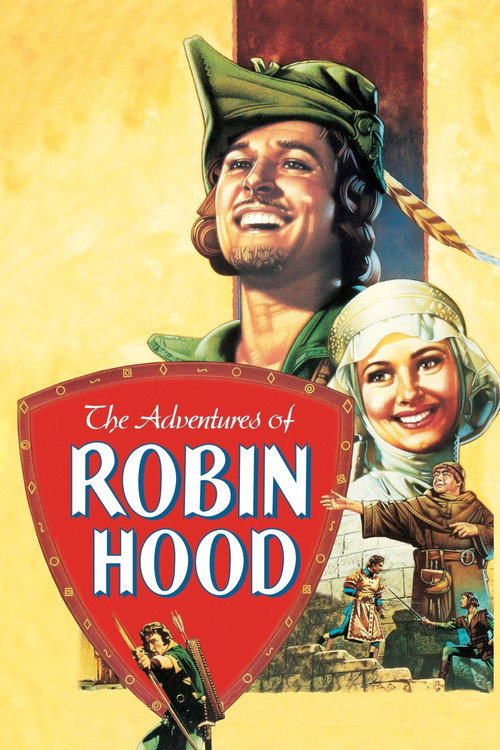
The Adventures of Robin Hood1938
Released the same year, equally colourful and committed to swashbuckling fun. Errol Flynn's charm and the Technicolor design share Flash Gordon's unapologetic enthusiasm for spectacle and movement over subtlety.
But If you want moral ambiguity or complex characters, this is earnest adventure in a storybook register. Some finds the constant action exhausting rather than energising.
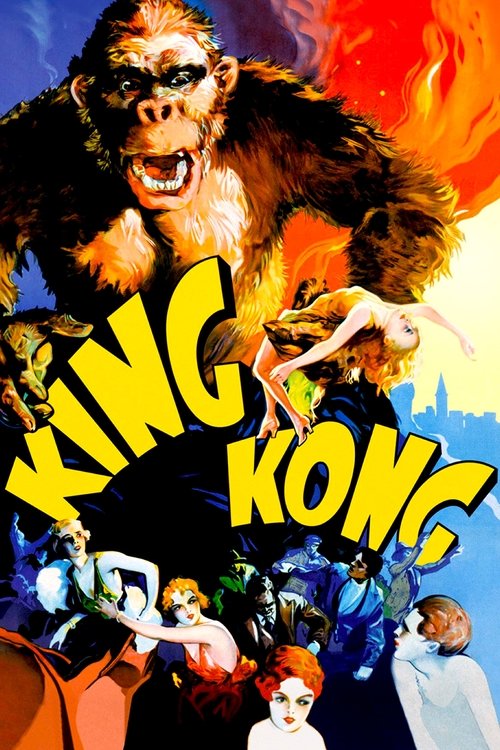
King Kong1933
The DNA of spectacle serials. Willis O'Brien's stop-motion sets a technical standard that Flash Gordon chases visually. Both treat impossible worlds with genuine wonder rather than irony.
But Slower pacing and the emotional core may feel at odds with Flash Gordon's zippy plotting. Some find the mythic register heavy-handed.
Metropolis1927
The granddaddy of sci-fi cinema design. Lang's vision of future cities influenced every pulp space adventure that followed, including the visual language of Flash Gordon's Mongo.
But It's a silent film with a ponderous allegorical message. The pacing and theatrical acting feel remote from modern viewing unless you're invested in cinema history.

Not sure tonight? Get a pick in a minute, starting from Flash Gordon's Trip to Mars
The wildcard
Something you would not have found on your own.
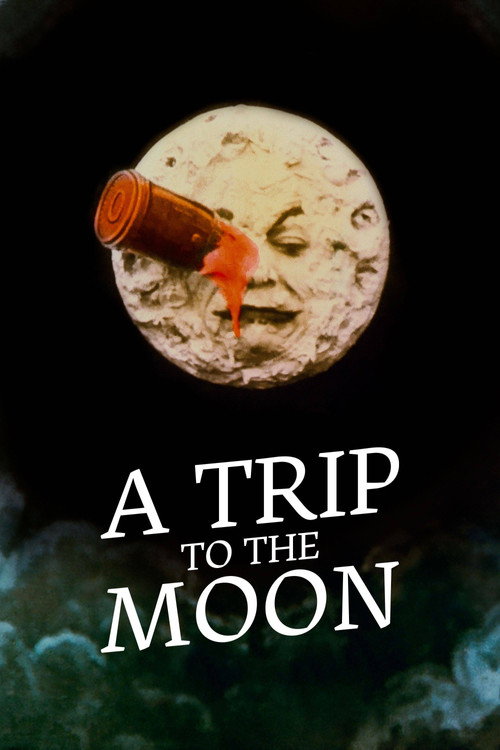
A Trip to the Moon1902
Both are earnest cinema spectacles that treat impossible worlds as stages for wonder and adventure rather than subjects for realism. They're not interested in how things work, only in how they look.
Georges Méliès' 14-minute film predates Flash Gordon by 36 years and invented sci-fi cinema. It's the original, the blueprint. Watching it is watching the moment someone decided space travel could be spectacular and theatrical on screen.
But It's silent, it's very short, and it has no plot. The special effects are hand-painted and charming rather than convincing. Most viewers today find it more historically important than viscerally entertaining.
More like this (7)
Planet of the Apes1968
The spiritual heir to Flash Gordon serials, but with teeth. It keeps the adventure and alien worlds but adds genuine satirical edge and ideas beneath the spectacle. Charlton Heston channels that same earnest hero energy.
But The social commentary can feel dated. Some viewers find the makeup effects more distracting than immersive, and the pacing deliberate compared to serial snappiness.

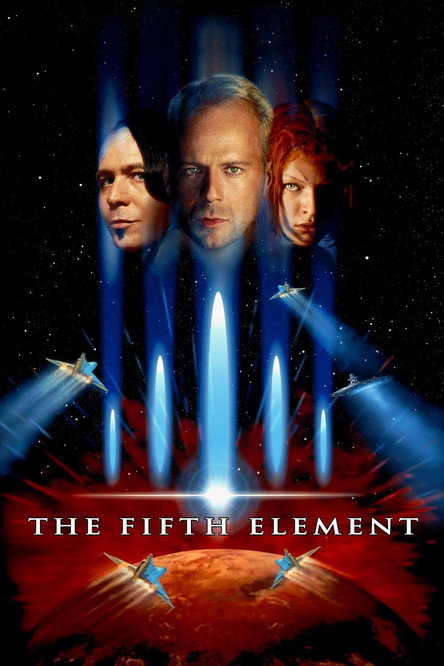
The Fifth Element1997
Luc Besson deliberately resurrects serial energy for modern audiences. Garish design, ridiculous plot, colourful aliens, and a hero who's more likeable than clever. It's Flash Gordon remade with a bigger budget and no apologies.
But The dialogue is stilted and the gender politics occasionally cringe. If you want grounded sci-fi or subtle characterisation, this is exactly the wrong film.
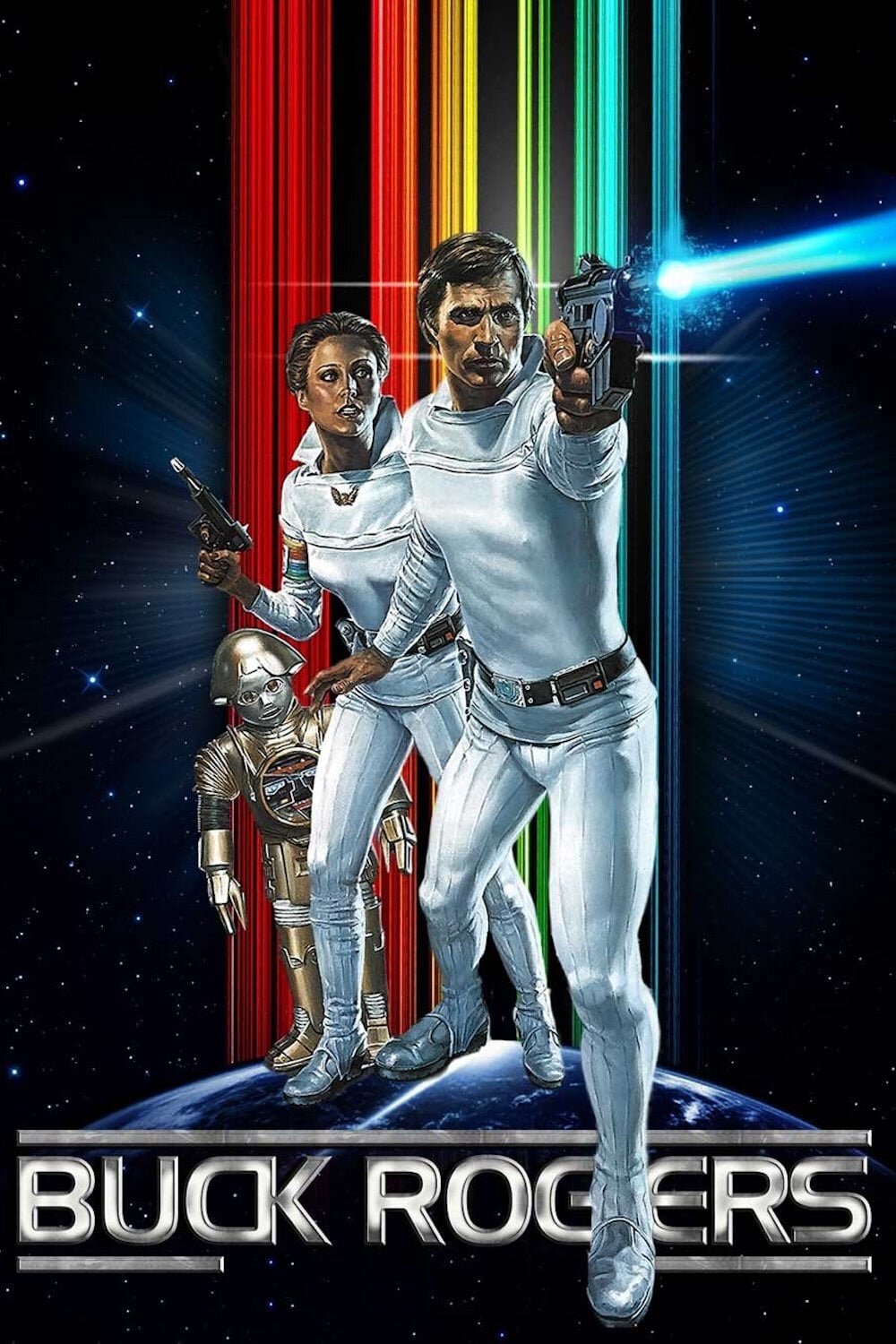
Buck Rogers in the 25th Century1979
A '70s television serial that inherits Flash Gordon's DNA directly. Campy costumes, preposterous aliens, earnest heroes, and the same episodic momentum. It understands serial fun without modern self-consciousness.
But The production values are unmistakably low-budget TV. Some episodes are genuinely slack, and the tone wavers between adventure and comedy without always landing either.
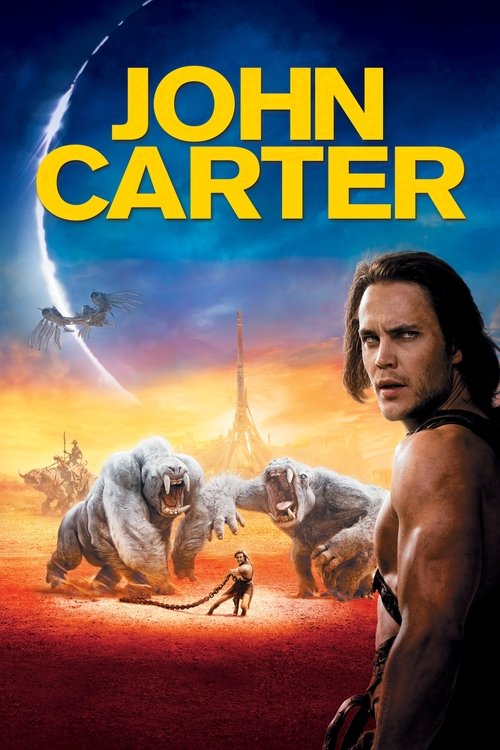
John Carter2012
A direct spiritual successor that also borrows from Edgar Rice Burroughs. It chases the same pulp adventure DNA—a Earth man on an alien world, impossible romance, combat, wonder. The design philosophy honours its serials.
But It's a notorious box-office failure. The film suffers from tonal confusion and some find the leads miscast. Even admirers acknowledge it's flawed.
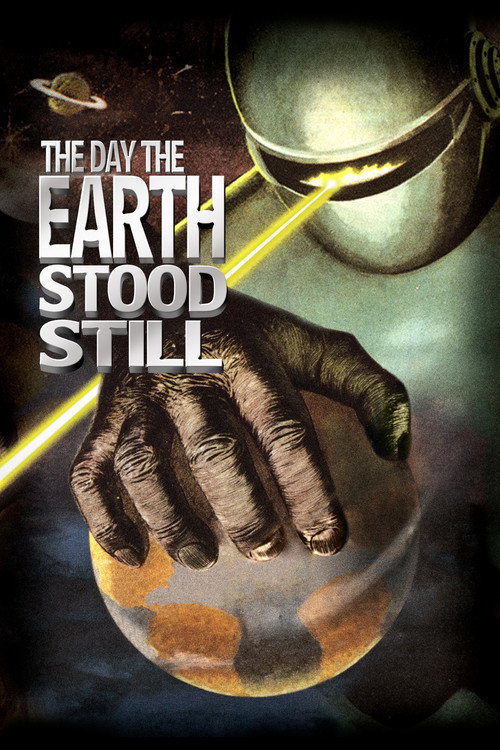
The Day the Earth Stood Still1951
A more thoughtful take on 1950s sci-fi with practical effects and alien design that descends from Flash Gordon's visual language. It shows how the serial aesthetic could accommodate ideas.
But It's slow by serial standards and trades action for philosophy. The film's earnestness about nuclear anxiety feels very period-specific and can seem quaint.
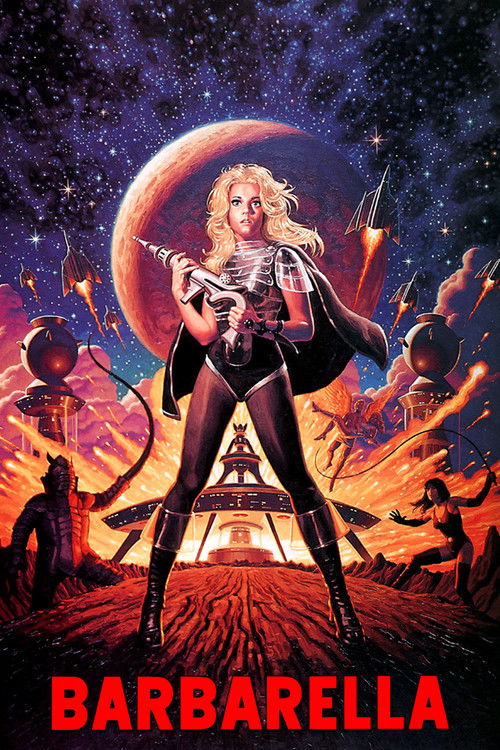
Barbarella1968
A cheerful, campy space adventure that celebrates the look and texture of 1960s sci-fi the way Flash Gordon embodied 1930s pulp. It's a film that enjoys how ridiculous it is while remaining committed to the spectacle.
But The plot is gossamer-thin and some sexual politics have aged poorly. If you need narrative substance or character development, this will frustrate you.
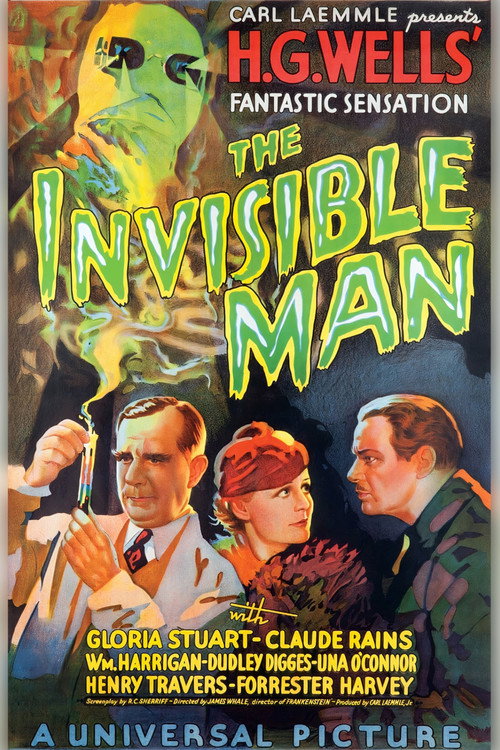
The Invisible Man1933
Both embrace the artificiality of their medium. Where Flash Gordon is adventure theatre, The Invisible Man is horror theatre—but both trust that audiences came for the visual trick and the performance, not the plot.
James Whale's film shows how Universal's monster-era approach to cheap spectacle shares DNA with serials. Practical effects, theatrical performances, a focus on visual novelty over realism. It's proof that 1930s cinema found wonder in artificiality.
But The plot is dated and the misogyny is embedded into the story itself. The tricksy invisibility effects, while innovative, can feel theatrical rather than immersive. It requires patience for 1930s pacing.
People
Cast
 Buster CrabbeFlash Gordon
 Jean RogersDale Arden
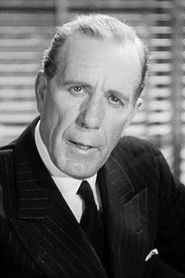 Frank ShannonDr. Zarkov
 Charles MiddletonEmperor Ming
 Beatrice RobertsQueen Azura
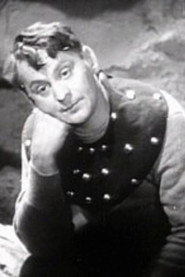 Donald KerrHappy Hapgood
 Richard AlexanderPrince Barin
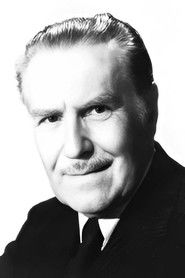 C. Montague ShawClay King
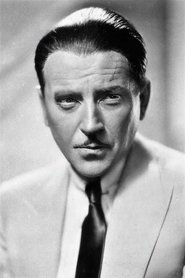 Wheeler OakmanTarnak
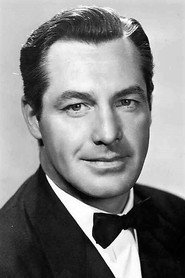 Kane RichmondStratosled Pilot (Talgon's Brother)
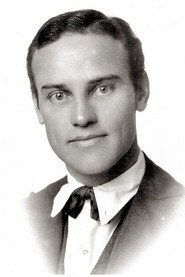 Warner RichmondZandar
 Anthony WardeKing Turan of the Forest People
Directing
- Ford BeebeDirector
- Robert F. HillDirector
Writing
- Alex RaymondCharacters
- Herbert DalmasScreenplay
- Norman S. HallScreenplay
- Ray TrampeScreenplay
- Wyndham GittensScreenplay
Recommended by
Voyage to the Planet of Prehistoric Women, The Shadow of the Eagle, The Crimson Ghost