
Film
The Enemy
- War drama
- Very dark
A 1927 silent drama about a young bride torn between love and principle when her pacifist father and her soldier husband find themselves on opposite sides of the Great War's moral battlefield. Lillian Gish anchors this intimate study of civilian suffering with her luminous presence, turning personal heartbreak into a meditation on the cost of conviction. It's patient, deeply felt, and utterly committed to its tragedy.
If you liked this
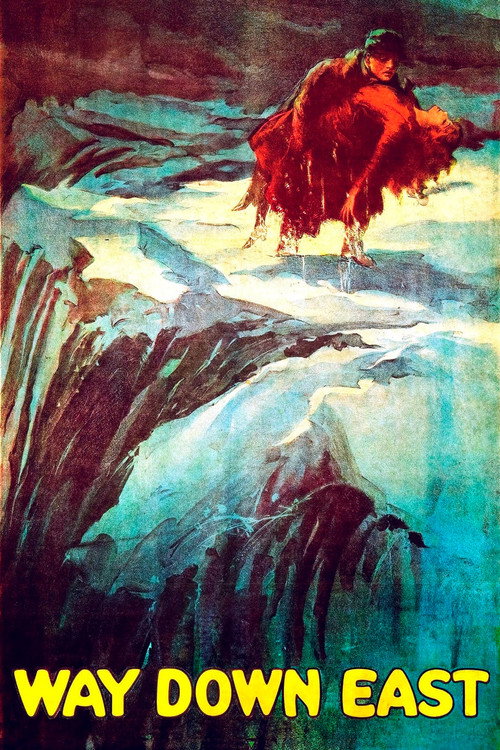
Way Down East1920
Lillian Gish's greatest role: a woman wronged by society, fighting for redemption through sheer force of will and silent-film poetry. Griffith's masterpiece of suffering and forgiveness.
But The pacing is glacial even by 1920 standards, and the melodrama can tip toward the overwrought if you're not in the mood for pure emotion over plot.
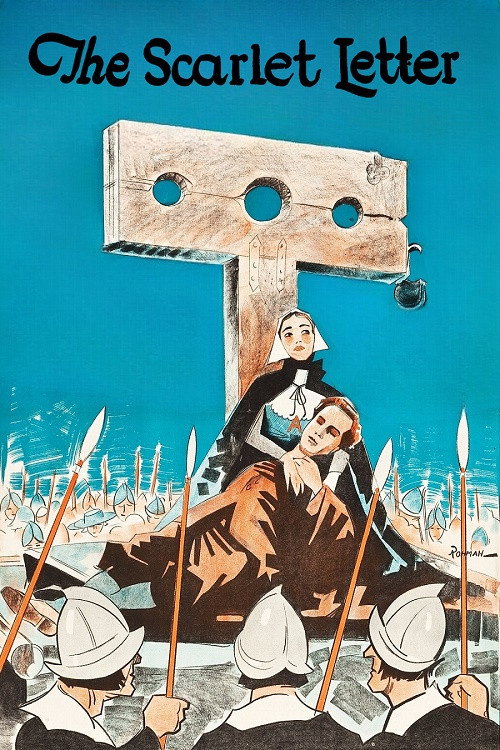
The Scarlet Letter1927
Another Gish triumph: adultery, shame, and Puritan cruelty rendered with such nuance that every glance becomes a debate about morality. Her Hester Prynne is heroic without ever raising her voice.
But It's a very slow burn of quiet suffering, and the film assumes you care more about emotional states than conventional narrative momentum.
Sunrise: A Song of Two Humans1927
A masterwork released the same year: a marriage tested by betrayal and redemption, shot with such visual invention that the camera work alone justifies the silent format. Utterly hypnotic.
But It's experimental in structure and mood—shifts tone radically between sections. Some find it precious; others find it transcendent. You'll know which pretty quickly.

Not sure tonight? Get a pick in a minute, starting from The Enemy
The wildcard
Something you would not have found on your own.
The Cabinet of Dr. Caligari1920
Both films use the machinery of World War I—conscription, propaganda, moral confusion—as the engine for psychological breakdown rather than adventure. Caligari goes inward and hallucinatory where The Enemy stays intimate and tragic.
A wartime nightmare rendered as Expressionist fever dream: distorted sets, hypnotic performances, and a meditation on authority, madness, and moral collapse. Visually unlike anything else from the era.
But Its avant-garde visual style is jarringly artificial, and the narrative logic is deliberately fractured. It's an experience more than a story.

More like this (8)
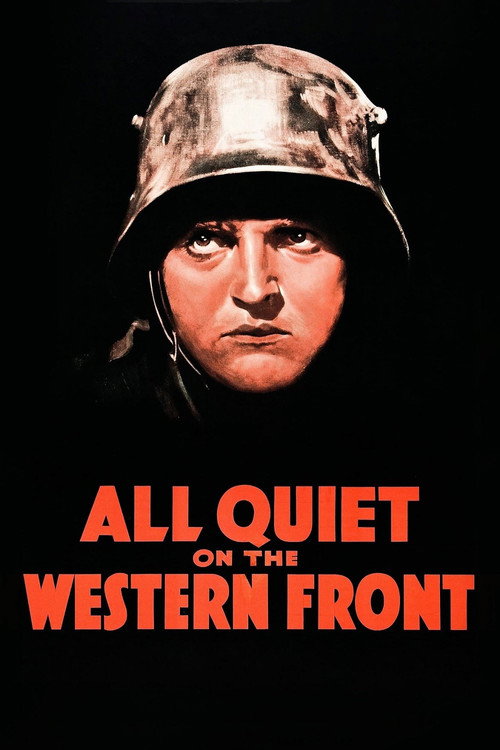
All Quiet on the Western Front1930
The war film that set the template for every honest depiction of combat since. Brutal, unglamorous, and genuinely horrifying in its refusal to make soldiers into heroes.
But It's relentlessly bleak and the battle sequences are graphically violent by any standard. There is no uplift, only waste.
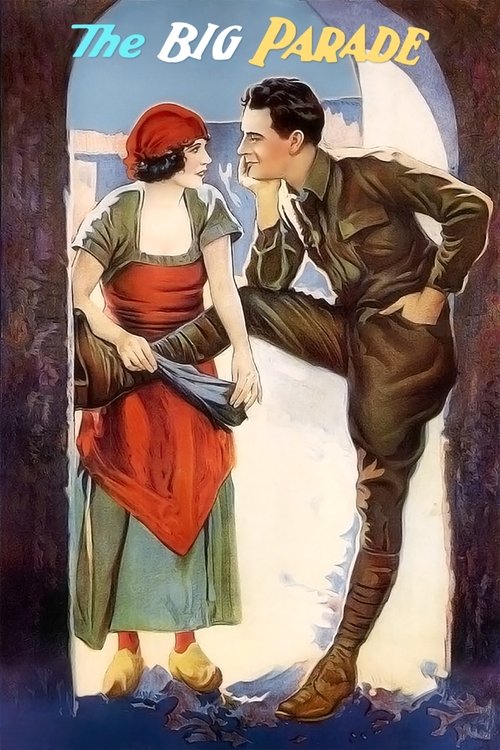
The Big Parade1925
A sweeping romance that weaves through the American experience of the First World War—love, separation, and the gap between expectation and reality. King Vidor at his most ambitious.
But The tonal whiplash between romantic comedy and trench horror can feel jarring, and some scenes haven't aged as gracefully as others.
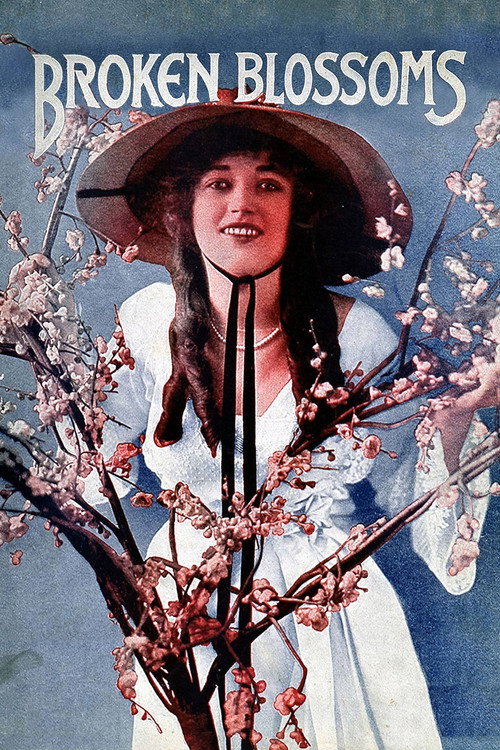
Broken Blossoms or The Yellow Man and the Girl1919
Gish and Griffith's first masterpiece together: a story of fragile tenderness destroyed by brutality and prejudice. Heartbreaking and visually exquisite.
But The racial politics are of their time and deeply uncomfortable. The film is brilliant but morally compromised in ways you need to sit with.
The Phantom Carriage1921
A Swedish ghost story that uses supernatural mystery to examine redemption, sacrifice, and the wages of cruelty. Visually inventive and emotionally devastating.
But It's deliberately paced and metaphorical—if you want plot clarity and forward momentum, this will frustrate you.

Nosferatu1922
German Expressionism meets vampire mythology: a film about plague and doom that accumulates dread through atmosphere rather than action. Genuinely unsettling even now.
But The acting style is broad and theatrical by modern standards, and the pacing can feel slow if you're expecting thrills rather than mood.

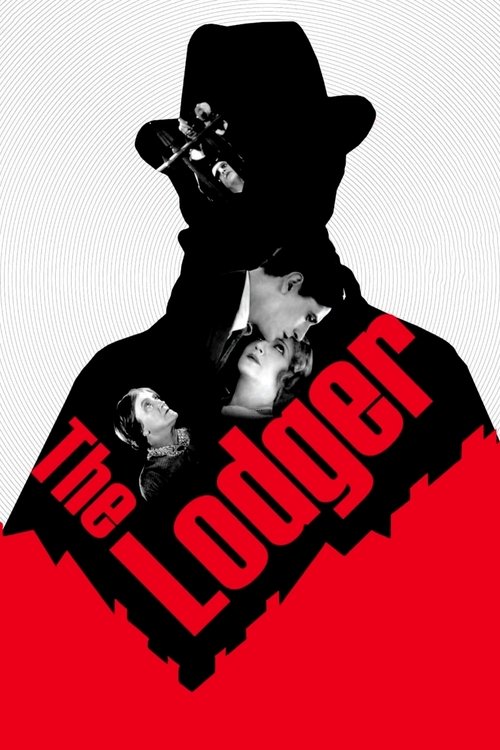
The Lodger: A Story of the London Fog1927
Hitchcock's breakthrough: paranoia, wrongful accusation, and a man destroyed by suspicion. Lean, propulsive, visually daring—a completely modern thriller made in 1927.
But It's a genre exercise without the emotional depth of The Enemy, and if silent thrillers don't grab you, nothing here will change your mind.
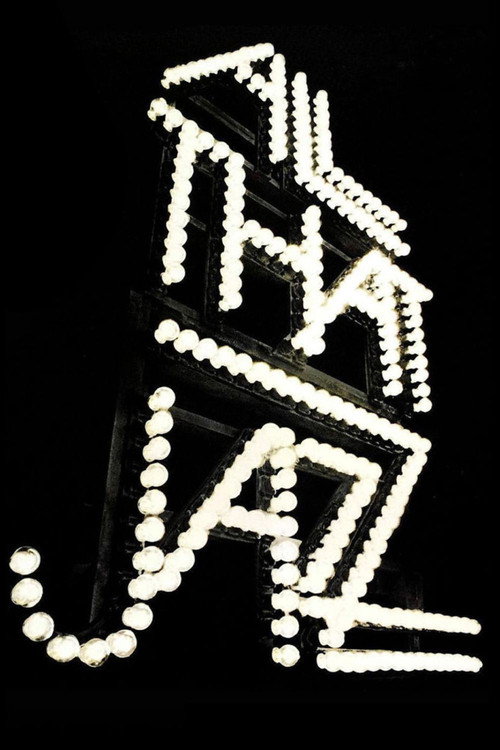
All That Jazz1979
Both films use romance—or its wreckage—as a lens through which to examine a man's impossible choices. Both ask what it costs to hold to principle while everything collapses. Both are devastating.
Fosse's semi-autobiographical fever dream about a man destroying everything for art. It's a modern echo of the silent era's expressionist angst, but louder, sicker, and absolutely unflinching about self-sabotage.
But It's graphic about sex, drugs, and bodily decay. The narrative is deliberately fractured and the tone oscillates between seduction and horror. Many find it more punishing than moving.
Come and See1985
Both films center on the civilian cost of war and the moral exhaustion of watching the people you love destroyed by forces beyond their control. Where The Enemy is tragic and intimate, Come and See is apocalyptic and almost unwatchable. The connection is tonal and spiritual rather than structural.
A Soviet film about a boy conscripted into WWII that makes every other war film look like pageantry. Shot with such unflinching brutality that it registers almost as documentary. A masterpiece.
But It's one of the most traumatizing films ever made. Not darkly artistic or coolly observant—just relentless depiction of what war does to the young and innocent. Many people should not watch it.

People
Cast
 Lillian GishPauli Arndt
 Ralph ForbesCarl Behrend
- Ralph EmersonBruce Gordon
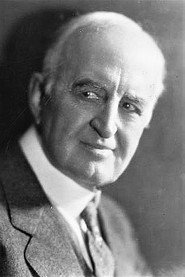 Frank CurrierProf. Arndt
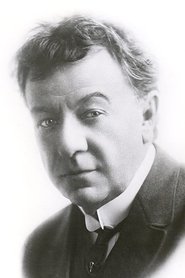 George FawcettAugust Bejremd
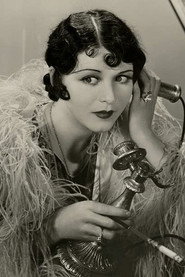 Fritzi RidgewayMitzi Winkelmann
- John S. PetersFritz Winkelmann
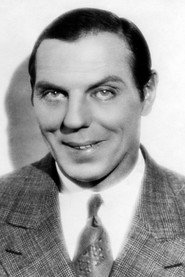 Karl DaneJan
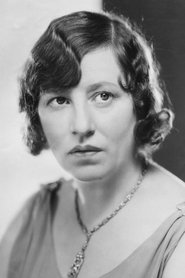 Polly MoranBaruska
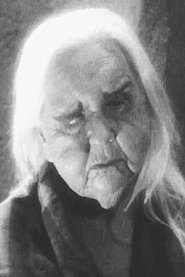 Louise Emmons(uncredited)
 Betty Jane GrahamLittle Girl (uncredited)
Directing
- Harold S. BucquetAssistant Director
- Fred NibloDirector
Writing
- Channing PollockTheatre Play
- Agnes Christine JohnstonWriter
- John ColtonWriter
- Willis GoldbeckWriter
Production
- Fred NibloProducer