
Film
The Big Parade
A silent-era World War I epic that stunned 1925 audiences by trading glory for mud, showing trench warfare as chaos rather than pageant, then wrapping it around a tender romance between an American soldier and a French village girl. John Gilbert anchors it with real physical presence. It's slow, wordless by nature, and unmistakably of its time, but the combat sequences and the quiet grief underneath still land. A genuine landmark for patient viewers.
If you liked this
All Quiet on the Western Front1930
The film that answers back to The Big Parade's romanticism with pure, unsparing dread — same war, same desire to show what it actually looked like, made just five years later with sound behind it.
But Punishingly bleak with almost none of the romance — if you came for the love story, this offers little to soften the horror.
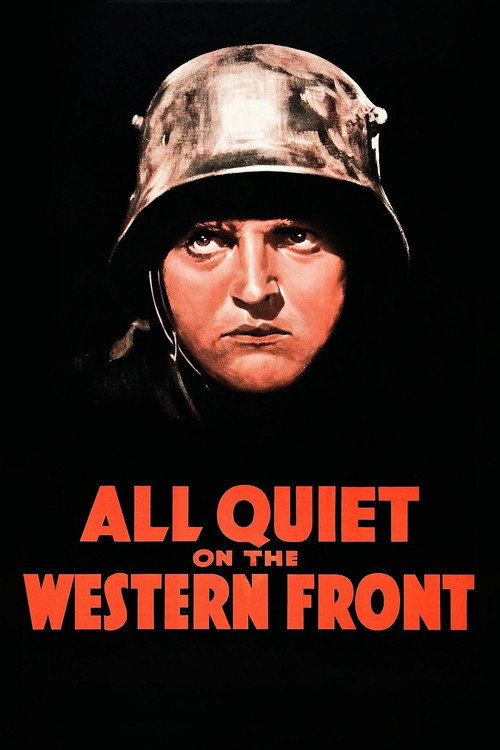
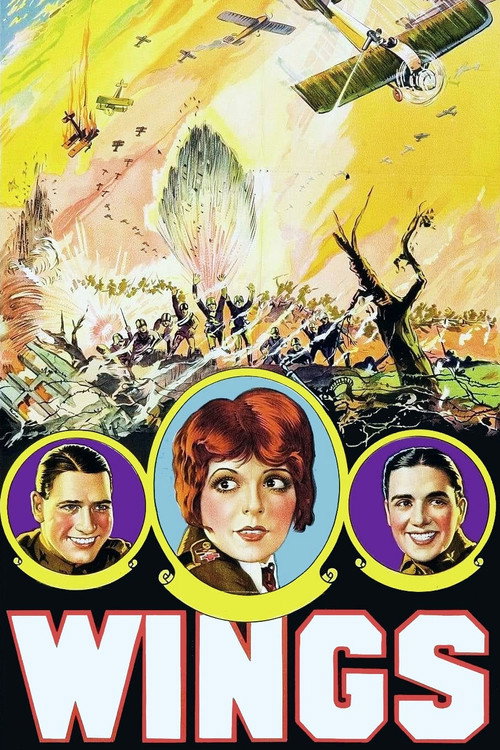
Wings1927
The other great silent WWI epic, shot the very same year, trading trench mud for aerial dogfights and a love triangle every bit as aching. Won the first Best Picture Oscar for good reason.
But Its romance is thinner and its pacing even more old-fashioned; the spectacle is the draw here, not the feeling.
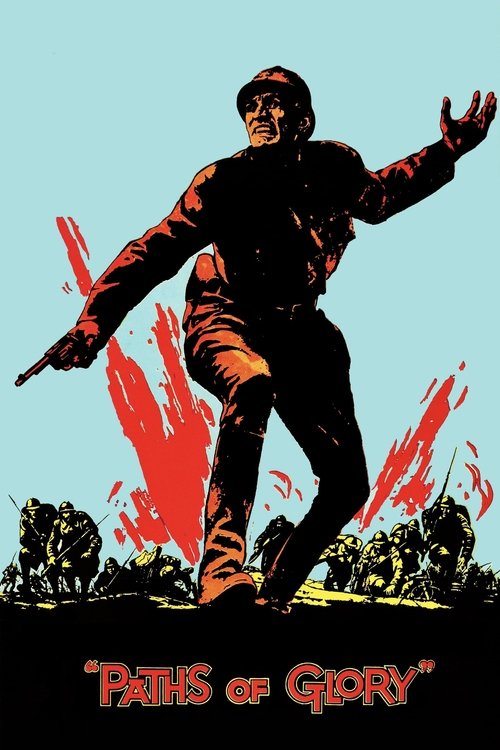
Paths of Glory1957
Kubrick strips the romance away entirely and turns the same trenches into a courtroom drama about cowardice, honour, and the men who order others to die.
But No love story, no youthful idealism to lose — it starts angry and stays there. A far colder film altogether.
The wildcard
Something you would not have found on your own.
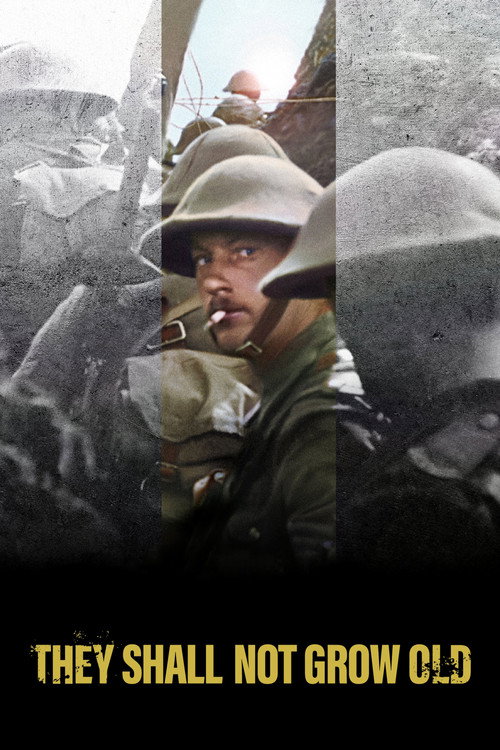
They Shall Not Grow Old2018
Peter Jackson took real, unrestored footage from the exact war The Big Parade dramatizes and colourised, slowed, and voiced it with veterans' own testimony — the documentary answer to Vidor's fiction, showing the actual mud the film was imagining.
It's the truth behind the myth — the actual young men, the actual trenches, restored so vividly they stop looking like history and start looking like now.
But No plot, no romance, just first-hand testimony and unbearable close-ups — a completely different, far heavier kind of watching.
More like this (8)
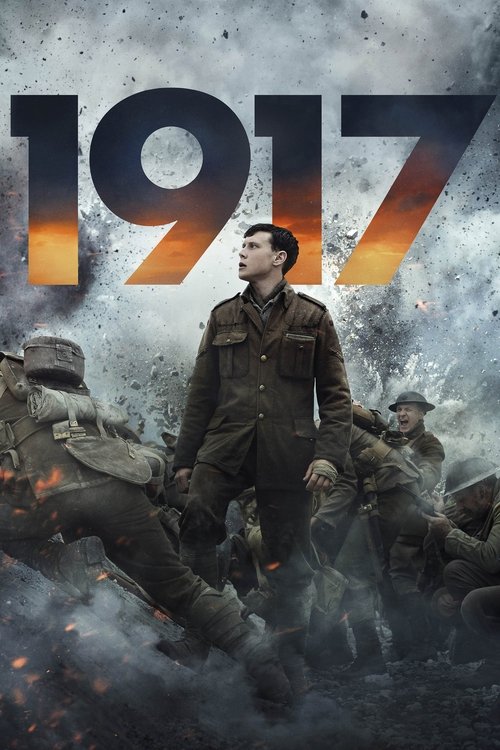
19172019
Same war, same mud, but shot to put you inside a single continuous nightmare rather than watching from a distance. The technical thrill is completely real.
But The one-shot gimmick can feel more like a magic trick than a story; some found the emotion thinner than the craft.
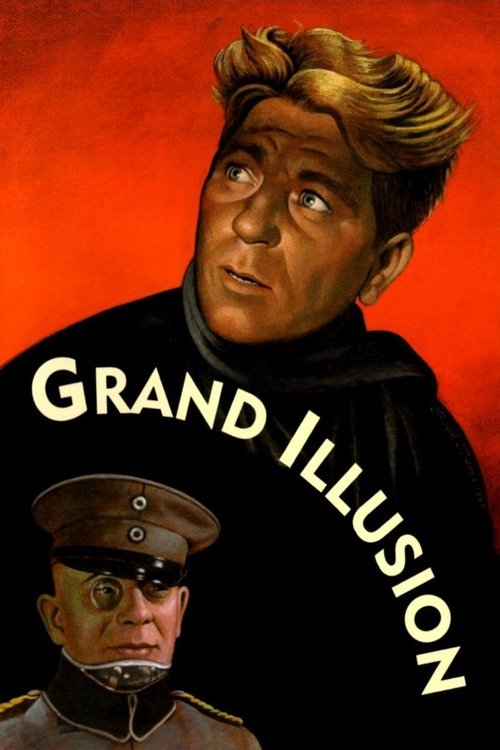
Grand Illusion1937
Renoir's POW drama shares The Big Parade's belief that ordinary decency can survive even inside a machine built for slaughter — gentler, wiser, quietly devastating.
But Almost no combat at all; if you want the trenches, this one stays behind the wire the whole time.
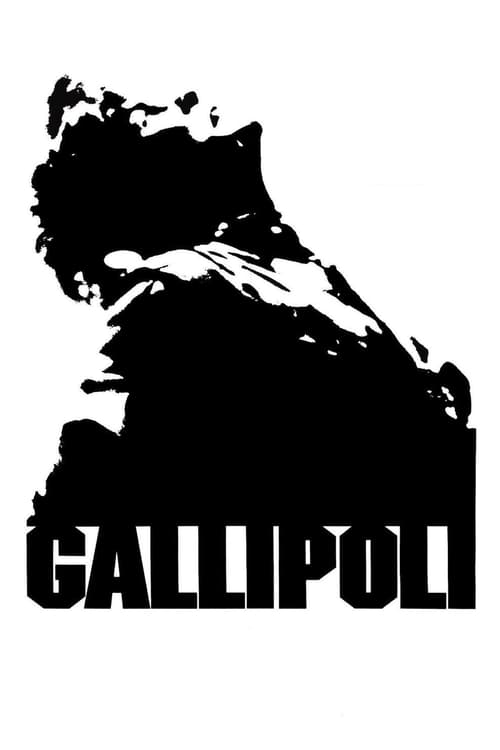
Gallipoli1981
Peter Weir's young Australians go to war with the same wide-eyed excitement Jim Apperson does, and the film makes you feel every ounce of what that costs.
But The ending is famous for a reason — a gut-punch some viewers find too calculated, too neat in its cruelty.
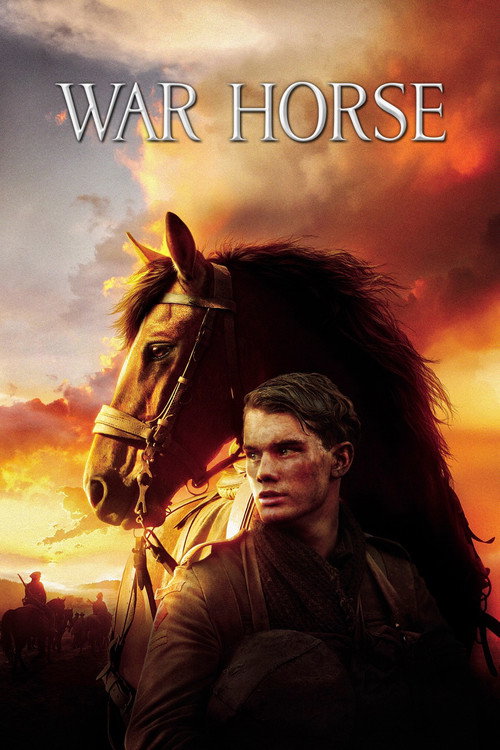
War Horse2011
Spielberg's WWI story keeps The Big Parade's mix of tenderness and horror, following ordinary people and animals dragged into a war nobody explains to them.
But Considerably softer and more sentimental — this film wants you to cry rather than trusting silence to do the work.
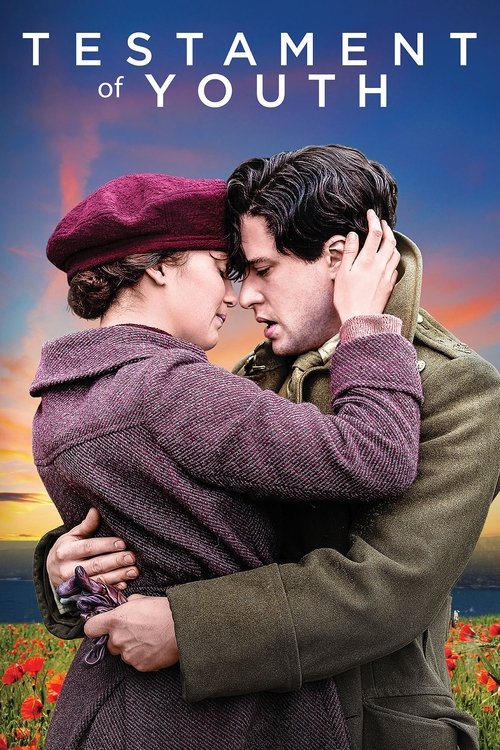
Testament of Youth2015
Told from the home front and the nursing tents rather than the trenches, this gives the waiting, grieving women left behind their own version of Jim's story.
But Handsome and well-acted but conventional; it plays its grief safely where The Big Parade risked strangeness.
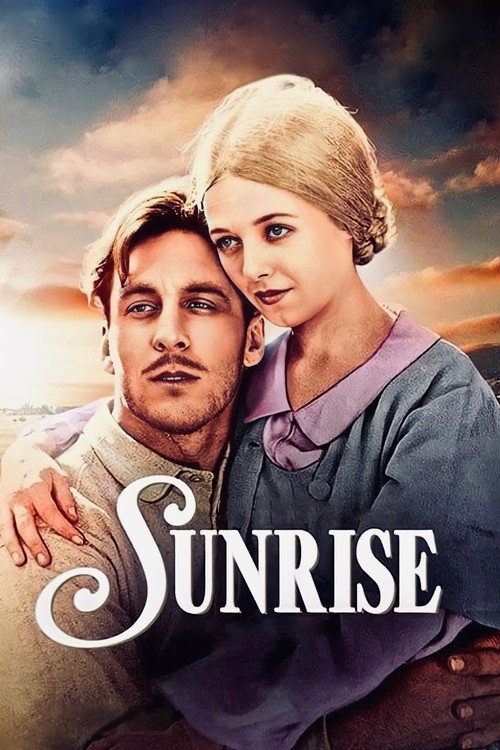
Sunrise: A Song of Two Humans1927
No war here — just Murnau's silent camera doing extraordinary things with a marriage in crisis. If it was Vidor's visual poetry you loved, this is its equal.
But A completely different story with no battlefield at all; go in for the craft, not for more war.
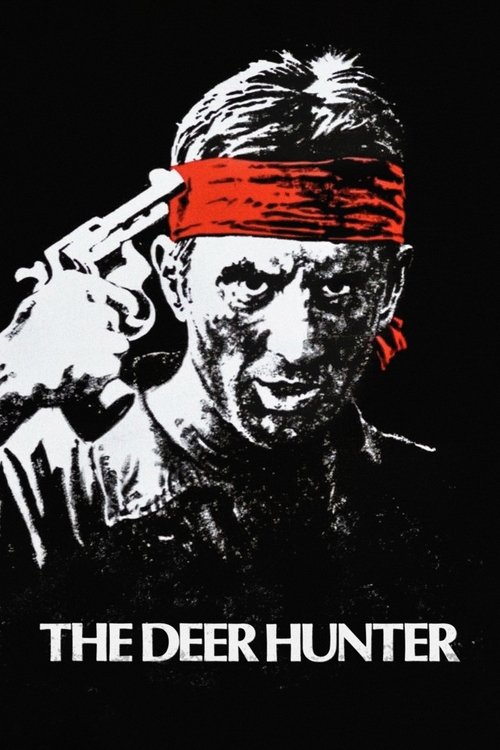
The Deer Hunter1978
Swap the Rainbow Division for Pennsylvania steelworkers and WWI for Vietnam, and you get the same skeleton: idle young men enlist together, one falls in love before leaving, and none of them come home as the person who left.
It takes The Big Parade's structure — friendship, romance, then the shattering return — and pushes it fifty years forward with unbearable intensity and one of De Niro's greatest performances.
But It's three hours, deliberately paced, and includes scenes, particularly the Russian roulette sequences, that are genuinely hard to sit through.
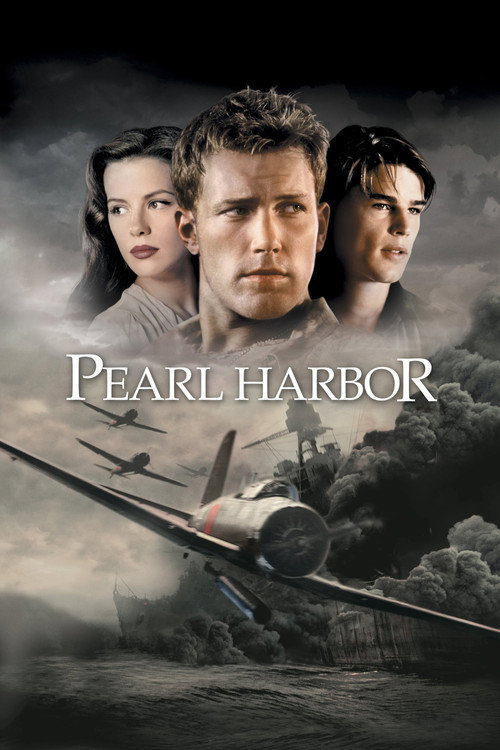
Pearl Harbor2001
This is what happens when Hollywood remakes The Big Parade's formula decades later — best friends, a love triangle, a war that arrives to test it all — with none of the restraint, all of the budget, and a much lower opinion of its audience's patience for subtlety.
If you want to see the same DNA — buddy soldiers, a woman caught between them, a war reshaping everyone — played at maximum Hollywood volume, this is shameless, glossy fun.
But It's cheesy, overlong, and historically dubious where The Big Parade earns its emotion; go in expecting spectacle, not sincerity.
People
Cast
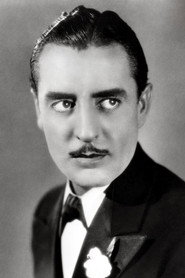 John GilbertJames 'Jim' Apperson
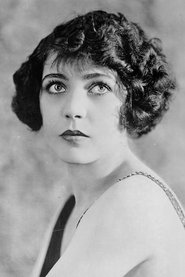 Renée AdoréeMelisande
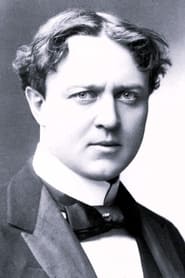 Hobart BosworthMr. Apperson
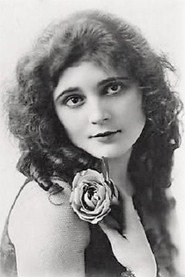 Claire McDowellMrs. Apperson
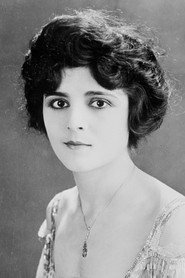 Claire AdamsJustyn Reed
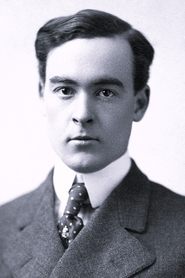 Robert OberHarry Apperson
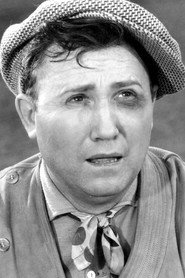 Tom O'BrienMichael Olysius 'Bull' O'Hara
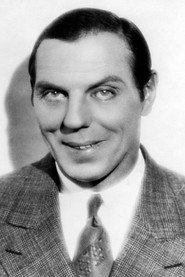 Karl Dane'Slim' Jensen
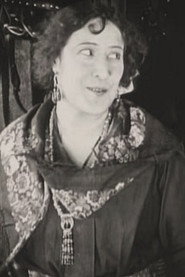 Rosita MarstiniMelisande's Mother
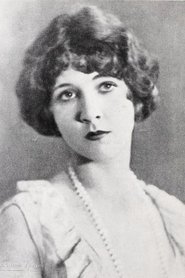 Julanne JohnstonJustine Devereux (uncredited)
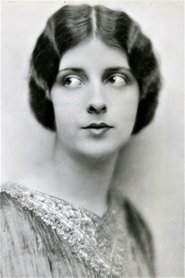 Kathleen KeyMiss Apperson (uncredited)
- Carl RoupDoughboy (uncredited)
Directing
- King VidorDirector
Writing
- Harry BehnScreenplay
- Joseph FarnhamTheatre Play
Production
- Irving ThalbergProducer