
Film
The Foreign Legion
A 1928 silent melodrama about a man who flees false accusation by joining the French Foreign Legion, only to discover his commanding officer is his estranged father. It's swashbuckling adventure filtered through the emotional register of the era—grand gestures, moral redemption, and the kind of earnest emotion that finds its power in restraint and composition.
If you liked this
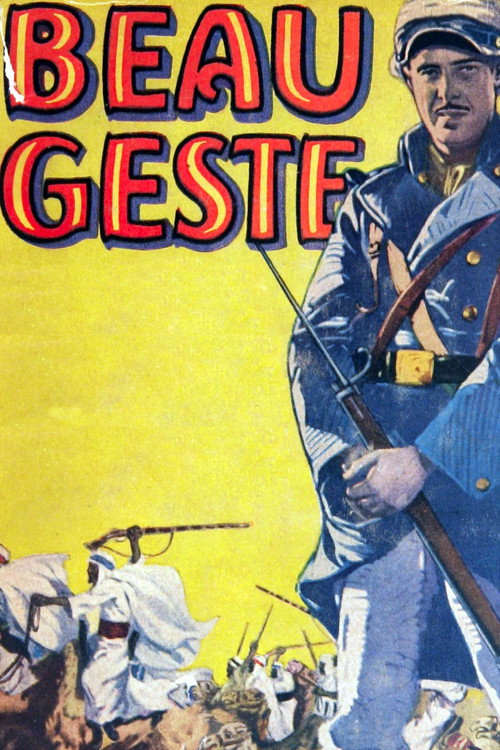
Beau Geste1926
Ronald Colman in the quintessential Foreign Legion picture: honour, brotherhood, and mystery across the desert. If you loved the mythology of The Foreign Legion, this is where it crystallized. Colman is magnetic.
But It's even more plot-driven than character-driven, and the mystery is solved in ways that feel convenient rather than earned. The pacing sags in the middle.
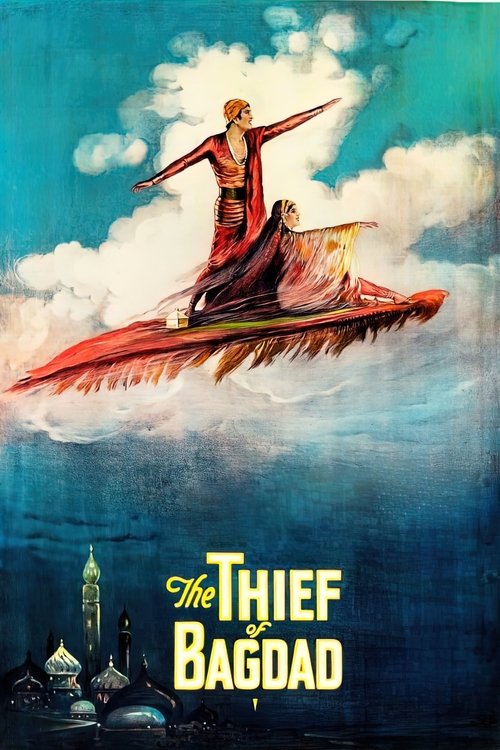
The Thief of Bagdad1924
Douglas Fairbanks in pure adventure spectacle: impossible sets, genuine physical courage, a hero who survives by wit and charm. The same DNA as The Foreign Legion but with fantasy instead of realism, and astonishing technical ambition.
But It's twenty minutes too long, and some of the magical effects haven't aged as gracefully as the stunt work. The plot is thin as gossamer.
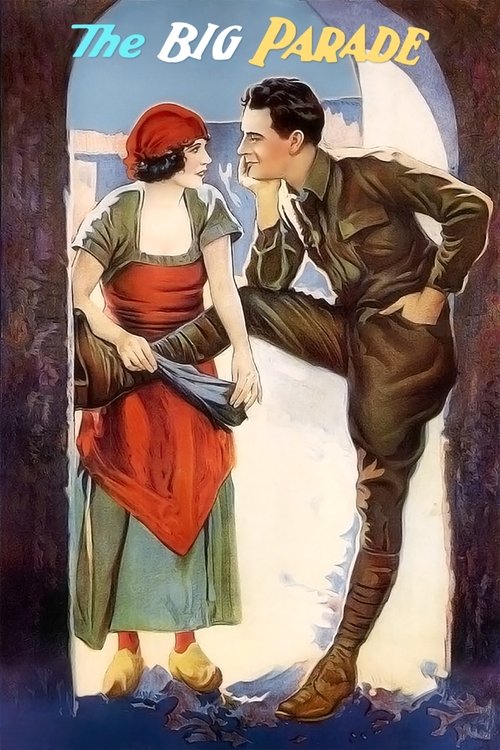
The Big Parade1925
John Gilbert as a doughboy in the First World War. Like The Foreign Legion, it's about ordinary men caught in military machinery and transformed by it. The battle sequences are genuinely harrowing; the emotional core is devastating.
But It's three hours long and moves at a deliberate pace that modern audiences often find glacial. The romance subplot can feel like a distraction from what matters.
Not sure tonight? Get a pick in a minute, starting from The Foreign Legion
The wildcard
Something you would not have found on your own.
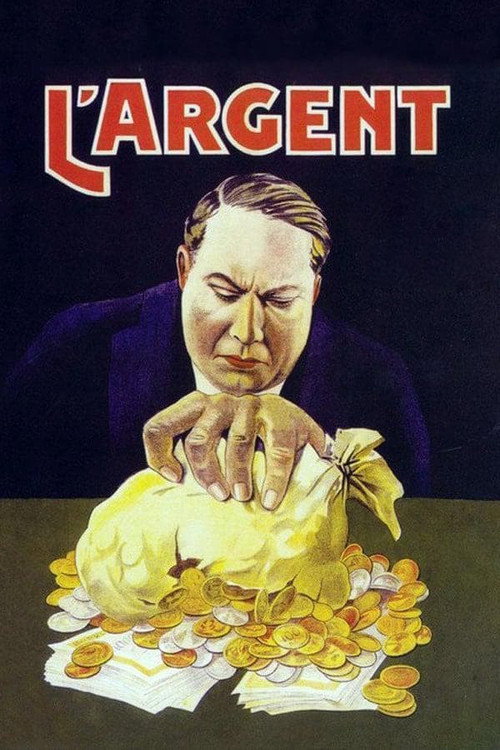
L'Argent1928
Both centre on an innocent man unjustly accused, but where The Foreign Legion offers escape and eventual reconciliation, L'Argent follows the logic of ruin to its end. They're inverses of the same moral question.
Carl Theodor Dreyer's French masterpiece about the fall of an innocent man—not into adventure, but into absolute degradation. It shares The Foreign Legion's interest in false accusation and moral survival, but renders it as tragedy rather than melodrama. Shot in crisp, merciless clarity. Spiritually devastating.
But It's relentlessly bleak with no redemption offered. The ending is brutal. If you're watching for adventure or uplift, you will be profoundly disappointed.
More like this (7)
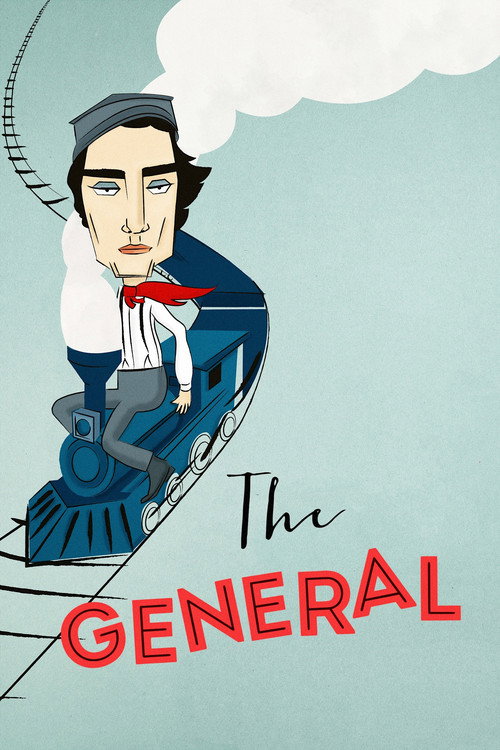
The General1926
Buster Keaton in a Civil War comedy that moves like physics. Nothing like The Foreign Legion tonally, but identical in its faith in physical storytelling and in the power of a man alone against circumstance. Endlessly inventive and funny.
But If you don't find Keaton's particular brand of deadpan funny, you won't find much to hold you. The plot is basically an excuse for sequences.
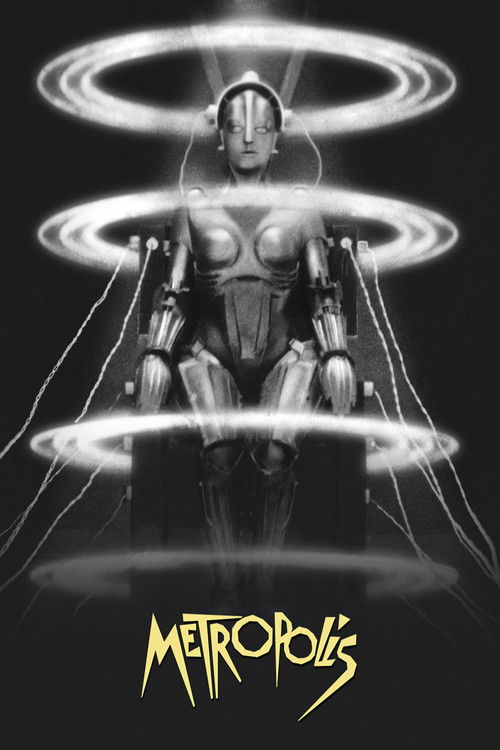
Metropolis1927
Fritz Lang's vision of a dystopian future city. Shares The Foreign Legion's interest in class conflict and moral awakening, but scales it to apocalyptic grandeur. The production design is still stunning; the ambition still takes your breath away.
But The restored versions run two and a half hours. The dialogue cards are heavy-handed, and the romantic plot is earnest to the point of silliness.
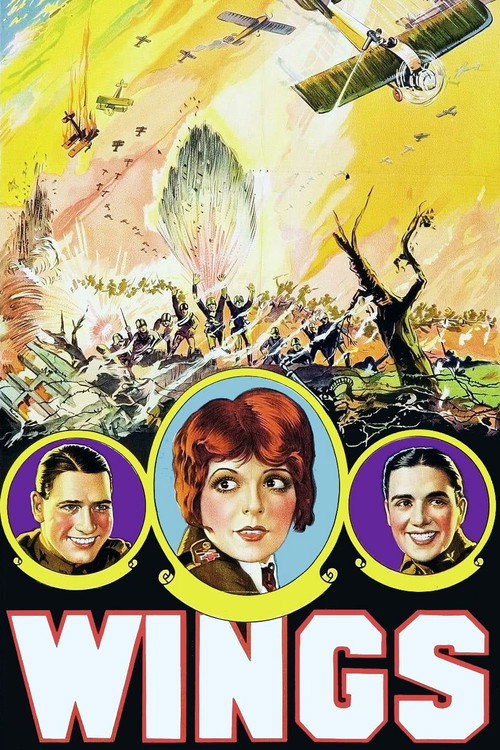
Wings1927
A First World War aviation epic that won the first Best Picture Oscar. Two friends, one love triangle, and some of the most thrilling aerial sequences ever filmed. It understands brotherhood and sacrifice like The Foreign Legion does.
But The love triangle is schematic and the resolution feels convenient. Some of the tinting is garish, and the pacing loses momentum in the second half.
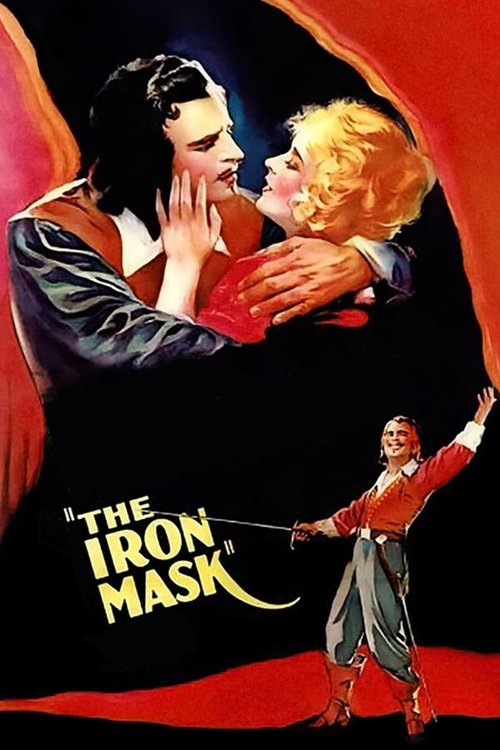
The Iron Mask1929
Douglas Fairbanks again, in Dumas: swashbuckling, political intrigue, and a hero who discovers nobility in sacrifice. It's the same adventure mode as The Foreign Legion but with all the romanticism turned up to full.
But It's wildly uneven—great sequences buried between padding. The dual role (Fairbanks as both king and prisoner) gives him less to do than usual. It feels like it was edited in haste.
The Phantom Carriage1921
Arne Bergman's Swedish masterpiece about a man given one night to redeem his life before death claims him. Like The Foreign Legion, it's about moral reckoning and the cost of redemption. The ghost sequences are genuinely eerie and poetic.
But It's very slow, very solemn, and very Swedish. If you're looking for action or entertainment, you won't find much. It's demanding in mood and pace.

Sunrise: A Song of Two Humans1927
Both films believe that a man's soul can be saved through ordeal—one through military service and sacrifice, the other through romantic crisis. Both use visual language to express moral transformation.
F.W. Murnau's masterpiece about a marriage nearly destroyed and rebuilt. It's not about legion or war, but it's about the same thing: a man lost, a man transformed, a man redeemed through emotional extremity. The technical virtuosity is staggering; the feeling is pure.
But It's a domestic drama, not an adventure film. If you're drawn to The Foreign Legion for spectacle and action, this will feel quieter, slower, and almost unbearably intimate.

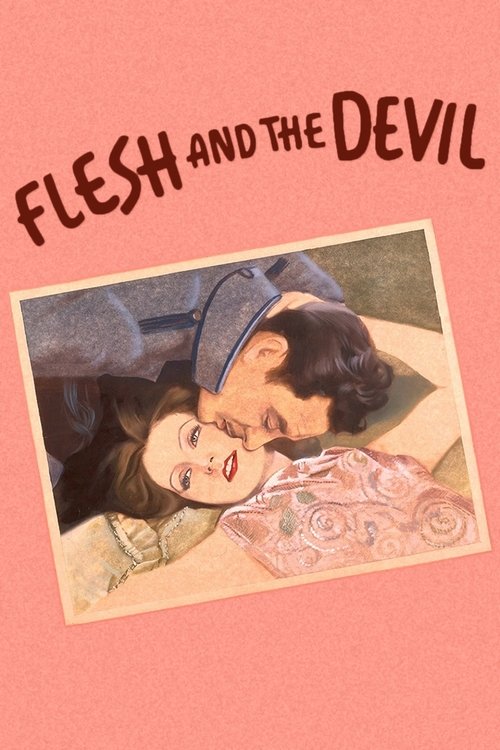
Flesh and the Devil1926
Both films feature men in military settings wrestling with honour and loyalty; both ask whether personal redemption is possible when institutional forces press down. But where The Foreign Legion finds redemption, Garbo's presence corrupts it entirely.
Clarence Brown's film with Greta Garbo and John Gilbert as lovers torn apart by a woman who destroys what she touches. It's not about legion or war, but about men in uniform, loyalty, betrayal, and whether love or duty matters more. Gilbert is superb; Garbo rewrites what cinema can be.
But It's intensely melodramatic and operates entirely in the register of romantic passion. If you prefer plot to feeling, or story to visual poetry, it will seem overwrought and slow.
People
Cast
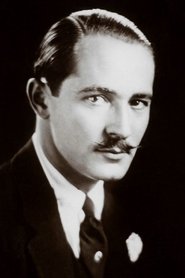 Norman KerryRichard Farquhar
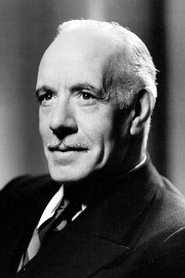 Lewis StoneCol. Destin
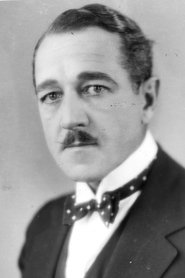 Crauford KentCapt. Arnaud
 Mary NolanSylvia Omney
 June MarloweGabrielle
- Walter PerryCpl. Gotz
- Billy SeayRichard as a boy
Directing
- Edward SlomanDirector
Writing
- Charles KenyonWriter
- I.A.R. WylieWriter
- Jack JarmuthWriter