
Film
Tatsumi
A portrait of manga pioneer Yoshihiro Tatsumi, told through animation of his own darkly humanistic stories. This is a film about artistic rebellion and the cost of seeing the world clearly—a meditation on craft wrapped in noir-inflected vignettes about ordinary people and small tragedies. For anyone who's felt the pull of art that refuses to be comfortable.
If you liked this
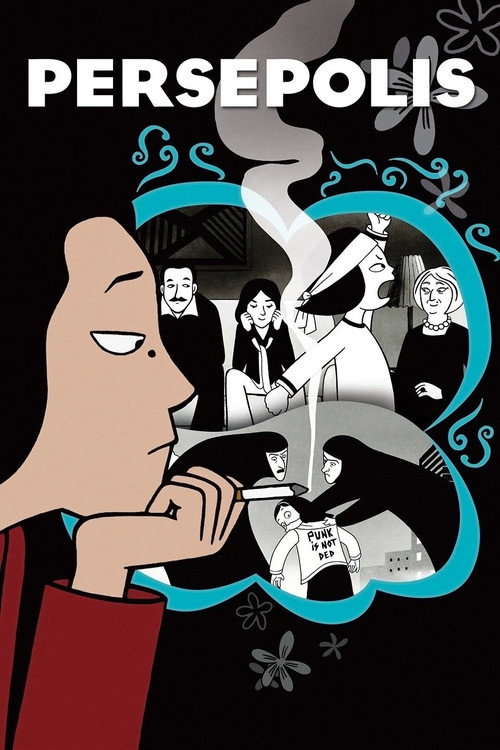
Persepolis2007
Marjane Satrapi's animated memoir shares Tatsumi's gift for finding the personal within the historical, using black-and-white imagery to dig into identity, family, and what it means to resist. Equally assured in tone.
But It's a coming-of-age story, and if you're tired of that frame, the Iranian Revolution backdrop won't entirely compensate.
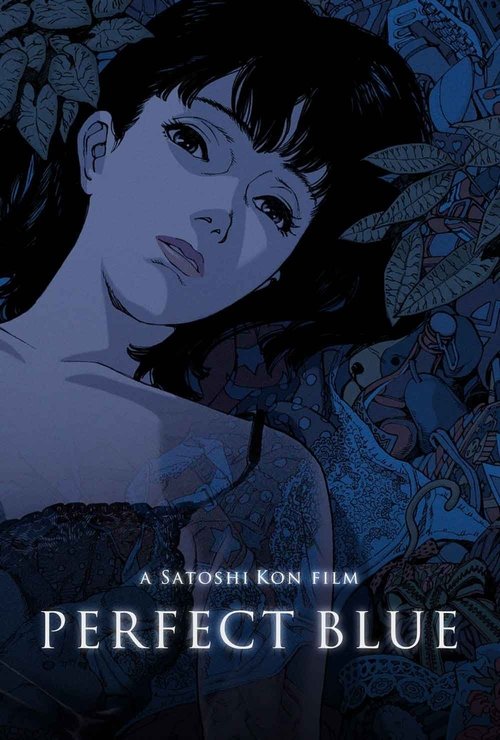
Perfect Blue1998
Satoshi Kon's psychological thriller proves animation can do psychological horror and existential dread as well as live-action ever could. The fragmentation of self and the cost of performance echo Tatsumi's themes.
But It's deliberately disorienting and surreal; if you want clarity from your narrative, this will frustrate you.
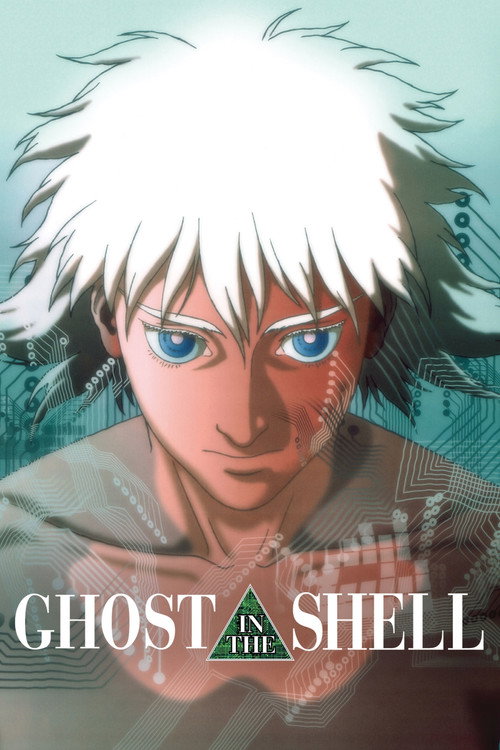
Ghost in the Shell1995
Mamoru Oshii's masterpiece is adult anime that actually earns the designation—philosophical, visually stunning, asking serious questions about consciousness and identity. Made by someone who understands that maturity isn't cynicism.
But Pacing is glacial and the plot is thin; it's a meditation that happens to be animated, not an action film.
Not sure tonight? Get a pick in a minute, starting from Tatsumi
The wildcard
Something you would not have found on your own.
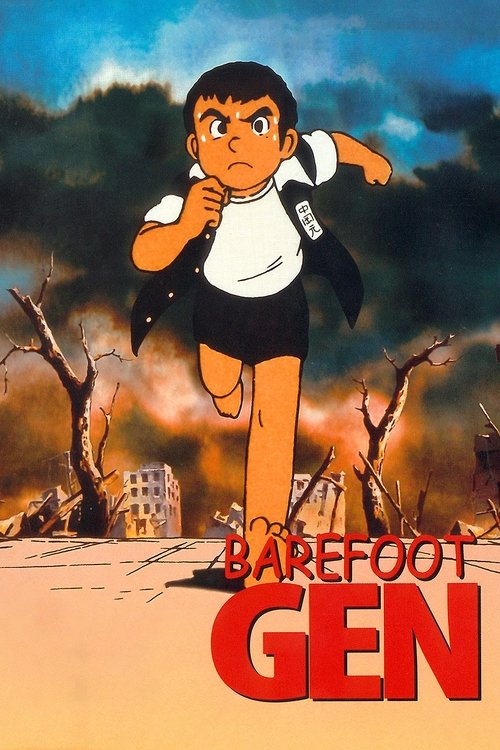
Barefoot Gen1983
Both are manga-born stories about witnessing Japan's modern darkness. Both refuse the easy narrative of survival as uplift.
Masaki Maruyama's anime adaptation of Keiji Nakazawa's manga memoir about surviving Hiroshima finds the same grace in devastation that Tatsumi's work does. A historical document and an intimate story at once, drawn rather than filmed.
But The animation is deliberately crude and the subject matter is unflinching. It won't comfort you or look polished.
More like this (8)
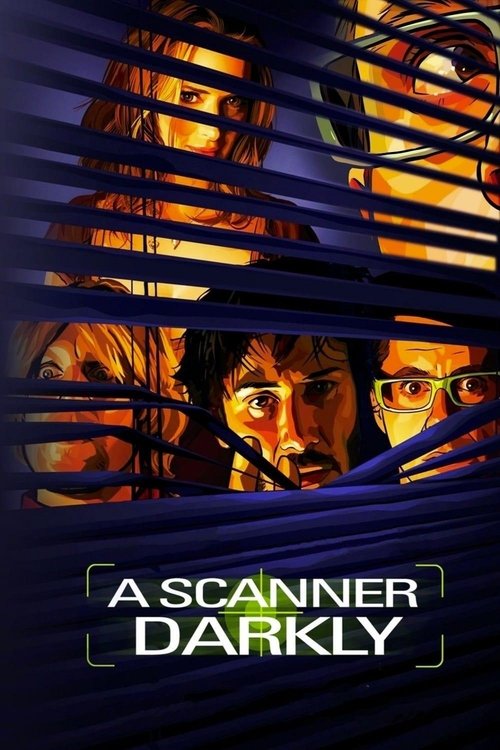
A Scanner Darkly2006
Richard Linklater animates Philip K. Dick to capture a paranoid, fragmented consciousness. Like Tatsumi, it finds tragedy in the mundane and uses its rotoscoped style to make us unsettled rather than comforted.
But The story is deliberately elliptical and the payoff is bleak. If you watch to feel better, this is the wrong choice.
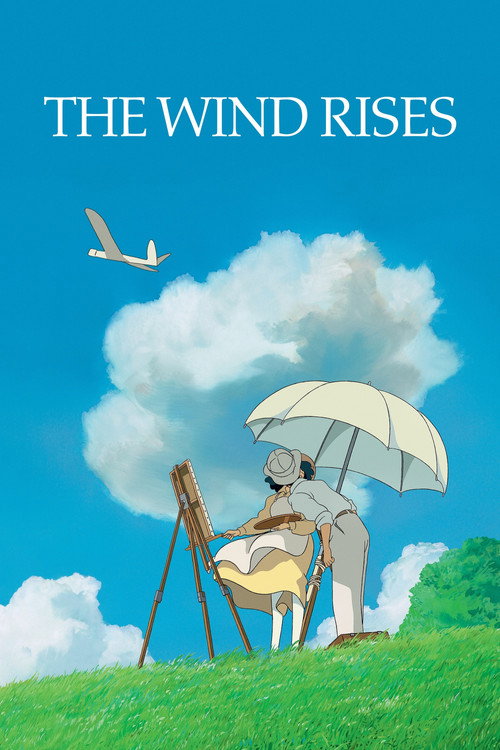
The Wind Rises2013
Hayao Miyazaki's meditation on artistic obsession and historical complicity. It asks whether the pursuit of beauty justifies the cost, especially when that pursuit happens under fascism—a question Tatsumi knew intimately.
But It's gentle and lyrical where you might expect confrontation; some find it too romantic about its flawed protagonist.
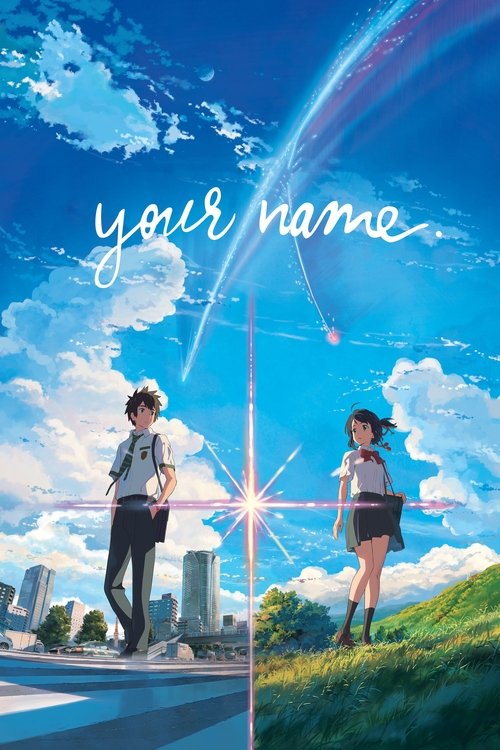
Your Name.2016
Makoto Shinkai's film about connection across space and time has the visual sophistication and emotional maturity of prestige cinema, proving anime could reach mainstream audiences without sacrificing intelligence.
But It's romantic where Tatsumi is austere; if you want to match his moral weight, this pivots away from it.
Harakiri1962
Masaki Kobayashi's masterpiece is the live-action equivalent of what Tatsumi was doing in manga—stripping away glamour to reveal systemic cruelty and human dignity in extremity. Both unmask their culture.
But It's a 134-minute black-and-white film about ritual suicide. That's not hyperbole about the heaviness.

In the Mood for Love2000
Wong Kar-wai's film about desire and restraint is as precise about human loneliness as Tatsumi's best stories. The aesthetic obsession and the emotional restraint create the same kind of ache.
But It's almost plotless and relies entirely on mood and visual composition. Some find it self-indulgent.

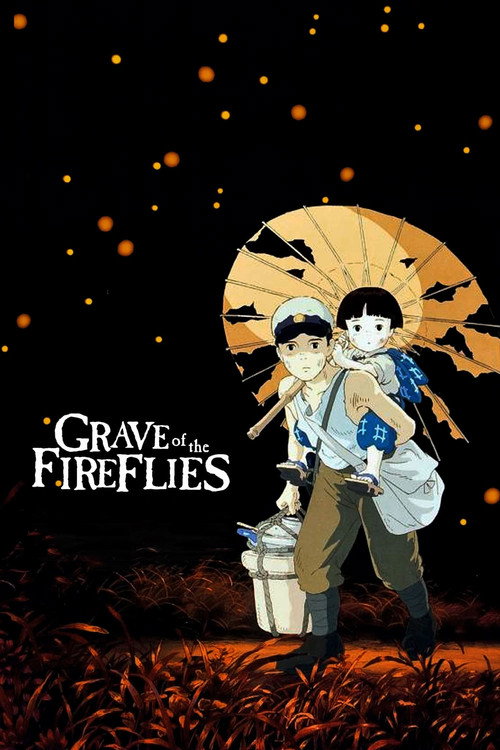
Grave of the Fireflies1988
Isao Takahata's animated film about two children during wartime Japan is devastatingly human and specific. It shares Tatsumi's refusal to look away from suffering or simplify its sources.
But It's one of the most emotionally punishing films ever made. You will not feel good after watching it.
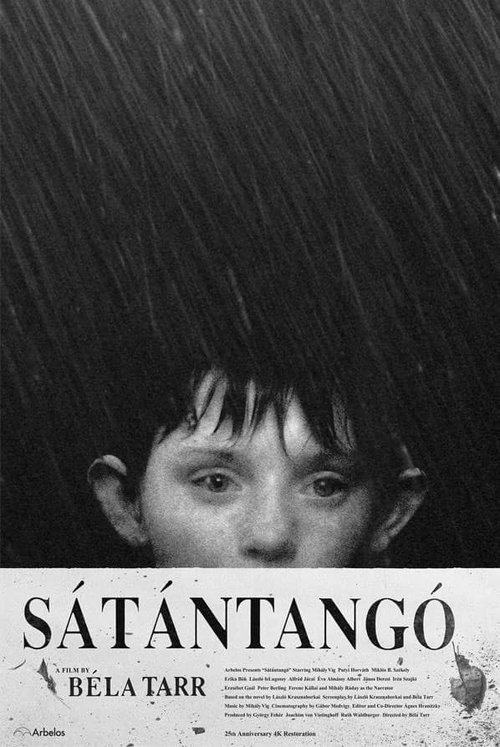
Satantango1994
Both see tragedy as the default human condition and refuse sentimentality. Both are artists at peak control deploying constraint as a tool.
Béla Tarr's seven-hour black-and-white Hungarian epic about moral collapse and small-town desperation is Tatsumi's sensibility translated into maximalist cinema. Bleak, precise, obsessed with human weakness and dignity.
But It's a seven-hour film shot in black and white with minimal plot. If you need things to move, this will test you severely.
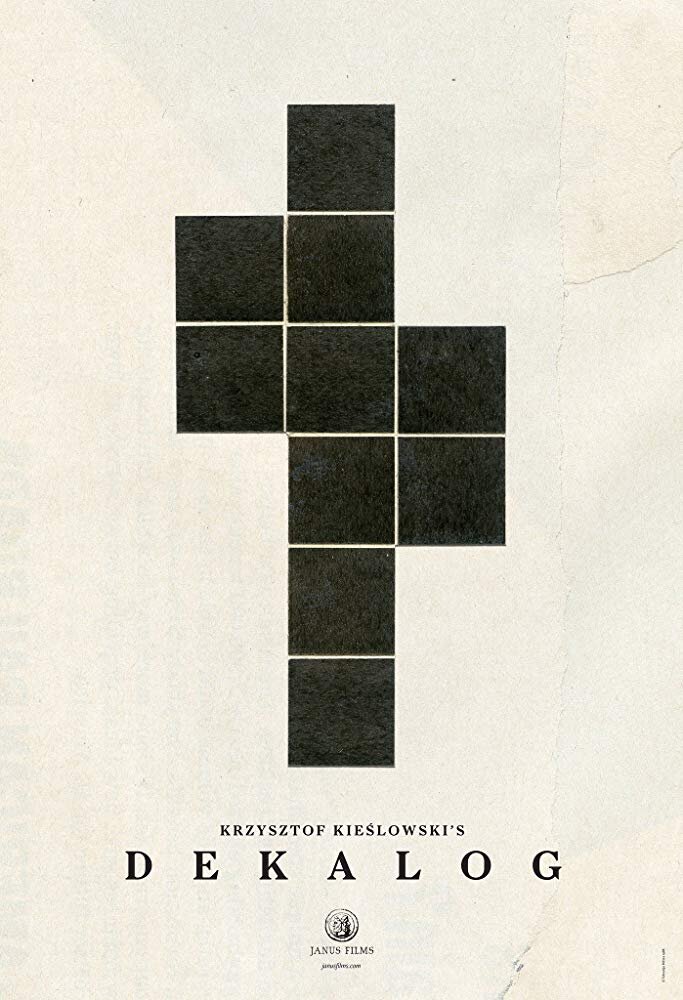
Dekalog1989
Both artists use constraint—one story, one moral question—to dig toward something true about how people actually fail and endure.
Krzysztof Kieślowski's ten-part television series tells ten stories around the Ten Commandments, each a small tragedy about ordinary people. Dense, morally complex, never preachy—it's Tatsumi's method scaled across episodic narrative.
But It was made for Polish television in 1988, so the image quality is soft and the pacing is contemplative. If you want conventional production values, look elsewhere.
People
Cast
 Tetsuya Bessho(voice)
- Motoko GollentMariko (voice)
- Yoshihiro Tatsumi(voice)
 Mike WiluanJoe (voice)
Directing
- Eric KhooDirector
Writing
- Yoshihiro TatsumiComic Book
- Eric KhooScreenplay
Production
- Gary GohCo-Producer
- Greg ChewCo-Producer
- Jacqueline KhooExecutive Producer
- Eric KhooProducer
- Esaf Andreas SinaulanProducer