
Film
Taipei Story
Taipei Story captures a young couple adrift in 1980s Taiwan, caught between traditional obligations and modern ambitions. She wants escape and reinvention; he's anchored by loyalty to family and nostalgia. It's a quietly observant film about the friction between desire and duty, shot with Hou Hsiao-hsien's characteristic patience and tenderness for everyday moments.
Should you watch it?
Watch it if you are drawn to films where the feeling of a place and a generation's unspoken disappointments carry more weight than plot, and where a quiet glance says what dialogue won't.
Skip it if you want momentum and a clear arc, since this drifts through conversations, errands and apartments and rarely hurries to explain itself.
What it asks of you: Two hours at a patient, observational pace, with long stretches where little seems to happen and attention pays off in small gestures and overheard remarks.
Not sure? Find tonight's pick in a minute.
If you liked this
In the Mood for Love2000
Wong Kar-wai's masterpiece about two neighbours discovering an affair in 1960s Hong Kong. Like Taipei Story, it's about longing and constraint, but expressed through colour, music, and visual poetry instead of naturalism.
But It's deliberately slow and repetitive, circling the same moments. If you want plot momentum, this will feel like being trapped in amber.

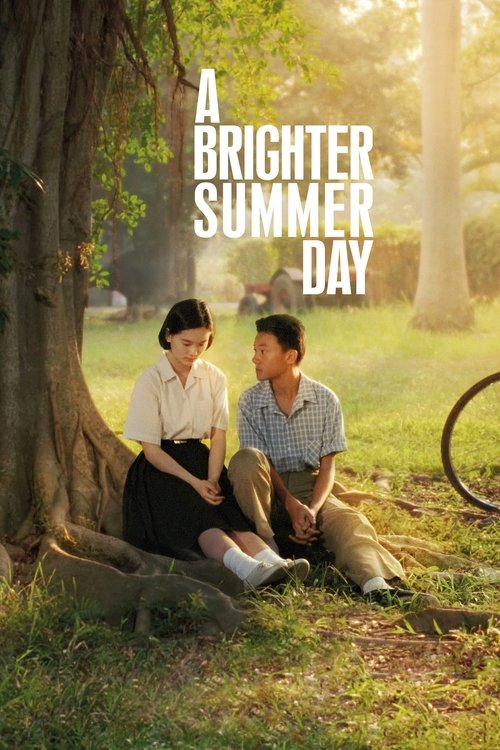
A Brighter Summer Day1991
Edward Yang's four-hour epic about youth gangs and first love in 1960s Taipei. It shares Taipei Story's interest in how personal dreams collide with social pressure, but operates on an infinitely grander scale.
But The length is real, and the pacing asks serious patience. It's also darker and more violent than Taipei Story, without moments of lightness to break the tension.
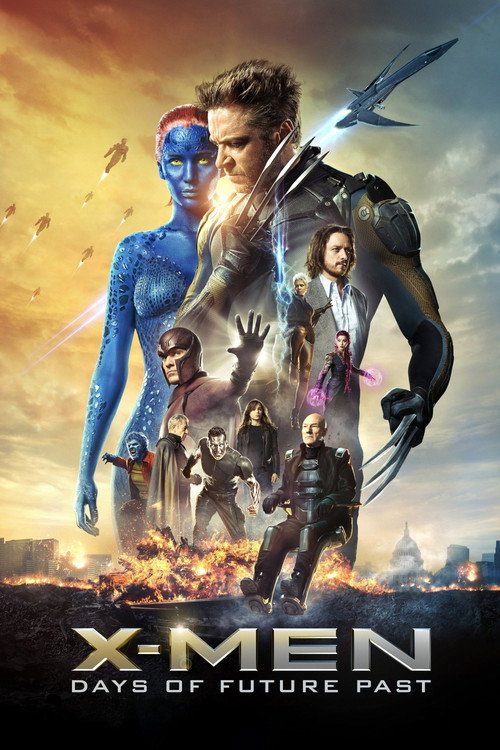
X-Men: Days of Future Past2014
Tsai Ming-liang's intimate portrait of a couple in their routines, mostly wordless, finding small grace in domestic repetition. It echoes Taipei Story's gentleness and its belief that quiet moments matter.
But There is almost no plot. If you're watching for something to happen, you will be profoundly frustrated by the deliberate pace.
Not sure tonight? Get a pick in a minute, starting from Taipei Story
The wildcard
Something you would not have found on your own.
Ikiru1952
Both films believe that the most human moments are the smallest ones, and that loyalty and obligation can be sources of profound meaning rather than mere burden. Both find their power in what characters don't say.
Kurosawa's film about a dying Tokyo bureaucrat discovering meaning through small acts of kindness. Like Taipei Story, it's about duty, sacrifice, and finding purpose in constraint—but it earns its emotional weight through accumulated grief, not through restraint.
But It's a Japanese film from the 1950s shot in black and white, and it's fundamentally about dying. The pacing is deliberate and the mood is somber without relief.

More like this (8)
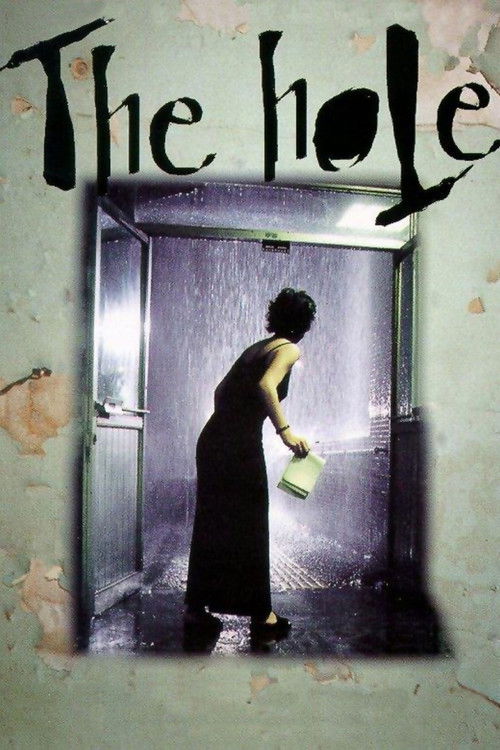
The Hole1998
Also by Tsai Ming-liang, this film about two neighbors separated by a wall in rainy Taipei uses the city itself as a character. It has Taipei Story's melancholy urban mood but filtered through surrealism and dark comedy.
But The surreal elements and the sexual content might feel jarring if you're expecting something grounded. It's also visually very dark and sometimes grotesque.
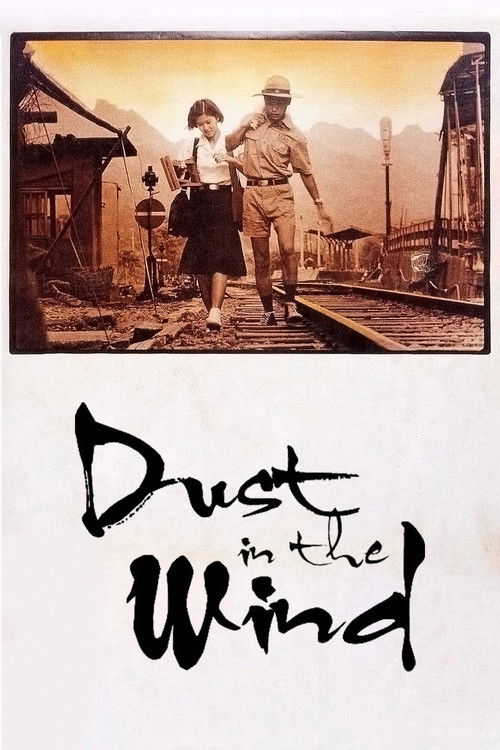
Dust in the Wind1986
Hou Hsiao-hsien's film about rural teenagers working in the city and dreaming of escape. It shares Taipei Story's DNA—the same director, similar era, same tension between aspiration and circumstance.
But The rural setting and slower pace might feel like a step further away from conventional drama. Some viewers find Hou's style too minimalist.
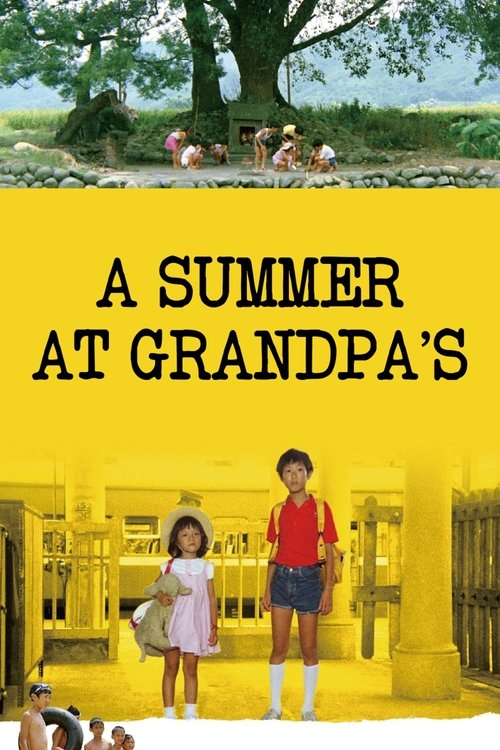
A Summer at Grandpa's1984
Hou Hsiao-hsien's earlier film about childhood and family obligation, shot with the same observant warmth. It's a gentler entry point to his sensibility than Taipei Story.
But It's very quiet and child-focused. Adult viewers sometimes find it meandering or too understated.
Chungking Express1994
Wong Kar-wai's Hong Kong romance about two cops and two women, melancholic but suffused with neon and pop songs. It has Taipei Story's theme of urban loneliness and missed connections, but wrapped in style and energy.
But The visual overload and fractured narrative structure feel like the opposite of Taipei Story's restraint. Some find it beautiful but insubstantial.

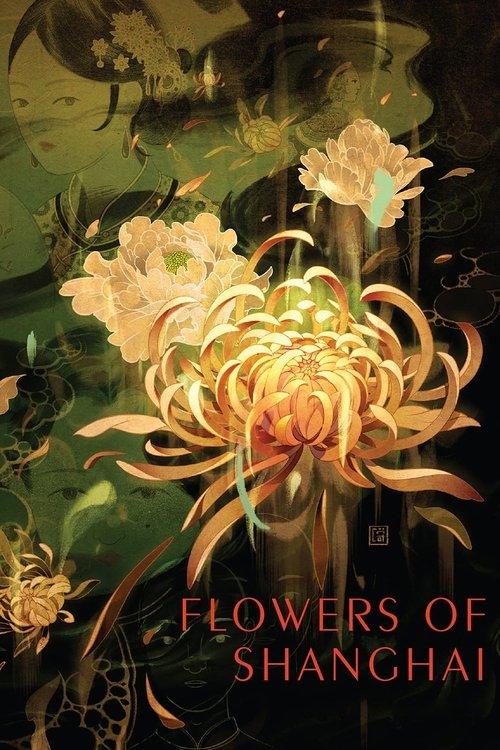
Flowers of Shanghai1998
Hou Hsiao-hsien again, this time set in 1880s Shanghai courtesans' houses. It's about desire thwarted by circumstance and social role, using static long takes and natural lighting to hypnotic effect.
But The historical setting and extreme formality might feel distant. The film is visually gorgeous but deliberately slow and repetitive.
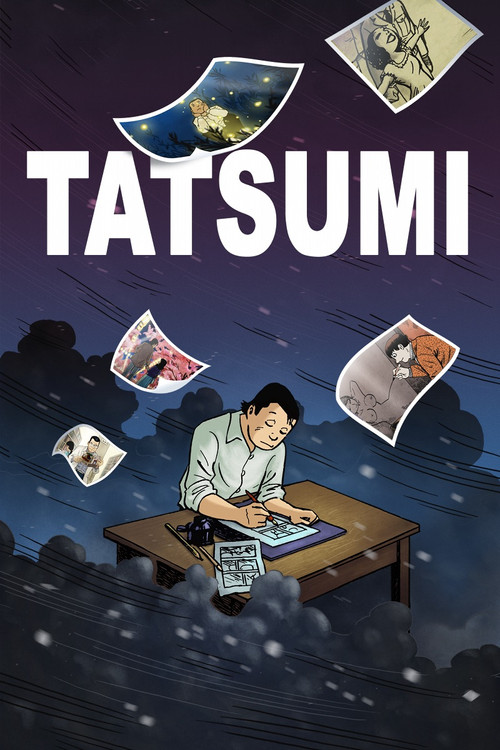
Tatsumi2011
Hou Hsiao-hsien's meditation on memory, aging, and the passage of time. For viewers who loved Taipei Story's emotional restraint and want to see Hou working at his most philosophical.
But It's abstract and fragmentary, with minimal conventional narrative. Very long, and demands active engagement rather than passive watching.
The Ballad of Little Jo1993
Both films ask what it costs to live authentically within a society that demands you perform a role. Both center on characters who choose survival and compromise over the dream of freedom, and find something real in that choice.
Maggie Greenwald's western about a woman who lives as a man in the 1880s to survive and claim independence. It mirrors Taipei Story's examination of how social roles constrain desire, but through the lens of gender and radical reinvention.
But It's a strange hybrid—a feminist western that looks and feels quite different from most period films. Some viewers find the pacing uneven and the tone hard to pin down.

Stalker1979
Both films are fundamentally about the gap between aspiration and reality, and both trust that watching people *desire* is more interesting than watching them achieve. Both are patient enough to sit with longing as a complete emotional state.
Tarkovsky's science-fiction meditation on desire and faith, following a man guiding two others into a mysterious zone. Like Taipei Story, it's interested in what people want and what they'll sacrifice to get it, but it operates in the register of metaphysics rather than intimate realism.
But It's nearly three hours of slow philosophical cinema in Russian. If you want plot or clarity or answers, this will feel like punishment rather than art.

People
Cast
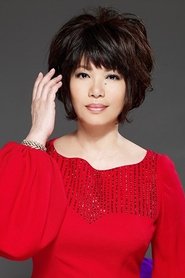 Tsai ChinChin
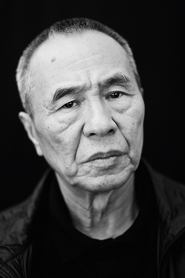 Hou Hsiao-hsienLung
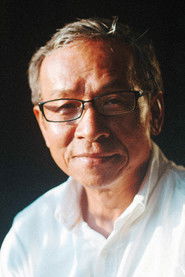 Wu Nien-jenChen
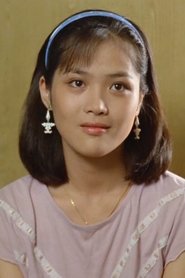 Lin Hsiu-LingA-Ling
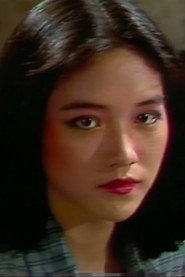 Ko Su-yunGwan
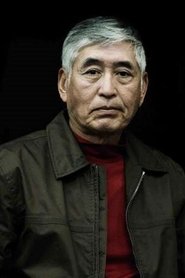 Ko I-chenMr. Ke
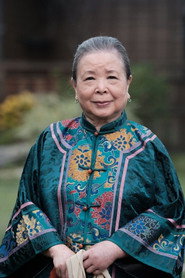 Mei FangChin's Mother
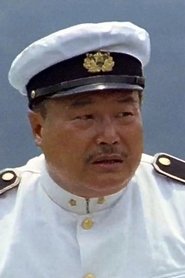 Wu Ping-nanChin's Father
 Yang Li-yinQin
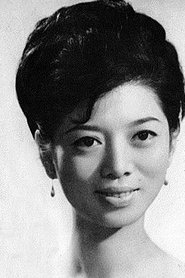 Grace Chen Shu-FangMrs. Mei
- Lai Te-NanCoach
Directing
- Chen Hwai-enAssistant Director
- Edward YangDirector
Writing
- Chu Tien-WenScreenplay
- Edward YangScreenplay
- Hou Hsiao-hsienScreenplay
Production
- Huang YungProducer
- Lau Shing-ChungProducer
- Lin Jung-fengProducer